.svg)
.svg)

When your furnace stops working on a cold Oregon winter night, you need a repair team you can trust to show up quickly and fix the problem right. Stinson Mechanical has been serving Scio and the surrounding Willamette Valley for over 25 years, helping homeowners restore warmth and comfort to their homes when heating emergencies strike. Whether your furnace won't start, is making strange noises, or isn't heating your home evenly, our experienced technicians understand the urgency and complexity of furnace issues in our region.
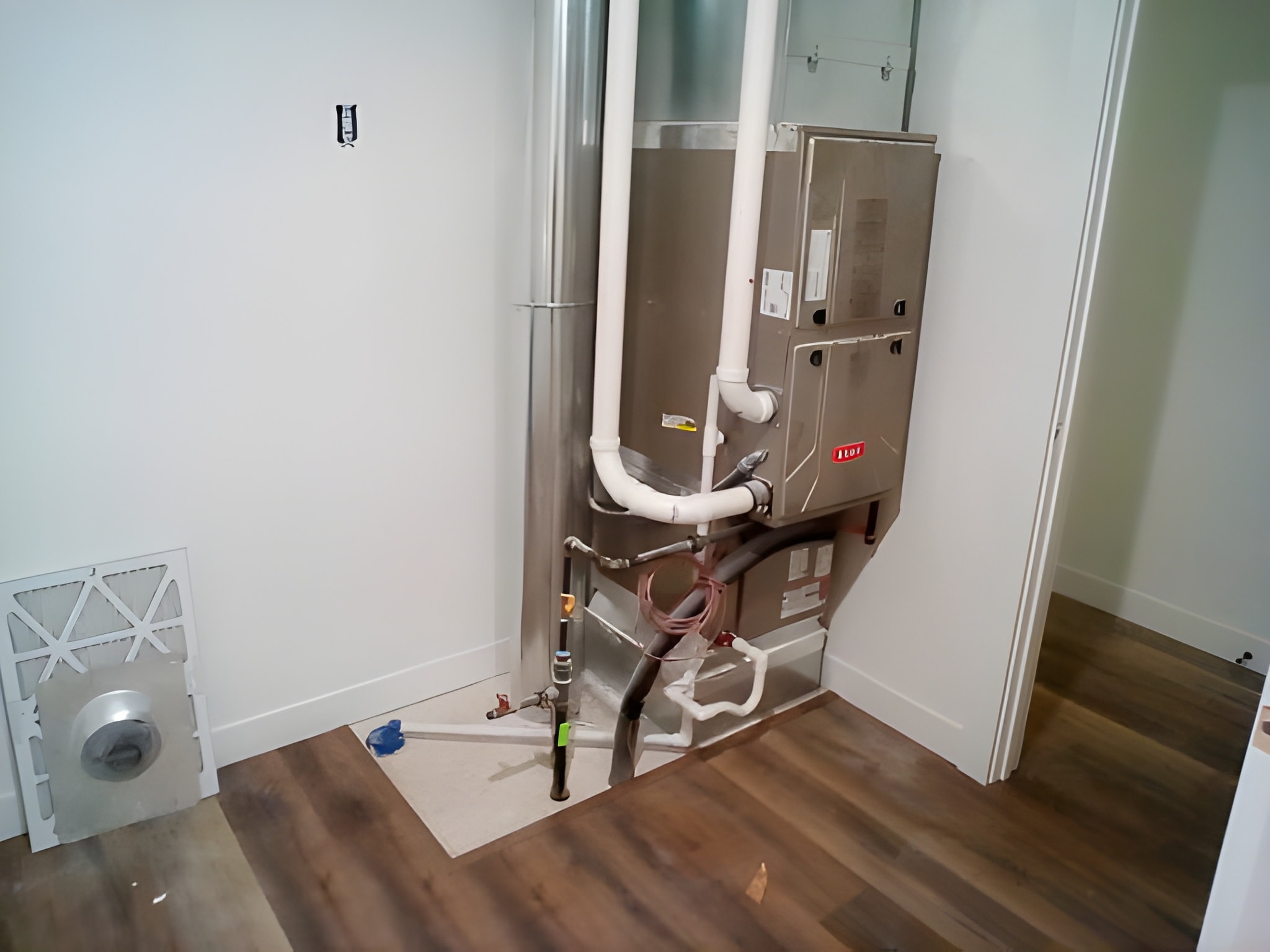
Furnace problems don't wait for business hours, and neither do we. Living in Scio means dealing with long, cold winters where your heating system is essential to your family's comfort and safety. Our goal is simple - keep you comfortable while being honest about what your furnace needs and what it will cost to fix it.
Common Furnace Problems in Scio
Furnaces fail for many different reasons, and understanding what's happening with your system helps you make informed decisions about repair versus replacement. Here are the issues we see most frequently in our service area:
Furnace Won't Start or Won't Turn On
This is one of the most concerning furnace problems because it leaves your home without heat. When a furnace refuses to start, the cause could be several things. The thermostat might not be set correctly or the batteries might be dead. The furnace might have a tripped safety switch, a clogged air filter restricting airflow, or an electrical connection problem. Gas furnaces sometimes fail to ignite due to pilot light issues or ignition problems. A blower motor that won't engage can also prevent the system from operating. In some cases, a blown fuse or tripped circuit breaker is the culprit.
Strange Noises Coming From Your Furnace
Furnaces make some normal operating sounds, but certain noises signal problems that need attention. Loud banging or popping sounds often indicate delayed ignition - the gas is building up before igniting, creating a small explosion. Squealing typically means a blower wheel issue or a worn belt in older furnace models. Rattling sounds might be loose panels, ductwork vibrations, or internal components working loose. Grinding or scraping noises suggest mechanical problems like a failing blower motor or debris inside the system.
Uneven Heating Throughout Your Home
Cold spots in some rooms while others feel comfortable suggests your furnace isn't distributing heat evenly. This could be a ductwork problem, a malfunctioning blower fan, or zone control issues if your system has them. Sometimes the thermostat is positioned in a warm spot, causing it to shut off the furnace before the rest of your home is heated. Blocked vents, a dirty filter, or improper duct sizing can all create uneven heating patterns.
Short Cycling - Furnace Turning On and Off Frequently
When your furnace cycles on and off more than it should, it wastes energy and prevents your home from reaching a comfortable temperature. Short cycling often stems from a clogged air filter, an oversized furnace for your home, a faulty thermostat, or a malfunctioning limit switch that tells the furnace when to shut down. Sometimes the issue is as simple as the thermostat being in a draft or near a heat source that triggers it to signal shutdown prematurely.
Pilot Light or Ignition Problems
Older gas furnaces rely on a pilot light - a small flame that ignites the main burner. When the pilot light keeps going out, drafts might be blowing it out, or there could be a faulty thermocouple (the safety device that ensures gas only flows when the pilot is lit). Modern furnaces use electronic ignition systems instead of pilot lights, but these can also fail. Furnace ignition problems require professional diagnosis because they involve gas and electrical safety systems.
Yellow or Flickering Pilot Light
A healthy pilot light should be blue. A yellow or flickering pilot light indicates incomplete combustion, which could mean carbon monoxide is being produced. This is a serious safety issue that requires immediate professional attention.
How Stinson Mechanical Diagnoses Furnace Problems
When you call Stinson Mechanical for furnace repair in Scio, we don't just guess at the problem. Our technicians follow a systematic diagnostic process to identify exactly what's wrong and what it will take to fix it.
Visual Inspection
We start by examining the furnace from the outside and inside. We check the thermostat settings, look for visible damage, inspect ductwork connections, and assess the overall condition of the unit. We verify that the power is on and circuits haven't been tripped.
Air Filter Check
A clogged air filter is one of the most common causes of furnace problems, and it's something we always check first. We inspect the filter and replace it if needed, as a dirty filter restricts airflow and forces your furnace to work harder.
Thermostat Testing
We verify the thermostat is working correctly, positioned properly, and set to the right temperature and mode. Sometimes the simplest fix is recalibrating or replacing thermostat batteries.
Blower Motor and Fan Inspection
We test the blower motor to ensure it's running smoothly and providing adequate airflow. We listen for unusual sounds and feel for vibrations that might indicate wear.
Gas Valve and Ignition System Check
For gas furnaces, we test the gas valve to confirm it's opening when called upon and closing when appropriate. We inspect the pilot light or electronic ignition system to ensure it's functioning safely and reliably.
Heat Exchanger Evaluation
The heat exchanger is the component that transfers heat from the burner to your home's air. We visually inspect it for cracks or damage, which are serious safety issues requiring immediate attention.
Ductwork Assessment
We check for disconnected, leaking, or blocked ducts that might be preventing heat from reaching all areas of your home.
Electrical Connections and Safety Controls
We inspect wiring connections, test safety switches, and verify that all electrical components are functioning properly.
After completing our diagnostic, we explain what we found in plain language - not industry jargon. We'll tell you exactly what's causing the problem and what it will cost to fix it. If repair costs are approaching or exceeding replacement costs for an older unit, we'll be honest about that too, because our priority is keeping you comfortable in an efficient manner.
Common Furnace Repairs and What They Involve
Air Filter Replacement
This is the simplest furnace repair. We remove the dirty filter and replace it with a clean one. A clogged filter restricts airflow and causes your furnace to overheat and shut down. Regular filter changes prevent many furnace problems before they start.
Thermostat Repair or Replacement
If your thermostat is faulty, we can repair it or install a new one. Modern programmable and smart thermostats offer better control over your home's temperature and can improve energy efficiency.
Blower Motor Repair or Replacement
If the blower motor has failed, we replace it. This is a more involved repair that takes longer, but a functioning blower motor is essential for distributing heated air throughout your home.
Gas Valve Repair or Replacement
A faulty gas valve prevents your furnace from igniting. Replacing the gas valve is a precision job that requires ensuring all connections are secure and safe.
Pilot Light Repair or Electronic Ignition Replacement
For older furnaces with pilot lights, we can often relight them and address the underlying cause of failure. For modern furnaces with electronic ignition systems, we replace faulty ignition components.
Heat Exchanger Inspection and Repair
If the heat exchanger has small cracks, we can sometimes repair it. However, a significantly cracked heat exchanger often requires furnace replacement because it's a safety hazard that can allow carbon monoxide to enter your home.
Ductwork Sealing and Repair
Leaking ductwork wastes heated air. We seal leaks with duct sealant and can repair or replace damaged sections of duct.
Safety Switch Replacement
Furnaces have multiple safety switches that prevent operation if something isn't right. A faulty limit switch or door switch might need replacement to get your furnace running again.
Furnace Repair Response Times and Availability
In Scio and throughout the Willamette Valley, we understand that furnace failures happen at the worst times - usually during the coldest nights when you need heat the most. We're committed to fast response times because we know how uncomfortable and potentially unsafe it is to be without heat.
For most residential furnace repair calls in Scio, we aim to have a technician at your home within 1-2 hours. During our standard business hours of 9 AM to 5 PM, Monday through Friday, we prioritize calls and dispatch available technicians immediately. We stay in constant communication with our customers until the job is done, so you always know when to expect us and what to expect when we arrive.
Winter months bring higher demand for furnace repairs, which can extend response times during peak cold snaps. That's why it's important to schedule furnace maintenance in the fall before heating season arrives. A well-maintained furnace is less likely to break down when you need it most.
If you have an emergency furnace repair need outside of our regular business hours, contact us and we'll discuss your options. We take seriously the urgency of heating system failures in our region.
When to Repair Your Furnace Versus Replacing It
One of the biggest decisions homeowners face is whether to repair an aging furnace or replace it with a new system. This isn't a simple answer, and it depends on several factors.
Age of Your Furnace
Most furnaces last 15-20 years with proper maintenance. If your furnace is approaching or past this age and develops a significant problem, replacement might be more economical than repair.
Cost of the Repair
If a repair costs $500 and your furnace is relatively new, repair makes sense. If the same repair costs $2,000 on a 18-year-old furnace, you're closer to the cost of a new system, which might be 10-20% more but will give you years of reliable heating with improved efficiency.
Efficiency of Your Current System
Older furnaces operate at 60-80% efficiency, meaning 20-40% of your heating energy is wasted. Modern furnaces operate at 90-98% efficiency. Over time, the energy savings from a new, efficient furnace can offset the installation cost.
Frequency of Repairs
If you're calling for repairs multiple times per year, your furnace is telling you it's reaching the end of its life. Frequent repairs add up quickly and suggest replacement might be worth considering.
Comfort and Performance
Even if your old furnace still works, it might not be keeping your home as warm as you'd like. A new furnace with a properly sized system and modern controls will often heat your home more evenly and efficiently.
When you call Stinson Mechanical for furnace repair, we'll give you an honest assessment. If we think your furnace can be repaired cost-effectively and has several more years of life in it, we'll say so. If we believe replacement is the better option, we'll explain why and discuss what a new system would cost. We won't push you toward replacement if repair makes sense, and we won't waste money on repairs if your furnace is nearing the end of its life.
Temporary Measures While Waiting for Furnace Repair
If your furnace breaks down and you're waiting for our technician to arrive, there are steps you can take to stay as comfortable as possible.
Close Off Unused Rooms
Close doors to rooms you're not using to concentrate heat in the areas where your family is spending time. This helps your home stay warmer even with reduced furnace output.
Use Supplemental Heat Safely
Space heaters can provide temporary warmth, but use them carefully. Never leave a space heater unattended, keep it away from curtains and flammable materials, and ensure it has automatic shut-off if it tips over.
Seal Air Leaks
Look for drafts around windows and doors. Use weather stripping, caulk, or temporary solutions like rolled towels to seal gaps and keep warm air inside.
Open Sunny Windows During the Day
If you have south-facing windows, open curtains during sunny days to let solar heat warm your home naturally.
Improve Insulation Temporarily
Close interior doors to bedrooms and living areas you're using most. Hang blankets over windows at night to reduce heat loss.
Stay Hydrated and Wear Layers
Staying hydrated helps your body regulate temperature. Wearing layers of clothing allows you to adjust your comfort without relying entirely on the furnace.
Keep Your Family Safe
Never use your oven or stove to heat your home - this creates a fire hazard and carbon monoxide risk. Don't run your car in the garage for warmth. These dangerous practices can cause serious injury or death.
The Importance of Furnace Maintenance in Scio
Preventing furnace problems is always better than dealing with emergency repairs. In Scio and the Willamette Valley, where cold winters are the norm, regular furnace maintenance is an investment in comfort and reliability.
Fall Furnace Tune-Up
Before heating season arrives, we recommend a comprehensive furnace inspection and tune-up. Our technicians clean the burners, inspect the heat exchanger, test all safety controls, verify proper gas pressure and air flow, check electrical connections, and replace the air filter. This fall tune-up catches problems before they become emergencies and ensures your furnace is running at peak efficiency when you need it most.
Spring System Check
As heating season ends, a spring check ensures your furnace is in good condition for storage and confirms any issues that developed over the winter. This proactive approach prevents surprise breakdowns the following winter.
Regular Air Filter Changes
Between professional tune-ups, change your furnace air filter every 1-3 months, depending on the filter type and whether you have pets or allergies. A clean filter is the single most important thing you can do to maintain furnace performance.
Keep the Area Around Your Furnace Clear
Ensure nothing is blocking airflow around your furnace. Remove boxes, storage items, and clutter that might restrict the furnace's ability to function properly.
Watch for Warning Signs
If your furnace starts making unusual noises, your heating bills increase significantly, or you notice uneven heating, don't wait for a breakdown - call us. Small problems are much cheaper to fix than emergency repairs.
Stinson Mechanical has been keeping Scio and Willamette Valley homes warm for over 25 years. Our experience with the climate challenges of this region means we understand your furnace needs deeply. We're committed to honest diagnostics, quality repairs, and keeping you comfortable in an efficient manner. When your furnace needs attention, you can trust that we'll be straightforward about the problem and the best solution for your situation.