.svg)
.svg)

When your thermostat stops working properly, your entire HVAC system becomes harder to control. Whether it's showing incorrect temperatures, losing connection to your heating or cooling system, or displaying error messages, a faulty thermostat can leave you uncomfortable and uncertain about your home's temperature. At Stinson Mechanical, we understand how frustrating thermostat problems can be, especially during Scio's unpredictable weather seasons. Our team has over 25 years of HVAC experience diagnosing and repairing thermostats for homeowners throughout the Willamette Valley, and we're committed to getting your system back in balance quickly and honestly.
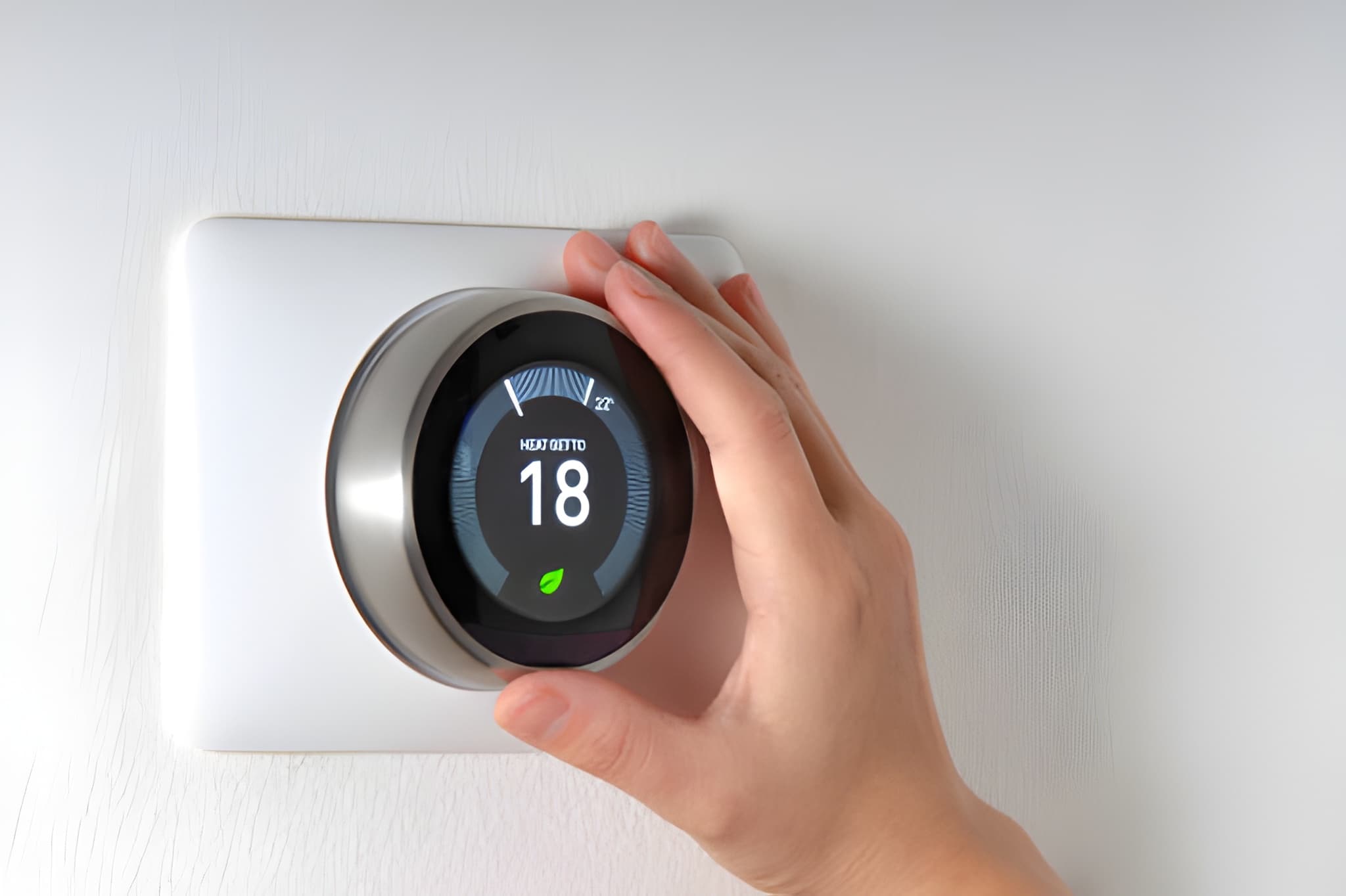
A thermostat is essentially the brain of your HVAC system. It tells your furnace, air conditioner, or heat pump when to run, how long to run, and what temperature to maintain. When something goes wrong with your thermostat, your heating and cooling system can't respond properly to your needs. That's why thermostat repair in Scio, OR is an important service that shouldn't be delayed. The sooner you address the problem, the sooner you can restore comfort to your home and avoid wasting energy on a system that isn't communicating correctly.
Common Thermostat Problems We Fix
Thermostats fail in several different ways, and understanding what's happening with yours is the first step toward getting it fixed. Here are the most common thermostat issues we encounter in Scio and the surrounding areas:
Incorrect Temperature Readings: Your thermostat displays one temperature, but your home feels completely different. You might notice your furnace or air conditioner running constantly, or not running at all. This usually means the temperature sensor inside the thermostat has drifted out of calibration or is positioned in a spot that doesn't reflect your home's actual temperature. Sometimes the sensor itself is simply failing and needs replacement.
Wiring Issues: Thermostats connect to your HVAC equipment through a series of small wires, typically bundled together in a thin cable. Over time, these wires can corrode, loosen, or disconnect. Loose connections prevent signals from reaching your furnace or air conditioner. Corroded wires create electrical resistance that disrupts communication. We've found that older homes in Scio sometimes have wiring that's been exposed to moisture or temperature extremes, which accelerates wear.
Display Problems: Your thermostat screen goes blank, shows only partial information, or displays garbled text. This could indicate a battery failure, a blown fuse, or an internal circuit board problem. Many programmable and smart thermostats rely on battery backup to maintain their settings, and when batteries fail, the display often goes dark first.
Sensor Failures: The thermostat's temperature sensor is what actually measures the air around it. When this sensor fails, it sends incorrect signals to your HVAC system. Your furnace might run when it shouldn't, or your air conditioner might shut off too early. A failed sensor is one of the most common reasons we perform thermostat repair in Scio, OR.
Intermittent Connectivity: If you have a programmable or smart thermostat, it might lose connection to your system randomly. You adjust the temperature, but nothing happens. This frustrating problem usually stems from loose wiring, a failing circuit board, or poor communication between the thermostat and your HVAC equipment.
Stuck or Unresponsive Controls: You try to change the temperature, but the thermostat doesn't respond. The buttons might be physically stuck, or the internal circuitry might be failing. Sometimes dust and debris get inside older thermostats and prevent buttons from working smoothly.
How We Diagnose Thermostat Problems
When you call Stinson Mechanical for thermostat repair, we follow a systematic diagnostic process to identify exactly what's wrong. Our honest approach means we'll tell you what the actual problem is and explain your options clearly, without any pressure or unnecessary upselling.
Visual Inspection: We start by examining your thermostat closely. We check for visible damage, corrosion on the wires, loose connections, or signs of age-related wear. Sometimes the problem is immediately obvious, like a clearly disconnected wire or a dead display screen.
Wiring Assessment: We test the wires running from your thermostat to your HVAC equipment. We use specialized tools to check for continuity, which tells us whether the electrical signal can travel freely from one end to the other. Broken, corroded, or loose wires show up immediately in this test.
Temperature Sensor Testing: Using precise instruments, we verify whether your thermostat's temperature sensor is reading accurately. We compare what the thermostat displays against the actual temperature in your home. If these numbers don't match, we know the sensor needs attention.
System Communication Check: We verify that your thermostat is actually communicating with your furnace, air conditioner, or heat pump. We listen for the clicking sounds that indicate your system is receiving signals, and we check whether your equipment responds when we adjust the thermostat.
Circuit Board Evaluation: For programmable and smart thermostats, we examine the internal circuit board for signs of failure. Burned components, broken traces, or faulty capacitors are all indicators that the board needs replacement.
Battery and Power Testing: If your thermostat has a battery backup, we test whether it's holding a charge. We also verify that the thermostat is receiving adequate power from your HVAC system.
Once we've completed our diagnostic testing, we'll explain what we found in straightforward language and discuss your repair options. This brings us to one of the most important decisions you'll face: repair versus replacement.
Repair Versus Replacement: Making the Right Choice
After we've diagnosed your thermostat problem, the next question is always whether to repair it or replace it. At Stinson Mechanical, we believe in honest advice. Sometimes a repair makes perfect sense. Sometimes a replacement is actually the better choice for your comfort and your budget over time.
When Repair Makes Sense: If your thermostat is relatively recent (less than 10 years old) and the problem is limited to a single component like a failed sensor or loose wiring, repair is usually your best option. Repair costs are typically much lower than replacement, and your existing thermostat settings and programming remain in place. Many thermostats in Scio homes that we service can be successfully repaired and will give you many more years of reliable operation.
When Replacement Is Better: If your thermostat is over 15 years old, replacement often makes more sense than pouring money into repairs. Older thermostats lack the efficiency features of modern units. They're harder to program, they don't integrate with smart home systems, and they're more prone to future failures. If your thermostat has already required multiple repairs, replacement prevents the frustration and cost of repeated service calls. We can also discuss energy-efficient and smart thermostat options that help you save on heating and cooling costs over time.
Compatibility With Your HVAC System: Before we recommend any thermostat, we verify that it's fully compatible with your existing furnace, air conditioner, or heat pump. Not all thermostats work with all HVAC systems. Some equipment requires specific wiring configurations, and smart thermostats need to be compatible with your system type. We make sure whatever thermostat you choose will communicate properly with your equipment and won't create new problems down the road.
We want you to feel confident about the decision we make together. That's why we offer free quotes and detailed explanations. You'll never wonder whether you made the right choice.
The Thermostat Repair Process
Here's what you can expect when Stinson Mechanical comes to your Scio, OR home to repair your thermostat:
Initial Assessment: We arrive on time and ready to work. We ask you to describe the problems you've been experiencing. We look at your thermostat and your HVAC system to understand the overall situation.
Thorough Diagnostics: We run through our complete diagnostic testing using specialized tools. We take our time to be absolutely certain about what's causing the problem.
Explanation and Options: We sit down with you and explain what we found in clear, simple language. We outline your options - whether that's a specific repair, replacement with a compatible thermostat, or preventive steps you can take. We never rush this conversation, because we want you to understand and feel comfortable with the decision.
Professional Repair or Replacement: Once you've approved the work, we proceed. If it's a repair, we replace faulty components, reconnect wiring, or recalibrate your sensor. If it's a replacement, we carefully remove your old thermostat, prepare the wall, install your new unit, verify compatibility with your HVAC equipment, and program it to your preferences.
System Verification: We test your entire HVAC system to confirm that the thermostat repair or replacement solved the problem. We verify that your furnace, air conditioner, or heat pump responds correctly to temperature changes. We don't leave until we're certain everything is working properly.
Your Questions Answered: Before we finish, we make sure you know how to use your thermostat and understand any new features. We discuss preventive steps to avoid future problems.
Response Times and Availability
We understand that thermostat problems can strike at inconvenient times, especially during Scio's cold winters or hot summers when you need your heating and cooling most. While our regular business hours are Monday through Friday from 9:00 AM to 5:00 PM, we recognize that HVAC emergencies don't always happen during business hours. We work hard to fit emergency thermostat repairs into our schedule when possible, and we maintain sufficient stock of common thermostat components so that most repairs can be completed on the same day you call.
For routine thermostat repairs and diagnostics, our typical response times are one to two hours from when you schedule your appointment. We keep our schedule organized to make sure we can get to your Scio home quickly while also making sure every customer receives the careful attention they deserve.
Common Causes of Thermostat Failure in Scio's Climate
The Willamette Valley experiences significant seasonal changes, and Scio's location puts your HVAC system through real challenges. These climate patterns can contribute to thermostat problems:
Moisture and Humidity: Oregon's rainy seasons mean high humidity levels inside and outside homes. Moisture can corrode thermostat wiring, damage internal components, and cause sensor drift. Bathrooms and kitchens are particularly vulnerable because they generate additional humidity.
Temperature Extremes: Winter freezes and summer heat put stress on all HVAC components, including thermostats. Rapid temperature changes can cause materials to expand and contract, potentially loosening connections over time.
Dust and Debris: Rural areas around Scio can have more dust and pollen in the air. This accumulation inside a thermostat can interfere with sensors and mechanical components.
Power Fluctuations: Homes on the outer edges of Scio's service areas sometimes experience power fluctuations during storms or grid maintenance. These voltage spikes can damage thermostat circuitry.
Understanding these local factors helps us anticipate thermostat problems and recommend preventive measures tailored to Scio's specific climate.
Preventive Tips to Avoid Future Thermostat Problems
After we've repaired your thermostat, you want it to last as long as possible. Here are practical steps to prevent future problems:
Keep Your Thermostat Clean: Dust accumulation inside your thermostat can interfere with sensors and mechanical components. Gently wipe the exterior with a soft cloth. If your thermostat opens to reveal internal components, avoid touching them, but a quick visual check for obvious dust is fine. If you notice significant internal buildup, let us know during your next service visit.
Protect from Moisture: Make sure your thermostat isn't installed in an area prone to direct water exposure, like near a bathroom door or kitchen steam. If you're concerned about moisture, we can discuss protective measures or relocation options.
Maintain Proper Airflow Around Your Thermostat: Position furniture and curtains so they don't block your thermostat. Blocked thermostats can't read your home's actual temperature and will cause your HVAC system to run incorrectly.
Schedule Twice-Yearly HVAC Maintenance: The best thermostat maintenance is part of regular HVAC service. We recommend having your entire heating and cooling system serviced twice a year - once in spring before summer and once in fall before winter. During these visits, we check your thermostat connections, verify sensor accuracy, and catch small problems before they become major issues.
Test Your Thermostat Seasonally: Before you really need your heating or air conditioning, test your thermostat. Adjust the temperature a few degrees and confirm that your system responds. Listen for the clicking sound that indicates your furnace or air conditioner is receiving the signal. If something seems off, call us early rather than waiting until you're uncomfortable.
Update Your Batteries: If your thermostat has battery backup, replace the batteries every year or whenever the low-battery indicator comes on. Dead batteries are one of the easiest preventable thermostat problems.
Avoid DIY Thermostat Repairs: HVAC wiring involves low-voltage systems that are generally safe, but incorrect troubleshooting can sometimes create problems. If you're not confident about what you're doing, call us instead. It's better to spend a little on professional diagnosis than to accidentally damage your thermostat or HVAC system.
Why Choose Stinson Mechanical for Thermostat Repair in Scio
With over 25 years of HVAC experience serving the Willamette Valley, Stinson Mechanical knows thermostats inside and out. We're a family-owned company committed to honesty, keeping your home comfortable efficiently, and providing the options you need to make informed decisions. When you choose us for thermostat repair in Scio, OR, you're choosing a company that prioritizes your comfort and your budget.
We stock common thermostat components so we can complete most repairs the same day. We offer flexible financing through Synchrony if you're considering a thermostat replacement. We explain every problem and every option clearly, without pressure or unnecessary upselling. And we stand behind our work because your satisfaction matters to us.
If your thermostat isn't working properly, reach out to Stinson Mechanical. We'll diagnose the problem quickly, explain your options honestly, and get your HVAC system communicating again so you can enjoy the comfort and efficiency your home deserves.