.svg)
.svg)

When your air conditioning system stops keeping your home comfortable, or when repair costs keep climbing, it's time to think about replacement. In Newport, OR, where summers can bring warm days and humidity, a reliable cooling system isn't a luxury—it's essential for your home's comfort and your family's well-being. Stinson Mechanical specializes in helping homeowners like you navigate the decision between repair and replacement, find the right equipment for your home's needs, and ensure your new system is installed correctly and efficiently.
.jpeg)
AC Replacement in Newport, OR
When your air conditioning system stops keeping your home comfortable, or when repair costs keep climbing, it's time to think about replacement. In Newport, OR, where summers can bring warm days and humidity, a reliable cooling system isn't a luxury—it's essential for your home's comfort and your family's well-being. Stinson Mechanical specializes in helping homeowners like you navigate the decision between repair and replacement, find the right equipment for your home's needs, and ensure your new system is installed correctly and efficiently.
AC replacement is a significant investment, but it's one that pays dividends in comfort, reliability, and energy savings. If your current system is aging, breaking down frequently, or consuming more energy than it should, replacing it with a modern, high-efficiency unit can transform how your home feels while reducing your monthly utility bills. This guide walks you through everything you need to know about AC replacement in Newport, so you can make an informed decision with confidence.
When to Replace Your AC System
The decision to replace your air conditioning system isn't always straightforward. Sometimes a repair makes sense; sometimes replacement is the smarter choice. Understanding the signs that indicate replacement is needed will help you avoid throwing money at a system that's reached the end of its useful life.
Age of your system is one of the most important factors. Most air conditioning systems last between 10 and 15 years with proper maintenance. If your system is approaching or has passed the 12-year mark, replacement should be on your radar. Older systems lose efficiency over time, meaning they work harder to cool your home and consume more energy in the process. Even if your current system isn't broken, a newer unit will likely operate more efficiently and cost less to run.
Frequency of repairs is another telling sign. If you're calling for repairs more than once or twice a year, or if repairs are becoming increasingly expensive, replacement often becomes more cost-effective than continuing to patch things up. A good rule of thumb is the "5,000 rule"—if the cost of a repair multiplied by the age of your system exceeds 5,000 dollars, replacement is usually the better investment.
Rising energy bills without a corresponding increase in usage patterns suggest your system is losing efficiency. When your AC has to work harder to maintain comfortable temperatures, it consumes more energy, and you'll see that reflected in your utility costs. A newer, high-efficiency system can significantly reduce these expenses.
Unusual noises or weak airflow might indicate refrigerant leaks, compressor problems, or ductwork issues. While some of these issues can be repaired, they're often signs of broader system wear that will lead to additional problems down the line. If your system is aging and developing problems, replacement prevents the frustration and expense of ongoing repairs.
Difficulty maintaining comfortable temperatures across your home is a common problem, especially in homes with older AC systems or uneven ductwork. If some rooms are too cold while others stay warm, or if your system cycles constantly, it's working inefficiently and may be nearing the end of its service life.
Stinson Mechanical can help you assess whether repair or replacement makes sense for your specific situation. A professional evaluation considers the age of your system, the nature and cost of needed repairs, your home's energy efficiency, and your long-term comfort goals. This honest assessment is part of our commitment to keeping our customers comfortable in an efficient manner.
Understanding Your AC Replacement Options
Modern air conditioning systems offer more choices than ever, and understanding your options helps you select equipment that matches your home's needs, climate, and budget. The right choice depends on factors like your home's size, your cooling needs, and your energy efficiency goals.
Traditional Central Air Conditioning Systems remain the most common choice for homes with existing ductwork. These systems use a central unit to cool and distribute air throughout your home via ducts and vents. Modern central AC units are significantly more efficient than older models, with Seasonal Energy Efficiency Ratio (SEER) ratings that indicate how efficiently they convert electricity into cooling. Higher SEER ratings mean better efficiency and lower operating costs.
Heat Pump Systems are increasingly popular in Oregon's climate. Heat pumps work by transferring heat rather than generating it, making them extraordinarily efficient. During summer, they cool your home by moving heat outside. During winter, they reverse the process to heat your home. For Newport residents, a heat pump system means efficient cooling in summer and supplemental heating in winter, potentially reducing your reliance on gas furnaces. Modern heat pumps perform well even in cooler climates and can handle Oregon's temperature ranges effectively.
Ductless Mini-Split Systems offer an alternative if you want flexibility, efficiency, or if traditional ductwork isn't practical for your home. These systems consist of an outdoor unit connected to one or more indoor wall-mounted units. Ductless systems are highly efficient because they eliminate ductwork losses, and they allow you to cool specific zones of your home independently. They're particularly useful for additions, bonus rooms, or homes where traditional ductwork is impractical.
High-Efficiency Models across all system types can reduce your energy consumption by 20 to 40 percent compared to older systems. The initial investment is higher, but the energy savings accumulate month after month, year after year. Over the typical lifespan of an AC system, high-efficiency equipment typically pays for itself through lower utility bills while providing superior comfort and reliability.
When evaluating your options, think beyond just the cooling capacity. Consider your home's layout, your year-round comfort needs, your local climate patterns, and your long-term plans. If you're planning to stay in your home for many years, investing in a high-efficiency system makes financial sense. If you're looking at a shorter timeframe, a standard-efficiency system may suit your needs.
Stinson Mechanical works with homeowners to understand their unique situations and recommend systems that deliver the right balance of performance, efficiency, and value. We provide honest assessments of what your home actually needs, not oversized systems that waste energy and money.
Proper System Sizing Matters
One of the most common mistakes in AC replacement is installing a system that's too large or too small for the home. Both scenarios cause problems, which is why proper sizing is essential before any new equipment is purchased.
Oversized systems cool your home too quickly, causing the system to short-cycle (run for brief periods and stop). Short-cycling prevents the system from running long enough to dehumidify your home properly, leaving you with cool but clammy air. It also increases wear on components and reduces overall efficiency, essentially negating the benefits of a newer system.
Undersized systems run constantly, struggling to reach and maintain your desired temperature. This means higher energy consumption, reduced system lifespan, and the frustration of never quite getting comfortable on hot days.
Proper sizing requires a detailed evaluation of your home's square footage, insulation level, window and door placements, sun exposure, local climate data, and your personal comfort preferences. This process, often called a load calculation, determines the correct cooling capacity your home needs, measured in British Thermal Units (BTU) per hour.
An experienced HVAC contractor like Stinson Mechanical performs these calculations before recommending a new system. We assess your home's unique characteristics and cooling requirements to ensure the replacement system is properly sized to deliver consistent comfort without wasting energy. Proper sizing is one of the factors that directly impacts how much money your new system will save you on monthly cooling costs.
Energy Efficiency and Potential Savings
One of the primary reasons homeowners choose AC replacement is the potential for significant energy savings. Modern, high-efficiency air conditioning systems consume substantially less energy than older models, translating to lower monthly utility bills and a faster return on your investment.
SEER ratings indicate air conditioning efficiency, with higher numbers representing better performance. Systems manufactured before 2006 typically have SEER ratings of 8 to 10. Current federal standards require a minimum SEER rating of 14, and high-efficiency systems can achieve ratings of 16, 18, or even higher. A system with a SEER rating of 16 or above uses roughly 30 to 40 percent less energy than an older system with a SEER rating of 10.
Energy savings calculations depend on several factors: the efficiency rating of your new system, the age and efficiency of your old system, how often you run your AC during summer months, your local electricity rates, and your home's overall insulation and air sealing. In Oregon's climate, where summer cooling needs are moderate compared to hotter states, a homeowner might expect to save 20 to 30 percent on cooling costs by upgrading to a high-efficiency system.
Long-term financial benefits extend beyond monthly savings. A more efficient system reduces your home's carbon footprint, which appeals to environmentally conscious homeowners. It also maintains more consistent temperatures with less strain on equipment, which can extend the system's lifespan. And should you sell your home, a newer, efficient cooling system is an attractive feature that adds appeal to potential buyers.
For homeowners in Newport concerned about rising energy costs, an AC replacement with a high-efficiency system is an investment that pays dividends over years of operation. Stinson Mechanical can help you estimate your potential energy savings based on your specific home and situation, giving you realistic numbers to consider as you plan your replacement.
What Happens to Your Old Equipment
When you replace your air conditioning system, your old equipment needs to be properly removed and disposed of. This process involves more than just hauling it away—refrigerant must be recovered, components must be handled according to environmental regulations, and the process should be done safely and responsibly.
Refrigerant recovery is essential and legally required. Air conditioning systems contain refrigerant, which must be safely extracted and recovered by certified technicians before any other work begins. This refrigerant can then be recycled and reused in other systems, reducing environmental impact. Improper handling of refrigerant is both illegal and damaging to the ozone layer, making this step non-negotiable.
Component removal follows refrigerant recovery. Your outdoor unit, indoor components, and associated ductwork (if being replaced) are carefully removed from your home. This is done with minimal disruption to your home and property. Technicians work efficiently and clean up after themselves, leaving your space ready for new equipment installation.
Responsible disposal means your old equipment is taken to proper recycling or disposal facilities. Metal components are recycled when possible, reducing waste and environmental impact. When you work with Stinson Mechanical, you can trust that your old system is handled responsibly according to all local and federal environmental regulations.
The removal and disposal process typically happens at the beginning of your replacement appointment, before new equipment installation begins. By handling this properly, we ensure your transition to a new system is both environmentally responsible and compliant with all applicable regulations.
The AC Replacement Installation Process
Understanding what happens during installation helps you prepare for the project and know what to expect. A typical AC replacement installation involves several steps, each performed carefully to ensure your new system operates optimally.
Site preparation begins before your new system arrives. Technicians assess the installation location, verify adequate space for equipment, and ensure proper clearances for airflow and service access. For outdoor units, the ground must be level and stable, often requiring a concrete pad. Indoor components need accessible locations with proper ventilation.
Old system removal starts the actual installation day. As mentioned previously, refrigerant is recovered, old equipment is disconnected, and removed components are properly disposed of. This process is completed before new equipment installation begins.
New equipment installation follows. Your new outdoor unit is positioned and secured on its pad, ensuring it's level and stable. Electrical connections are made according to code, and refrigerant lines are properly sized and routed from the outdoor unit to your indoor components. These lines are insulated to prevent energy loss and condensation.
Ductwork evaluation and modification happens if your new system requires different ductwork specifications than your old system. While existing ductwork is often suitable for replacement systems, sometimes modifications are necessary for optimal performance. Leaky ducts are sealed to prevent cooled air from escaping, which improves efficiency and comfort.
Indoor component installation involves mounting indoor units (if you're using a ductless system) or ensuring your air handler and evaporator coil are properly positioned within your existing ductwork. Condensation drain lines are installed and tested to ensure water drains away from your home.
Testing and commissioning is critical. Before your system is considered complete, technicians test every component to ensure proper operation. This includes checking refrigerant levels, airflow, electrical connections, thermostat functionality, and overall system performance. Any adjustments are made during this phase to optimize performance.
Thermostat setup and programming ensures your new system operates according to your preferences. If you're upgrading to a programmable or smart thermostat, technicians explain its features and help you set appropriate temperature schedules.
Final walkthrough and training gives you the opportunity to ask questions and ensure you understand your new system. Technicians explain operation, basic maintenance, and any special features of your equipment. Documentation and warranty information are provided.
The entire installation process typically takes one to two days for a standard central AC replacement, though timeline varies based on system type, ductwork modifications needed, and your home's specific circumstances. Stinson Mechanical prioritizes efficiency and minimal disruption to your home during this process, maintaining constant communication so you always know what's happening.
Rebates, Financing, and Making Replacement Affordable
AC replacement is a significant expense, but several options exist to make it more affordable. Many homeowners don't realize they can access rebates and financing that substantially reduce out-of-pocket costs.
Federal Energy Tax Credits may be available for high-efficiency systems. While credits vary based on current legislation, investing in ENERGY STAR certified equipment can qualify you for tax deductions or credits. These incentives recognize the environmental benefits of high-efficiency systems and help offset the initial investment.
Local and State Rebates sometimes apply in Oregon. Utility companies occasionally offer rebates for upgrading to high-efficiency cooling systems. These rebates are designed to encourage energy conservation and can range from a few hundred to several thousand dollars. Your utility provider can provide current rebate information for your specific area.
Financing Options make AC replacement accessible without straining your budget. Stinson Mechanical offers flexible financing through Synchrony, allowing you to spread the cost of replacement over time with manageable monthly payments. This approach lets you invest in a high-efficiency system now and recoup the cost through energy savings and financing payments.
HVAC Financing Plans often feature promotional periods with no interest or low-interest rates, making the total cost of replacement more predictable and manageable. Financing allows you to protect your investment while building the monthly savings from your new system into your budget.
When you're considering AC replacement, ask about all available rebates, tax credits, and financing options. The actual out-of-pocket cost is often significantly lower than the equipment's sticker price once incentives and financing are factored in. Stinson Mechanical helps you navigate these options to find the approach that works best for your financial situation.
Warranties and Long-Term Protection
Understanding what's covered by warranties on your new AC system ensures you're protected against unexpected issues and can plan for the future with confidence.
Manufacturer warranties on equipment typically cover parts and compressor function for five to ten years, depending on the system and manufacturer. Some high-end systems offer extended warranties covering additional components. These warranties protect you against defects in materials and workmanship, providing peace of mind that your new system is backed by the manufacturer's guarantee.
Installation warranties offered by your HVAC contractor cover the quality of the installation work itself. Stinson Mechanical stands behind the installation, ensuring your system is properly sized, correctly installed, and functioning optimally. If issues arise from installation quality, our warranty covers those repairs.
Labor warranties sometimes extend beyond the initial installation. Some contractors offer extended labor coverage, meaning if a covered component fails, you're not responsible for labor costs associated with repairs or replacement.
Extended warranty options are sometimes available for additional cost and can extend coverage beyond standard manufacturer terms. These extended plans provide additional peace of mind and budget protection, particularly valuable if your home is older or your usage patterns are demanding.
Understanding your warranty coverage helps you know what's protected and what expenses you might encounter. At Stinson Mechanical, we explain warranty details clearly so you understand exactly what's included and what steps to take if an issue occurs. Proper maintenance, including twice-yearly seasonal tune-ups, helps ensure your warranty remains valid and your system operates reliably for years to come.
Energy Code Compliance in Newport
Oregon's energy codes have evolved over recent years, with updates focused on improving home energy efficiency. When replacing your AC system, ensuring compliance with current energy codes is important for safety, efficiency, and potential resale value.
Current Oregon Energy Code requirements specify minimum efficiency standards for air conditioning systems, ductwork design, and overall HVAC system performance. These standards ensure that new systems meet baseline efficiency requirements and perform as intended for cooling and comfort.
Compliance assessment is part of professional AC replacement. Stinson Mechanical evaluates your home's existing systems and any modifications needed to meet current code requirements. Sometimes this involves upgrading insulation, sealing ductwork leaks, or installing additional components to meet code specifications.
Benefits of compliance include improved efficiency, better equipment performance, and documentation that your system meets current standards. If you plan to sell your home or refinance your mortgage, compliance documentation adds value and demonstrates that work was performed to current standards.
Future-proofing your investment means choosing equipment and installation practices that exceed current minimum standards where practical. This protects you against future code changes and ensures your new system will remain compliant for years.
Stinson Mechanical stays current with Oregon's energy code requirements and ensures all AC replacements are performed in full compliance. Our commitment to honest, code-compliant work means your new system is not only efficient but also legally compliant and properly documented.
Seasonal Considerations for Newport Homeowners
Newport's climate, located on Oregon's coast, presents specific considerations for AC replacement. Understanding how local weather patterns affect your cooling needs helps you make the best system choice.
Summer cooling needs in Newport are moderate compared to inland areas or hotter states. The ocean's moderating effect keeps summer temperatures generally comfortable, with cooling needs concentrated in July and August. This means your AC system may run fewer hours annually than systems in hotter regions, though consistent cooling is still essential for comfort.
Humidity management is particularly important in coastal areas like Newport. Ocean proximity can increase humidity levels, making air conditioning not just about temperature control but also about moisture management. High-efficiency systems with proper sizing and dehumidification capability address this more effectively than undersized or older systems.
Spring and fall weather variability in the Willamette Valley and coastal areas means your comfort needs may shift between heating and cooling within the same season. A heat pump system provides excellent flexibility for these conditions, allowing you to heat or cool as needed without separate heating and cooling seasons.
Winter heating needs still require attention even as you replace cooling equipment. Many homeowners benefit from considering heat pump systems that provide both efficient cooling in summer and heating capability in winter, reducing reliance on traditional gas furnaces.
For Newport residents, Stinson Mechanical understands local climate patterns and how they affect HVAC decisions. We recommend systems and configurations specifically suited to coastal Oregon conditions, ensuring your AC replacement investment is optimized for your actual climate and comfort needs.
Maintenance Keeps Your New System Running Efficiently
Installing a new AC system is just the beginning. Regular maintenance ensures your system operates at peak efficiency, maintains warranty coverage, and provides years of reliable service.
Twice-yearly seasonal tune-ups in spring (before cooling season) and fall (after cooling season) are essential maintenance for reliable operation. Spring tune-ups prepare your system for summer use, checking refrigerant levels, cleaning coils, testing thermostat operation, and ensuring all components function properly. Fall tune-ups following the cooling season help your system transition smoothly and prepare for any winter heating needs.
Air filter replacement should happen every one to three months during cooling season, depending on your home's dust levels and filter type. Clean filters ensure proper airflow, maintain efficiency, and protect your system from dust and debris accumulation.
Coil cleaning prevents the outdoor and indoor coils from accumulating dust and debris, which reduces cooling efficiency. Professional cleaning during seasonal tune-ups keeps these critical components performing optimally.
Refrigerant level checks ensure your system has adequate refrigerant for proper operation. Low refrigerant levels reduce cooling capacity and efficiency, and any leaks must be identified and repaired to prevent ongoing problems.
Professional inspections catch potential issues early before they become major problems. During regular service visits, technicians identify worn components, check electrical connections, and verify overall system performance.
Stinson Mechanical emphasizes the importance of twice-yearly maintenance as part of your overall HVAC care strategy. Consistent maintenance protects your investment, maintains warranty coverage, and ensures your new AC system delivers comfort and efficiency throughout its service life. When you're comfortable and your system is running efficiently, you're getting real value from your replacement investment.
Get Started With Your AC Replacement
Replacing your air conditioning system is a significant decision with long-term implications for your home's comfort, efficiency, and operating costs. Understanding your options, your home's needs, and the complete installation process helps you approach replacement with confidence.
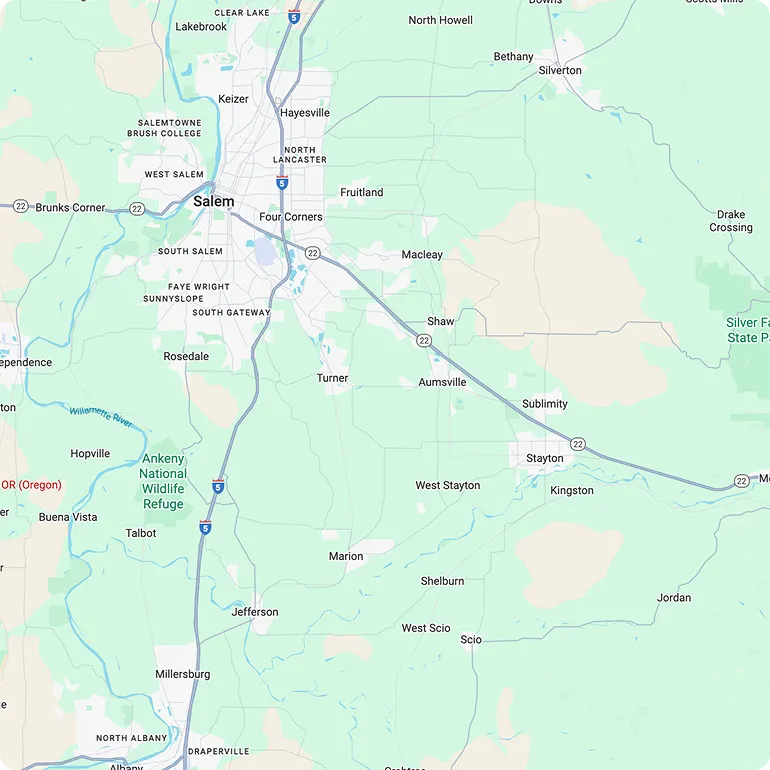
Stinson Mechanical has been serving homeowners in Newport, the Willamette Valley, and surrounding areas with honest, reliable HVAC service. Our commitment to honesty, efficiency, and customer comfort guides every AC replacement project we undertake. We provide detailed evaluations of your current system, honest assessments of repair versus replacement, and clear recommendations based on your home's specific needs.
When you're ready to explore AC replacement options or simply want to understand whether replacement makes sense for your situation, Stinson Mechanical is ready to help. We stay in constant communication with our customers throughout the process, ensuring you understand every step and have confidence in your decision. Your comfort and satisfaction are our priorities, and we deliver the expert service that keeps Newport-area homes comfortable and efficient year after year.