.svg)
.svg)

When it comes to heating and cooling your Independence home, you have options. Ductless mini split systems have become an increasingly popular choice for homeowners seeking efficient, flexible temperature control without the expense and disruption of traditional ducted systems. Whether you're looking to replace an aging system, add comfort to a room without central air, or upgrade to something more energy-efficient, understanding what ductless installation involves is the first step toward making the right decision for your home and budget.
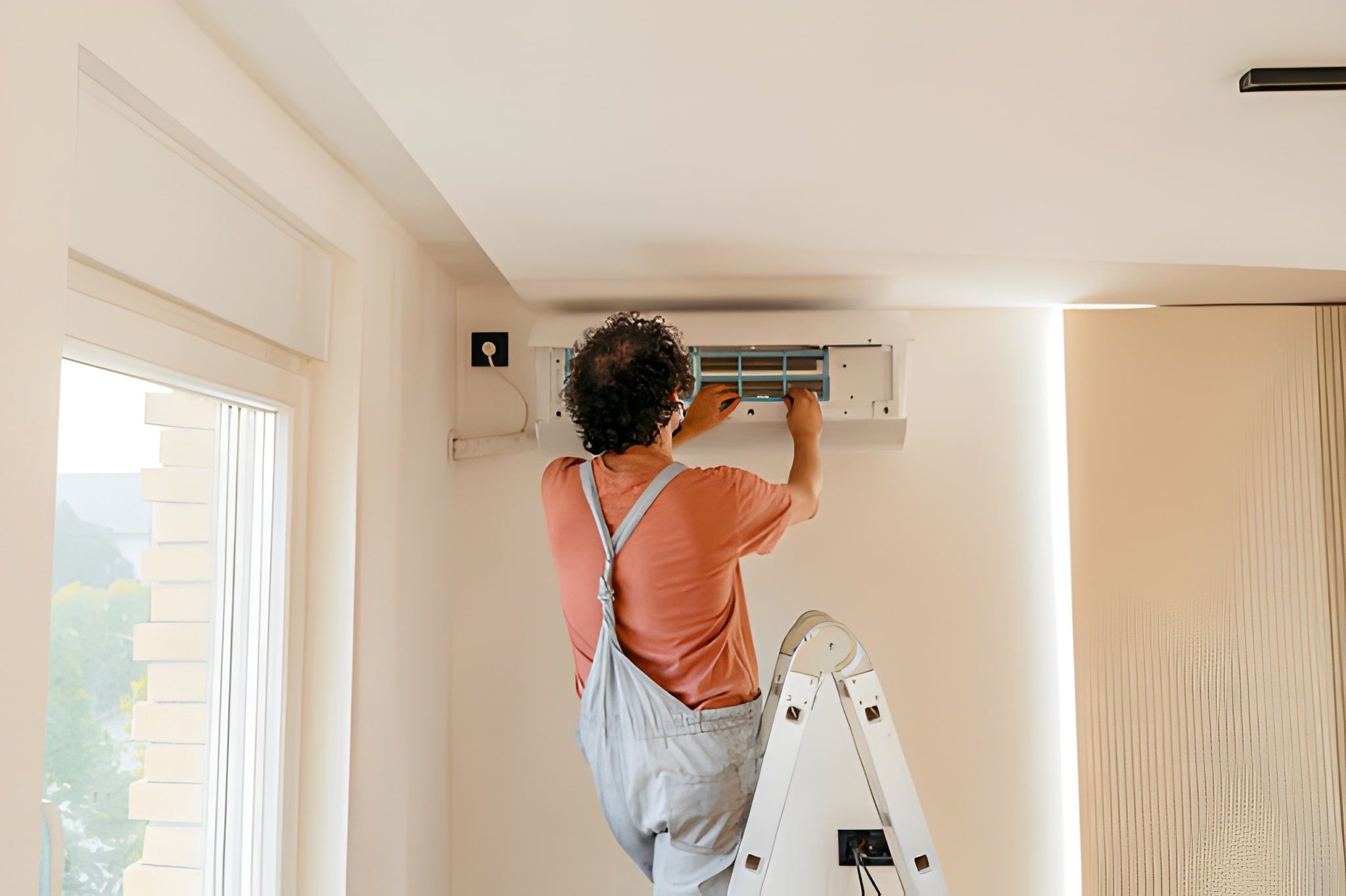
At Stinson Mechanical, we specialize in helping Willamette Valley homeowners like you navigate the ductless installation process with honesty, expertise, and a commitment to keeping you comfortable in an efficient manner. Our technicians bring over 25 years of HVAC experience to every ductless installation project, ensuring your system is sized correctly, installed to code, and set up to deliver years of reliable performance. Let's walk through what a ductless installation in Independence looks like and how it can transform your home's comfort.
Why Independence Homeowners Choose Ductless Systems
Independence experiences the diverse weather conditions typical of the Willamette Valley. Winters bring cold temperatures and wet conditions, while summers can reach uncomfortable heat levels. Many homes in the area were built without central air conditioning, making retrofitting challenging and expensive. Others have older HVAC systems that struggle with inconsistent temperatures or high energy bills.
Ductless mini split systems address these challenges directly. Unlike traditional systems that require extensive ductwork installed through walls and ceilings, ductless systems deliver heating and cooling through sleek wall-mounted or floor-mounted indoor units connected to an outdoor compressor. This means:
- No major renovations or wall-opening requirements
- Zoned comfort, allowing different temperatures in different rooms
- Energy efficiency that can lower your heating and cooling costs
- Quieter operation compared to window units or older furnaces
- Flexibility to heat or cool only the spaces you're using
For Independence homeowners considering a ductless installation, these benefits often translate to faster project completion, less disruption to your daily life, and immediate improvements in comfort and efficiency.
The Ductless Installation Process
Understanding what happens during a ductless installation helps you know what to expect and why certain steps matter. Stinson Mechanical follows a thorough, code-compliant process designed to deliver a system that performs optimally for years to come.
Initial Assessment and Load Calculation
The installation process begins with an honest, detailed assessment of your home and your needs. Our technicians will visit your Independence property to evaluate:
- The size and layout of spaces you want to heat or cool
- Current insulation levels and window quality
- Existing HVAC infrastructure (if replacing a system)
- Electrical service capacity and panel availability
- Outdoor unit placement options and accessibility
- Local code requirements specific to Independence and Polk County
This assessment informs a load calculation, a critical step that determines how much heating and cooling capacity your system needs. Many HVAC companies skip this step or underestimate loads, leading to systems that run inefficiently or fail to maintain comfortable temperatures during peak seasons. We don't take that shortcut. An accurate load calculation ensures your ductless system is appropriately sized - not oversized (which wastes energy) and not undersized (which leaves you uncomfortable).
During this phase, we'll also discuss your preferences: Do you want heating and cooling throughout your home, or focused in specific zones? Are you replacing an existing system entirely, or adding ductless comfort to supplement your current setup? How important is operational noise to you? These conversations guide our equipment recommendations.
System Design and Equipment Selection
Based on your assessment and load calculations, we'll recommend a ductless system configuration that matches your home's needs and your budget. Ductless installations come in two main configurations:
Single-Zone Systems - One indoor unit connected to one outdoor compressor. These work well for specific rooms, additions, or smaller homes where you want consistent comfort in one area. Single-zone systems are typically more affordable upfront and simpler to install.
Multi-Zone Systems - Multiple indoor units (typically 2-5) connected to a single outdoor compressor. Each zone operates independently, allowing you to set different temperatures in different rooms. This flexibility is ideal for larger homes, homes with varying insulation, or situations where family members have different comfort preferences. Multi-zone systems require more careful installation but deliver superior zoning capability.
Within each configuration type, equipment comes in various capacities, measured in BTU (British Thermal Units). A bedroom unit might operate at 9,000 or 12,000 BTU, while a larger living area might need 18,000 or 24,000 BTU. Our assessment and calculations determine the right capacity for each space.
Ductless systems also vary in efficiency ratings. SEER (Seasonal Energy Efficiency Ratio) ratings indicate cooling efficiency, while HSPF (Heating Seasonal Performance Factor) ratings indicate heating efficiency. Higher ratings mean more efficiency and potentially lower operating costs, though they also reflect higher upfront investment. We'll explain these trade-offs and help you choose equipment that balances efficiency, performance, and your budget.
Refrigerant Line Routing and Electrical Work
Once you've selected your system configuration and equipment, installation begins with two critical components: refrigerant lines and electrical connections.
Refrigerant lines connect the outdoor compressor to each indoor unit, carrying the refrigerant that enables the heating and cooling cycle. These lines run through your home's walls or exterior, typically concealed behind trim or within exterior wall cavities. Our technicians route these lines carefully to:
- Minimize visible pathway (most lines are concealed)
- Reduce the distance refrigerant must travel (shorter runs improve efficiency)
- Protect lines from physical damage
- Ensure proper insulation to prevent energy loss
- Comply with local code requirements for routing and protection
The outdoor compressor also requires proper electrical connection. This means running an appropriate gauge electrical wire from your home's electrical panel to the outdoor unit location. This work must be performed by a licensed electrician or HVAC technician certified for electrical work to ensure safety and code compliance. We handle this through our existing licensing and credentials, ensuring the electrical hookup is safe, efficient, and properly grounded.
For multi-zone systems, additional refrigerant lines branch from the main line to each indoor unit, adding complexity but remaining manageable for experienced installers. Improper refrigerant line installation is one of the most common causes of ductless system underperformance, so this step demands care and expertise.
Indoor and Outdoor Unit Installation
With refrigerant and electrical pathways prepared, we install the physical units.
Indoor unit mounting requires selecting the right wall, wall height, and bracket installation. Most indoor units are mounted on an exterior wall (to reduce refrigerant line runs), roughly 6-8 feet from the floor. We verify wall structure is adequate to support the unit's weight and that the location minimizes obstructions to airflow. The unit is then securely mounted using appropriate fasteners and brackets.
Outdoor compressor placement is equally important. The outdoor unit requires:
- Open space around it for airflow (typically 3-5 feet clearance)
- Secure, level mounting pad (concrete pad or sturdy platform)
- Protection from direct rain and snow accumulation (slight overhang or weatherproofing)
- Location away from noise-sensitive areas when possible
- Accessibility for future maintenance
Both indoor and outdoor units are then connected via refrigerant lines, electrical connections, and a communication wire that allows units to coordinate operation.
Permit Acquisition and Code Compliance
Depending on Independence city code and Polk County requirements, your ductless installation may require a permit. We handle permit applications, inspections, and compliance documentation as part of our service. This isn't a step we skip - proper permitting ensures your system meets electrical, mechanical, and safety codes, protects your home's insurability, and maintains resale value.
Code compliance typically includes:
- Proper electrical sizing and grounding
- Refrigerant handling per EPA standards
- Unit placement and clearance requirements
- Safety disconnects and proper labeling
- Post-installation inspection by local authorities
In Independence, building code requirements generally align with Oregon's residential energy code, which emphasizes efficiency and proper installation. Our familiarity with local code requirements in Polk County means fewer delays and a faster permitting process.
System Testing, Charging, and Customer Handover
Once units are mounted and connections are complete, we perform comprehensive system testing before you take full control of your new ductless system.
Testing includes:
- Verifying refrigerant charge (too little or too much reduces efficiency and performance)
- Testing airflow from each indoor unit
- Confirming electrical connections and safety controls
- Running the system in both heating and cooling modes
- Checking thermostat or remote controller functionality
- Verifying communication between indoor and outdoor units
- Inspecting all connections for leaks
We also walk you through system operation: how to use the remote controller or app (if your system includes smart controls), how to adjust temperature and fan speed in each zone, how to set scheduling if desired, and basic filter and maintenance information.
Before we leave, we provide documentation including:
- Equipment manuals and specification sheets
- Warranty information (covered in detail below)
- Maintenance recommendations
- Emergency contact information for future service needs
Installation Timeline and Disruption
Most ductless mini split installations in Independence take 1-3 days, depending on system complexity. A single-zone system in a straightforward location might be completed in one day, while a multi-zone system with custom routing or complex electrical work may require two or three days.
During installation, expect some noise from tools and power equipment, particularly outdoors when the compressor pad is being set and the unit mounted. Interior work involves drilling small holes for refrigerant line passage and testing equipment operation. Unlike ducted system installations, which might involve wall-opening, ductwork routing, and weeks of disruption, ductless installations are relatively contained.
We coordinate timing with you to minimize disruption to your work schedule or daily routine. Most installations can occur during standard business hours, though we can arrange other times if needed. Our goal is honest communication about timeline expectations, so you're never surprised by delays or unexpected complications.
Energy Efficiency and Zoned Comfort Benefits
The real advantage of ductless installation becomes apparent once your system is operational. Ductless mini splits deliver exceptional energy efficiency compared to many alternatives.
Efficiency gains come from several factors. First, ductless systems avoid the energy losses inherent in traditional ducted systems, where cooled or heated air travels through uninsulated ducts, losing 10-30 percent of conditioned air to the surrounding spaces. Second, inverter-driven compressors in modern ductless systems run at variable speeds, ramping up or down to match demand rather than cycling on and off repeatedly. This modulating operation is far more efficient than fixed-capacity systems. Third, zoned operation means you heat or cool only the spaces you're actively using, not your entire home.
For Independence homeowners, these efficiency gains often translate to measurable energy bill reductions - sometimes 20-40 percent in heating and cooling costs, depending on your previous system and usage patterns. Over the 15-20 year lifespan of a ductless system, those savings accumulate significantly.
Zoned comfort is equally important. If your family rarely uses the upstairs bedrooms, you can cool them less aggressively while maintaining comfort downstairs. If you work from home in a specific room, you can set that zone to your preference while other areas maintain lower temperatures. During shoulder seasons - spring and fall - you might heat only morning hours in bedrooms, then cool the living areas during afternoon warmth. This flexibility responds to how your family actually lives in your home.
For Independence's climate, this matters. Our diverse seasons - cold, wet winters requiring consistent heating, and occasional hot summers requiring cooling - mean your heating and cooling needs shift throughout the year. A zoned ductless system adapts to these seasonal variations and your family's changing preferences more intelligently than a single-zone furnace or air conditioner.
Warranty Coverage and What It Protects
Ductless equipment typically comes with manufacturer warranties covering the compressor, indoor units, and components. Most quality systems include:
- 5-10 year compressor warranty (sometimes extendable)
- 5-10 year parts warranty on indoor/outdoor unit components
- 1-2 year labor warranty on installation workmanship
At Stinson Mechanical, we provide clear warranty documentation explaining coverage, exclusions, and your responsibilities. Maintaining the system per manufacturer recommendations - including filter changes and professional service - preserves your warranty. Regular maintenance isn't just good practice; it's often required to keep warranty coverage valid.
We also discuss extended warranty options, which can provide additional coverage or extended terms if that aligns with your preferences and risk tolerance.
Financing Your Ductless Installation
For most Independence homeowners, a ductless installation represents a meaningful investment. To make upgrading your comfort more accessible, we offer flexible financing through Synchrony, allowing you to spread costs across monthly payments. Promotional financing rates are often available for qualified customers, making ductless efficiency attainable even if upfront capital isn't available.
During your initial assessment, we discuss pricing and financing options so you understand the complete investment and can make an informed decision about what makes sense for your home and situation.
Why Choose Stinson Mechanical for Your Independence Ductless Installation
Ductless installation requires expertise, attention to detail, and a commitment to honesty about what your home needs. Our team brings over 25 years of HVAC experience to every project, meaning your ductless system is installed by technicians who understand load calculations, code requirements, and the specific considerations that ensure peak performance.
We prioritize three core principles in every ductless installation:
- Honesty - We assess your home objectively, recommend appropriately-sized systems, and explain trade-offs between options rather than pushing the most expensive solution.
- Keeping you comfortable in an efficient manner - We size systems accurately, route refrigerant efficiently, and ensure all components work together to deliver reliable comfort without waste.
- Providing options to conform with energy code changes - Ductless systems align with current and emerging energy efficiency standards, future-proofing your home's comfort infrastructure.
We also maintain stocked equipment and parts, meaning faster installation timelines and fewer delays. When complications arise - and sometimes they do - we have resources on hand to address them promptly rather than ordering parts and rescheduling.
Next Steps for Ductless Installation in Independence
If you're ready to explore ductless installation for your Independence home, reach out to Stinson Mechanical for an honest, thorough assessment. Our technicians will evaluate your specific situation, explain your options clearly, and provide transparent information about costs, timeline, and expected performance.
Whether you're seeking to replace an aging system, add cooling to a previously unconditioned home, or upgrade to more efficient heating and cooling, ductless installation offers a practical path forward. The process is straightforward once you understand what to expect, and the long-term benefits in comfort and efficiency make it worth considering seriously.
Ductless systems represent proven technology delivering real results for homeowners throughout the Willamette Valley and Independence. Your home's comfort and efficiency deserve the expertise and care that Stinson Mechanical brings to every installation project.