.svg)
.svg)

Ductless mini-split systems have become one of the most popular HVAC solutions for Oregon homeowners, and for good reason. If you're considering a ductless installation in Keizer, OR, you're looking at a system that offers flexibility, energy efficiency, and precise temperature control that traditional central air systems simply can't match. At Stinson Mechanical, we've installed hundreds of ductless systems throughout the Willamette Valley, and we understand exactly what makes these systems the right choice for Keizer homes and the challenges specific to our region's climate.
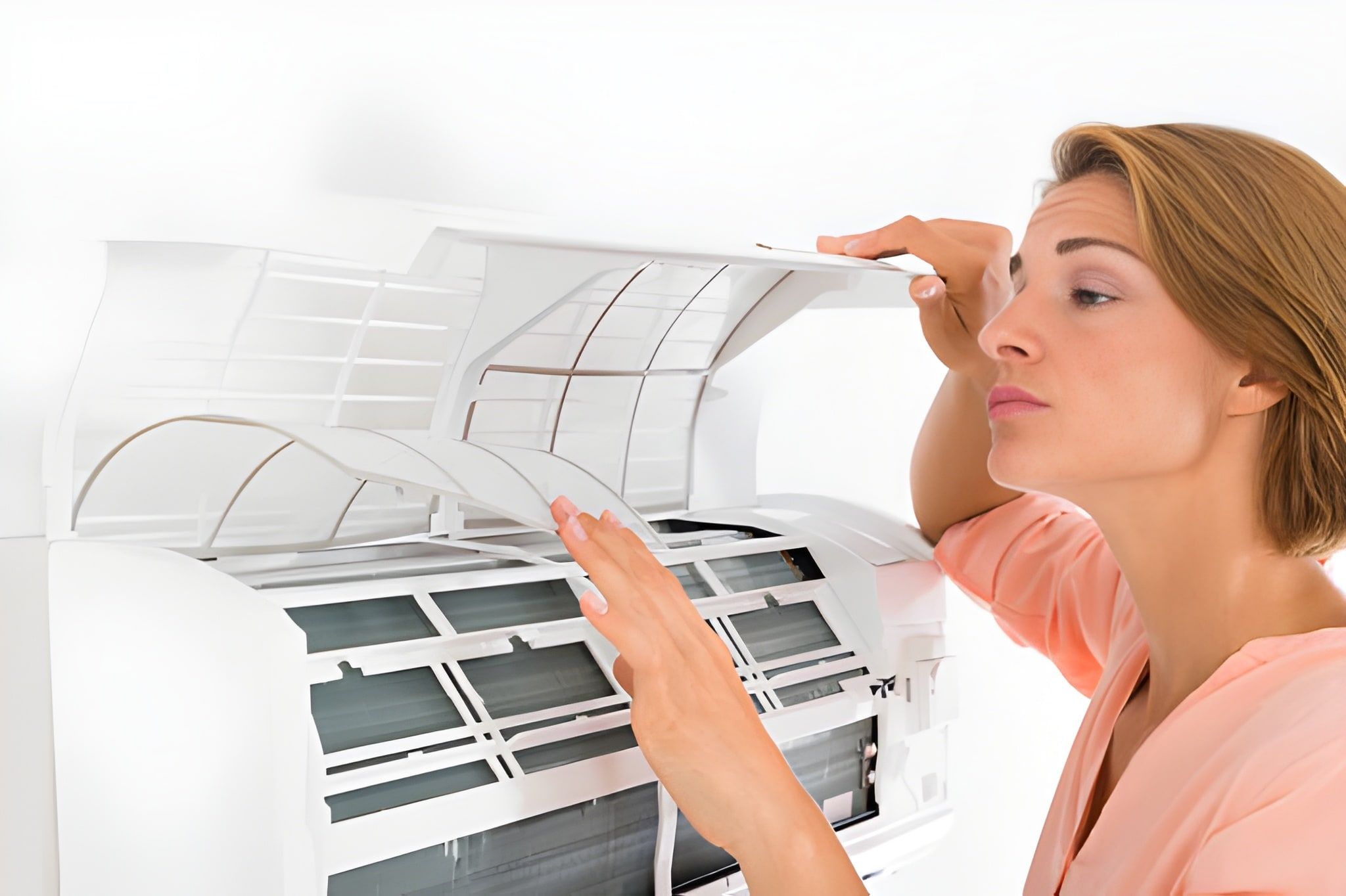
Whether you're upgrading an older home without ductwork, adding cooling to a room that's always uncomfortable, or replacing an inefficient system, a ductless mini-split installation addresses real problems that many homeowners face. We prioritize honesty and keeping our customers comfortable in an efficient manner, which is why we take the time to fully explain your options and the process before any work begins.
Why Ductless Systems Make Sense for Keizer Homes
The Willamette Valley experiences diverse weather conditions throughout the year - mild, wet winters and warm, dry summers create unique demands on your HVAC system. Ductless mini-splits handle these seasonal transitions remarkably well, providing both heating and cooling in a single, compact system. Unlike traditional central air systems that heat or cool your entire home, ductless systems let you control the temperature in individual zones, which is particularly valuable if you have rooms that are difficult to heat or cool with a standard setup.
Many Keizer homeowners choose ductless systems because they don't require extensive ductwork. If you have an older home with limited or no existing ductwork, a ductless installation eliminates the need for expensive and disruptive duct runs. Even homes with existing ducts benefit from ductless systems because they reduce energy loss - ducts can lose 15-30% of conditioned air through leaks and poor insulation, which means your system works harder to maintain comfort. With a ductless system, what you condition is exactly what you get, and your energy efficiency improves immediately.
The Ductless Installation Process: What to Expect
Understanding the complete ductless installation process helps you plan appropriately and know what to anticipate from start to finish. Stinson Mechanical follows a methodical approach that ensures your system is properly sized, professionally installed, and thoroughly tested before we consider the job complete.
Initial Site Assessment and Load Calculations
The first step in any ductless installation is a comprehensive site assessment. This is where we determine if a ductless system is truly the right solution for your home and which configuration will serve you best. Our experienced technicians evaluate your home's layout, insulation, window orientation, and current heating and cooling challenges.
During this assessment, we calculate your home's heating and cooling load - essentially, how much capacity your system needs to maintain comfort throughout Keizer's seasons. This calculation considers several factors:
- Square footage of the space being conditioned
- Insulation quality and age of your home
- Number and size of windows and their orientation
- Local climate data for the Keizer area
- Your specific comfort preferences and usage patterns
- Whether you're conditioning a single room or multiple zones
Load calculations are critical to system selection. An oversized system cycles on and off too frequently, reducing efficiency and causing wear. An undersized system struggles to reach your desired temperature, especially during peak heating or cooling demands. We use industry-standard calculations to ensure your ductless system is right-sized, which translates directly to better efficiency and more reliable comfort.
Single-Zone vs. Multi-Zone Systems
One of the key decisions in your ductless installation is whether you need a single-zone or multi-zone system. This depends entirely on your home's layout and how you use different areas.
A single-zone ductless system consists of one outdoor unit connected to one indoor wall-mounted or ceiling-recessed unit. This setup works well if you're cooling or heating one primary space - perhaps a bedroom addition, sunroom, or main living area. Single-zone systems are less expensive to install and easier to maintain, making them an excellent choice if your comfort needs are focused in one area.
Multi-zone systems connect one outdoor unit to two, three, or more indoor units throughout your home. This configuration lets you control the temperature in each zone independently. Some zones might be set to 72 degrees while others maintain 68 degrees, and you can shut off zones that aren't in use, further improving efficiency. Multi-zone systems are ideal for:
- Open floor plan homes where you want room-by-room control
- Homes with significant temperature variations between areas
- Situations where some rooms need more heating or cooling than others
- Properties where you want to condition multiple living spaces
The beauty of a multi-zone ductless system is that you're not tied to one configuration forever. As your needs change, we can add additional indoor units to expand the system's reach. Many of our Keizer customers start with a single zone and later add a second unit to condition a different area of their home.
Selecting an Energy-Efficient Model
Energy efficiency is central to why we recommend ductless systems, and Stinson Mechanical focuses on helping you choose models that deliver real, measurable savings on your energy bills. Ductless mini-splits are inherently more efficient than many alternatives, but efficiency ratings vary significantly between models.
When we discuss ductless installation options, we pay close attention to the Seasonal Energy Efficiency Ratio (SEER) rating for cooling and the Heating Seasonal Performance Factor (HSPF) rating for heating. Higher numbers mean greater efficiency. Modern ductless systems typically range from SEER 16 to SEER 22 for cooling and HSPF 8 to HSPF 13 for heating. The difference between a lower-efficiency and higher-efficiency model might be 15-25% in annual operating costs - savings that add up significantly over the system's 15-20 year lifespan.
Your home's orientation, insulation level, and local climate also influence which efficiency level makes the most sense. A well-insulated Keizer home in a newer neighborhood might reach excellent comfort with a SEER 16 system, while an older home with single-pane windows benefits more from the investment in SEER 19-20 efficiency. We assess your specific situation and present honest recommendations about which efficiency tier delivers the best value for your investment.
Energy efficiency also connects directly to our commitment to helping you conform with Oregon's evolving energy codes. We stay current on efficiency standards and recommend systems that meet or exceed these requirements, protecting your investment and ensuring your home's HVAC performance aligns with current regulations.
Professional Installation: Mounting, Refrigerant Lines, and Electrical Work
Once we've determined your system configuration and selected the right model, our installation process begins. This is where professional expertise makes an enormous difference in system performance and longevity.
Wall Mounting and Indoor Unit Placement
The indoor unit placement significantly affects both aesthetic appeal and system performance. Our technicians evaluate the best location based on airflow requirements, furniture placement, and how the system will look in your space. Indoor units are typically wall-mounted at a height that ensures proper air circulation - too low and air can be obstructed by furniture, too high and the system struggles to condition the lower portions of the room effectively.
We consider factors like accessibility for maintenance, distance from the outdoor unit, and aesthetic integration into your home's design. A poorly placed indoor unit might look intrusive and perform inefficiently, while an expertly positioned unit blends seamlessly into your space while delivering optimal comfort.
Refrigerant Line Installation
The refrigerant lines connecting your indoor and outdoor units must be installed with precision. These lines carry the refrigerant that absorbs and releases heat, making them essential to your system's operation. Our technicians:
- Run refrigerant lines through exterior walls or along the home's exterior in protective conduit
- Insulate lines to minimize heat loss during winter heating and heat gain during summer cooling
- Ensure proper slope and support to facilitate refrigerant flow
- Test lines for leaks using specialized equipment
- Achieve proper line sizing to maximize heat transfer efficiency
In Keizer homes, we frequently run lines through exterior walls or underneath siding to maintain the neat appearance homeowners prefer. The work is precise - poorly installed lines can result in refrigerant leaks, reduced efficiency, and eventual system failure. Stinson Mechanical installs every line connection with the care and attention it deserves, knowing that refrigerant integrity determines whether your system performs reliably for years to come.
Electrical Work and Permitting
Ductless installation includes electrical work that must meet code requirements. This includes:
- Proper circuit sizing based on your system's electrical demand
- Dedicated breakers for indoor and outdoor units
- Appropriate wire gauge and conduit installation
- Grounding and bonding according to local electrical codes
- Safety disconnect switches for maintenance access
Oregon's electrical codes are strict about HVAC installations, and Keizer permits these systems to ensure public safety. Rather than viewing permits as an inconvenience, we recognize them as essential protections. Permitted installations ensure that electrical work meets safety standards, your home's insurance is valid for HVAC-related claims, and future home sales or refinancing won't be complicated by unpermitted HVAC work.
We handle the permitting process for you. This includes submitting detailed plans to Keizer's building department, scheduling inspections at the appropriate stages, and ensuring all electrical work receives final approval before we activate your system. The permitting process typically adds 1-2 weeks to the installation timeline but is absolutely necessary and, frankly, the only way to do the job properly.
Timeline and Installation Duration
Homeowners in Keizer naturally want to know how long a ductless installation will take and how much disruption to expect. The timeline varies based on system complexity and whether existing ductwork modifications are needed, but here's what a typical installation looks like:
- Pre-installation: 1-2 weeks for assessment, design, permitting, and equipment ordering
- Installation day: 6-10 hours for a single-zone system, 10-16 hours for multi-zone systems
- Post-installation inspection: 2-5 days after installation for city permit inspection
- Total timeline: 2-4 weeks from initial consultation to system activation
During installation, you'll notice some activity - we're drilling through exterior walls, running lines, and installing the outdoor unit. The actual noise is minimal during most of the process, though you may hear power tools during wall penetrations. We always protect your home's interior and exterior during the work, laying down floor coverings, managing dust, and cleaning up thoroughly at the end of each day.
Once installation is complete and permits are approved, your ductless system is ready to deliver years of reliable comfort. Unlike some HVAC projects that require extensive drying time or curing periods, your new system can be operated immediately after final testing and inspection.
Warranty and Financing Options
We understand that a ductless installation represents a significant investment in your home's comfort and efficiency. This is why Stinson Mechanical emphasizes transparent information about warranties and makes financing accessible for qualified customers.
Most quality ductless systems include manufacturer warranties covering equipment defects, typically 5-10 years on components and 10 years on the compressor. These warranties are valuable protections, but they matter far more when your installation is performed by experienced, qualified professionals. Poor installation can void warranties or simply mean your system doesn't perform as designed regardless of the warranty terms.
Our installation workmanship is backed by our reputation and years of service in the Willamette Valley. When Stinson Mechanical installs your ductless system, you're not just buying equipment - you're paying for our expertise, our attention to detail, and our commitment to getting everything right the first time.
For financing, we work with Synchrony to offer flexible payment options for qualified customers. Major HVAC installations often qualify for promotional financing terms, making it possible to spread the cost over time while you begin enjoying the efficiency savings your new ductless system delivers. Rather than deferring an upgrade that's costing you money in higher utility bills and reduced comfort, financing allows you to invest in your home's efficiency today and recover much of that investment through lower operating costs.
Post-Installation Testing and Homeowner Orientation
The moment your ductless system is installed and inspected doesn't mean our job is complete. We conduct thorough post-installation testing and take time to ensure you understand how your new system operates.
Our final testing includes:
- Checking refrigerant charge levels using specialized equipment
- Verifying airflow from all indoor units
- Testing both heating and cooling operation
- Confirming proper electrical connections and safety systems
- Reviewing system performance data and efficiency metrics
- Documenting everything for your warranty records
After testing confirms everything is operating correctly, we walk you through your system's operation. This includes:
- How to use the remote control or mobile app to adjust temperature and settings
- Understanding different operating modes - cooling, heating, and auto
- Setting temperature schedules or zones for efficient operation
- Basic maintenance tasks you can perform between professional servicing
- When to schedule routine maintenance visits
We provide you with all documentation - warranty information, system specifications, and maintenance records. This documentation is important for future service work and if you ever sell your home. Potential buyers increasingly recognize that a modern, efficient ductless system is a valuable home feature, and proper documentation protects that value.
Maintaining Your New Ductless System
Once your ductless installation is complete, maintaining your system ensures it continues delivering efficient, reliable comfort throughout its lifespan. Ductless systems are simpler than traditional central air systems - there's no ductwork to maintain - but they do require regular attention.
We recommend having your ductless system serviced twice a year, following the same schedule we suggest for all Willamette Valley HVAC systems. Spring and fall maintenance keeps your system ready for the season ahead and catches any developing issues before they become problems.
Routine maintenance includes:
- Cleaning or replacing indoor unit filters
- Inspecting outdoor unit for debris and damage
- Checking refrigerant levels and lines for leaks
- Testing electrical connections and safety systems
- Verifying heating and cooling capacity
- Confirming proper airflow and temperature control
Between professional maintenance visits, you can keep your system operating efficiently by occasionally cleaning the indoor unit's filter and ensuring outdoor units have clear space around them. These simple tasks take minutes but contribute meaningfully to consistent performance.
Why Choose Stinson Mechanical for Your Ductless Installation in Keizer
Ductless installation is a complex process that demands expertise, precision, and genuine commitment to doing the job right. At Stinson Mechanical, we bring over 25 years of HVAC experience to every project. We've installed ductless systems throughout the Willamette Valley and understand the specific challenges Keizer's climate creates for home comfort.
Our approach to ductless installation reflects our core priorities: honesty, keeping you comfortable in an efficient manner, and providing options that align with Oregon's energy codes. We don't pressure you into oversized systems or unnecessary complexity. Instead, we assess your home, explain your options clearly, and recommend the configuration and efficiency level that delivers the best value for your situation.
We handle every aspect of your ductless installation professionally - from initial load calculations through final testing and homeowner orientation. We manage the permitting process, ensuring your installation meets all code requirements and protecting your investment. We use quality equipment, take pride in our installation workmanship, and stand behind the systems we install.
When you're ready to explore whether a ductless installation makes sense for your Keizer home, contact Stinson Mechanical for an honest assessment and clear recommendations about your options.