.svg)
.svg)

Ductless mini split systems have become one of the most efficient and flexible heating and cooling solutions available today, especially for homeowners in Lebanon, OR who want reliable comfort without the expense and complexity of traditional ducted systems. Whether you're looking to add air conditioning to a room that never seems to stay comfortable, heat a space without a furnace, or replace an aging system entirely, ductless installation offers a practical path forward. At Stinson Mechanical, we specialize in designing and installing ductless systems that fit your home's unique layout and your family's comfort needs.
The decision to install a ductless system is an important one, and we understand that you likely have questions about how it works, what the process involves, and whether it's the right choice for your Lebanon home. This guide walks you through everything you need to know about ductless installation, from the initial consultation through system startup and beyond.
Why Ductless Systems Make Sense for Lebanon Homes
Lebanon's climate demands flexible heating and cooling solutions. The Willamette Valley experiences cold, wet winters and warm summers, which means your HVAC system works year-round. Traditional central air systems require extensive ductwork installation, which can be disruptive, expensive, and sometimes impractical in older homes or spaces like additions and basements where ducts are difficult to run.
Ductless mini split systems eliminate this problem entirely. They consist of an outdoor compressor unit connected to one or more indoor air-handling units via small refrigerant lines - no extensive ductwork required. This design offers several practical advantages. First, you avoid the significant cost and disruption of installing ductwork throughout your home. Second, ductless systems deliver conditioned air directly where you need it, reducing the energy losses that occur when air travels through ducts. Third, you gain zone control, meaning you can heat or cool individual rooms independently rather than conditioning your entire home to the same temperature. For many Lebanon homeowners, these benefits translate directly into lower energy bills and more consistent comfort.
The Ductless Installation Process: What to Expect
Understanding the installation process helps you prepare for the work and know what happens at each stage. Here's how Stinson Mechanical approaches ductless installation from start to finish.
Initial Consultation and Load Calculation
Your ductless installation begins with a thorough on-site consultation. One of our experienced technicians visits your Lebanon home to assess your heating and cooling needs, evaluate your space, and discuss your comfort goals. This isn't a quick walk-through - we take time to understand how you use each room, whether certain areas feel uncomfortable, and what your priorities are for energy efficiency and comfort.
During this consultation, we perform a load calculation, which is a detailed assessment of how much heating and cooling capacity your home actually needs. We evaluate factors including:
- The size and layout of the rooms you want to condition
- Your home's insulation quality and air sealing
- Window size, orientation, and type
- Local climate data for Lebanon and the Willamette Valley
- Your home's sun exposure and shading patterns
- The number of occupants and their typical usage patterns
Many homeowners assume they simply need a larger system to stay comfortable, but that's not how efficiency works. An oversized ductless system cycles on and off frequently, wasting energy and failing to dehumidify properly during cooling season. An undersized system runs constantly without reaching your desired temperature. Our load calculation ensures your system is sized correctly - large enough to handle Lebanon's temperature extremes, but not so large that it wastes energy. This precision is one reason ductless systems consistently outperform other options for efficiency and comfort.
System Sizing and Zone Configuration
Based on our load calculation, we recommend the right capacity system for your needs. Ductless systems are measured in BTU output, typically ranging from 9,000 to 36,000 BTU for residential applications. For most homes in Lebanon, we size systems in the 12,000 to 24,000 BTU range, though larger homes or multi-zone setups may need more capacity.
At this stage, you'll also decide on your zone configuration - how many indoor units you want and where they'll be located. Here's what you should understand about these options:
Single-Zone Systems
A single-zone ductless system has one indoor unit serving one room or open area. This configuration works well for:
- Additions or remodels where you want to add air conditioning to a specific space
- Bedrooms or home offices where you need independent temperature control
- Basements or garages you want to heat or cool without conditioning the whole house
- Renters or temporary situations where minimal installation is needed
Single-zone systems are the most affordable option and install quickly, typically in a single day. They're also the most energy-efficient choice if you only need to condition one space, since you're not running capacity you don't need.
Multi-Zone Systems
Multi-zone ductless systems connect two to five indoor units to a single outdoor compressor, allowing you to heat or cool multiple rooms independently. This setup works well for:
- Whole-home heating and cooling where a traditional furnace or central air system isn't practical
- Homes where different family members prefer different temperatures
- Open-concept layouts where you want to condition separate areas differently
- Homes with poor or non-existent ductwork where installing ducts would be prohibitively expensive
Multi-zone systems cost more upfront than single-zone, but they often deliver better overall value for whole-home comfort because you avoid the expense of installing a furnace and ductwork. You also gain flexibility - if you add a room or change how you use your home, you can upgrade to additional zones without replacing the entire system.
The specific configuration we recommend depends on your home's layout, your comfort priorities, and your long-term plans. Our technicians discuss these tradeoffs honestly, helping you make the choice that makes sense for your situation.
Indoor Unit Selection and Placement
Once you've decided on your zone configuration, the next step is selecting and positioning your indoor air-handling units. Ductless indoor units come in several styles, each with different aesthetic and functional characteristics.
Wall-Mounted Units
Wall-mounted units are the most common choice and typically the most affordable. They mount high on a wall (usually 6-8 feet above the floor) and deliver air across the room from that location. Modern wall-mounted units have become much more attractive than earlier models, with slim profiles and available colors that blend into most décor. They're efficient, quiet, and install straightforwardly.
Cassette Units
Cassette units mount flush into your ceiling, recessing completely so they're nearly invisible. They deliver air from the ceiling in multiple directions, which can be ideal for large open spaces or where you don't want a visible wall unit. Cassette installation requires ceiling space and more complex ductwork connections, making them more expensive and intrusive to install, but they're worth considering if aesthetics are a priority.
Floor-Standing Units
Floor-standing units sit on the floor along a wall, similar to a baseboard heater. They're less common in modern installations but work well in certain spaces like basements or garages where wall mounting isn't practical and you don't have ceiling space.
Compact Duct Units
Some ductless systems use compact ductwork to distribute conditioned air across a room from a central location. This approach is less common but can be useful in large spaces or where you want minimal visible indoor units.
The placement of your indoor unit significantly affects comfort, efficiency, and aesthetics. We position units to:
- Ensure air distributes evenly across the room without creating drafts or dead spots
- Maximize efficiency by allowing proper refrigerant line routing
- Minimize visibility from the main view of the room
- Account for furniture placement and typical occupancy patterns
- Meet electrical code requirements
This conversation is collaborative - we show you options, discuss tradeoffs, and help you find the placement that works best for your home and preferences.
Refrigerant Line Installation and Routing
Once indoor unit locations are finalized, our technicians run refrigerant lines from the outdoor compressor to each indoor unit. These copper lines are far smaller than ductwork - typically just 1/4 inch and 3/8 inch in diameter - which is one reason ductless installation is so much less disruptive than traditional systems.
Line routing is planned carefully to:
- Keep runs as short and direct as possible (longer line sets reduce efficiency)
- Follow existing wall cavities, closets, or crawl spaces where feasible
- Minimize disruption to your home's structure and aesthetics
- Allow for proper line insulation and protection
- Meet code requirements for support and clearance
In most cases, lines run through a small hole (about 1.5 inches diameter) through an exterior wall, then along the outside of your home to the outdoor compressor location. In some situations, lines run through interior walls or across attics to reach the outdoor unit. Our technicians evaluate your specific home and recommend the routing that minimizes disruption while maintaining efficiency.
All refrigerant lines must be insulated with foam wrap to prevent condensation and heat loss. This insulation is then protected with a covering that weathers well and looks neat. The goal is installation that's both functional and aesthetically acceptable.
Electrical Work and Power Requirements
Your new ductless system needs dedicated electrical service. The outdoor compressor requires a 240-volt circuit, which is the same voltage your air conditioning or electric heater uses. The indoor units operate on standard 120-volt household current for controls and fans.
Our electrical work includes:
- Running new circuits from your electrical panel to outdoor and indoor units
- Installing properly rated disconnect switches near each unit for safety and maintenance
- Using correctly gauged wire sized for the system's electrical demand
- Installing outdoor weatherproof disconnect boxes and covers
- Ensuring all connections meet current electrical code
If your home's electrical panel is full or your service is limited, you may need a service upgrade to accommodate the new circuits. Our initial assessment identifies any electrical work needed and discusses this with you before installation begins. In Lebanon homes, electrical work typically adds 1-2 days to the installation timeline.
Refrigerant Handling, Charging, and Leak Testing
Once the physical installation is complete - refrigerant lines are in place, electrical connections are made, and indoor and outdoor units are secured - we move to the final critical steps: charging the system with refrigerant and testing for leaks.
Refrigerant handling is regulated work that only EPA-certified technicians can perform. Our technicians have the proper certifications and follow strict protocols because refrigerant leaks harm the environment and destroy your system's ability to heat or cool.
Here's what happens during this stage:
First, we evacuate all air and moisture from the refrigerant lines using a vacuum pump. This process, called evacuation, removes any moisture that could freeze at expansion points or damage compressor oil. Skipping this step or rushing through it is a common shortcut that leads to system failures - we don't do that.
Next, we charge the system with the correct amount of refrigerant. The amount depends on your specific system and the length of your refrigerant lines - longer lines require slightly more refrigerant to fill the additional volume. Using the wrong charge amount reduces efficiency and can damage the compressor.
Finally, we test all connections for leaks using electronic leak detection equipment. We pressurize the system slightly and scan every connection point, every valve, and every fitting. Modern leak detection finds even tiny leaks that would otherwise cause gradual refrigerant loss over months or years. If we detect any leaks, we repair them before the system goes into service.
Only after passing all these tests - evacuation, proper charge, and leak-free connections - is your system ready to run.
Permits and Code Compliance
Your ductless installation must comply with Oregon's building code and Linn County regulations. Depending on your specific situation, permits may be required for electrical work, refrigerant handling, or the installation itself.
Stinson Mechanical handles permitting as part of your installation. We:
- Determine which permits your project requires
- Prepare permit applications with all required information
- Coordinate any required inspections with the local building department
- Ensure all work meets current code requirements
Code requirements cover electrical safety, refrigerant handling, support and clearance requirements for outdoor units, and protection of refrigerant lines. These requirements exist because they protect your home's safety and ensure your system operates properly. Lebanon's building department is straightforward to work with, and most residential ductless installations move through permitting without complications.
Timeline and Disruption Expectations
Most ductless installations in Lebanon homes take 2-3 days from start to finish, though simpler single-zone systems may complete in a single day. Here's a typical timeline:
Day 1 - Rough Installation
Your technician begins with line routing and electrical rough-in. This involves cutting that small wall hole for line passage, running refrigerant lines and electrical conduit, and securing everything according to code. Expect some drilling and cutting, which creates dust and noise. We work to minimize disruption, but if you have young children or pets, you may want to stay elsewhere or plan activities outside the home during this day.
Day 2 - Unit Mounting and Final Connections
Indoor and outdoor units are mounted, refrigerant lines are connected, electrical circuits are completed, and we begin the charging and testing process. This day is quieter but involves electrical testing and system startup procedures.
Day 3 - Final Testing and Startup
We complete final vacuum and charging procedures, conduct leak testing, install all protective covers, clean up our work area, and bring the system online. Once everything tests correctly, we show you how to operate your new system, discuss maintenance, and answer any final questions.
Some projects complete faster if circumstances are straightforward. Some take slightly longer if unexpected issues arise - for example, if we find that an exterior wall has limited cavity space for line routing, or if your electrical panel needs upgrading. Our initial assessment helps us predict the most likely timeline for your specific home.
Throughout installation, we respect your space, protect your home from damage, and clean up thoroughly at the end of each day.
Warranty and Long-Term Maintenance
Your new ductless system comes with manufacturer warranties that typically cover the compressor for 5-10 years and components for 2-5 years, depending on the equipment selected. Stinson Mechanical also provides a workmanship warranty on our installation work. We discuss the specific terms of all warranties before installation and provide documentation for your records.
Beyond the warranty period, proper maintenance keeps your system running efficiently and extends its lifespan. Here's what ongoing maintenance involves:
Regular Filter Cleaning
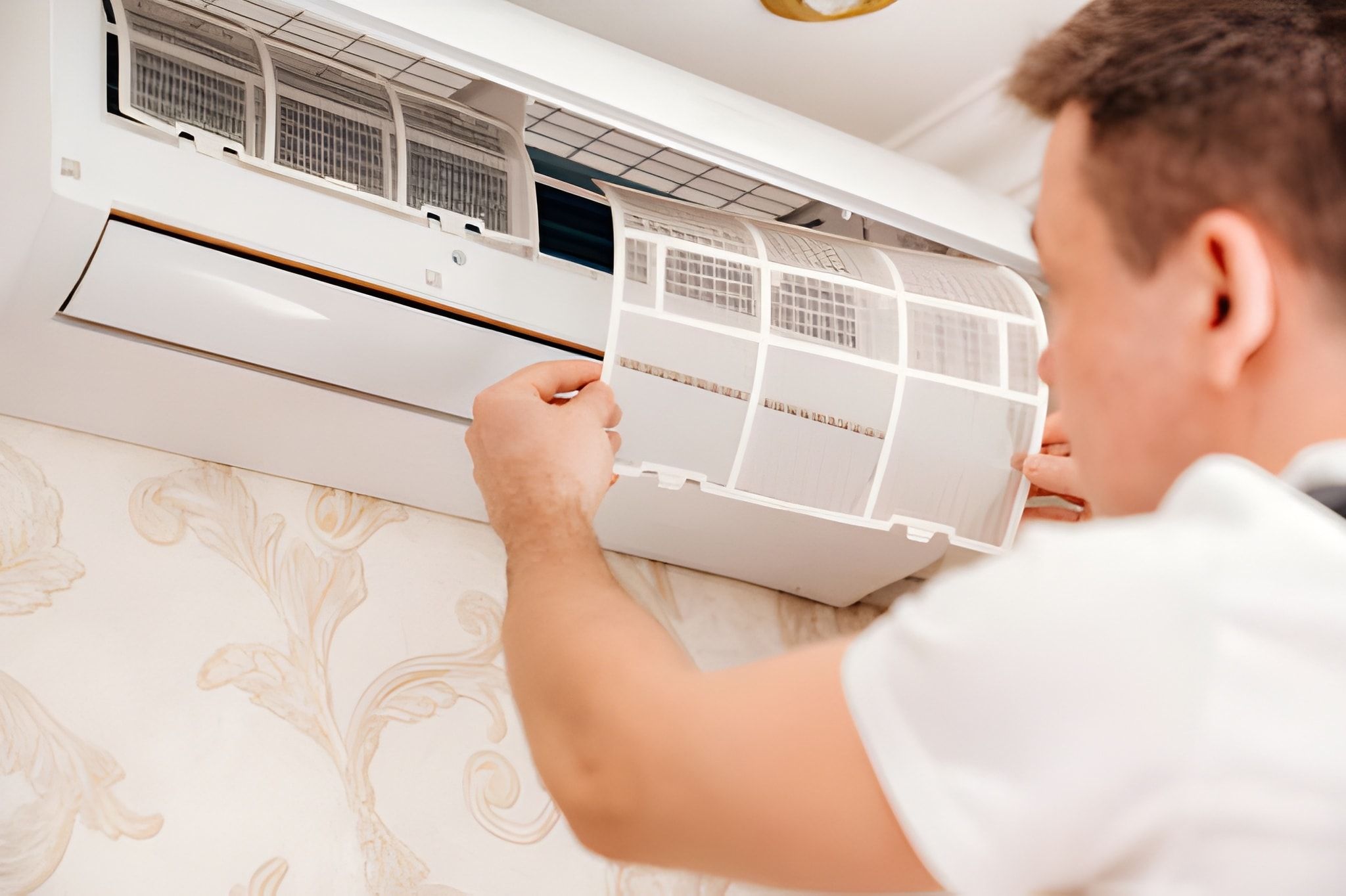
Indoor unit filters should be cleaned or replaced every 1-2 months during heating or cooling season. Dirty filters reduce efficiency and air quality. Many homeowners set a phone reminder to check their filters monthly - it's quick work that pays dividends in efficiency and comfort.
Professional Maintenance Twice Yearly
We recommend professional HVAC maintenance in spring (before cooling season) and fall (before heating season). This is the same maintenance schedule we recommend for all systems because the Willamette Valley's diverse weather means your system works year-round.
During maintenance visits, our technicians:
- Clean indoor unit filters and check for debris
- Inspect outdoor unit coils and clean them if needed
- Check all electrical connections for proper voltage and current draw
- Test refrigerant charge and look for any signs of leaks
- Verify that both heating and cooling cycles operate correctly
- Listen for unusual noises that might indicate developing problems
Maintenance catches small issues before they become expensive repairs. A refrigerant leak detected during routine maintenance might cost $300-500 to fix. The same leak found after your system fails completely could cost $1,500-2,000 in emergency repair fees plus lost comfort.
Seasonal Operation Tips
When heating season arrives, we advise setting your ductless system to heat mode and allowing it to maintain your home rather than relying solely on backup heating. Modern ductless heat pumps operate efficiently down to surprisingly low temperatures - many units work well at 20 degrees or colder. Using your heat pump as your primary heat source saves considerably compared to using electric resistance heat or natural gas as a backup.
Similarly, in cooling season, setting your ductless system to cool mode and allowing it to maintain comfortable humidity prevents moisture-related issues and keeps your home's air quality higher.
Financing Your Ductless Installation
Ductless installation represents a meaningful investment in your home's comfort and efficiency. To make this investment manageable, Stinson Mechanical offers flexible financing through Synchrony. This allows you to spread your system cost over a period that fits your budget, with promotional financing options that may be available depending on current offers.
During your initial consultation, we provide an accurate estimate for your specific installation, including all equipment, labor, permits, and electrical work. We then discuss financing options and help you understand what different payment terms would look like. Many homeowners find that monthly financing payments are significantly lower than the energy savings they gain from installing an efficient ductless system.
Energy Efficiency and Long-Term Savings
The primary reason homeowners choose ductless systems is energy efficiency. Ductless mini splits typically achieve 25-30% better efficiency than traditional central air systems, translating directly to lower utility bills.
Here's why ductless systems are so efficient:
No Duct Losses
Traditional central air systems lose 15-30% of conditioned air through duct leaks, poor connections, and the thermal losses that occur as air travels through ductwork. Ductless systems eliminate this loss entirely because they deliver air directly into the room where you need it.
Zone Control
With a ductless system, you condition only the spaces you're using rather than heating or cooling your entire home to the same temperature. If you sleep in one bedroom and spend evenings in a living room, you run units in those two spaces rather than conditioning bedrooms and bathrooms you're not using. This targeted approach dramatically reduces energy consumption.
Inverter Compressors
Modern ductless systems use inverter compressors that vary their speed based on demand. Rather than running at full capacity then shutting off (like traditional systems), they run continuously at whatever level is needed to maintain your desired temperature. This reduces the energy waste that occurs during system startup and provides more stable comfort.
Thermostatic Expansion Valves
Ductless systems use precision refrigerant control that maximizes heat transfer efficiency. Your system extracts more heating or cooling from each unit of electricity consumed.
In practice, these efficiency advantages translate to measurable savings. A typical Lebanon family installing a ductless system alongside existing heating usually sees 20-35% reduction in cooling season utility costs. If the ductless system replaces an aging furnace, savings are even higher - potentially 30-50% compared to the previous year's energy costs.
Beyond monthly savings, efficient operation also extends your system's lifespan because the compressor isn't stressed from oversizing or frequent cycling. Many homeowners find their ductless systems running efficiently for 15-20 years or longer with proper maintenance.
Why Choose Stinson Mechanical for Your Ductless Installation
Installing a ductless system correctly requires expertise across HVAC design, electrical work, refrigerant handling, and building code compliance. Our technicians bring over 25 years of combined HVAC experience to every installation.
Here's what sets our approach apart:
We prioritize honesty in every conversation. From initial consultation through final startup, we explain what's needed and why. We don't upsell systems larger than your home requires, and we don't recommend unnecessary upgrades. You get the system that actually fits your needs and budget.
We emphasize efficiency because efficiency is how you save money long-term. Oversized systems and poor installation defeat the purpose of choosing a ductless system. We size your system correctly and install it properly, so you actually achieve the efficiency and savings you expect.
We handle complete installation in-house. We don't subcontract electrical work or refrigerant charging - our team manages every aspect of your project. This coordination ensures quality work and clear communication from start to finish.
We're available for service when you need it. Our stocked parts and equipment mean we can address problems quickly rather than leaving you waiting for parts to arrive. For Lebanon homeowners, this means comfortable homes and responsive support.
Your ductless installation is a long-term investment in your home's comfort. Choosing the right contractor matters as much as choosing the right system. Stinson Mechanical brings local expertise, honest guidance, and genuine commitment to keeping your home comfortable year-round.