.svg)
.svg)

Ductless mini-split systems have become one of the most efficient and flexible heating and cooling solutions for homes and businesses throughout the Willamette Valley. If you're considering a ductless installation in Mill City, OR, understanding the complete process - from initial assessment through final commissioning - helps you make an informed decision about this technology. Stinson Mechanical specializes in professional ductless system installations that maximize comfort and energy efficiency for your specific space.
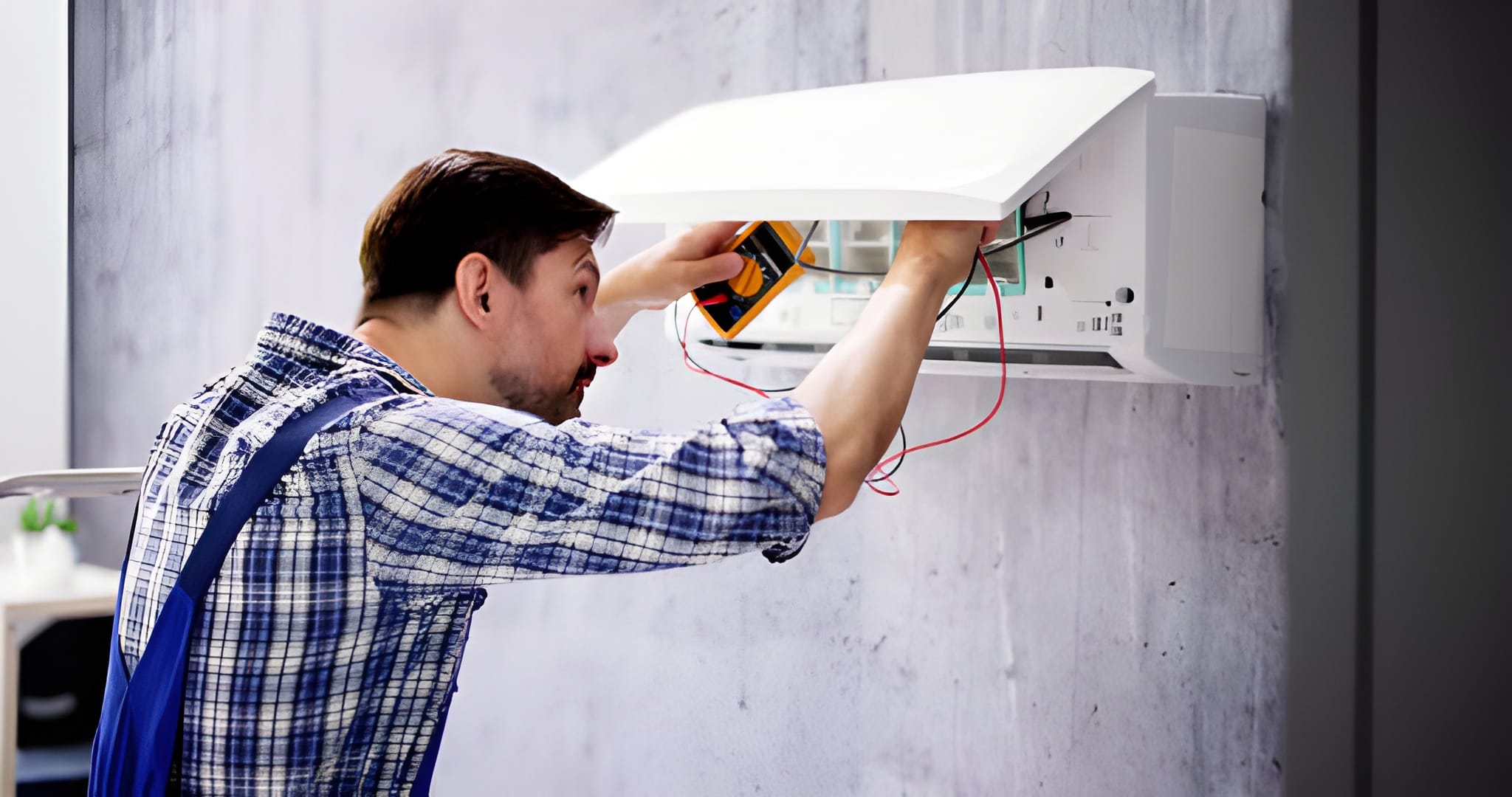
Whether you're upgrading an older home without existing ductwork, adding cooling to a previously unair-conditioned area, or replacing an aging system, a ductless mini-split offers flexibility and performance that traditional central systems sometimes can't match. The installation process is more involved than many homeowners realize, and working with experienced technicians ensures your system operates at peak efficiency from day one.
Why Ductless Systems Matter in Mill City
The Willamette Valley experiences diverse weather conditions throughout the year. Mill City residents deal with cold, wet winters and warm summers - conditions that demand reliable heating and cooling. Traditional ducted systems can lose efficiency through ductwork leaks, and not all homes have the space or structure to accommodate extensive ductwork. Ductless systems eliminate these challenges entirely.
These systems consist of an outdoor compressor unit connected to one or more indoor air-handling units mounted on walls, ceilings, or in other creative locations. Because they operate without ducts, installation is cleaner, faster, and often less disruptive than traditional HVAC upgrades. More importantly, they deliver exceptional energy efficiency - typically 15-30% more efficient than window units or space heaters, which means lower energy bills for you.
The Initial Site Assessment and Load Calculation
Every professional ductless installation begins with a thorough site assessment. This step determines whether a ductless system is right for your space and ensures you get the correctly sized equipment for optimal performance.
During your assessment, our technicians at Stinson Mechanical evaluate several key factors:
- Room dimensions and layout - We measure the square footage and consider how the space is used. A home office has different heating and cooling needs than a bedroom or living room.
- Insulation quality - Older homes in Mill City with minimal insulation require more powerful systems than well-insulated newer construction.
- Window orientation and sun exposure - South-facing windows admit significantly more heat in summer, affecting cooling capacity requirements.
- Heat sources and occupancy patterns - Kitchen appliances, computers, and the number of people typically in the space all influence load calculations.
- Local climate considerations - Our experience serving the Willamette Valley means we understand how Mill City's specific weather patterns affect heating and cooling demands across seasons.
- Existing system performance - If you're replacing an older unit, we assess what worked well and what didn't in your previous setup.
A professional load calculation uses industry-standard methods to determine the precise capacity your system needs, measured in BTUs (British Thermal Units). Undersizing leads to inadequate comfort; oversizing wastes energy and money. This calculation is crucial for your system's efficiency and longevity.
Selecting the Right Indoor and Outdoor Units
Once we've completed your load calculation, selecting appropriate equipment becomes straightforward. The outdoor unit - called the condenser - houses the compressor and handles the thermodynamic work of heating or cooling. The indoor units, called air handlers, deliver conditioned air directly to your space.
Ductless systems offer flexibility in how many indoor units you install. A single indoor unit might serve an open-concept living area, while a larger home might benefit from two or three units in different zones. Each zone operates independently, letting you heat one area while cooling another, or adjusting temperatures room-by-room according to preferences and occupancy.
Unit selection considers:
- Capacity matching - Your load calculation determines the total BTU capacity needed. Units are selected to provide that capacity efficiently.
- Space constraints - Wall space, ceiling height, and aesthetic preferences influence where units mount and which models work best for your installation.
- Noise considerations - Modern ductless units run quietly, but we discuss sound levels if you're installing units near bedrooms or quiet workspaces.
- Control features - Basic models offer simple on-off functionality; premium units include smart thermostats, programmable schedules, and smartphone controls.
- Energy efficiency ratings - SEER ratings (for cooling) and HSPF ratings (for heating) tell you how efficiently equipment operates. Higher ratings mean lower operating costs over time.
Your technicians explain the pros and cons of each option so you understand exactly what you're getting and why specific equipment suits your Mill City home or business.
Placement Strategy and Line-Set Routing
Where you place your indoor and outdoor units significantly impacts system performance, efficiency, and your satisfaction with the installation.
For indoor units, ideal placement includes:
- Central locations - Positioning wall-mounted units where airflow reaches the entire room without obstacles like furniture or curtains blocking air distribution.
- Away from direct sunlight - Units exposed to afternoon sun in summer work harder to maintain setpoint temperatures, reducing efficiency.
- Accessible for maintenance - Filters need regular cleaning, so your units should be positioned where you can easily access them.
- Aesthetically acceptable - Since they're visible on your walls, we discuss placement options that blend with your decor and home design.
- Away from sensitive equipment - We avoid mounting units near thermostats, televisions, or computers that might interfere with temperature sensing or get damaged by condensation.
The outdoor condenser placement balances several considerations:
- Level, stable ground - The unit must rest securely on a level pad or mounting bracket to prevent vibration and ensure proper drainage of condensate water.
- Adequate clearance - Outdoor units need airflow around them for efficient operation. We maintain recommended clearances from walls, fences, and obstructions.
- Protection from elements - While outdoor units withstand weather, we position them to minimize exposure to direct wind, hail, or other harsh conditions when possible.
- Noise considerations - If your outdoor unit will be near a neighbor's bedroom or window, we position it to minimize sound transmission.
- Accessible for service - Our technicians need convenient access for maintenance, refrigerant checks, and potential repairs.
The line-set - copper tubing carrying refrigerant between indoor and outdoor units - requires careful routing. We typically run lines along the exterior of your building, carefully insulated and protected from physical damage. In some cases, we route lines through walls or other concealed paths if that better suits your home's structure and appearance. Proper insulation of these lines is critical; uninsulated refrigerant lines lose efficiency and can cause condensation issues.
Electrical and Refrigerant Work
Ductless installation involves specialized technical work that must meet Oregon's electrical and mechanical codes. This is where experience and proper licensing matter tremendously.
Electrical requirements include:
- Dedicated circuit installation - Your outdoor unit requires a dedicated electrical circuit from your main panel. We assess your panel capacity and run appropriate gauge wiring based on unit specifications.
- Disconnect switches - Code requires proper disconnect switches for safety during maintenance or emergencies.
- Voltage verification - Some ductless units require 208/230-volt service rather than standard 120-volt household power. We verify your home's capability and make upgrades if needed.
- Proper grounding - All electrical work follows current code to protect your system and your family.
Refrigerant handling demands EPA certification and specialized training. Stinson Mechanical's technicians properly:
- Evacuate existing refrigerant - If replacing an older system, refrigerant must be recovered and recycled according to EPA regulations; it cannot be vented to the atmosphere.
- Pressure test the system - We verify the line-set and connections hold proper pressure before introducing refrigerant.
- Charge the system - Adding refrigerant requires precision. Undercharging reduces efficiency; overcharging damages the compressor. Our technicians use proper weighing and pressure-measuring techniques.
- Test for leaks - We verify no refrigerant escapes from connections using electronic leak detection equipment.
This technical work is not DIY-friendly and shouldn't be attempted by unlicensed individuals. The combination of electrical hazards, refrigerant safety regulations, and system performance consequences makes professional installation essential.
Permit Requirements for Mill City Installations
Oregon requires permits for HVAC installations in most jurisdictions, including Mill City. Stinson Mechanical handles the permitting process as part of our complete service.
Typical permit requirements include:
- Mechanical permit - Required for the HVAC system installation itself. This involves submitting specifications, system capacity information, and installation plans.
- Electrical permit - Your dedicated circuit installation requires electrical permitting to ensure compliance with current electrical code.
- Line-set routing inspection - Some jurisdictions require inspection of how refrigerant lines are installed and protected.
- Final inspection - Once your system is complete, a building inspector verifies the installation meets all applicable codes before the system is placed into operation.
Our experience with Mill City and surrounding Willamette Valley jurisdictions means we understand local requirements and timelines. We coordinate with inspectors, ensure proper documentation, and help you navigate the process without delays or complications. Proper permitting also protects your home's resale value and ensures your system meets current energy codes - an important consideration as Oregon building standards continue to evolve.
Commissioning and Performance Testing
Installation completion isn't the final step - commissioning is. This process ensures your new ductless system operates correctly and efficiently from day one.
Our commissioning procedure includes:
- System startup verification - We power up the system and confirm both indoor and outdoor units cycle on and operate smoothly.
- Refrigerant pressure checks - We verify the system is properly charged by measuring suction and discharge pressures and comparing them against manufacturer specifications.
- Temperature rise and fall testing - We monitor how quickly the system reaches your setpoint temperature, ensuring performance matches expectations.
- Thermostat calibration - We verify your indoor unit's temperature sensor reads accurately and that your control system responds properly to temperature changes.
- Airflow verification - We confirm airflow feels adequate at your indoor unit and that air distribution reaches all areas of your space.
- Drainage test - If your installation includes condensate drainage, we run the system in cooling mode to verify water drains properly without leaks.
- Control system walkthrough - We show you exactly how to operate your system, adjust temperatures, set schedules, and access any smart controls or mobile apps if you've chosen equipment with those features.
- Documentation review - We provide warranty information, filter replacement schedules, and maintenance guidelines specific to your equipment.
Only after we've completed these tests and verified everything functions properly do we consider your installation truly complete. This attention to detail is why professional installation matters - a system installed correctly runs efficiently and reliably for years to come.
Warranty and Equipment Protection
Your new ductless system is a significant investment, and warranties protect that investment.
Manufacturers typically provide:
- Compressor warranty - Usually 5 to 10 years, depending on the equipment brand and model. The compressor is the most expensive component, so this warranty is valuable.
- Parts warranty - Generally 5 to 10 years covering the indoor and outdoor units and associated hardware.
- Labor warranty - Stinson Mechanical provides labor warranty on our installation work, typically extending 1 to 2 years depending on the circumstances.
Warranty coverage varies by equipment manufacturer and by whether you register your system within specified timeframes. We explain the exact coverage for your specific equipment and help ensure proper registration. Many manufacturers require proof of professional installation to honor warranties - another important reason to avoid DIY attempts or unlicensed contractors.
Beyond manufacturer warranties, proper maintenance extends your system's life and performance. We recommend twice-yearly servicing - a spring tune-up before cooling season and a fall tune-up before heating season. These routine services cost far less than emergency repairs and help prevent breakdowns during the weather extremes that Mill City residents know well.
Financing Options for Your Installation
Ductless system installation represents an investment in your comfort and energy efficiency. Stinson Mechanical makes this investment accessible through flexible financing options.
We work with Synchrony to offer promotional financing on major system purchases. This allows you to spread the cost over time while still benefiting immediately from energy savings your new efficient system provides. Many customers find that lower energy bills offset their monthly financing payments, making the upgrade feel more affordable.
Financing conversations are straightforward and transparent. We discuss available terms, help you understand monthly payments, and ensure you feel confident about your financial commitment. Our goal is making ductless installation a practical choice for Mill City homeowners who recognize the long-term value of efficient, reliable heating and cooling.
Energy Efficiency and Long-Term Comfort Benefits
Beyond installation logistics, understanding why ductless systems matter for your home's efficiency helps you appreciate your investment.
Ductless systems deliver energy savings through multiple mechanisms:
- Zone control - You heat or cool only the spaces you're actively using. This eliminates wasting energy on unoccupied rooms, a significant advantage in larger homes.
- Minimal distribution losses - Traditional ducted systems lose 15-30% of conditioned air through ductwork leaks and poor insulation. Ductless systems have no ducts, eliminating these losses entirely.
- High-efficiency operation - Modern ductless equipment operates with SEER ratings typically 20-26 or higher for cooling, compared to 13-16 for older central systems. For heating, HSPF ratings often exceed 10, compared to 7-8 for older heat pump systems.
- Precise temperature control - Each indoor unit maintains its own setpoint, and systems cycle more efficiently than traditional equipment, consuming less electricity while maintaining comfort.
- No air handler energy waste - Central systems run large blower motors continuously; ductless systems use smaller, more efficient motors in individual units.
In the Willamette Valley's cool climate with significant winter heating demand, the efficiency gains matter. Stinson Mechanical customers regularly report 20-30% reductions in energy consumption after upgrading to ductless systems, particularly when combining a ductless installation with our recommended twice-yearly maintenance program.
Beyond efficiency, ductless systems deliver comfort advantages:
- Individual room control - Family members with different temperature preferences can each have their ideal conditions without conflict or thermostat wars.
- Quiet operation - Modern units run quietly, between 22-32 decibels depending on the model - quieter than most conversations.
- Fast response - Ductless systems reach your setpoint temperature quickly without the lag time some customers experience with traditional systems.
- Improved air quality - Indoor units include multi-stage filtration, typically MERV-13 equivalent, removing dust, pollen, and other particles. This matters in the Willamette Valley during high pollen seasons.
- Flexible installation - Unlike central systems requiring extensive ductwork, ductless systems work in virtually any home layout, from older historic homes to modern open-concept designs.
For Mill City residents dealing with the region's temperature swings and varying seasonal demands, these benefits translate directly into daily comfort improvements and measurable utility bill reductions.
Why Professional Installation Matters
You might encounter companies promoting DIY ductless installation kits or less experienced installers offering lower prices. Understanding what you'd sacrifice helps clarify why Stinson Mechanical's professional approach delivers better results.
Professional installation ensures:
- Correct load calculations - Properly sized equipment operates efficiently and reliably. Undersized or oversized systems struggle and fail prematurely.
- Code compliance - Our installations meet Oregon's mechanical and electrical codes. Non-compliant installations can create safety hazards and cause problems when selling your home.
- Proper refrigerant handling - EPA regulations exist for environmental reasons. Improper handling damages the ozone layer and carries legal penalties.
- Skilled line-set routing - Proper insulation and protection of refrigerant lines is essential for efficiency and preventing moisture issues. Poor routing leads to efficiency loss and condensation problems.
- System commissioning - Professional verification ensures your system operates at design capacity from day one, not months later when you discover problems.
- Warranty protection - Most manufacturers void warranties if installation wasn't performed by licensed professionals. Your investment protection depends on professional work.
- Access to reliable service - After installation, you need ongoing support. Stinson Mechanical's emergency repair services ensure you have help when problems arise, especially important in Mill City's cold winters.
Our 25+ years of HVAC experience translates directly into quality ductless installations. We've seen what works, what fails, and how to avoid common mistakes. That expertise protects your investment and ensures years of reliable operation.
Getting Started with Your Ductless Installation
If you're ready to explore ductless mini-split installation for your Mill City home or business, Stinson Mechanical is ready to help. We start with a no-obligation assessment where our technicians evaluate your space, discuss your comfort goals, and explain exactly what a ductless installation involves for your specific situation.
During this assessment, we answer your questions, address any concerns, and help you understand whether ductless installation is the right choice for your needs. We explain the process step-by-step so there are no surprises, and we discuss financing options that make the investment accessible.
The installation timeline typically spans 1-3 days depending on your system complexity, line-set routing, and electrical requirements. We work efficiently to minimize disruption while maintaining the quality standards that keep Mill City customers comfortable year-round. Once complete, you'll have a reliable, efficient heating and cooling system designed specifically for your space and backed by manufacturer warranties and our professional service guarantee.
Ductless installation represents one of the most effective ways to improve home comfort and reduce energy consumption. Stinson Mechanical brings the expertise, honesty, and commitment to efficiency that Mill City residents deserve. When you're ready to learn more about ductless installation for your home or business, we're here to help make the process straightforward and the results exceptional.