.svg)
.svg)

Stayton's diverse climate demands heating and cooling solutions that work efficiently year-round, and ductless mini split systems have become one of the most popular choices for homeowners looking for flexibility, energy savings, and comfort. Whether you're upgrading an older home, adding climate control to a new addition, or replacing an inefficient central system, ductless installation represents a significant investment in your home's comfort and efficiency. At Stinson Mechanical, we've spent over 25 years helping Willamette Valley homeowners understand and install ductless systems that deliver consistent comfort without the energy waste of traditional ducted systems.
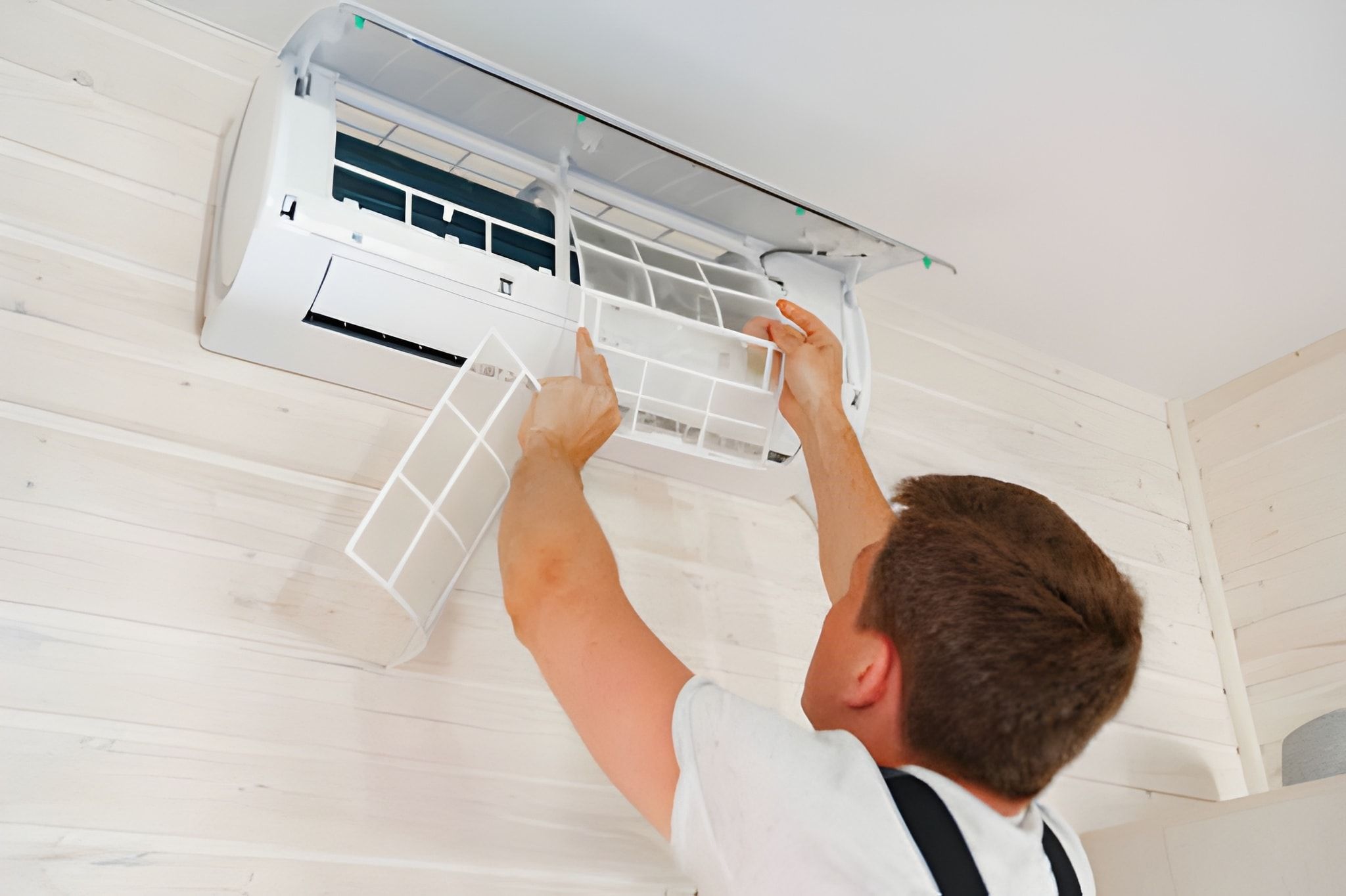
This page walks you through everything you need to know about ductless mini split installation in Stayton, from the initial assessment through your first day using the system. We'll cover what happens during the process, why each step matters, and how our approach keeps disruption minimal while ensuring your system operates at peak efficiency.
Why Ductless Systems Work Well for Stayton Homeowners
Stayton's weather patterns - cool, damp winters and warm, dry summers - make ductless systems particularly valuable. Unlike central air systems that cool or heat your entire home, ductless mini splits let you control temperature zone by zone. This means you're not heating rooms you're not using in winter or cooling the entire house when you only need comfort in one area. For many Stayton homeowners, this flexibility translates directly to lower energy bills and improved comfort.
Ductless systems also eliminate the efficiency losses that come with ductwork. Traditional ducted systems lose 20-30% of conditioned air through leaks, poor insulation, or incomplete connections. With a ductless system, the air you pay to heat or cool reaches exactly where you want it. Stinson Mechanical has helped dozens of local homeowners discover these energy savings firsthand, and the efficiency gains often pay back the installation investment within 5-7 years through lower utility costs.
The Ductless Installation Process: What to Expect
Installing a ductless mini split system involves several coordinated steps. Understanding this process helps you plan for timeline, prepare your home, and know what our technicians will be doing throughout the project.
Step 1: Initial Site Assessment and Load Calculation
The first step in ductless installation is a thorough site assessment. Our technicians visit your Stayton home to evaluate the space you want to condition. We look at window placement and size, insulation levels, ceiling height, wall construction, and sun exposure. This information is critical because it determines how much heating or cooling capacity you actually need.
Load calculation is a technical process that accounts for these factors plus local climate data for Stayton. We're calculating the British Thermal Units (BTUs) your space requires during the coldest winter days and the hottest summer days. Oversizing a system wastes money and energy; undersizing leaves you uncomfortable. Our assessment ensures we recommend equipment sized precisely for your needs.
This visit also lets us discuss your comfort goals and preferences. Do you want to heat and cool your entire home, or just specific zones? Are you looking to condition a bedroom suite separately, a bonus room, or a large open living area? These preferences guide our head unit selection and line-set routing in later steps.
Step 2: System Sizing and Head Unit Selection
Once we've completed the load calculation, we recommend a system size that matches your home's needs. Ductless systems come in various capacity ranges, from small single-zone units for a 300-square-foot bedroom to multi-zone systems handling 2,000+ square feet across multiple areas.
With the system size determined, the next decision is head unit placement. Ductless systems require interior wall-mounted units (the heads) that distribute conditioned air and return air for processing. You have options:
- Wall-mounted units: These are the most common choice, mounted 4-6 feet high on an interior wall. They blend into modern homes and operate quietly.
- Ceiling cassette units: If wall mounting isn't practical, ceiling-recessed cassettes distribute air from above. These work well in open layouts or commercial spaces.
- Floor-standing units: For flexibility or when wall and ceiling mounting won't work, floor units offer easy installation and repositioning.
Our team helps you choose placement that maximizes air distribution, maintains aesthetic appeal, and minimizes disruption to your home's layout. In Stayton homes, we often recommend placement in central living areas or primary bedrooms where homeowners spend the most time.
Step 3: Line-Set Routing and Placement Considerations
The refrigerant line-set connects the outdoor condenser unit to the indoor heads. This copper tubing carries refrigerant back and forth, enabling the heating and cooling cycle. Line-set routing is one of the most important aspects of installation because poor routing leads to efficiency loss, noise, and potential damage.
Our technicians plan line-set paths carefully. We identify the most direct route from outdoor unit to indoor head that avoids sharp bends, long runs, and exposure to UV sunlight. In Stayton homes, we typically route lines through exterior walls, under eaves, or through crawl spaces, depending on your home's construction.
The length and insulation of line-sets affect system efficiency. Longer runs require better insulation to maintain refrigerant temperature and reduce energy loss. We also consider how to conceal lines for a finished appearance - many Stayton homeowners appreciate professional line concealment within walls or trim, which protects tubing and improves home appearance.
Line-set routing also factors in electrical considerations. Refrigerant lines carry cold fluid and the surrounding air gets very cold during operation. We ensure routing keeps lines away from electrical wiring and components to prevent condensation damage.
Step 4: Electrical and Refrigerant Connections
Installing electrical connections is a critical safety step that must comply with local Stayton building codes. The outdoor condenser unit requires a dedicated electrical circuit, typically 240 volts for standard systems. Our technicians verify your home's electrical panel has capacity for this new load and install proper circuit breakers and wiring.
The indoor head units also require electrical connections for operation and control. We run control wiring from the condenser to each head, enabling communication between units and allowing your thermostat to command heating or cooling across all zones.
Refrigerant connections demand precision and expertise. Our technicians connect the line-sets to both the outdoor condenser and indoor head units using specialized fittings. These connections must be absolutely leak-free, as even tiny refrigerant leaks degrade system efficiency and eventually cause failure. We use nitrogen purging and vacuum testing to ensure connections are clean and tight before we charge the system with refrigerant.
Proper refrigerant charge is essential for efficient operation. Undercharged systems run inefficiently and may not reach desired temperatures; overcharged systems waste energy and can damage the compressor. We use calibrated equipment to charge your system to manufacturer specifications based on line-set length and indoor unit configuration.
Step 5: Permits and Code Compliance
Ductless installation in Stayton requires permits from local building authorities. Stinson Mechanical handles permit acquisition and ensures your installation meets all current energy codes and electrical standards. Oregon's energy codes evolve regularly, and we stay current on requirements for heating and cooling systems in your area.
Permit requirements typically include electrical inspection after we complete wiring, and a final inspection confirming the system operates correctly and meets code. These inspections protect you and your home, ensuring the installation is safe and efficient. We coordinate with inspectors to schedule these visits at appropriate points during installation, keeping your project on schedule.
Code compliance also includes proper refrigerant handling. EPA regulations govern refrigerant recovery, recycling, and disposal. Our certified technicians follow these requirements precisely, protecting the environment and ensuring regulatory compliance.
Expected Timeline and Home Disruption
Most ductless installations in Stayton homes take 1-2 days, depending on system complexity and head unit placement. A single-zone installation with simple line-set routing might be completed in a single day. Multi-zone systems or installations requiring wall penetration or creative line-set routing may extend to a second day.
During installation, you can expect some noise and activity. We'll be drilling holes for line-set passage, positioning equipment, making electrical connections, and testing systems. We work efficiently to minimize disruption and try to schedule installations during times that work best for your family schedule.
After the initial installation is complete, permits and inspection add 3-7 days before your system is fully operational. We coordinate with local inspectors to schedule these visits quickly. Once inspection passes, we perform final system testing and walk you through operation.
Most Stayton homeowners are very comfortable with this timeline. Because ductless installation doesn't require extensive ductwork, removal of old equipment, or major renovation, it's much less disruptive than upgrading a central air system.
Energy Efficiency and Cost-Savings Estimates
Ductless mini splits consistently deliver energy savings compared to older central systems or room air conditioners. Many Stayton homeowners replacing aging heating systems see utility bill reductions of 20-40%, especially when heating only zones they actively use during winter months.
The efficiency advantage comes from several factors. First, ductless systems avoid the 20-30% efficiency losses inherent in ducted systems. Second, variable-speed compressors in modern ductless units run at the minimum capacity needed to maintain your set temperature, using less energy than traditional systems that run at full capacity then shut off. Third, zone control means you're not conditioning unused spaces.
For example, a Stayton homeowner heating a 1,500-square-foot home with an aging furnace might spend $1,200-1,500 annually on heating. Installing a ductless system and heating only active living areas could reduce that cost to $720-900, paying back the installation within 5-7 years. After that payback period, the efficiency gains continue providing savings year after year.
We encourage homeowners to think about ductless installation as a long-term investment in home comfort and efficiency. While initial equipment cost is meaningful, the monthly energy savings, improved comfort, and extended equipment lifespan make ductless systems economically sound for most Stayton residences.
Warranty and Financing Options
Ductless equipment typically comes with manufacturer warranties covering parts and labor for 1-5 years, depending on the equipment chosen. Stinson Mechanical backs our installation work with service warranties ensuring all our connections, electrical work, and system setup function correctly.
We offer flexible financing through Synchrony, allowing you to spread the cost of ductless installation across several months or years. This makes upgrading to efficient ductless heating and cooling accessible even if you can't pay the full amount upfront. Promotional financing options are often available for larger installations, making the monthly cost very manageable for most budgets.
Post-Installation Testing and User Orientation
Before we leave your Stayton home, we perform comprehensive testing to confirm your ductless system operates correctly. We check heating and cooling capacity, verify proper refrigerant charge, test all electrical connections, and confirm the thermostat controls work smoothly.
We also spend time walking you through system operation. Our technicians show you how to adjust temperatures, switch between heating and cooling modes, use timer functions, and access any special features your system includes. We explain basic maintenance like filter cleaning and when professional servicing is recommended.
Most ductless systems are straightforward to operate once you understand the basics. We provide written materials covering your specific equipment, and you can always call Stinson Mechanical if questions come up after installation.
Ductless Systems as Part of Your Home's HVAC Strategy
Ductless installation often marks the beginning of improved home comfort and efficiency. Many Stayton homeowners add a ductless system as their primary heating and cooling solution, while others use ductless units to supplement existing systems or condition spaces not served by their central HVAC.
We recommend pairing ductless installation with twice-yearly maintenance - spring and fall servicing to ensure your system operates efficiently through the heating and cooling seasons. This maintenance keeps filters clean, verifies refrigerant charge, checks electrical connections, and catches any developing issues before they become problems.
Stinson Mechanical is here to guide you through every step of ductless installation in Stayton. Our technicians bring over 25 years of HVAC experience to your project, ensuring your system is properly sized, expertly installed, and thoroughly tested. We focus on honesty about your needs, keeping you comfortable in an efficient manner, and providing solutions that work with current energy codes and your budget.
Whether you're evaluating ductless installation or ready to move forward with a system, our initial site assessment gives you the information needed to make confident decisions about your home's heating and cooling.