.svg)
.svg)

Ductless mini-split systems have become one of the most popular heating and cooling solutions for homeowners throughout the Willamette Valley, and Silverton, OR is no exception. Whether you're looking to add comfort to a room without central ducts, upgrade an aging system, or improve your home's energy efficiency, a ductless heat pump offers flexibility and performance that traditional systems sometimes can't match. At Stinson Mechanical, we specialize in professional ductless installation that's done right - from the initial site assessment through final testing and training.
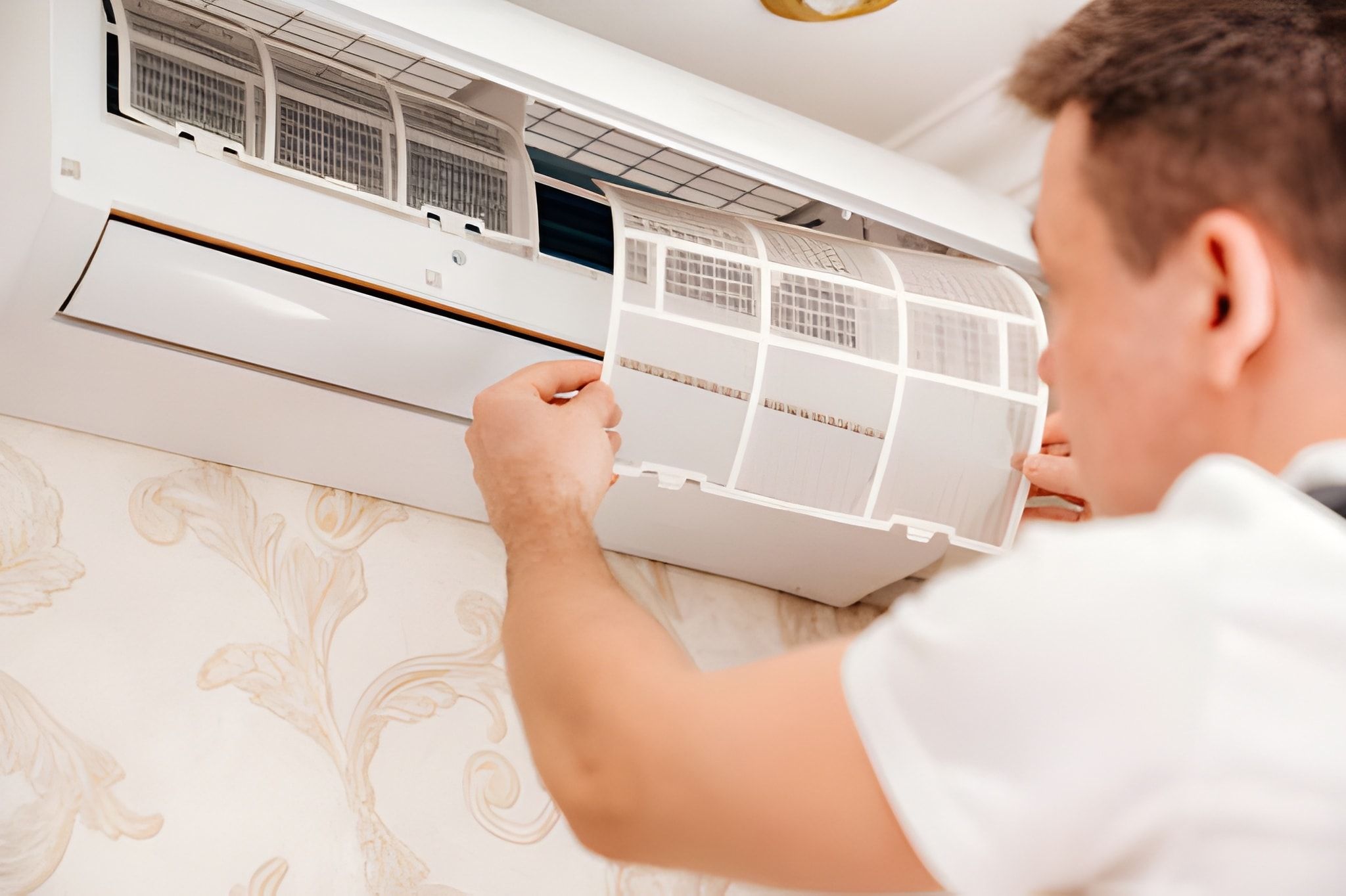
Installing a ductless system isn't just about connecting some equipment and calling it done. It requires careful planning, precise installation, and a thorough understanding of your home's specific needs. Our experienced technicians have over 25 years of HVAC expertise and approach every ductless installation with the same commitment to honesty, efficiency, and customer comfort that defines Stinson Mechanical. We'll walk you through the entire process so you know exactly what to expect and why each step matters for your system's long-term performance.
Understanding Ductless Mini-Split Systems
A ductless mini-split system is fundamentally different from traditional central air conditioning or forced-air heating. Instead of running refrigerant and air through a network of ducts throughout your home, a ductless system has two main components: an outdoor condenser unit and one or more indoor air-handling units mounted on your walls or ceilings. These units communicate through small refrigerant lines and electrical wiring rather than large ductwork, which gives you tremendous flexibility in how and where you heat or cool your space.
The beauty of this design is that you're not limited by existing ductwork. Many homes in Silverton, especially older ones, either lack adequate ducting or have ducts that have deteriorated over time, making them inefficient. A ductless system bypasses these problems entirely. You can add heating and cooling to a room addition, basement, garage, or any space where running new ducts would be impractical or costly. The system is also remarkably efficient because it doesn't lose conditioned air to leaks in ductwork - a common problem with traditional systems.
Beyond flexibility, ductless systems offer impressive energy efficiency. Modern heat pumps can extract heat from outside air even in cold Oregon winters, meaning you can heat your home efficiently without relying solely on expensive electric resistance or gas furnaces. In summer, they cool with precision, allowing you to set different temperatures in different zones if you have multiple indoor units. This zoning capability means you're not cooling or heating spaces you're not using, which can lead to significant energy savings and lower utility bills.
Site Assessment and Load Calculation
The first critical step in any ductless installation is a comprehensive site assessment and load calculation. This is where Stinson Mechanical ensures your system is properly sized for your specific space and situation - not oversized, not undersized, but just right.
During the site assessment, our technicians evaluate several important factors:
- Square footage and layout - We measure the room or rooms you're conditioning to determine the cooling and heating capacity you'll need.
- Insulation and air sealing - Poor insulation or air leaks can dramatically affect how hard your system needs to work. We look at windows, doors, walls, and attic space to understand how well your home retains conditioned air.
- Sun exposure and thermal load - Rooms with significant south or west-facing windows gain heat in summer and lose it in winter. We factor this into our calculations.
- Current heating and cooling methods - If you're replacing baseboard heaters, a space heater, or an old air conditioner, understanding your current setup helps us right-size the new system.
- Local climate considerations - Silverton experiences distinct seasons with cold, wet winters and warm, dry summers. Our assessment accounts for the temperature extremes you'll experience throughout the year.
- Future expansion plans - If you're thinking about adding another zone later, we can design your system with that in mind.
Load calculation is a precise engineering process, not guesswork. We use industry-standard methods to calculate the BTU (British Thermal Unit) capacity your system needs. Oversizing is a common mistake that reduces efficiency and increases operating costs. Undersizing leaves you uncomfortable. Getting it right requires expertise, and that's exactly what you get with Stinson Mechanical.
System Sizing and Model Selection
Once we've completed the load calculation, we can recommend the right capacity and model for your needs. Ductless systems come in various sizes, typically ranging from 9,000 to 24,000 BTU per hour, though larger capacity units are available for bigger spaces or multiple zones.
The capacity you need depends directly on your load calculation. A typical bedroom might require a 12,000 or 15,000 BTU unit, while a larger living area or open-concept space might need 18,000 or 24,000 BTU. If you're conditioning multiple rooms, you might use a multi-zone system with one outdoor unit connected to two, three, or even four indoor units, each with its own thermostat. This gives you excellent control and the ability to maintain different temperatures in different areas of your home.
Beyond capacity, we help you understand the different features and options available. Modern ductless systems offer:
- Variable-speed compressors - These adjust their output based on demand, running at lower speeds when less cooling or heating is needed. This improves efficiency and reduces noise.
- Advanced inverter technology - Inverters modulate the compressor frequency to match the heating or cooling load precisely, rather than cycling on and off like older systems. This results in better temperature control and lower energy consumption.
- Quiet operation - Quality ductless units operate remarkably quietly, with some models producing just 22-26 decibels of sound - quieter than a whisper.
- Smart controls and Wi-Fi capability - Many systems now offer smartphone apps or integration with home automation systems, letting you adjust temperature and settings from anywhere.
- Heating-focused models - If you're in a climate like the Willamette Valley where winter is a significant consideration, we can recommend heat pumps optimized for cold-weather performance.
At Stinson Mechanical, we focus on reliable, efficient equipment that will serve you well for years to come. We explain the differences between standard and premium options so you can make an informed decision about what makes sense for your home and budget.
Electrical and Condenser Placement
Proper electrical installation and condenser placement are crucial for safety, efficiency, and system longevity. These aren't areas where shortcuts should ever be taken.
Your ductless system will require dedicated electrical circuits and proper sizing of the disconnect switch and breaker. The condenser unit draws significant power, especially during heating in cold weather or cooling on hot days. If the electrical supply is inadequate or improperly configured, the system won't operate at full capacity, and you risk damaging the compressor. In some cases, homes in Silverton may need an electrical service upgrade to accommodate the ductless system - something we assess during the site visit and discuss openly with you upfront.
The outdoor condenser unit placement is equally important. Ideally, the condenser should be:
- Located away from obstacles - It needs good air circulation around it, so we avoid placing it in corners, against fences, or beneath overhangs where snow or ice buildup might occur.
- Mounted securely - The outdoor unit can weigh 70-100 pounds and generates vibration during operation. It must be mounted on a sturdy pad or platform designed for the purpose, not on soft ground or an unstable surface.
- Positioned for drainage - Condensate from the outdoor unit needs to drain away properly, especially important in Silverton where we get significant rainfall.
- Away from living spaces - While modern units are quieter than older equipment, we still want to minimize noise impact on your bedroom, patio, or neighbors' windows.
- Accessible for maintenance - Every ductless system needs annual or seasonal maintenance. The condenser location should allow a technician to safely access and service it.
For the indoor units, we consider aesthetics along with function. Most homeowners prefer wall-mounted units high on the wall for minimal visual impact, but we can also install them in ceilings or on floors depending on your preference and room layout. The key is positioning them so they distribute air effectively without creating uncomfortable drafts or noise issues.
Line Set and Refrigerant Handling
The connection between your outdoor condenser and indoor air-handling units is made through refrigerant lines - small copper tubing that carries the refrigerant that does the actual heating and cooling. These lines are the lifeblood of your system, and improper installation or handling can cause leaks, reduced efficiency, and expensive repairs down the road.
Professional refrigerant line installation involves several precise steps. The lines must be routed carefully through your walls, attic, or crawl space to the outdoor unit. They're insulated to prevent heat loss or condensation. The copper tubing is cut to exact lengths, connections are brazed (soldered) with nitrogen flowing through to prevent contamination, and the entire system is evacuated and tested for leaks before the refrigerant is added.
This work requires specialized training and equipment. Refrigerant is strictly regulated and can only be handled by EPA-certified technicians. Improper handling can damage the ozone layer and violates federal law. It also affects your system's performance - any air or moisture left in the lines reduces cooling or heating capacity and can damage the compressor.
At Stinson Mechanical, our technicians handle refrigerant work according to the highest standards. We use proper evacuation equipment, test for leaks with electronic detectors, and verify that the system holds its charge. The line set work might seem like background details, but it's actually one of the most important parts of ensuring your system runs efficiently and reliably for years.
Permitting and Code Compliance
HVAC installation in Silverton, OR requires permits and must comply with local building codes and state energy codes. These requirements exist to protect your safety and your home's long-term performance. We handle all permitting and compliance issues so you don't have to.
Oregon has adopted specific energy codes for HVAC equipment and installation. These codes specify minimum efficiency standards for heat pumps and air conditioners, proper refrigerant handling, adequate electrical service, and correct ductless system installation practices. They also address ventilation requirements to ensure your home maintains adequate indoor air quality while operating efficiently.
Our technicians are familiar with Silverton's local building department requirements and the current state energy codes. We pull the necessary permits before beginning work, schedule required inspections at the right points in the installation, and ensure the completed system passes all inspections. This protects you in several ways: your system is installed safely and correctly, you have documentation for insurance purposes, and if you ever sell your home, the installation is properly permitted and inspected - which buyers' lenders often require.
Permitting also typically includes an inspection of the final installation, which is another layer of quality assurance beyond our own testing and verification.
Energy Efficiency and Rebate Options
One of the most compelling reasons to install a modern ductless mini-split system is the energy savings. Heat pumps are remarkably efficient - they can deliver two to three times more heating or cooling energy than the electrical energy they consume, which is why they're classified as a renewable energy technology by many efficiency programs.
In the Willamette Valley and throughout Oregon, several utility companies and government programs offer rebates and incentives for heat pump installation. These can offset a significant portion of the installation cost, making the system much more affordable. Common incentive programs include:
- Utility rebates - Many local utilities offer rebates for heat pump installation, particularly if you're replacing old electric resistance heating or an aging air conditioner. Your utility company may have specific requirements about the efficiency level or SEER/HSPF ratings of the equipment.
- Oregon Department of Energy programs - Oregon has various energy efficiency programs that may provide funding for heat pump upgrades, especially in certain geographic areas or for specific situations like weatherization.
- Federal tax credits - Depending on when you're reading this and current federal policy, there may be federal tax credits available for high-efficiency heat pump installation.
We're familiar with the incentive programs available to customers in Silverton and can help you navigate the application process. Some rebate programs require the system to be installed by a certified contractor - another reason to work with Stinson Mechanical, whose technicians meet industry certification standards. We can provide documentation that helps you qualify for available incentives.
Beyond immediate rebates, the energy savings from an efficient ductless system typically reduce your heating and cooling costs by 20-40% compared to older equipment. Over a 15-20 year lifespan, these savings often total many thousands of dollars. Your specific savings depend on your current system's efficiency, your local electricity and gas rates, and how you use the system, but for most homeowners in our region, a ductless heat pump pays for itself through energy savings alone.
Financing and Warranty Information
At Stinson Mechanical, we understand that HVAC installation is a significant investment. That's why we offer flexible financing options to help make the project more manageable. We work with Synchrony to provide promotional financing for qualified customers. This can help you spread the cost over time rather than paying the entire amount upfront.
We also stand behind our work with comprehensive warranties. The equipment itself comes with manufacturer warranties - typically 5-10 years on parts depending on the specific unit and level of warranty coverage you choose. Our installation work is also warranted, and we're happy to discuss the specific coverage details before your system is installed. A warranty gives you confidence that if something goes wrong, you're protected.
Timeline and What to Expect on Install Day
Most ductless mini-split installations can be completed in one to two days, depending on the complexity of the system and your home's layout. A single-zone system with one indoor and one outdoor unit typically takes a full day. Multi-zone systems with multiple indoor units obviously take longer.
Here's a general timeline of what to expect during installation day:
Morning - Our technicians will arrive and review the plan. They'll set up their work area, protecting your floors and furniture. They'll begin by positioning and mounting the outdoor condenser unit and securing it to its pad. Simultaneously, they may start running refrigerant lines and electrical wiring, which might involve drilling through walls or running conduit through your attic or crawl space.
Mid-morning to early afternoon - They'll continue with line routing, electrical work, and mounting the indoor unit or units. If you're having multiple zones, this work takes proportionally longer. They'll ensure all connections are properly insulated and routed neatly.
Late afternoon - Once all physical installation is complete, they'll connect the refrigerant lines and perform the critical evacuation process. This removes all air and moisture from the system, which must be done before refrigerant is added. They'll test for leaks using specialized equipment.
Final stages - They'll add refrigerant to the system, test operation in both heating and cooling modes, verify that all controls are functioning, and ensure proper drainage. They'll clean up debris and dispose of materials properly.
Throughout the day, there will be some noise from drills, refrigerant equipment, and the equipment running during testing. There may also be some mess - drywall dust if we're running lines through walls, or some water during the evacuation and testing process. We work efficiently to minimize disruption to your daily routine, and we'll explain what we're doing if you have questions.
Before they leave, the technicians will walk you through the system controls, show you how to adjust temperature and settings, and explain any specific maintenance you'll need to perform. They'll leave you with documentation about your system and how to contact us if you have any questions or concerns after installation.
Post-Installation Testing and User Training
Before we consider the job complete, we perform thorough post-installation testing to verify that every component is working correctly and your system is delivering the capacity and efficiency it should.
Testing includes:
- Pressure and electrical checks - We verify that the refrigerant pressure is correct, the electrical connections are secure, and the system is drawing the proper current.
- Temperature verification - We run the system in both heating and cooling modes and measure the temperature difference between the air entering and leaving the indoor units. This confirms the system is operating at design capacity.
- Thermostat and control function - Every control point is tested to ensure proper operation.
- Safety checks - We verify that all safety features, such as high-pressure switches and thermal overload protectors, are functioning correctly.
- Drainage verification - We ensure that condensate from the indoor and outdoor units is draining properly.
Once testing is complete and everything checks out, we provide you with a complete walkthrough of your system. This training covers:
- Operating the thermostat or app - We show you how to set temperature, adjust fan speed, select heating or cooling mode, and use any smart features like Wi-Fi control.
- Understanding the controls - What do the different display indicators mean? How do you switch between modes? What should normal operation sound like?
- Basic maintenance - We show you how to clean or replace the filters on your indoor units, typically a monthly or seasonal task depending on dust levels in your home.
- When to call for service - We explain what's normal operation and what might indicate a problem that needs professional attention.
- Warranty and service - We provide information about your warranty coverage, how to register your system if needed for warranty purposes, and how to schedule routine maintenance with Stinson Mechanical.
Our goal is for you to feel completely confident operating your new system and understanding how it works. If you have questions later, whether a week or a year after installation, we're here to help.
Why Ductless Systems Make Sense for Silverton Homes
Silverton's location in the heart of the Willamette Valley means homeowners experience the full range of seasonal extremes - chilly, wet winters where temperatures regularly dip below freezing, and warm summers where afternoon temperatures climb into the low 80s. A ductless mini-split system handles both extremes efficiently, using heat pump technology to extract heat from outside air during winter (even when it's cold) and quickly cooling your home in summer without the massive power draw of oversized systems.
Many homes in Silverton were built before modern insulation standards, meaning traditional ducted systems often don't distribute air evenly - you might have hot spots and cold spots, and you're conditioning spaces even when they're not being used. Ductless systems solve this with zoning capability. You can heat and cool only the rooms you're actively using, potentially saving significant energy and money.
For home additions, room conversions, or homes with difficult layouts where running new ducts is impractical, a ductless system provides flexibility that traditional systems simply can't match. It's also a cleaner installation visually - no bulky ducts in your attic or crawl space, just slim line sets and attractive indoor wall units.
Stinson Mechanical's Ductless Installation Expertise
At Stinson Mechanical, we've spent over 25 years working on HVAC systems throughout the Willamette Valley. We understand Oregon's climate, local building codes, and the specific needs of homeowners in Silverton and surrounding areas. Our commitment to honesty, efficient comfort, and compliance with energy codes means we don't oversell you an oversized system or take shortcuts on installation quality.
When you choose Stinson Mechanical for ductless installation, you're choosing technicians who take the time to properly assess your home, explain your options, install the system according to manufacturer specifications and code requirements, and ensure you understand how to operate and maintain your new system. We handle all the technical details and paperwork so you can focus on enjoying your new efficient heating and cooling.
Whether you're looking to add comfort to a space without central ducts, improve your home's overall energy efficiency, or replace aging equipment with modern technology, a ductless mini-split system is worth serious consideration. When you're ready to explore options, Stinson Mechanical is ready to help. Call or email to schedule a free assessment, and we'll walk you through the entire process with the same honesty and expertise that's defined our company for over 25 years.