.svg)
.svg)

When you smell gas in your home or suspect a problem with your gas line, don't wait. Gas line issues demand immediate attention, and Stinson Mechanical is here to help Newport residents get safe, reliable solutions fast. Whether you need emergency leak detection, a complete line repair, or preventative maintenance, our team brings over 25 years of HVAC experience to every job. We understand that gas line problems create real anxiety for homeowners, and our priority is getting your system back to safe operation while keeping you informed every step of the way.
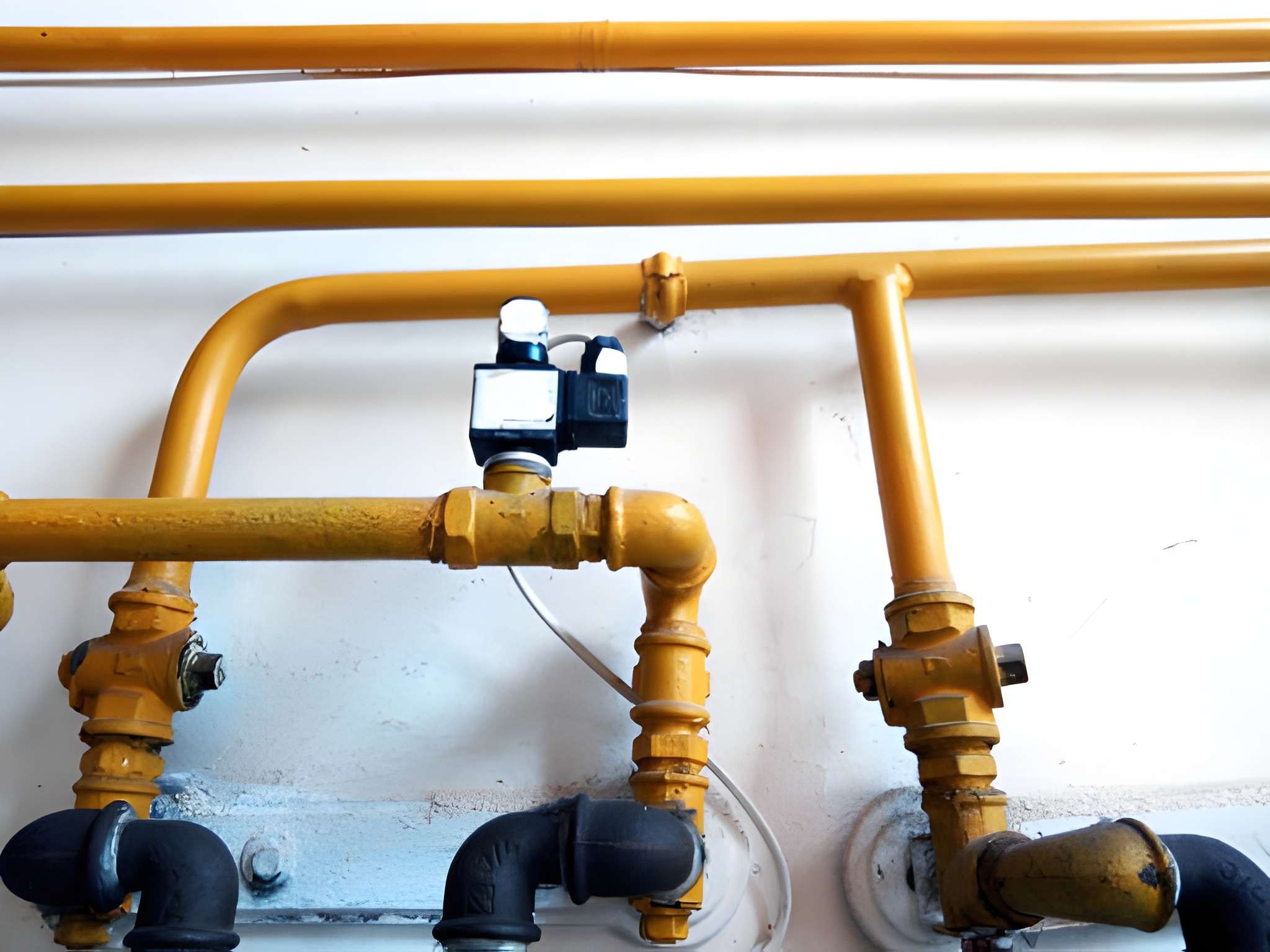
Gas lines are essential for heating your home efficiently, powering your water heater, and running other appliances. When they develop problems - whether from corrosion, physical damage, loose connections, or age - the safety of your family becomes the top concern. That's where our expertise makes the difference. We use advanced diagnostic tools, follow strict safety protocols, and coordinate with utility providers when necessary to ensure your gas system is secure and functioning properly.
Why Gas Line Repair Can't Wait
Gas leaks are one of those home emergencies that require fast, professional response. Small leaks might seem minor, but they can escalate quickly and pose serious health and safety risks. Carbon monoxide exposure, fire hazards, and wasted energy all stem from compromised gas lines. Beyond safety, a faulty gas line can affect your home's heating efficiency and leave you without hot water or a working furnace when you need it most - especially during Oregon's cold winters.
Common signs that your gas line needs repair include:
- A distinct rotten egg or sulfur smell near gas appliances or in your home
- Hissing or whistling sounds coming from gas lines or connections
- Visible corrosion, rust, or damage to exposed piping
- Frequent pilot light outages on your furnace or water heater
- Unexplained increases in your gas bill
- Appliances that aren't heating properly or igniting correctly
- Dirt or debris being blown from around gas line connections
If you notice any of these warning signs, contact Stinson Mechanical right away. We respond quickly to gas line concerns because we know that waiting isn't an option when safety is at stake.
Our Gas Line Repair Process
We follow a comprehensive, safety-first approach to diagnosing and fixing gas line problems. Here's what you can expect when you call Stinson Mechanical for gas line repair in Newport, OR.
Initial Assessment and Emergency Response
When you contact us about a suspected gas leak or gas line issue, we take it seriously. Our team can often get to residential customers quickly because we keep our schedule flexible for emergencies and maintain sufficient stock of repair parts to avoid delays. We'll ask you about the symptoms you've noticed, any smells or sounds, and when the problem started. If there's any sign of a active leak or gas smell, we'll advise you to ventilate the area and may recommend you contact NW Natural Gas (our local utility provider) immediately for additional safety measures.
Electronic Leak Detection
Once our technician arrives, we use electronic leak detection equipment to identify exactly where gas is escaping from your line. This advanced diagnostic tool is far more reliable than older soap-bubble methods and helps us pinpoint even small leaks that might otherwise go unnoticed. We'll check all connections, joints, and sections of visible piping, and we'll also test areas where lines pass through walls or run underground when necessary.
The precision of electronic detection means we can address the actual problem rather than making guesses or replacing more pipe than necessary. This keeps your repair cost reasonable and minimizes disruption to your home.
Isolation and Repair Strategy
Once we've located the problem, we determine whether the damaged section can be repaired or needs complete replacement. Some issues - like a loose fitting or a small pinhole leak in accessible copper or steel pipe - can be fixed with targeted repairs. Other situations, particularly where corrosion has compromised a section of pipe or where damage is extensive, call for replacing that section entirely.
We'll explain our recommendation clearly and discuss your options. Our goal is honesty about what's needed, not overselling you on repairs you don't require. If a section replacement is the best solution, we'll do the work right and ensure everything fits within your home's existing infrastructure.
Pressure Testing and Safety Clearance
After any repair or replacement, we perform pressure testing to confirm the integrity of your gas line system. We'll pressurize the line to specified levels and monitor it to ensure there are no leaks anywhere in the system - not just at the repair site. This comprehensive testing gives you confidence that your gas line is safe and functioning as it should.
Once testing is complete and we've confirmed everything is secure, we'll perform a final safety inspection and clear the system for use. We document this work so you have a record of the service, which is helpful for your insurance and for future reference.
Coordination with Utility Providers
In some cases, especially if the main gas line or meter is involved, we coordinate directly with NW Natural Gas. They may need to inspect the work, relight your pilot, or perform their own testing. We handle this coordination on your behalf so you're not left managing multiple service providers. We stay in constant communication with our customers until the job is done, so you'll always know what's happening and what to expect next.
Common Gas Line Repair Scenarios in Newport
Corroded or Aging Pipes
Older homes in the Newport area sometimes have gas lines made from materials that corrode over time, especially if moisture has gotten into the system. Black iron pipe, while durable, can develop rust and corrosion, particularly in homes near the coast where salt air and humidity accelerate the process. Copper pipe can develop pinhole leaks as it ages. If your home was built several decades ago and you're experiencing gas smell or pressure issues, corrosion is a likely culprit.
Loose or Faulty Connections
Gas line connections at appliances, valves, and joints can loosen over time due to vibration, thermal expansion and contraction, or simply age. A loose connection is often one of the easiest fixes - sometimes just requiring tightening - but it still demands professional attention. Never attempt to tighten gas connections yourself; our technicians have the tools and training to do it safely.
Physical Damage
Accidental damage during home renovation, landscape work, or even from rodents can puncture or crack a gas line. If you've recently had excavation work, construction, or pest issues in your home, and you've noticed gas smell or appliance problems afterward, physical damage might be the cause.
Appliance Connection Issues
Sometimes the problem isn't with the main gas line but with the connection between the line and a specific appliance like your furnace, water heater, or stove. These connections can corrode, crack, or loosen. We'll diagnose whether the issue is isolated to one appliance or affects your entire system.
Typical Repair Timelines
Most residential gas line repairs can be completed in 2-4 hours, depending on the extent of the problem and its location. A simple tightening or a small section replacement in accessible areas typically takes less time. If the damaged section runs through walls, crawlspaces, or requires rerouting, the job may take longer.
We'll provide you with a realistic timeline when we assess the work, and we'll keep you updated if circumstances change. Our priority is doing the job right, not rushing through it, but we also understand that you want your gas system operational again as quickly as possible.
For more complex jobs or if we need to coordinate with NW Natural Gas, we'll schedule the work at a time that works for you and explain any additional wait time upfront.
Preventative Maintenance Tips
While not all gas line problems can be prevented, you can take steps to reduce the risk of future issues.
Inspect visible gas lines regularly. Every few months, look at any exposed gas piping in your basement, crawlspace, or garage. Watch for visible corrosion, rust, or damage. If you notice anything unusual, contact us for an inspection.
Avoid moisture buildup. Humidity and moisture accelerate corrosion. If your home has a damp crawlspace or basement, addressing moisture issues can help protect your gas lines. Proper ventilation and occasional inspections are your allies here.
Be careful during home projects. If you're planning renovations, landscaping, or any work that might involve digging or disturbing walls and floors, call us or NW Natural Gas first to locate your gas lines. Accidental damage is preventable with proper planning.
Test your appliances seasonally. Before winter heating season and before you rely on your water heater heavily, have your gas appliances inspected. A quick check can catch small issues before they become emergency repairs.
Keep an ear out for changes. Unusual sounds - hissing, whistling, or clicking that wasn't there before - often signal a developing problem. Similarly, a sudden change in how your furnace or water heater operates warrants a call to our team.
Know what normal smells like. Natural gas is odorless, but utility companies add mercaptan (that rotten egg smell) so leaks are easy to detect. If you ever smell that odor, treat it as an emergency and call us or the utility immediately.
Why Choose Stinson Mechanical for Gas Line Repair in Newport, OR
When you need gas line repair, you're trusting someone with the safety and comfort of your home. Stinson Mechanical earns that trust through our commitment to honesty, expertise, and reliability. Our team brings over 25 years of combined HVAC experience, which includes extensive gas line work. We're not just experienced - we stay current with the latest diagnostic tools and safety standards.
We prioritize honesty in every conversation. We'll tell you what needs to be done, explain why, and discuss your options without pressure. If a repair isn't necessary, we'll say so. If replacement is the right call, we'll explain the reasoning clearly. That's how we've built trust with homeowners throughout the Willamette Valley, and it's how we serve Newport residents.
Our commitment to keeping customers comfortable in an efficient manner extends to gas line repair. We ensure your system functions properly so you get reliable heating and appliance operation without wasted gas or safety compromises. We also stay in constant communication with you throughout the job - you'll know what's happening, when we'll be done, and what to expect next.
Because we maintain sufficient stock of repair parts and equipment, we can often complete jobs without delays or multiple service visits. That means you're back to normal faster, with less disruption to your daily life.
What to Do If You Suspect a Gas Leak
If you smell gas or suspect a leak in your home right now, take these steps immediately:
- Don't ignore the smell or assume it's minor. Gas leaks demand professional attention.
- Ventilate the area by opening windows and doors.
- Avoid creating sparks or flames - don't light matches, use electrical switches, or operate appliances.
- Leave the house and move to a safe location if the smell is strong or you feel unwell.
- Call NW Natural Gas emergency line or your local fire department if you suspect an active, dangerous leak.
- Once the immediate emergency is addressed, contact Stinson Mechanical to schedule a full inspection and repair.
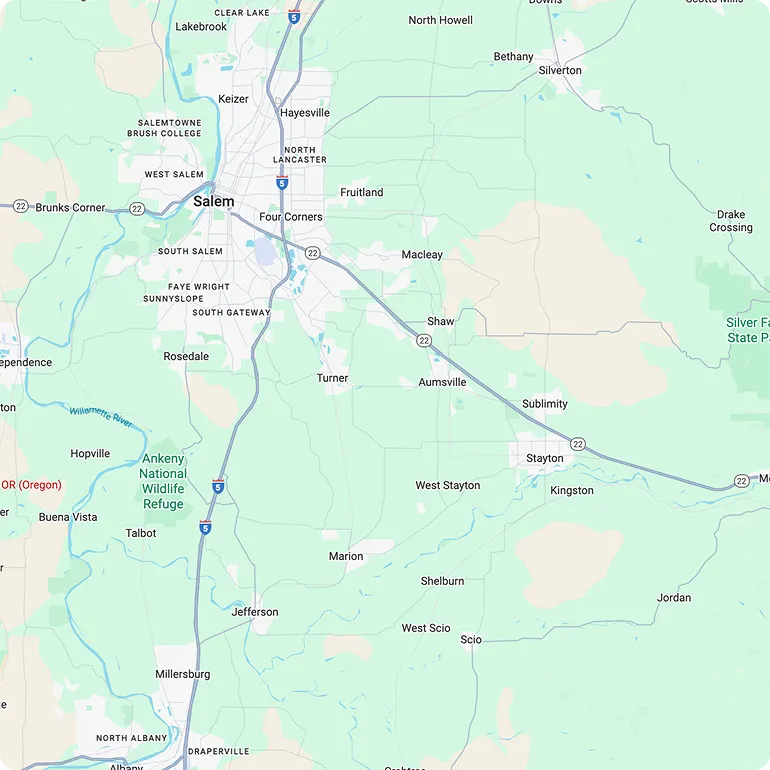
We're here to help Newport residents keep their gas lines safe and functioning. Whether you need emergency repair or want to schedule routine maintenance, call us at your earliest convenience. Our team is ready to provide honest, expert service that keeps your home comfortable and safe.