.svg)
.svg)

When it comes to gas appliances in your home or business, the piping system that delivers fuel is just as important as the appliance itself. Whether you're installing a new gas furnace, water heater, range, or fireplace, proper gas piping installation is critical for both safety and efficiency. At Stinson Mechanical, we understand that gas piping isn't something you can leave to chance. With over 25 years of HVAC experience and a commitment to honesty and quality workmanship, we're here to handle your gas piping installation in Keizer, OR with the expertise and care your property deserves.
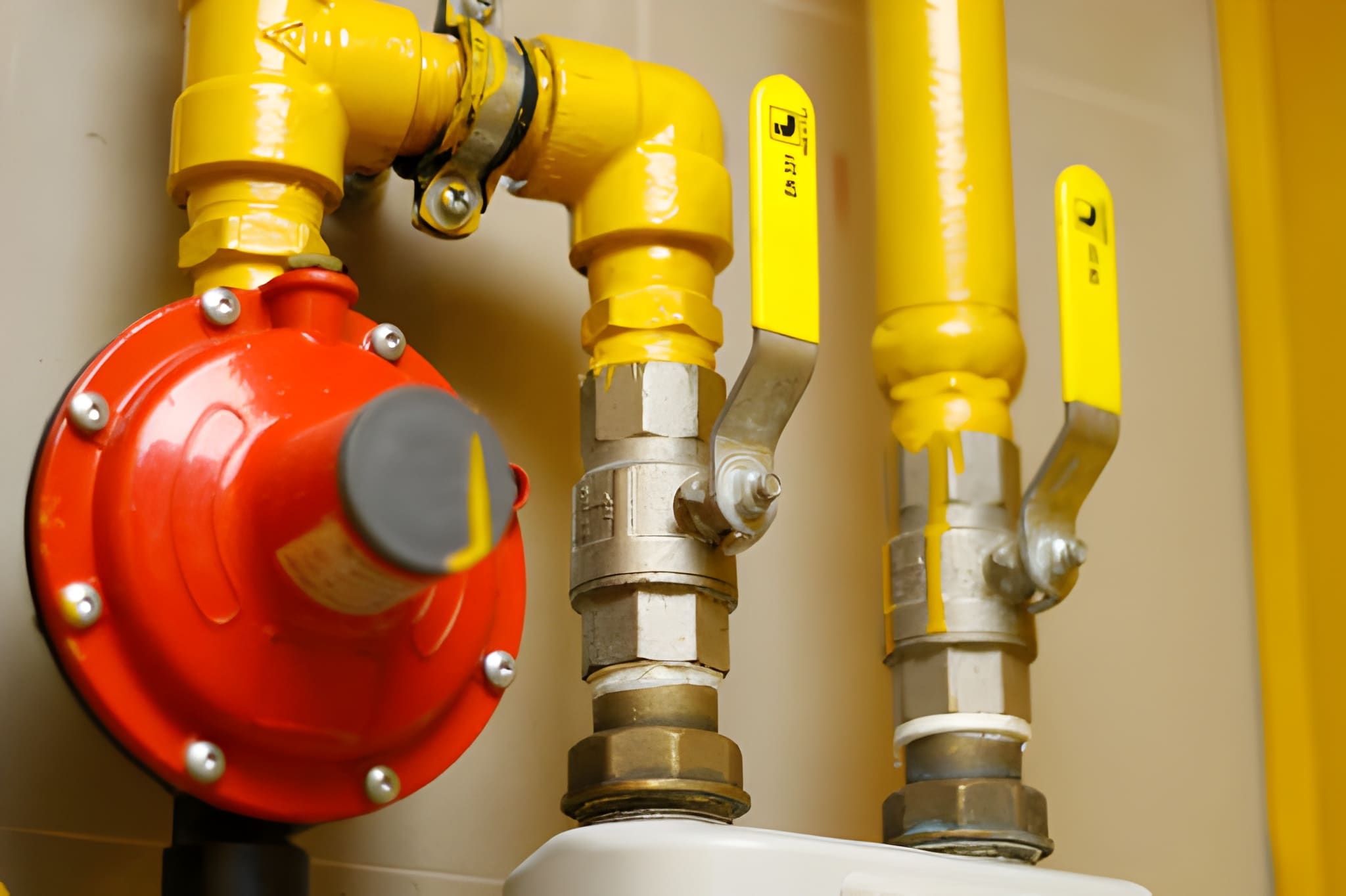
Gas piping systems require precision, knowledge of local codes, and attention to detail that goes beyond what many contractors offer. In the Keizer area, where weather patterns and building codes continue to evolve, having a local HVAC company you can trust makes all the difference. We stay in constant communication with our customers throughout every step of the installation process, ensuring you understand what's happening and why it matters.
Why Professional Gas Piping Installation Matters
Gas piping might seem straightforward, but it's one of those systems where DIY work or cutting corners can lead to serious problems. Improper installation can result in gas leaks, reduced appliance efficiency, safety hazards, and costly repairs down the road. When we handle your gas piping installation in Keizer, we're not just running pipes - we're ensuring your system works safely and efficiently for years to come.
One of the biggest reasons to choose professional installation is safety. Gas lines carry fuel that powers some of your most essential appliances. A leak, improper connection, or inadequate pressure testing can create dangerous situations for your family or business. Local building codes exist for a reason, and Stinson Mechanical knows them inside and out. We design every system to meet or exceed current energy code requirements in Oregon, giving you peace of mind that your installation is compliant and safe.
Beyond safety, proper installation directly impacts efficiency and performance. When gas piping is sized correctly, routed appropriately, and connected with precision, your appliances run at peak efficiency. This means lower energy bills, better performance, and less strain on your equipment. Over time, the money you save on energy costs often pays for the investment in quality installation.
Initial Assessment and System Design
Every gas piping installation in Keizer begins with a thorough assessment of your property. We don't believe in one-size-fits-all solutions. Instead, we evaluate your specific needs, the appliances you're installing, the layout of your property, and local code requirements to design a system that works perfectly for your situation.
During the initial assessment, we'll:
- Evaluate the locations of appliances requiring gas connections
- Measure distances and determine optimal routing for piping
- Assess existing infrastructure and any modifications needed
- Review local Keizer building codes and permit requirements
- Discuss material options and sizing with you
- Identify potential challenges or special considerations
- Provide a clear picture of the installation timeline and what to expect
This upfront planning phase is essential. It prevents costly mistakes, ensures compliance from the start, and helps us give you an accurate picture of the scope of work. We take the time to explain our design decisions so you understand why we're recommending a particular approach. That's just part of our commitment to honesty and keeping our customers informed.
Material Selection and Routing Options
When it comes to gas piping materials, you have several options, and the best choice depends on your specific application, local codes, and long-term performance goals.
Rigid Copper Tubing is a popular choice for gas piping installations in Keizer. It's durable, corrosion-resistant, and performs well in our climate. Copper is reliable and has been used in gas piping for decades. However, it requires proper installation techniques and flaring or swaging for connections.
Black Iron Pipe is another traditional option. It's affordable and meets code requirements in many applications. Black iron has been the standard for residential gas piping in Oregon for a long time. The main consideration is that it requires regular inspection for rust and corrosion over its lifetime.
Corrugated Stainless Steel Tubing (CSST) is a flexible option that can simplify installation in some situations. CSST is easier to route through walls and around obstacles, which can reduce installation time and complexity. However, it must be properly bonded according to code, and not all jurisdictions permit it for all applications.
PVC Piping may be used for certain gas applications, depending on local code approval. It's lightweight and easy to work with, but it's not suitable for all situations.
We'll discuss which material makes the most sense for your gas piping installation in Keizer based on your specific needs, local code requirements, and preferences. Our priorities are ensuring the system is safe, efficient, and compliant - and we'll make sure you understand the pros and cons of each option.
Routing is equally important. The path your gas piping takes affects installation time, accessibility, and long-term maintenance. We'll route your system to minimize exposure to damage, follow code requirements for support and spacing, avoid areas prone to corrosion or physical damage, and ensure accessible shutoff valves and connection points. Proper routing also makes future maintenance and repairs easier for any technician who works on your system.
Compliance with Local Codes and Permitting
Gas piping installation in Keizer, OR is regulated by local building codes and state energy codes. These regulations exist to protect your safety and ensure efficient operation. At Stinson Mechanical, code compliance isn't something we do grudgingly - it's part of our core commitment to our customers.
The Keizer area follows Oregon's building codes, which incorporate national standards for gas piping installation. These codes specify:
- Proper sizing based on appliance demand and line length
- Maximum pressure drop requirements
- Support and spacing requirements for different materials
- Clearance from other utilities and building materials
- Proper ventilation for gas appliances
- Shutoff valve requirements and accessibility
- Testing and inspection procedures
When you hire Stinson Mechanical for gas piping installation in Keizer, we handle all permitting requirements. We're familiar with local requirements, inspection procedures, and documentation. We'll pull the necessary permits, schedule required inspections, and ensure every step of the process meets code. This protects you from liability and ensures your system is installed correctly.
Staying current with energy codes is something we take seriously. As Oregon's energy codes continue to evolve, we make sure we're applying the latest standards to new installations. This commitment means your gas piping system will be compliant today and better positioned for tomorrow's requirements.
Pressure Testing and Leak Detection
One of the most critical steps in any gas piping installation is pressure testing. Before we connect any appliances or consider the job complete, we conduct thorough pressure testing to verify the integrity of the entire system.
During pressure testing, we pressurize the system with an inert gas (not natural gas) and use specialized equipment to detect even the smallest leaks. We'll test:
- Every joint and connection
- The entire length of all piping
- All transition points between different materials
- Shutoff valves and connection fittings
- Every area where we made modifications or additions
Our testing procedures exceed code minimums. We use sensitive gauges and detection methods to find even microscopic leaks that could develop into problems. If we detect any issues - whether during initial testing or final verification - we fix them immediately before the system is put into service.
We also perform visual inspections throughout the process, checking for proper support, adequate spacing, correct material installation, and compliance with routing requirements. This comprehensive approach catches problems early when they're easy and inexpensive to fix, rather than after the system is operating.
Once testing is complete and we've verified the system is completely leak-free and properly pressurized, we document everything. You'll receive documentation of the testing process, results, and certification that your gas piping installation in Keizer meets all code requirements.
Connection to Appliances
Connecting your gas piping to appliances requires the same attention to detail as the piping installation itself. Each appliance - whether it's a furnace, water heater, range, or fireplace - has specific connection requirements that must be followed precisely.
When we connect appliances to your gas piping system, we:
- Use the appropriate connector materials (typically flexible stainless steel connectors for appliances)
- Follow manufacturer specifications for each appliance
- Ensure connections are secure and properly sealed
- Verify correct gas pressure at the appliance inlet
- Test appliance ignition and operation
- Adjust gas pressure if needed to match appliance requirements
- Ensure all safety features and shutoff mechanisms work properly
Proper connection is critical because it affects appliance performance, safety, and longevity. An improperly connected appliance may not operate efficiently, may create safety hazards, or may suffer premature wear. We take the time to do it right.
Safety Protocols and Post-Installation Inspections
Safety is woven throughout every aspect of our work. Our safety protocols start with proper personal protective equipment, safe work practices, and adherence to industry standards. We treat every gas piping installation in Keizer with the seriousness it deserves.
After installation, we perform comprehensive post-installation inspections. These include:
- Visual inspection of all piping, connections, and routing
- Verification of proper support and spacing
- Confirmation of shutoff valve accessibility and operation
- Testing of all appliance connections for proper operation
- Final pressure testing of the complete system
- Verification of proper ventilation for gas appliances
- Documentation of all work completed and code compliance
- Review of maintenance recommendations with you
Our inspections go beyond what's required. We want to catch any potential issues and ensure your system is perfect before we consider the job complete.
One more thing that matters in our inspections is communication. We'll walk you through what we found, explain how the system works, show you where shutoff valves are located, and discuss any maintenance recommendations. That way, you know exactly what you have, how to operate it safely, and what to watch for.
Typical Installation Timelines
The timeline for gas piping installation in Keizer depends on several factors - the size of your project, the complexity of routing, the materials being used, and permit availability. We believe in giving you realistic expectations from the start.
For a straightforward installation connecting a single appliance in an accessible location, installation might take 4-8 hours for residential applications. This includes initial assessment, material procurement, installation, testing, and final inspection.
More complex projects - like installing gas piping for multiple appliances, routing through existing walls, or commercial installations - may take 1-2 days or require multiple appointments. If your project involves new construction or significant modifications, timeline may extend further.
Permitting can add a week or two to the overall schedule. Once we've submitted permit applications, we typically need to wait for permit approval before starting work. After installation, we'll need to schedule the final inspection with the local building department.
Throughout the process, we keep you informed. We'll let you know the estimated timeline before we start, communicate any delays as soon as we're aware of them, and make sure the installation process fits your schedule as much as possible. That commitment to constant communication is part of how Stinson Mechanical does business.
What to Expect During Installation Day
When our technicians arrive for your gas piping installation in Keizer, you can expect a professional, organized approach. We'll protect your property, explain what we're doing as we work, and maintain a clean job site.
Our technicians will arrive with the materials needed for your specific project. We maintain sufficient stock of equipment and repair parts, so we can complete most jobs without delays waiting for materials to be ordered. This is one of our key commitments - getting the job done efficiently without making you wait.
We'll set up work areas to minimize disruption to your home or business. We'll protect flooring and furnishings, manage debris responsibly, and keep noise and dust to a minimum. Our goal is to make the process as convenient as possible for you.
Throughout the day, our technicians will communicate with you about progress, any adjustments we find necessary, and the timeline for completion. We believe in transparency - you should know what's happening and why.
Warranty and Support After Installation
Your investment in professional gas piping installation deserves protection. We stand behind our work with comprehensive support after installation.
We warranty our workmanship on gas piping installations. If any issues arise related to how we performed the installation, we'll address them. We want you to have complete confidence in the system we've created for you.
Beyond the warranty period, we're here if you need future service. Whether you need adjustments, additions, maintenance, or repairs to your gas piping system, Stinson Mechanical is just a phone call away. We're a local HVAC company in Lyons serving the Keizer and Willamette Valley area, and we're invested in long-term customer relationships.
Choosing Stinson Mechanical for Gas Piping Installation in Keizer
When you're planning gas piping installation in Keizer, you want a contractor who understands the work, knows local codes, and will be honest with you about what you need. That's what Stinson Mechanical brings to every project.
Our 25+ years of HVAC experience means we've handled gas piping in countless residential and commercial applications. We've seen what works, what doesn't, and how to design systems that perform reliably for years. That experience translates directly to better results for you.
Our commitment to honesty means you'll always get straight answers. We won't oversell you on features you don't need, and we won't cut corners on safety or compliance. We'll explain your options, recommend what makes sense for your situation, and let you make informed decisions.
Choosing to stay efficient is central to everything we do. A properly installed gas piping system reduces energy waste, lowers your operating costs, and supports your goals for an efficiently run home or business. That alignment with your goals for efficiency is just part of our DNA.
We understand that gas piping installation is an investment in your property. We make that investment count by doing excellent work, treating you with respect, and standing behind our results.