.svg)
.svg)

When you're considering a new gas appliance or upgrading your home's gas infrastructure, having a reliable partner for gas piping installation makes all the difference. Whether you're looking to add a gas line for a fireplace, install a new gas furnace, or expand your system for a commercial kitchen, the installation process requires precision, expertise, and strict adherence to safety codes. At Stinson Mechanical, we've been helping homeowners and business owners throughout the Willamette Valley get safe, efficient gas piping systems installed the right way - the first time.
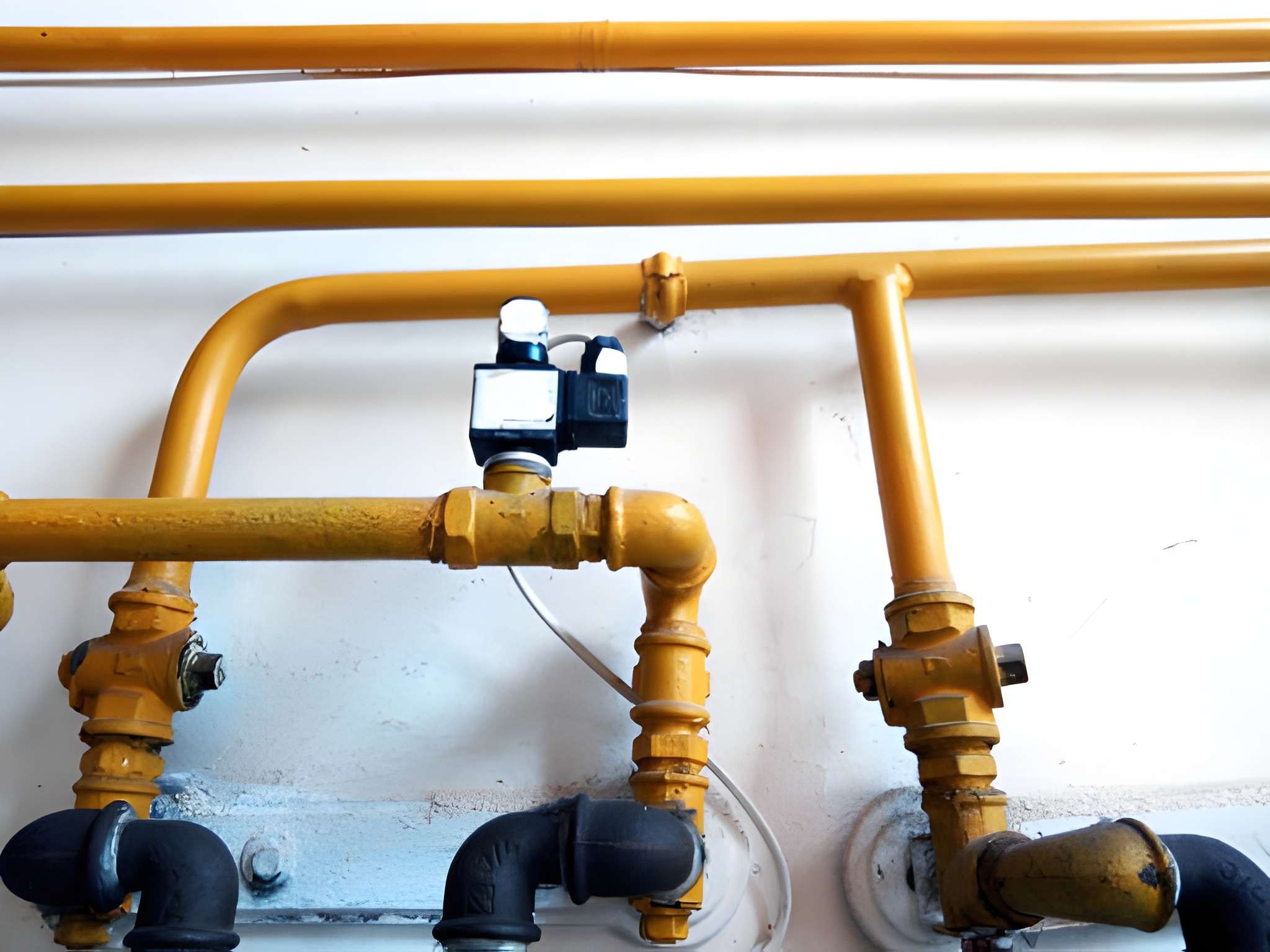
Gas piping installation isn't something to leave to guesswork or inexperienced contractors. A poorly installed gas line can lead to safety hazards, efficiency losses, and costly repairs down the road. That's why we focus on three core principles with every job: honesty about what you need, keeping your installation efficient and code-compliant, and making sure we communicate with you at every step until the work is done.
Why Professional Gas Piping Installation Matters
Gas piping systems are one of the most critical infrastructure components in your home or business. Unlike other utilities, improper gas line installation poses serious safety risks - including gas leaks, carbon monoxide exposure, and potential fire hazards. Beyond safety, a properly sized and routed gas line ensures your appliances run at peak efficiency, which directly affects your energy bills and long-term comfort.
Many homeowners in Stayton don't realize that DIY gas piping or work from unlicensed contractors can void warranties, fail inspections, and create liability issues. Oregon's energy codes have become increasingly stringent, and Stinson Mechanical stays current with every requirement to ensure your system not only passes inspection but performs efficiently for years to come.
Initial Site Assessment and Load Calculations
The foundation of any successful gas piping installation starts with a thorough evaluation of your property and appliance needs. When we arrive at your Stayton home or business, we begin by understanding exactly what you're trying to accomplish. Are you installing a single gas appliance, upgrading your entire heating system, or outfitting a commercial space? This determines everything that follows.
Our team performs a detailed site assessment that includes:
- Measuring distances from the gas meter to each appliance location
- Identifying the most efficient and code-compliant routing options
- Evaluating your existing gas line capacity and regulator specifications
- Assessing water quality and corrosion factors that affect pipe material selection
- Checking for any existing issues with your current gas infrastructure
Load calculations are equally critical. These calculations determine the diameter and type of pipe required to safely deliver the correct amount of gas to each appliance. Installing a pipe that's too small creates pressure drops and efficiency problems. Oversizing wastes materials and money. We use industry-standard calculation methods to get this right every time, factoring in Oregon's specific codes and your local gas utility's requirements.
Choosing the Right Pipe Materials
One of the most important decisions in gas piping installation is selecting the right material for your application. Stayton homeowners and businesses have options, and each comes with distinct advantages and considerations.
CSST (Corrugated Stainless Steel Tubing)
CSST has become increasingly popular for modern installations, and for good reason. This flexible, color-coded tubing is easier to route through tight spaces, requires fewer fittings than rigid pipe, and speeds up installation time. CSST is ideal for:
- Residential installations where flexibility around obstacles is valuable
- Retrofits where running pipe through existing walls and tight spaces is necessary
- Situations where quick service and minimal disruption are priorities
We always ground CSST properly according to code to prevent potential issues, and we use high-quality, approved materials that meet all Oregon requirements.
Black Iron Pipe
Black iron remains the traditional choice for many applications and continues to be preferred in certain situations:
- Commercial installations where durability and code familiarity are paramount
- Longer runs where the cost savings of rigid pipe add up
- Areas with specific utility company requirements
- Systems where future modifications might require additional connections
Black iron is durable and reliable when installed correctly, though it does require more fittings and careful routing compared to CSST.
We evaluate your specific situation - your home's layout, local code requirements, appliance locations, and your long-term plans for the space - to recommend the material that makes the most sense for your needs and budget.
Permit Handling and Code-Compliant Installation
In Oregon, gas piping installation isn't a permit-and-forget situation. Marion County and the City of Stayton have specific requirements, and Stinson Mechanical handles the entire permitting process so you don't have to navigate the bureaucracy yourself.
We manage:
- Obtaining all required permits from Marion County and local authorities
- Scheduling inspections at the appropriate stages
- Ensuring every connection, joint, and appliance tie-in meets current code
- Staying current with Oregon's evolving energy code requirements
- Coordinating with your gas utility (Northwest Natural or other providers) as needed
Code compliance isn't just about passing inspection - it's about ensuring your system operates safely and efficiently. We don't cut corners or use workarounds. Every installation gets the thorough, by-the-book approach that protects your investment and your family's safety.
Professional Installation Steps and Appliance Tie-Ins
Our installation process follows a systematic approach designed to minimize disruption while ensuring flawless execution. Here's what a typical residential gas piping installation looks like:
1. Layout and Routing
We mark out the planned route for your gas line, taking into account wall cavities, floor joists, and appliance locations. This planning stage ensures we avoid electrical wiring, plumbing, and structural elements while keeping the run as direct as possible.
2. Pipe Installation and Securing
Whether we're using CSST or black iron, we install the main line from your gas meter to the first appliance, securing it properly with approved clips and hangers. The pipe must be supported at intervals specified by code - typically every 4-6 feet for horizontal runs and at key connection points for vertical runs.
3. Branch Lines and Secondary Connections
If you're installing multiple appliances, we run branch lines to each location. Each branch gets its own isolation valve so individual appliances can be serviced without shutting down the entire system - a feature that saves time and money during future maintenance.
4. Appliance Tie-Ins
This is where precision matters most. We connect your gas line to each appliance - whether it's a furnace, water heater, fireplace, or kitchen range - using approved flexible connectors and proper fittings. Every connection is made with thread sealant or PTFE tape to prevent leaks, and every connection is verified before we move to testing.
5. Pressure Regulation
We ensure your system has proper pressure regulation from the meter through to each appliance. Regulators maintain consistent gas pressure, which is essential for efficient, safe operation.
Pressure and Leak Testing
Before we consider the job complete, every inch of your new gas piping system goes through rigorous testing. This is non-negotiable - there are no shortcuts when it comes to gas safety.
We perform:
- Pressure Testing: The system is pressurized and monitored to ensure there are no drops that indicate leaks. This test is documented and often required by your gas utility and local inspectors.
- Leak Detection: Using soap solution applied to every joint and connection, we visually inspect for any sign of gas escaping. Even the smallest bubble means we stop, locate the issue, and fix it.
- Appliance Functionality Testing: Once the line is pressurized, we confirm each connected appliance ignites properly and operates at the correct pressure.
All testing results are documented and provided to you - this becomes part of your permanent record and helps with future service calls or property sales.
Timelines and What to Expect
Gas piping installation timelines vary based on the complexity of your project. A straightforward single-appliance installation for a Stayton homeowner typically takes 4-8 hours. More complex projects - adding multiple appliances or rerouting existing lines - might require a full day or split across two visits.
We communicate upfront about timing so you can plan accordingly. We're efficient with our work, which is one of the advantages of keeping sufficient stock of materials and equipment on hand. We don't waste time waiting for parts or making multiple trips.
For commercial installations, timelines depend heavily on the scope. A gas line for a new appliance in a small business might be completed in a single day, while outfitting a new kitchen or commercial space could take several days, coordinated around your operational schedule.
Warranty and Safety Protocols
Every gas piping installation from Stinson Mechanical comes with our commitment to safety and quality. We back our workmanship, and we ensure your system includes any manufacturer warranties on components we install.
Safety is embedded in every step of our process:
- Code Compliance: Every installation meets or exceeds current Oregon code requirements
- Proper Venting: Gas appliances must be properly vented - we ensure all connections allow for safe exhaust
- Isolation and Shutoff Valves: Each appliance has its own shutoff valve, and the entire system has a master shutoff at the meter
- Documentation: You receive complete documentation of your installation, including materials used, connections made, and testing results
- Future Service: We stay in constant communication about your system's needs, and we're available for any questions or concerns after installation
Energy-Efficient Gas Piping for Lower Operating Costs
When you install a new gas line, you're setting up the foundation for your system's efficiency for years to come. A properly sized, well-routed gas line with correct pressure regulation means your appliances operate exactly as designed - no wasted gas, no efficiency losses from pressure drops.
In the Stayton and Willamette Valley area, where heating needs run high during fall and winter months, having an efficient gas system directly reduces your monthly energy bills. A new high-efficiency furnace paired with a properly installed gas line runs better than even the best furnace hampered by a marginal gas supply.
We also help you think through the energy implications of your choices. CSST installations might be faster, but if black iron is more efficient for your specific application, we'll recommend it. This is the honesty you can expect from Stinson Mechanical - we recommend what's best for you, not what's easiest for us.
Residential and Commercial Experience
Stinson Mechanical has over 25 years of HVAC experience on our team, and that expertise extends to gas piping across both residential and commercial applications. We understand the differences between these markets and tailor our approach accordingly.
Residential Gas Piping
For homeowners in Stayton, we install gas lines for:
- New furnace installations and replacements
- Gas water heaters
- Fireplaces and stoves
- Kitchen ranges and cooktops
- Outdoor grills and patio heaters
We treat your home with respect, manage the disruption carefully, and ensure the finished work blends seamlessly into your living space.
Commercial Gas Piping
Commercial customers - restaurants, offices, industrial facilities, and retail businesses - need gas piping systems that handle higher volumes, meet stricter code requirements, and maintain uptime for business operations. We have experience with:
- Large commercial kitchens and hood systems
- Multi-unit commercial HVAC installations
- Industrial process gas lines
- Emergency backup generator fuel lines
We coordinate with your operations team, work around your schedule, and ensure every connection supports your business needs.
Quick Service Enabled by Stocked Parts
One of Stinson Mechanical's key differentiators is our commitment to keeping sufficient stock of equipment and parts on hand. This isn't just convenient - it directly translates to faster installations and fewer delays for you.
When we show up at your Stayton home or business for your gas piping installation, we're not ordering parts and scheduling a follow-up visit. We have the materials we need, which means:
- Installations stay on schedule
- No unnecessary delays waiting for suppliers
- Flexibility to handle minor adjustments or additions on the spot
- More efficient use of your time
This approach also means we can respond quickly to emergency gas line repairs. If your system develops a leak or a connection fails, we have the parts and expertise to address it without making you wait for a parts shipment.
Financing Your Gas Piping Installation
We understand that HVAC upgrades and new installations represent a significant investment. That's why Stinson Mechanical offers flexible financing through Synchrony, making it easier to upgrade your gas piping system without straining your budget.
With financing options available, you can move forward with your installation when you need it - whether that's now or after seasonal cost analysis. We're happy to discuss financing during your free quote consultation.
Getting Started with Your Installation
The first step is a conversation about your specific needs. When you contact Stinson Mechanical for a gas piping installation in Stayton, we listen carefully to understand exactly what you're trying to accomplish. Are you upgrading your heating system? Adding a new appliance? Expanding a commercial kitchen? Your specific situation determines our approach.
We'll schedule a time that works for your schedule, assess your property and appliance needs, and provide you with a detailed, honest quote. We'll explain our recommendations, walk you through the timeline, discuss material options, and answer every question you have. There's no pressure - we believe in giving you the information you need to make the best decision for your home or business.
Our team stays in constant communication with you throughout the installation, and we're available to address any concerns that come up. Gas piping installation might seem technical and intimidating if you're not in the HVAC industry, but our job is to make the process straightforward and to deliver a system you can trust.
Stayton homeowners and business owners can count on Stinson Mechanical for gas piping installation that's done right, on schedule, and backed by our commitment to honesty, efficiency, and safety. When you're ready to move forward with your project, reach out for your free quote.