.svg)
.svg)

Natural gas piping is the backbone of reliable heating and hot water systems for homes and businesses throughout Gates and the surrounding Willamette Valley. Whether you're installing a new gas line, upgrading an existing system, or converting to natural gas, having the work done right is essential for safety, efficiency, and long-term performance. At Stinson Mechanical, we specialize in natural gas piping services that keep your systems running smoothly while ensuring full compliance with Oregon energy codes and safety standards.
Natural gas piping might seem straightforward on the surface, but the reality is more complex. Improper installation, inadequate sizing, or code violations can lead to inefficient operation, safety hazards, and costly repairs down the road. Our team brings over 25 years of combined HVAC experience to every project, ensuring your gas lines are installed, upgraded, or maintained to the highest standards. We understand the unique needs of Gates residents and commercial property owners, and we're committed to honest, efficient service that keeps you comfortable without unnecessary expense.
Why Natural Gas Piping Matters for Your Gates Home or Business
Natural gas is one of the most efficient and cost-effective fuel sources for heating and hot water systems. However, the piping that delivers this gas must be properly designed, sized, and installed to work safely and effectively. Many homeowners and business owners don't think about their gas lines until something goes wrong - but by then, you might be dealing with reduced heating capacity, higher energy bills, or worse, a system that won't operate at all.
Common reasons Gates property owners call Stinson Mechanical for gas piping services include:
- New heating system installations - When you upgrade to a new furnace or heat pump with gas backup, the existing gas line may not be adequate
- Appliance additions - Adding a new gas water heater, fireplace, or stove requires proper line sizing and installation
- System conversions - Switching from electric to gas heating or upgrading from propane to natural gas
- Line deterioration or corrosion - Older gas lines may develop leaks or fail to deliver adequate pressure
- Renovation projects - Remodeling or expanding your home often requires rerouting or extending gas lines
- Code compliance issues - Changes to Oregon energy codes may require upgrades to existing systems
- Poor heating performance - If your furnace or gas appliance isn't performing as expected, a gas line issue could be the culprit
Each of these situations requires a different approach, which is why we take the time to assess your specific needs and recommend the right solution for your property.
Types of Natural Gas Piping Services We Provide
Stinson Mechanical handles the full range of natural gas piping needs for residential and commercial customers throughout Gates and the Willamette Valley. Here's what we offer:
New Gas Line Installation
Whether you're building a new home, adding a new appliance, or installing a new heating system, we design and install gas lines that meet Oregon code requirements and provide reliable service for years to come. We determine the correct pipe size based on your system's BTU requirements, calculate appropriate pressure drops, and install lines in a way that's both functional and compliant. Our installations use quality materials and proven techniques to ensure safety and efficiency.
Gas Line Upgrades and Extensions
If your current gas line is undersized, corroded, or improperly routed, upgrading it can improve system performance and prevent future problems. We also extend gas lines when you're adding appliances, expanding your home, or reconfiguring your heating system. Our team handles these projects with minimal disruption to your property, and we always pull the necessary permits and have the work inspected to ensure compliance.
System Conversions
Converting from electric heating to natural gas, or from propane to natural gas, requires careful planning and proper gas line installation. We handle the entire process - from assessing your current system and designing the new gas line configuration to managing permits and coordinating inspections. Our approach ensures your new system operates at peak efficiency from day one.
Appliance Connections
Adding a gas water heater, fireplace, range, or other appliance requires proper line sizing, correct pressure regulation, and secure connections. We handle all the details so your new appliance integrates seamlessly into your existing gas system and operates safely and efficiently.
Gas Line Inspection and Testing
Regular inspection and testing of natural gas lines can identify problems before they become serious issues. We perform pressure tests, leak detection, and visual inspections to ensure your gas lines are functioning properly and safely. These services are especially important for older systems or after any work has been done to your gas line.
Maintenance and Safety Services
We offer maintenance plans that include regular inspections of your gas lines and connections, ensuring they remain in good working order. These services help prevent emergencies, extend the life of your system, and keep your home or business operating safely and efficiently.
Commercial Gas Piping Solutions
Commercial properties often have more complex gas piping requirements than residential homes. We work with property managers and business owners throughout the Willamette Valley to design, install, and maintain gas systems that support multiple appliances, backup generators, or specialized equipment. We're familiar with commercial code requirements and can handle projects of any size.
How Natural Gas Piping Works: What You Should Know
Understanding how natural gas piping works helps you recognize when something might be wrong and appreciate why proper installation matters.
System Pressure and Flow
Natural gas enters your property through a main line supplied by your gas provider. From there, the line splits into branches that serve individual appliances and heating systems. The gas flows through the line at a specific pressure - typically between 0.5 and 2 inches of water column for residential applications. If the line is undersized, corroded, or improperly routed, pressure drops and your appliances won't receive enough gas to operate at full capacity.
Pipe Materials and Sizing
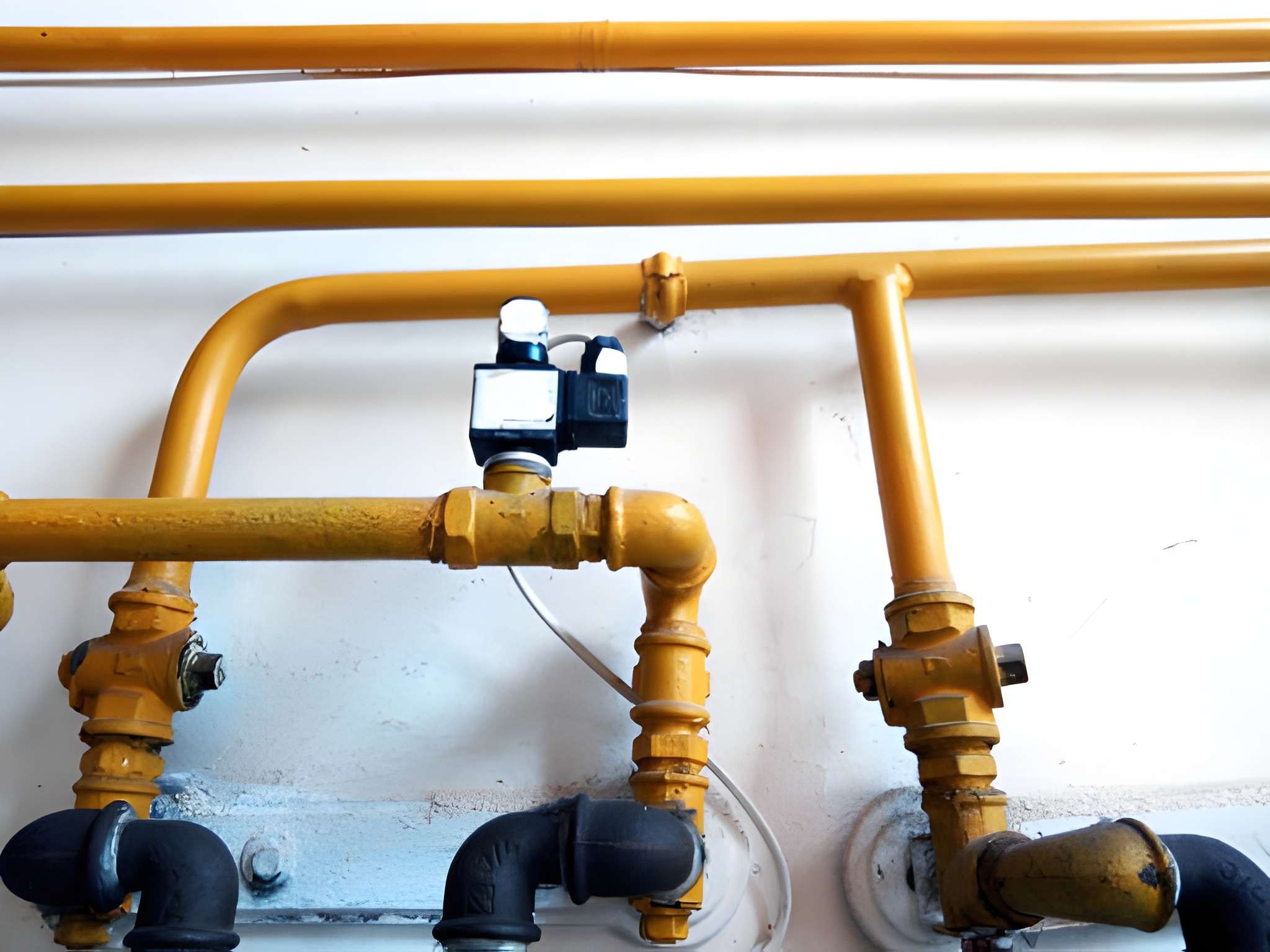
Modern residential gas lines are typically made from black iron, CSST (corrugated stainless steel tubing), or copper. The size of the pipe determines how much gas can flow through it - a line that's too small will cause pressure drops and reduced appliance performance, while oversized lines are wasteful and more expensive to install. Our team calculates the correct size based on your system's total BTU requirements and the distance the gas must travel from the meter to each appliance.
Pressure Regulation
A regulator near your gas meter reduces the incoming pressure to a level safe for your home's appliances. Regulators must be properly installed and maintained to ensure consistent, safe pressure throughout your system. If a regulator fails or isn't functioning correctly, appliances may not work properly or could become dangerous.
Safety Considerations
Gas lines must be installed with proper support, routed safely away from electrical wiring and other hazards, and protected from damage. Connections must be tight and secure, typically sealed with appropriate thread sealant or flare fittings. These details aren't just about code compliance - they're about protecting your family or employees and ensuring your system operates safely.
Common Natural Gas Piping Problems in Gates Homes
Over 25 years of experience serving the Gates and Willamette Valley area, we've encountered nearly every gas piping problem that exists. Here are the issues we see most often:
Undersized Gas Lines
This is one of the most common problems we find. When a homeowner upgrades to a larger heating system or adds appliances without upgrading the gas line, the line can't deliver enough gas to meet demand. This results in reduced heating capacity, longer heating times, and inconsistent performance.
Corrosion and Deterioration
Older black iron gas lines can corrode over time, especially in damp environments like basements or crawl spaces. Corrosion reduces the inner diameter of the pipe, restricting gas flow and potentially creating blockages. Severely corroded lines can develop leaks.
Improper Connections
Gas line connections must be absolutely tight. We sometimes find connections that weren't sealed properly, weren't made with appropriate materials, or have loosened over time. Even a small leak can waste gas and create a safety hazard.
Code Violations
When work is done on gas lines by unlicensed contractors or homeowners, it often doesn't meet current Oregon energy codes. We've seen lines routed unsafely, connections made with incorrect materials, and systems that lack proper support or protection. These violations can affect safety and system performance.
Pressure Regulation Issues
If your regulator is failing, you might experience inconsistent appliance performance or even dangerous pressure levels in your system. Regulators don't last forever and need to be replaced when they malfunction.
Improper Routing or Support
Gas lines that aren't properly supported can sag or develop kinks that restrict flow. Lines that run too close to electrical wiring or other hazards can become damaged, and lines that aren't protected in crawl spaces or other vulnerable areas can be punctured or corroded.
The Natural Gas Piping Installation Process
When you choose Stinson Mechanical for natural gas piping work, here's what to expect:
1. Assessment and Design
We begin by evaluating your current system, understanding your heating and hot water needs, and determining the right gas line configuration. We calculate the total BTU requirements, determine proper pipe sizing, and plan the most efficient route for the gas line. For upgrades or new installations, we ensure the design complies with current Oregon energy codes.
2. Permit and Inspection Coordination
We handle all necessary permits for your project and coordinate with local building and safety departments. This ensures everything is done correctly and protects you by ensuring inspections are completed at appropriate stages.
3. Installation
Our technicians install the gas line using quality materials and proven techniques. We ensure proper support, correct connections, and safe routing. For new installations, we'll likely install pressure test ports so the line can be tested before being put into service.
4. Pressure Testing
Once installed, we perform a pressure test to ensure the line has no leaks and delivers gas at the correct pressure. This critical step protects your safety and ensures your system will operate as designed.
5. Inspection and Sign-Off
The local building inspector verifies the work meets all code requirements. Once approved, your new gas line is ready for service.
6. System Commissioning
If you're installing a new appliance or heating system, we coordinate everything so the gas line connects properly and the system operates at peak efficiency from day one.
Safety and Code Compliance: Our Commitment to Your Property
Natural gas piping must meet rigorous safety and code standards - and for good reason. Improper gas line installation can lead to leaks, reduced heating performance, or worse. At Stinson Mechanical, we stay current with Oregon energy codes and ensure every gas piping project we undertake meets or exceeds all safety and compliance requirements.
Our approach to safety includes:
- Using appropriate materials for each application (black iron, CSST, copper, or approved alternatives)
- Sizing lines correctly based on actual BTU requirements
- Installing proper pressure regulators and safety devices
- Testing all work before putting it into service
- Coordinating with local inspectors to ensure compliance
- Providing documentation of all work completed
We understand that honesty and reliability matter when it comes to something as important as your gas piping system. We won't recommend unnecessary upgrades, but we will make sure you understand what's needed and why. If your current system is adequate, we'll tell you that. If upgrades are necessary for safety or performance, we'll explain the benefits and provide options.
Energy Efficiency and Proper Gas Piping
One of our core commitments is helping you stay comfortable in an efficient manner - and proper gas piping is a key part of that equation. An undersized or inefficient gas line forces your heating system to work harder, reducing efficiency and increasing energy costs. Conversely, a properly sized and installed gas line allows your furnace or heating system to operate at peak efficiency, delivering consistent comfort while minimizing energy waste.
When we design or upgrade your gas piping system, we focus on:
- Correctly sizing lines to deliver adequate gas pressure to all appliances
- Minimizing pressure drops through efficient routing
- Supporting your new or upgraded heating system's full capacity
- Ensuring the system can handle all your appliances simultaneously without pressure loss
- Maintaining compliance with energy-efficient system requirements
If you've recently upgraded to a high-efficiency furnace or heat pump and aren't seeing the energy savings you expected, your gas line might be part of the problem. We can evaluate your system and recommend upgrades that help you realize the full benefits of your investment.
Residential vs. Commercial Natural Gas Piping
While the basic principles of gas piping are the same for residential and commercial properties, there are some important differences:
Residential Gas Piping
Typical residential systems serve a furnace, water heater, and perhaps a fireplace or range. Gas lines are usually simpler and run through walls, under floors, or in crawl spaces. Residential code requirements are well-established, and our team has extensive experience with every type of residential installation, upgrade, and repair you might need.
Commercial Gas Piping
Commercial properties might have multiple heating zones, large capacity water heaters, generators, specialized kitchen equipment, or other appliances that require more complex gas piping systems. Commercial installations often require larger diameter pipes, more sophisticated pressure regulation, and careful coordination with other building systems. We work with property managers and business owners throughout the Willamette Valley to design and install commercial gas systems that meet your specific needs.
Maintenance Plans for Long-Term Performance
Natural gas piping doesn't require constant attention, but regular inspection and maintenance can prevent problems and ensure reliable operation. Stinson Mechanical offers maintenance plans that include periodic inspection of your gas lines and connections, checking for leaks, verifying proper pressure regulation, and identifying any potential issues before they become serious problems.
A well-maintained gas piping system will:
- Operate safely and reliably for decades
- Support your heating system's efficiency
- Prevent unexpected breakdowns during cold weather
- Give you peace of mind knowing your system is in good condition
Our maintenance plans are flexible and affordable, and they fit naturally into a comprehensive HVAC maintenance program that also covers your furnace, heat pump, or air conditioner.
Why Choose Stinson Mechanical for Your Natural Gas Piping Needs
We've been serving Gates, Lyons, Salem, and the Willamette Valley with over 25 years of HVAC experience. When it comes to natural gas piping, here's what sets us apart:
Honesty and Straight Talk
We don't oversell. We'll evaluate your gas piping system, explain what we find, and recommend only the work that actually needs to be done. If your current system is adequate, we'll say so. If upgrades are necessary, we'll explain why and what benefits you'll see.
Efficiency and Quick Service
We maintain sufficient stock of equipment and repair parts so we can complete most residential gas piping projects quickly - often in 1-2 hours. We respect your time and work efficiently without cutting corners.
Code Compliance and Safety
Every job we do meets or exceeds Oregon energy code requirements. We handle permits, coordinate inspections, and provide documentation so you know everything is done right. Your safety and the safety of your family or employees is our top priority.
Constant Communication
We stay in constant communication with our customers until the job is done. You'll know what to expect, when we'll arrive, and what work is being completed. No surprises, no hidden issues - just honest service and transparent communication.
Local Expertise
We understand the specific needs of Gates and Willamette Valley properties. We're familiar with local climate conditions, building styles, and code requirements. We're your neighbors, and we take pride in serving our community.
Flexible Financing Options
We understand that gas piping upgrades or new installations represent an investment in your property's comfort and efficiency. That's why we offer flexible financing options through Synchrony, making it easier to get the work done when you need it without straining your budget.
Getting Started with Your Gas Piping Project
Whether you need a new gas line installed, an existing line upgraded, or your system inspected to ensure it's safe and efficient, we're ready to help. Stinson Mechanical serves Gates, Lyons, Salem, and the surrounding Willamette Valley with honest, expert HVAC services - and that includes comprehensive natural gas piping solutions.
Contact us today to discuss your gas piping needs. We'll answer your questions, explain your options, and provide a free quote for any work you're considering. Our team is ready to help you stay comfortable and efficient, and we look forward to serving you.