.svg)
.svg)

Natural gas piping is one of those essential systems that most homeowners don't think about until something goes wrong - or until they're ready to upgrade their heating system. Whether you're building a new home, converting an existing system, or simply connecting a new appliance, having properly installed and maintained gas lines is critical for safety, efficiency, and peace of mind. At Stinson Mechanical, we've spent over 25 years helping customers throughout the Willamette Valley understand their natural gas piping needs and providing expert installation and maintenance services that keep their systems running safely and efficiently.
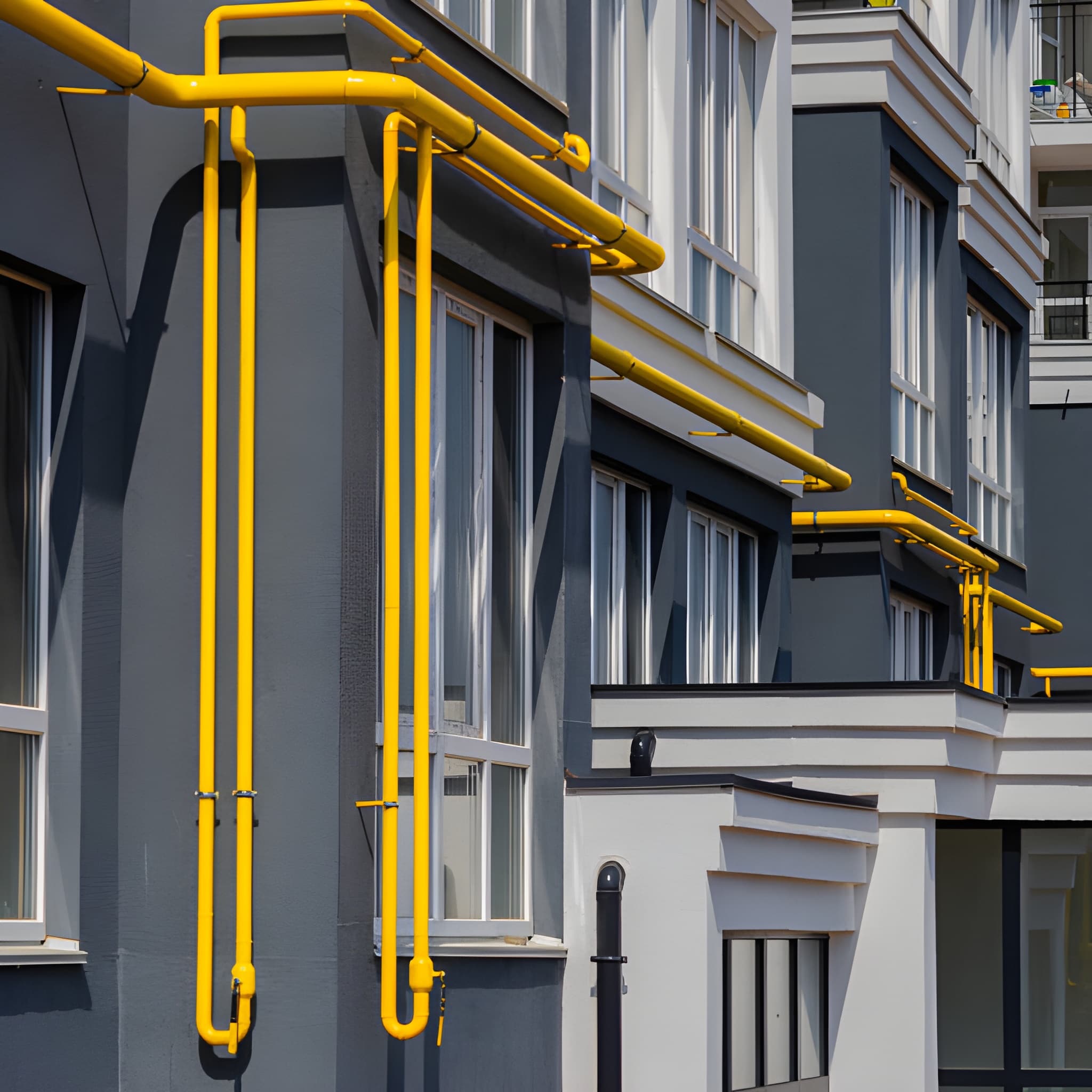
Why Natural Gas Piping Matters in Lebanon, OR
Lebanon and the surrounding Willamette Valley rely heavily on natural gas for home heating, water heating, cooking, and other appliances. The region's cooler winters make reliable gas heating systems essential - you need to know your system will work when temperatures drop. Proper gas piping ensures that fuel reaches your appliances safely and efficiently, while also protecting your home from potential hazards like gas leaks or pressure problems.
Natural gas piping isn't something you can ignore. An improperly sized system wastes energy and money. Leaks compromise both safety and efficiency. Old or corroded pipes can restrict gas flow and cause appliances to work harder than necessary. And when you're adding new appliances or upgrading your heating system, your existing piping may need modifications to handle the new load. That's where our expertise comes in.
New Gas Line Installation and System Design
When you're building a new home or significantly expanding your HVAC system in Lebanon, you need gas piping that's designed right from the start. This isn't just about running a pipe from your meter to your furnace - it's about sizing the system correctly for your specific appliances and usage patterns, selecting appropriate materials, and following all local codes and regulations.
Our approach to new gas line installation starts with understanding exactly what you need:
- Load calculation: We assess all the gas appliances you'll be running - your furnace, water heater, range, dryer, and any other gas-powered equipment - to determine the total BTU demand on your system
- Pipe sizing: Oversized pipes waste money and space; undersized pipes cause pressure drops that make appliances less efficient. We size every section of your gas line correctly
- Material selection: We use appropriate materials like copper, CSST (corrugated stainless steel tubing), or black iron pipe depending on the application, local codes, and your specific situation
- Route planning: We design efficient routing that minimizes fittings, reduces pressure loss, and integrates seamlessly with your home's layout
- Compliance: Every installation meets or exceeds Lebanon and Oregon energy codes and safety standards
New installations give us the chance to build your gas system the right way from day one, ensuring reliable service for years to come.
Gas Line Conversions and Upgrades
Maybe you have an older home that was built before natural gas service was available in your area, and now you want to convert from propane or electric heating. Or perhaps you're upgrading from an aging furnace to a high-efficiency model that requires different piping specifications. Gas line conversions and upgrades are common projects in the Willamette Valley as homeowners look for better efficiency and lower energy costs.
Conversion work requires careful planning and execution. You can't simply reuse old propane lines for natural gas - the systems operate at different pressures and have different safety requirements. When we handle a conversion, we:
- Assess your existing system: We evaluate current piping, connections, and appliances to understand what needs to change
- Design the conversion: We determine what new piping is needed, where existing lines can be repurposed or replaced, and what modifications are required for your appliances
- Install new lines: We run new gas piping to code specifications, ensuring proper sizing and support
- Upgrade connections: We install new regulators, shutoff valves, and connection points as needed
- Test and certify: We thoroughly test the system and provide documentation that your conversion meets all safety and code requirements
Upgrading to a modern, high-efficiency furnace or heat pump often means your gas piping needs to be reconsidered. Newer systems may have different pressure requirements or connection specifications than older equipment. We make sure your upgraded piping supports your new system's performance.
Appliance Connections and New Hookups
Adding a new gas appliance - whether it's a range, water heater, fireplace, or specialized equipment - requires a proper gas connection. This isn't something to improvise or handle with generic tips from the internet. Each appliance has specific connection requirements, safety considerations, and code compliance needs.
When you need a new gas appliance connection, Stinson Mechanical handles it with the same attention to detail we bring to larger projects:
- Proper line sizing: The gas line feeding your appliance must be sized correctly for that appliance's BTU demand
- Correct fittings and materials: We use code-approved connections and materials appropriate for the specific appliance and application
- Pressure regulation: We ensure the gas pressure reaching your appliance matches its specifications
- Safety testing: We test the connection to verify proper operation and safety before you start using the appliance
- Code compliance: Every connection meets Lebanon and Oregon requirements
Whether you're installing a new range in your kitchen remodel, adding a gas fireplace to your living room, or connecting a new water heater, we make sure the job is done safely and to code.
System Sizing and Material Selection
One of the biggest mistakes we see homeowners make is assuming all gas piping is the same. It's not. The materials you use, the pipe diameters, the number of fittings, and the total length of your system all affect how efficiently gas flows to your appliances and how reliably your system performs.
Proper sizing requires understanding several factors:
- Appliance BTU demand: Your furnace, water heater, range, and other appliances all demand specific amounts of gas measured in BTUs per hour. Your piping system must deliver that demand without excessive pressure loss
- Pressure drop calculations: As gas travels through pipes and fittings, friction causes pressure to drop. We calculate acceptable pressure drop (typically 0.5 inches of water column for most residential applications) and size accordingly
- Pipe material selection: Copper tubing, CSST, and black iron each have advantages and specific applications. We select the best material for your situation considering cost, durability, code compliance, and performance
- Future expansion: We design systems with room for future appliances or upgrades without complete replacement
Material selection is particularly important in Lebanon and the Willamette Valley. CSST piping offers flexibility and easier installation in complex layouts, while traditional black iron provides proven long-term durability. Copper offers excellent performance and longevity. We discuss the pros and cons of each option and help you choose what makes sense for your home and budget.
Compliance, Permitting, and Code Requirements
Oregon has specific codes governing natural gas installations, and Lebanon has local requirements as well. These aren't bureaucratic obstacles - they're safety standards designed to protect your home and family. We stay current with all applicable codes and handle the permitting process as part of our service.
Our compliance process includes:
- Code review: We know current Oregon energy codes and Lebanon requirements inside and out
- Permit acquisition: We handle all necessary permitting before starting work, ensuring your project is properly documented
- Installation to code: Every aspect of our work - from pipe sizing to support methods to connection specifications - meets or exceeds code requirements
- Inspection coordination: We schedule required inspections and work with local inspectors to ensure approval
- Documentation: You receive complete documentation of your system, permits, and inspections for your records and future reference
Staying compliant isn't just about passing inspection - it's about ensuring your system is safe, efficient, and will work reliably for years. It also protects your home's value and ensures insurability.
Testing, Certification, and Safety Verification
Once your gas piping is installed, thorough testing is non-negotiable. We don't consider a job complete until we've verified that your system is safe, functions properly, and meets all specifications.
Our testing and certification process includes:
- Pressure testing: We pressurize the system and verify that pressure holds steady, indicating no leaks
- Leak detection: Using specialized equipment, we check every connection and fitting for even the smallest leaks
- Flow testing: We verify that gas flows to each appliance at the correct pressure and volume
- Appliance verification: We test that connected appliances light, ignite, and operate properly with the new system
- Safety checklist: We perform a complete safety inspection covering all connections, supports, and clearances
- Certification documentation: You receive written certification that your system has been tested and meets safety standards
This thorough approach gives you confidence that your natural gas piping system is safe and ready to serve your home reliably.
Maintenance and Inspection Plans
Natural gas piping systems don't require constant attention, but they do benefit from periodic inspection and maintenance. Small issues caught early prevent bigger problems and potential safety hazards later.
We recommend regular inspection of your gas piping system, especially if you notice any of these warning signs:
- Rotten egg odor: Natural gas is odorless; utility companies add a mercaptan smell as a safety warning. If you smell this near your pipes or appliances, it could indicate a leak
- Hissing sounds: Sounds near gas connections or pipes may indicate a small leak
- Yellow or orange pilot lights: Pilot lights should be blue. Yellow or orange coloring might indicate incomplete combustion or pressure issues
- Appliances not working efficiently: If your furnace or water heater seems to work harder than usual, your gas pressure might be wrong
- Visible corrosion or damage: Any visible rust, damage, or deterioration on pipes or connections warrants inspection
Our maintenance approach keeps your system running safely and efficiently:
- Annual inspection: We recommend at least annual inspection of your gas piping, particularly before the heating season starts
- Visual assessment: We check for corrosion, leaks, improper support, or any visible issues
- Safety testing: We use gas detection equipment to verify there are no leaks at connections and along the piping run
- Appliance performance check: We verify that connected appliances are receiving proper gas pressure and operating efficiently
- Documentation: You receive a report on your system's condition and any recommendations for repairs or upgrades
Regular maintenance catches problems before they become serious, keeps your system running efficiently, and gives you peace of mind that everything is working safely.
Understanding Gas Pressure and Flow
One aspect of gas piping that confuses many homeowners is pressure. Natural gas systems operate at relatively low pressures compared to other utility systems, but pressure is critical to proper operation.
Most residential natural gas systems in Lebanon operate at about 0.5 pounds per square inch at the meter. From there, regulators reduce pressure further for use in your home - typically to about 5 inches of water column at the appliance connection. This low pressure is both a safety feature and a design constraint.
Low pressure means:
- Safety: If a line ruptures, gas escapes slowly enough to detect and address before creating a dangerous situation
- Design constraint: Every foot of pipe, every fitting, and every connection creates some resistance to flow. We must size your system to ensure adequate pressure reaches all appliances even with this resistance
This is why proper sizing matters so much. An undersized line creates excessive pressure drop, starving your appliances of gas and reducing their efficiency. An oversized line wastes materials and money while creating unnecessary pressure drops.
When we design your gas piping system, we calculate pressure drop for each section and ensure that every appliance receives the pressure it needs to operate efficiently. This technical precision is part of what "honesty" means to us at Stinson Mechanical - we size your system right rather than oversizing for profit.
Common Natural Gas Piping Questions
What's the difference between natural gas and propane piping?
Natural gas and propane are both gas fuels, but they have different densities and characteristics. Piping designed for one isn't automatically suitable for the other. Propane systems typically operate at higher pressures than natural gas systems, and the regulators and fittings are different. If you're converting from propane to natural gas (or vice versa), you typically need to replace or modify your piping system.
How do I know if I have a gas leak?
Natural gas itself is odorless, but utility companies add mercaptan - a chemical that smells like rotten eggs - as a safety warning. If you smell this odor near your gas meter, appliance connections, or along your gas line, you may have a leak. This is a serious situation requiring immediate attention. Turn off gas at the meter, leave your home, and call your gas utility or an emergency service. Never use an open flame or spark to look for leaks, and don't attempt repairs yourself.
Can I install my own gas piping?
Natural gas piping must be installed by licensed professionals who understand codes, safety requirements, and proper techniques. DIY gas piping installation is dangerous and typically not permitted by code. Even if you're experienced with other home projects, gas piping is one area where professional expertise is essential.
How often should I have my gas piping inspected?
We recommend at least annual inspection, particularly before the heating season. If you've had any work done on your system, we definitely recommend inspection afterward. If you notice any warning signs - odors, sounds, appliance problems, or visible issues - have your system inspected immediately.
What causes gas line corrosion?
Corrosion typically occurs where gas pipes contact moisture or corrosive materials. This is more common with older black iron pipes exposed to damp conditions. Copper and modern CSST tubing resist corrosion much better. If you have older pipes showing corrosion, we can evaluate whether they're still safe or should be replaced.
Can I extend an existing gas line to add a new appliance?
Possibly, but it requires proper evaluation. We need to check whether your existing piping is sized to handle additional demand. If the existing line is already at its maximum capacity for safe pressure drop, we'll need to install a new line or upgrade the existing one. This is another case where proper sizing prevents problems.
What's CSST piping and is it better than traditional pipe?
CSST (corrugated stainless steel tubing) is a flexible piping material that offers several advantages over rigid pipe: easier installation, fewer fittings required (which means fewer potential leak points), and excellent corrosion resistance. It's a great choice for many installations. Traditional black iron pipe is proven, durable, and often less expensive. Both can be appropriate depending on your specific situation. We discuss the advantages and disadvantages of each option for your project.
Why Choose Stinson Mechanical for Natural Gas Piping in Lebanon, OR
Natural gas piping might seem like a straightforward job - run a pipe, connect an appliance, turn it on. But the difference between adequate installation and expert installation shows up in efficiency, reliability, and safety over years of operation.
When you choose Stinson Mechanical for your natural gas piping needs in Lebanon and the Willamette Valley, you're getting:
- 25+ years of experience: Our team brings decades of combined HVAC and gas piping knowledge to every project
- Honesty and integrity: We size your system correctly, use appropriate materials, and charge fairly rather than overselling unnecessary work
- Code compliance: We stay current with Oregon energy codes and Lebanon requirements, handling all permitting and inspections
- Quick, efficient service: We maintain adequate stock of parts and materials so we can complete projects promptly without delays
- Constant communication: We keep you informed throughout your project so there are no surprises
- Comprehensive approach: Whether you need new installation, conversion, appliance connection, or maintenance, we handle it all
Your home's comfort, efficiency, and safety depend on your natural gas system working properly. That's why we take natural gas piping seriously and approach every project - whether it's a simple appliance connection or a complete new installation - with the same level of expertise and attention to detail.
If you have questions about natural gas piping for your Lebanon home or commercial property, or if you're ready to discuss your specific gas line needs, we're here to help. We provide free quotes and are happy to explain options, answer questions, and help you understand what makes sense for your situation.