.svg)
.svg)

When you need reliable natural gas service for your home or business in Monmouth, the quality of your gas piping system matters more than you might think. Natural gas piping connects your appliances to a safe, efficient fuel source - but only when installed and maintained correctly. At Stinson Mechanical, we handle everything from new gas line installations to routine inspections and safety certifications, keeping your natural gas system running safely and efficiently for years to come.
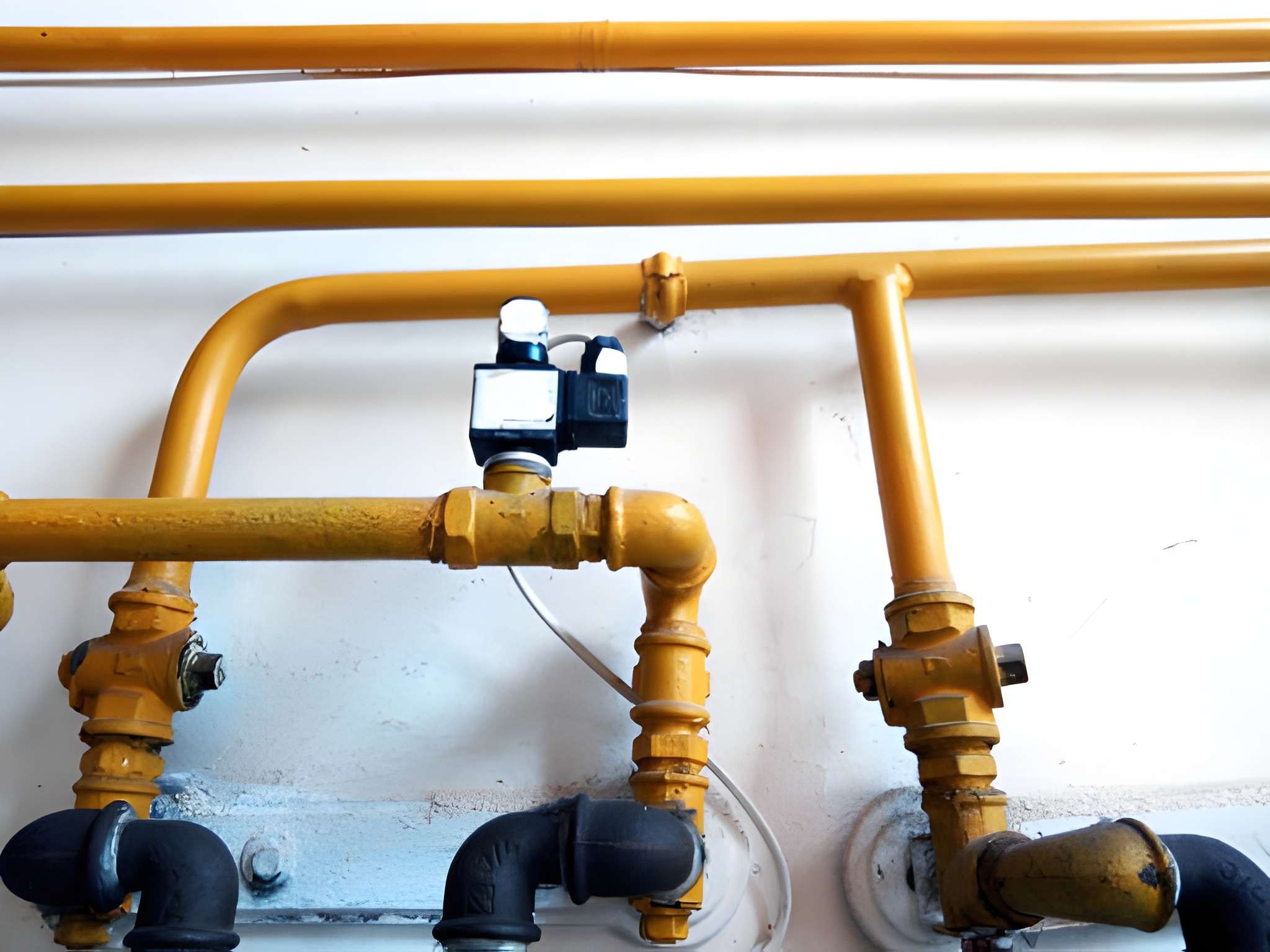
Whether you're building new, converting an existing system, or just need a routine inspection, understanding your natural gas piping options helps you make informed decisions. We've spent over 25 years working with gas systems throughout the Willamette Valley, and we're here to explain what's involved and help you choose the right solution for your property.
Why Natural Gas Piping Quality Matters
Your gas piping system carries fuel to furnaces, water heaters, stoves, fireplaces, and other appliances. A properly designed and installed system means reliable performance, safety, and efficiency. Poor installation or neglected maintenance, on the other hand, can lead to leaks, pressure problems, or safety hazards that put your home or business at risk.
The stakes are high with natural gas, which is why we focus on honesty and compliance first. Every job we do follows code requirements, uses proper materials, and gets thoroughly tested before we consider it complete. We stay in constant communication with our customers throughout the process, so you understand exactly what's happening with your system.
New Natural Gas Piping Installation
Installing a new natural gas system requires careful planning and precise execution. Whether you're adding gas service to a property that never had it or upgrading an older system, the process involves several important steps.
First, we assess your property and determine the best route for piping runs. This includes considering appliance locations, structural obstacles, outdoor exposure, and local code requirements. Proper sizing is critical - undersized pipes can't deliver adequate gas pressure to your appliances, while oversized pipes waste materials and money.
Key considerations for new installations:
- Pipe material selection (copper, steel, or CSST depending on application and code requirements)
- Line sizing calculations based on appliance demand
- Proper slope and support for drainage and stability
- Separation from electrical lines and other utilities
- Permit applications and inspections
- Pressure testing before final connection
- Safety certification
We handle the permit process for you, making sure everything meets current energy codes and Monmouth building requirements. Many homeowners and business owners worry about the complexity of new installations, but we break down the process and keep you informed every step of the way.
Gas Line Retrofits and Appliance Conversions
Sometimes you need to modify an existing gas system - maybe you're adding a new appliance, moving equipment to a different location, or converting from one fuel type to another. Retrofits require the same attention to detail as new installations, but they also demand flexibility in working with your existing setup.
When you're converting from electric to gas, for example, we size new piping to handle the gas demand, run lines safely to the appliance location, and ensure everything meets code. If you're relocating a water heater or adding a gas range to a kitchen that previously had electric, we design the system carefully so it performs reliably without disrupting your home or business.
Common retrofit scenarios:
- Adding gas service where none existed
- Relocating appliances to new rooms or floors
- Converting electric appliances to gas for efficiency
- Upgrading aging systems with modern piping materials
- Extending gas lines to new additions or remodels
Retrofits sometimes reveal older piping that should be replaced or upgraded. We'll let you know honestly if that's the case and explain your options. We make sure there's enough stock of equipment and repair parts on hand, so we can complete most retrofit work quickly without delays.
Appliance Hookups and System Connections
Once your piping is installed, proper appliance hookups are essential for safe, efficient operation. This is where precision matters - incorrect connections can lead to gas leaks, improper combustion, or safety failures.
Each appliance requires specific connection details. A furnace needs different handling than a water heater or a fireplace. We handle the flexible connectors, shutoff valves, and final connections that allow your appliance to receive the right amount of gas at the right pressure. We test every connection before you use the system, and we make sure you know where your shutoff valve is located in case you ever need it.
Routine Inspections and Preventative Maintenance
Your gas piping system isn't something you think about often - until something goes wrong. Regular inspections catch small issues before they become big problems, keeping your system safe and reliable year-round.
We recommend annual or bi-annual gas line inspections, especially before the heating season in fall or before you rely heavily on gas appliances. During an inspection, we check for corrosion, leaks, proper slopes, secure supports, and overall system integrity. We use specialized equipment to detect leaks that aren't visible to the eye, giving you real peace of mind.
What a typical gas piping inspection includes:
- Visual inspection of all visible piping and connections
- Pressure testing to confirm proper system pressure
- Leak detection using sensitive equipment
- Check of appliance connections and shutoff valves
- Assessment of pipe material condition
- Documentation of findings and recommendations
If we find corrosion, damage, or potential issues, we'll explain what's happening and recommend solutions. Some issues need immediate attention for safety reasons. Others can be scheduled during regular maintenance windows. We keep you informed so you can make smart decisions about your system.
Pressure and Leak Testing
One of the most important parts of any gas piping work is thorough pressure and leak testing. This is how we verify that your system is safe and ready to use.
After installation or modification, we pressurize the system and monitor it to ensure it holds pressure without dropping - a sign that there's a leak somewhere. We use specialized leak detection equipment to find even tiny leaks that could become hazards over time. Everything gets tested and certified before we consider the job complete.
This testing gives you and your family or business the assurance that your gas system is safe. It's not something you can skip - it's a critical safety requirement that protects everyone who uses the building.
Permit Handling and Code Compliance
Natural gas work in Monmouth requires permits and inspections. Rather than leaving this burden on you, Stinson Mechanical handles the paperwork and coordination with local authorities. We know the current energy codes and building requirements for the Willamette Valley area, and we make sure every job we do complies fully.
Our priorities include keeping our customers comfortable in an efficient manner while providing options to conform with changes to energy codes. This means your new or upgraded gas system not only meets today's requirements but is also built to last as codes evolve.
We stay current on permit processes and inspection schedules, so there are no surprises. When the city inspector comes out, your system passes - that's the standard we maintain.
Natural Gas Safety Certification
After your system is installed or modified, safety certification documents that everything was done correctly. This certification protects you, gives you records if you ever need to sell or refinance your property, and ensures that your system meets all safety standards.
We handle the certification process as part of our work. You'll receive documentation showing that your gas piping system has been installed properly, tested thoroughly, and approved for use. This is especially important for new construction or major renovations where lenders and inspectors need to verify safety and code compliance.
Long-Term Reliability and Efficiency Considerations
Natural gas piping systems can last for decades when installed and maintained properly. The material you choose, the way pipes are routed and supported, and how well you maintain the system all affect longevity.
Modern materials like CSST (corrugated stainless steel tubing) offer flexibility and corrosion resistance in many applications. Traditional copper and steel piping, properly installed and maintained, also perform reliably. Each has advantages depending on your specific situation - we'll discuss which option makes sense for your property.
Efficiency matters too. Properly sized piping delivers gas at the right pressure to your appliances, so they operate as designed. Undersized or poorly designed systems force appliances to work harder, reducing efficiency and shortening equipment life. We size your system correctly from the start, maximizing efficiency and reliability.
Regular maintenance - those annual inspections and pressure checks - keeps your system running at peak performance. Small issues get caught early. Corrosion gets addressed before it creates safety concerns. Your appliances get the consistent gas supply they need to heat your home, heat your water, or cook your food efficiently.
Why Choose Stinson Mechanical for Gas Piping in Monmouth
We're a local HVAC company in Lyons with over 25 years of experience working on heating and gas systems throughout the Willamette Valley. We know the area, we understand local code requirements, and we understand what it takes to keep your systems running safely and efficiently.
Honesty is our first priority. We'll tell you what your system needs, explain your options clearly, and recommend solutions based on what's best for you - not what generates the biggest invoice. We make sure there's enough stock of equipment and repair parts on hand, so we can complete most work quickly without long delays or multiple visits.
When you call Stinson Mechanical for natural gas piping work in Monmouth, you're getting experienced technicians who know gas systems inside and out. We handle everything from new installations to routine maintenance, and we're committed to keeping your system safe, reliable, and efficient for years to come. Whether you need a new gas line installed, an existing system inspected, or an appliance hookup done right, we've got the expertise and the honest approach you deserve.