.svg)
.svg)

Natural gas piping is one of those essential home systems that most people don't think about until something goes wrong. Whether you're installing a new gas appliance, upgrading an older system, or ensuring your current setup meets current safety standards, having reliable natural gas piping is crucial for your home's comfort and safety. At Stinson Mechanical, we understand the importance of getting this right the first time, and we've spent over 25 years perfecting our approach to natural gas piping installations and maintenance throughout the Willamette Valley and Silverton area.
Why Natural Gas Piping Matters for Your Home
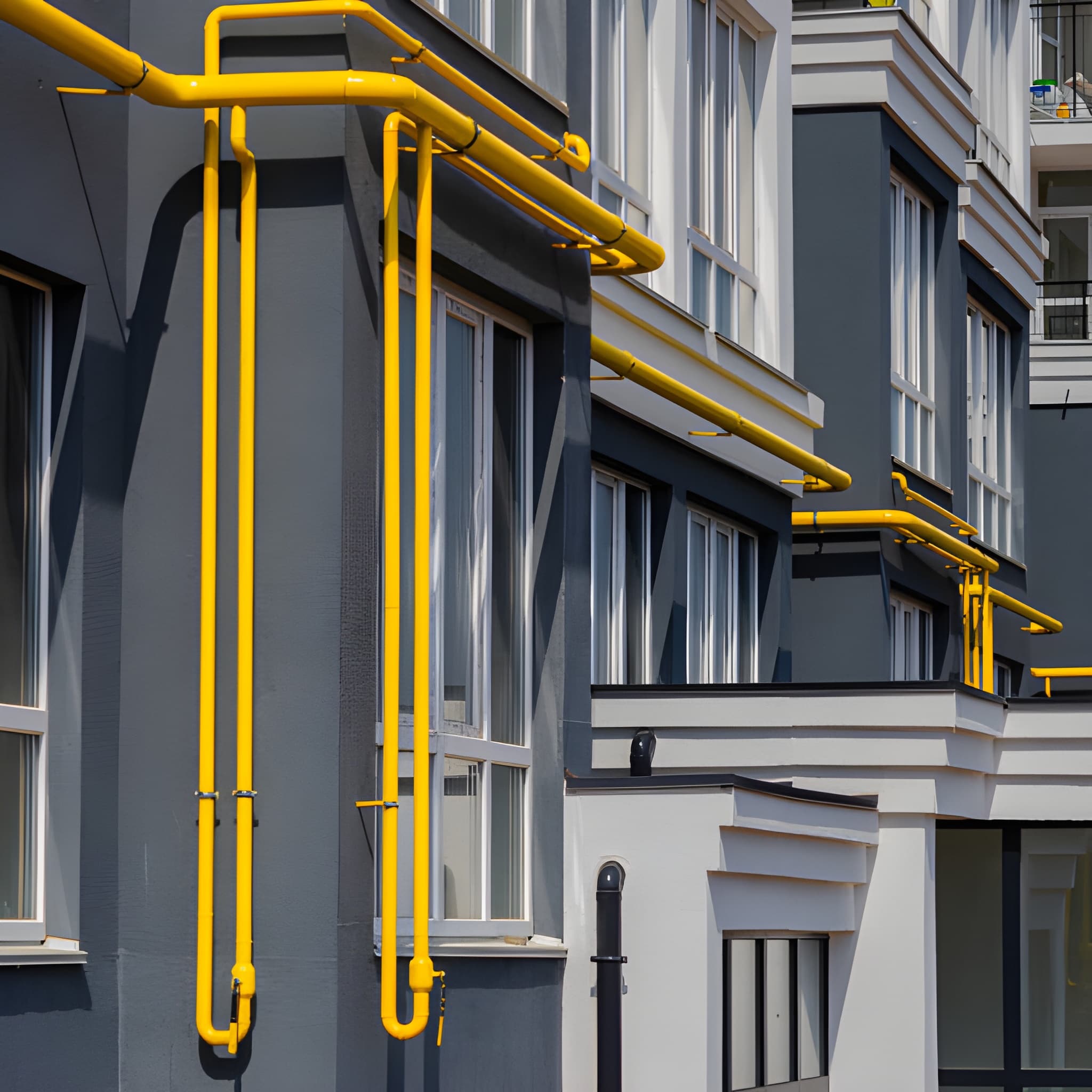
Natural gas piping systems are the backbone of many homes and commercial properties in Silverton, OR. These systems deliver gas safely to furnaces, water heaters, ranges, and other appliances. When your piping is properly installed and maintained, you get efficient performance, lower energy bills, and the peace of mind that comes with knowing your system is safe. But when there are issues - whether it's old piping that needs upgrading, new appliance installations that require rerouting, or code compliance concerns - you need experienced professionals who know exactly what they're doing.
The climate in the Silverton area and throughout Oregon puts unique demands on natural gas systems. Temperature fluctuations, seasonal changes, and the natural wear and tear that comes with time can all affect your piping integrity. That's why routine inspections and maintenance aren't just recommended - they're essential.
Common Natural Gas Piping Issues in Silverton
If you're experiencing problems with your natural gas system, you're not alone. Here are some of the most common issues we see in Silverton and the surrounding areas:
- Old or deteriorating piping - If your home was built decades ago, your original gas lines may be corroded, kinked, or simply outdated. Older materials can break down over time, reducing efficiency and creating safety concerns.
- Leaks or smell of gas - A noticeable gas smell, hissing sounds, or visible corrosion are red flags that your system needs immediate attention. Never ignore these warning signs.
- Inconsistent appliance performance - If your furnace isn't heating evenly, your water heater is struggling, or your range burners aren't working properly, the issue might be with your gas supply line.
- Need for appliance upgrades - When you install a new gas water heater, furnace, range, or other appliance, existing piping may need to be rerouted or upgraded to handle the new equipment safely and efficiently.
- Code compliance concerns - Building codes change, and older systems may no longer meet current standards. If you're remodeling, upgrading, or simply want to ensure your system is up to code, we can help.
- Low gas pressure - If multiple appliances aren't performing well, low pressure in your gas line could be the culprit.
- Poor connections at appliances - Loose or improper connections can cause leaks, inefficiency, or appliance failures.
Our Natural Gas Piping Services
Stinson Mechanical offers comprehensive natural gas piping services for both residential and commercial properties throughout Silverton, OR and the wider Willamette Valley. Here's what we do:
New Installation
When you need a completely new natural gas piping system - whether you're building a new home, adding a gas appliance to a property that didn't previously have gas service, or converting from another fuel source - we handle the entire process. We assess your property, determine the best routing for pipes, select appropriate materials, and complete the installation with full code compliance and pressure testing.
System Upgrades and Reroutes
If you're upgrading to a new furnace, water heater, or other gas appliance, your existing piping may need adjustment. We'll evaluate your current system, determine what changes are necessary, and make those modifications efficiently and safely. Our team can reroute pipes around renovations, upgrade materials to meet current standards, or expand your system to serve additional appliances.
Retrofits for Appliance Changes
Adding a new gas range to your kitchen? Switching to a gas water heater? Replacing an old furnace? We handle all the piping work required to safely connect your new appliance to your gas supply. We ensure proper sizing, correct connections, and full safety verification.
Code Compliance Checks
Building codes evolve, and what was acceptable ten years ago might not meet today's standards. We perform thorough inspections to verify your natural gas piping system meets current Oregon energy codes and safety regulations. If updates are needed, we'll explain what's required and handle the work professionally.
Pressure Testing
One of the most critical aspects of natural gas piping is ensuring the system holds pressure properly and there are no leaks. We use specialized equipment to perform comprehensive pressure tests on new installations and existing systems. This testing verifies that every connection is secure and your system operates safely.
Safety Inspections
Before you take possession of a new home, after a major renovation, or simply as part of routine maintenance, a safety inspection gives you confidence in your gas system. We check for leaks, corrosion, proper ventilation, correct pressure, and overall system integrity.
Maintenance and Regular Service
Like any system in your home, natural gas piping benefits from regular attention. We recommend annual inspections to catch potential issues early, keep your system running efficiently, and avoid expensive emergency repairs down the road.
Materials and Installation Methods
At Stinson Mechanical, we work with the best materials appropriate for your specific situation. The choice of piping material depends on your needs, local codes, and your budget, and we'll explain your options clearly so you can make an informed decision.
Copper tubing is a popular choice for natural gas piping. It's durable, reliable, resists corrosion well, and has been used successfully in homes and commercial buildings for decades. Copper is particularly good in areas with aggressive soil conditions or where longevity is a priority.
Black iron pipe has been used for natural gas applications for many years. It's cost-effective and performs well when properly installed and maintained. However, it can be susceptible to corrosion in certain conditions, so it's not always the best choice for every situation.
PEX tubing is a newer option that's becoming more common. It's flexible, easier to install in some situations, and resists corrosion. PEX can be an excellent choice for certain applications, though it's not appropriate for all scenarios.
CSST (corrugated stainless steel tubing) offers flexibility and is faster to install than traditional rigid piping in some cases. It works well for certain residential applications, though it does require proper bonding for safety in lightning-prone areas.
We evaluate your specific situation, discuss the pros and cons of each material option, and recommend what will work best for your property. Our 25 years of experience means we've worked with all these materials and understand which performs best in different circumstances.
The Natural Gas Piping Process
When you contact Stinson Mechanical for natural gas piping work, here's what you can expect:
1. Initial AssessmentWe start by understanding exactly what you need. Are you installing a new appliance? Upgrading an entire system? Concerned about safety? During this conversation, we'll ask questions about your property, existing systems, and goals so we can provide accurate guidance.
2. Site EvaluationOur experienced technicians visit your home or commercial property to assess the current situation. We look at existing piping, evaluate routing options, check for any visible issues, and determine the best approach for your project. This thorough evaluation ensures we give you an accurate picture of what's needed and why.
3. Free QuoteAfter our evaluation, we provide a free, detailed quote that explains exactly what work will be done, what materials will be used, and what it will cost. We believe in transparency - no surprises, no hidden fees. You'll understand what you're getting before you commit.
4. Permit CoordinationMany natural gas piping projects require permits in Silverton and Marion County. We handle the permit process, ensuring your project complies with all local codes and regulations. We'll explain what permits are needed and manage the paperwork and inspections.
5. Installation or UpgradeOur team completes the work with attention to detail and cleanliness. We stay in constant communication with you throughout the project so you know what's happening and when we'll be finished. Whether it's a straightforward installation or a complex reroute around existing home systems, we approach every job with the same commitment to quality.
6. Testing and VerificationBefore we consider the job complete, we perform comprehensive pressure testing to ensure there are no leaks and your system holds pressure as designed. We verify all connections are tight and secure, and that every aspect of the installation meets code requirements.
7. Certification and DocumentationOnce testing is complete and everything passes inspection, we provide you with all necessary documentation and certificates. This paperwork is important for your records, for insurance purposes, and if you ever sell your home.
Understanding Permit Requirements
If you're planning a natural gas piping project in Silverton, you'll want to understand the permit requirements. Most new installations, significant upgrades, and appliance connections require permits in Oregon. This might seem like extra hassle, but permits actually protect you - they ensure your work is done to code and has been inspected by qualified professionals.
The permit process typically involves filing for approval before work begins, scheduling inspection(s) during and after the work, and receiving final certification once everything passes. We handle this entire process for our customers. We know the local requirements, maintain the relationships with inspectors, and ensure everything moves smoothly.
Permit costs vary depending on the scope of work, but they're a necessary investment in your home's safety and value. When you work with Stinson Mechanical, we'll explain exactly what permits your project requires and factor those costs into your quote upfront.
Financing Your Natural Gas Piping Project
We understand that home improvement projects involve real expense, and not everyone wants to pay everything upfront. That's why Stinson Mechanical offers flexible financing through Synchrony. Whether you're doing a small piping upgrade or a comprehensive system installation, financing options can help make the project more manageable for your budget.
When you get your free quote from us, we can discuss financing possibilities and help you understand the options available. We believe honest communication about costs is important - no hidden terms, no surprises when the bill arrives.
Why Choose Stinson Mechanical for Natural Gas Piping in Silverton
When you're making a decision about who handles your natural gas piping, you're making a decision about safety, quality, and peace of mind. Here's why Stinson Mechanical stands out:
Experience and expertise - Our team brings over 25 years of HVAC and gas line experience. We've completed thousands of projects throughout the Willamette Valley and Silverton area. That depth of experience means we've seen it all and know how to handle whatever your project requires.
Honesty and transparency - We don't believe in pressure sales, hidden costs, or unnecessary upselling. We explain what you need, why you need it, and what it will cost. You get a free quote with no obligation, and you'll understand exactly what you're paying for.
Local knowledge - We're based in Lyons and serve Silverton, Salem, and the surrounding area. We understand the local climate, local codes, local contractors, and local needs. We're not a big national chain - we're your neighbors, and we care about our reputation in the community.
Comprehensive service - From initial assessment through final certification, we handle every aspect of your natural gas piping project. You work with one company from start to finish, which means better communication, better quality control, and fewer headaches.
Quick service - We maintain adequate stock of materials and parts, which means we can often complete projects faster than competitors. We also return calls promptly and schedule service at times that work for you.
Code compliance focus - We stay current on energy codes and safety regulations. Your system won't just work - it will meet all current standards and pass inspection the first time.
Both residential and commercial experience - Whether you're a homeowner in Silverton or manage a commercial property, we've worked with properties like yours. We understand the different requirements and challenges of each.
Maintenance Recommendations for Natural Gas Systems
Once your natural gas piping system is installed or upgraded, keeping it in good shape requires some basic maintenance and attention. Here's what we recommend:
- Annual inspections - Have your system inspected once a year, ideally before the heating season begins. This catches small issues before they become big problems.
- Watch for warning signs - Never ignore the smell of gas, hissing sounds near pipes, or visible corrosion. Call us immediately if you notice anything concerning.
- Keep appliance connections tight - As your home settles and systems cycle, connections can gradually loosen. We'll check these during maintenance visits.
- Check for proper ventilation - Natural gas appliances need proper ventilation. Make sure nothing is blocking vents or creating safety hazards.
- Have leaks tested professionally - If you suspect a leak, don't try to find it yourself with soap and water. Call us for a proper pressure test with professional equipment.
- Update outdated systems - If your piping is 30+ years old, consider a professional evaluation. Newer materials and methods can improve efficiency and safety.
Common Questions About Natural Gas Piping
What does a natural gas safety inspection involve?A comprehensive safety inspection checks your entire system from the meter connection through all pipes and appliance connections. We look for leaks using specialized equipment, check pressure, verify proper ventilation, inspect for corrosion or damage, and confirm all connections are secure. We'll explain any issues we find and recommend next steps.
How long does a natural gas piping installation take?This depends on the scope of work. A simple appliance connection might take a few hours. A complete system installation or major upgrade could take several days. During your free quote, we'll give you a realistic timeline for your specific project.
Is it safe to have natural gas piping inside my walls?Yes, when properly installed by professionals and according to code. However, codes do have specific requirements about how gas lines are installed, what materials are used, and how they're protected. We ensure all work meets these requirements.
What should I do if I smell gas?Leave the area immediately, don't use electrical switches or create flames, and call the gas company's emergency line or emergency services. Once the situation is safe, call us to have your system inspected and any leaks repaired.
Can I install natural gas piping myself?In Oregon, most natural gas piping work requires a licensed contractor and must be permitted and inspected. This isn't a DIY project - it requires professional expertise and certification.
Making Your Decision
If you're in Silverton, OR and need natural gas piping services - whether it's a new installation, an upgrade, a safety inspection, or anything in between - Stinson Mechanical is ready to help. We'll give you honest answers, clear explanations, and quality work that you can trust.
Reach out today for your free quote. We'll evaluate your situation, explain your options, and help you move forward with confidence. We're looking forward to keeping your home or business comfortable and safe with reliable natural gas piping systems that work the way they should.