.svg)
.svg)

Heat pump systems have become one of the most efficient heating and cooling solutions for homes and businesses throughout the Willamette Valley, and Scio residents are increasingly discovering how these systems can keep them comfortable year-round while significantly reducing energy costs. If you're considering a heat pump installation or want to understand how this technology works in our region's unique climate, Stinson Mechanical is here to help you navigate your options with honesty and expertise.
Heat pumps are remarkably efficient because they don't generate heat the way traditional furnaces do - instead, they transfer heat from one place to another. During cold winters, they extract warmth from the outside air (even when it feels frigid) and move it indoors. In summer, they reverse the process, pulling heat from inside your home and releasing it outside. This fundamental difference means you get heating and cooling from a single system while using significantly less energy than conventional alternatives. For Scio residents facing the region's cool, wet winters and warm, dry summers, heat pumps represent an intelligent investment in long-term comfort and savings.
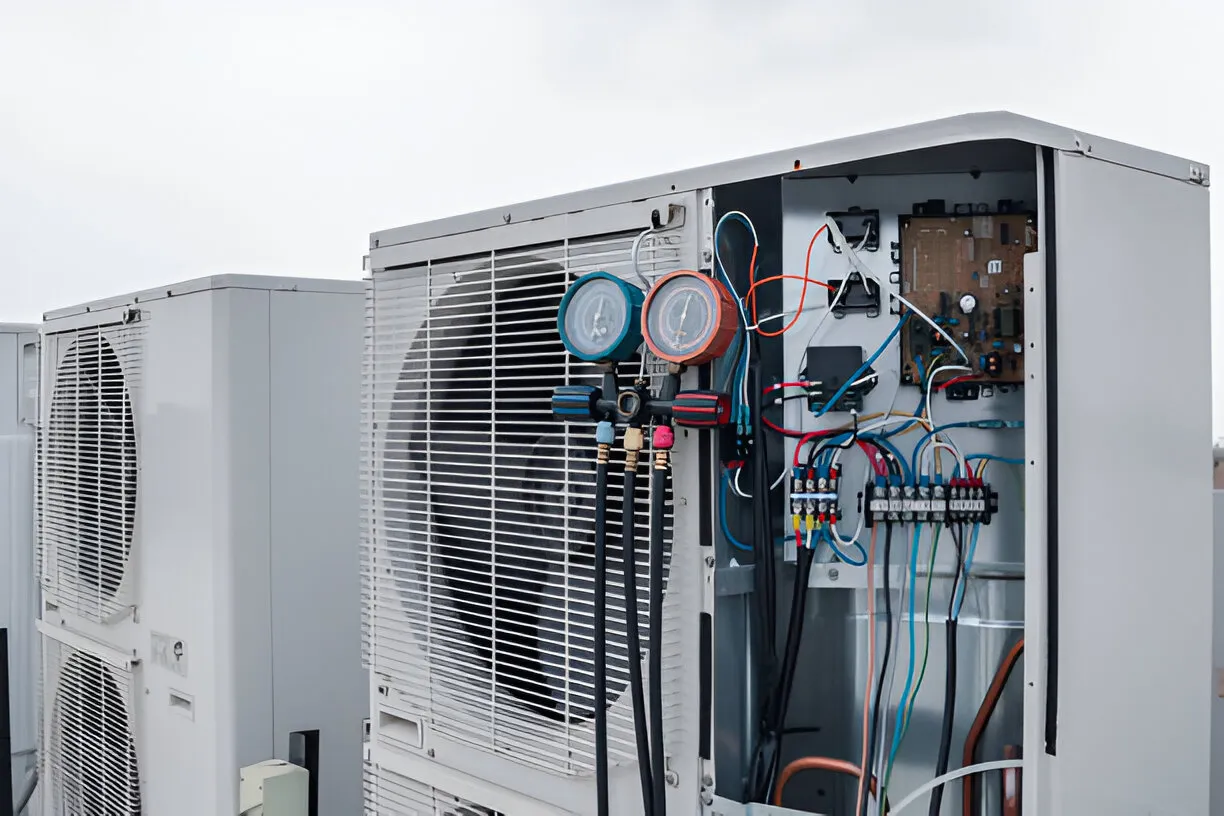
Why Heat Pumps Make Sense for Scio Homes and Businesses
The Willamette Valley's climate presents specific challenges that heat pumps are uniquely suited to address. Our winters can be damp and chilly, requiring reliable heating for extended periods, while our summers bring warm days that demand effective cooling. Traditional gas furnaces excel at winter heating but require separate air conditioning for summer comfort—and they consume considerably more energy doing it. Heat pumps handle both seasons with remarkable efficiency, which directly translates to lower utility bills throughout the year.
Many Scio homeowners wonder whether heat pumps can actually keep homes warm when outside temperatures drop. The answer is yes. Modern heat pumps remain highly effective even in temperatures well below freezing. Air-source heat pumps continue extracting heat from outdoor air down to around 0 degrees Fahrenheit, and newer systems push this capability even further. For the occasional days when our region experiences extreme cold, many systems include auxiliary electric heat that engages automatically, ensuring your home stays comfortable without any action on your part.
Energy savings are frequently the primary driver for Scio families considering heat pump installation. A properly sized and installed heat pump system typically reduces heating and cooling costs by 30 to 50 percent compared to traditional furnaces and air conditioners. These aren't theoretical savings—they appear directly in your monthly utility bills. Homeowners who heat with electric resistance or older gas furnaces see particularly dramatic reductions. Even more beneficial, many heat pump installations qualify for regional rebates and incentives, which can substantially offset your initial investment.
Types of Heat Pump Systems for the Scio Area
Stinson Mechanical offers two primary heat pump configurations, each suited to different home layouts and comfort preferences in our community.
Air-Source Heat Pumps are a common choice for Scio residences. These systems use an outdoor unit that exchanges heat with the surrounding air and an indoor unit that distributes conditioned air throughout your home via ductwork. If your home already has ductwork from a previous system, an air-source heat pump fits seamlessly into your existing infrastructure. These systems provide whole-home heating and cooling with consistent comfort from room to room. Air-source systems represent an excellent choice for homeowners seeking comprehensive climate control with minimal modifications to their homes.
Ductless Heat Pump Systems offer flexibility for Scio homes without existing ductwork or for situations where you want targeted zone control. A ductless system, also called a mini-split, consists of one or more indoor wall-mounted units connected to an outdoor compressor unit. Each indoor unit operates independently, allowing you to heat or cool specific rooms or zones while leaving others untouched. This flexibility means you can maintain different temperatures throughout your home based on actual usage patterns, which further reduces energy consumption. Ductless systems excel in additions, renovations, or homes with room-specific comfort challenges. They're also an ideal solution if you're converting a space in an older Scio home that wasn't originally designed for climate control—a basement, garage conversion, or sunroom becomes comfortable year-round without the disruption of installing new ductwork.
Sizing and Load Calculations for Scio Homes
One critical factor determining whether a heat pump delivers the comfort and efficiency you expect is proper system sizing. This isn't about picking the largest unit available—it's about matching system capacity to your home's actual heating and cooling requirements.
Stinson Mechanical conducts detailed load calculations specific to your Scio home. We evaluate your home's square footage, insulation levels (particularly important in older properties), window quality and orientation, air sealing, local weather patterns, and your comfort preferences. We also consider how your home faces our regional climate—does it receive afternoon summer sun exposure? Are there shaded areas that stay cooler? This comprehensive analysis ensures we recommend a system that keeps your home comfortable without oversizing, which saves you money on both the initial installation and years of operating costs.
The Willamette Valley's specific climate characteristics influence sizing recommendations. Our region experiences moderate winter temperatures compared to inland areas, which allows appropriately sized heat pump capacities to handle seasonal heating reliably. Conversely, our summer temperatures rarely demand the maximum cooling capacity required in hotter climates. This regional reality often means Scio homeowners can install appropriately sized, efficient systems rather than oversized equipment.
Professional Installation and System Commissioning
Installing a heat pump system involves considerably more than simply connecting outdoor and indoor units. Proper installation determines whether your system achieves its rated efficiency, provides reliable operation throughout its service life, and delivers consistent comfort. Stinson Mechanical's installation process reflects our commitment to honest, professional work and our deep expertise in the Willamette Valley's specific needs.
Our installation process begins with careful equipment placement. For outdoor units, we select locations that maximize airflow, minimize aesthetic impact on your property, and account for snow accumulation patterns during our wet winters. For indoor units in ductless systems, we determine wall locations that provide effective room coverage while respecting your home's design. In systems using existing ductwork, we inspect the ductwork's condition, seal any leaks, and ensure it's appropriately sized for heat pump operation.
We prioritize minimizing disruption to your daily routine during installation. Most complete heat pump installations are accomplished in one to two days, though this timeline varies based on system type and your home's existing infrastructure. Our team coordinates scheduling to fit your needs and keeps you informed throughout the process.
System commissioning happens after installation and before we consider the job complete. This critical step involves starting up your system, verifying that all components operate correctly, testing controls and safety features, and ensuring proper refrigerant charge. We also walk you through operating your new system. You'll know exactly how to operate your heat pump confidently and efficiently.
Seasonal Maintenance for Long-Term Performance
Heat pump systems are remarkably reliable machines, but like all mechanical equipment, they benefit from regular maintenance. Stinson Mechanical recommends twice-yearly maintenance—once in fall before heating season and once in spring before cooling demands peak. This maintenance schedule aligns perfectly with the Willamette Valley's seasonal transitions and ensures your system is prepared for the specific demands each season brings.
Fall maintenance focuses on preparing your heat pump for winter operation. We inspect and clean outdoor coils, check refrigerant levels, test heating performance, verify that reversing valves operate smoothly, and ensure electrical connections are secure. We also inspect any backup electric heat elements to confirm they're ready if needed during extreme cold snaps.
Spring maintenance prepares your system for summer cooling season. We clean indoor evaporator coils, check the condensate drain to ensure proper water removal, verify cooling performance, and confirm that your system efficiently switches between heating and cooling modes. We also examine the outdoor unit for debris accumulated over winter—leaves, agricultural debris, and other material common in our rural setting can restrict airflow if not removed.
Stinson Mechanical offers maintenance agreements that remove the guesswork from seasonal preparation. With an agreement in place, you don't have to remember to schedule maintenance or wonder if your system is truly ready for coming weather demands. For busy Scio families, farm owners, and business owners, this peace of mind is invaluable.
Common Heat Pump Issues and Diagnostic Approaches
While heat pump systems are inherently reliable, occasional issues do arise. Understanding common problems helps you recognize when professional service is needed.
Inadequate Heating or Cooling is the most frequently reported issue. This might mean your system runs constantly without reaching set temperatures, or certain rooms stay uncomfortable while others feel fine. Common causes include improper thermostat settings, dirty air filters, blocked or leaking ductwork, refrigerant undercharge, or an undersized system. Our diagnostic process checks each possibility systematically.
Outdoor Unit Not Running suggests several possible issues. The most common is a tripped circuit breaker or a blown fuse—these are easily corrected. If the outdoor unit genuinely won't operate, causes might include a failed compressor, refrigerant leak, electrical control failure, or a faulty reversing valve. Our technicians systematically test each component to pinpoint the actual problem.
Unusual Sounds often trigger concern. Heat pumps naturally produce some operational noise. However, grinding, squealing, or banging noises indicate problems requiring professional attention. These might suggest a failing compressor, debris in the outdoor unit (common in our rural setting), or loose mounting components.
Frozen Outdoor Coils occasionally occur during our region's damp, cold weather. A light frost accumulation is normal, but excessive ice buildup prevents the system from operating. This might result from a malfunctioning defrost control, low refrigerant charge, or airflow restriction.
When you contact Stinson Mechanical about a heat pump concern, our team asks targeted questions about when the problem occurs, what temperatures or conditions make it worse, and what you've already tried. This information guides our diagnostic process. Most residential heat pump repairs are completed within one to two hours, minimizing disruption to your day.
Expected Energy Savings and Long-Term Value
Understanding the financial benefits of heat pump installation helps you make confident decisions about whether this system makes sense for your Scio home or business. Most homeowners see tangible energy savings within the first month of operation, with savings becoming increasingly apparent as you accumulate utility bills across multiple seasons.
A properly sized and installed heat pump system typically reduces annual heating and cooling costs by 30 to 50 percent compared to traditional furnaces combined with air conditioning. Over a heat pump's 15 to 20-year service life, these cumulative savings are substantial.
Beyond direct energy savings, heat pump installation increases your home's value. Modern, efficient climate control systems are attractive to homebuyers and reflect positively during home appraisals. A heat pump installation represents an investment in your property's long-term appeal and market value.
Why Choose Stinson Mechanical for Your Scio Heat Pump Needs
Stinson Mechanical was founded on the principle of honest, expert service, and that commitment shapes every heat pump installation and service we perform. We have extensive experience mastering HVAC systems and understanding the Willamette Valley's specific climate challenges. This isn't generic HVAC knowledge—it's deep, regional expertise built through countless installations and service calls across Scio and surrounding areas.
We maintain equipment and parts inventory locally, which means when you need service, we typically have what's required on hand. You won't experience long delays waiting for parts to arrive—we keep common components stocked specifically to minimize disruption to your daily routine. Our commitment to inventory management reflects our understanding that an HVAC failure during extreme weather is stressful, and our local stock availability gets you back to comfort quickly.
Our team prioritizes constant communication with customers until the job is completely done. From the initial assessment through commissioning and beyond, we explain what we're finding, what we recommend, and why. You're never left wondering what's happening with your heat pump system or why we're recommending specific solutions. This transparent approach builds the trust that's so important when you're making significant home comfort investments.
Heat pump systems represent intelligent heating and cooling solutions for Scio homes, farms, and businesses, delivering comfort, efficiency, and substantial long-term savings. Whether you're interested in a whole-home air-source system or targeted ductless heat pump zones, Stinson Mechanical is here to guide you through the process with honesty, expertise, and genuine care for your comfort and financial wellbeing.