.svg)
.svg)

When winter arrives in Albany, your furnace becomes one of the most important systems in your home. A reliable heating system isn't just about comfort - it's about keeping your family safe and managing energy costs effectively. Whether you're replacing an aging furnace or installing a new system in a home that's never had one, understanding the furnace installation process helps you make the right decision for your needs.
.jpeg)
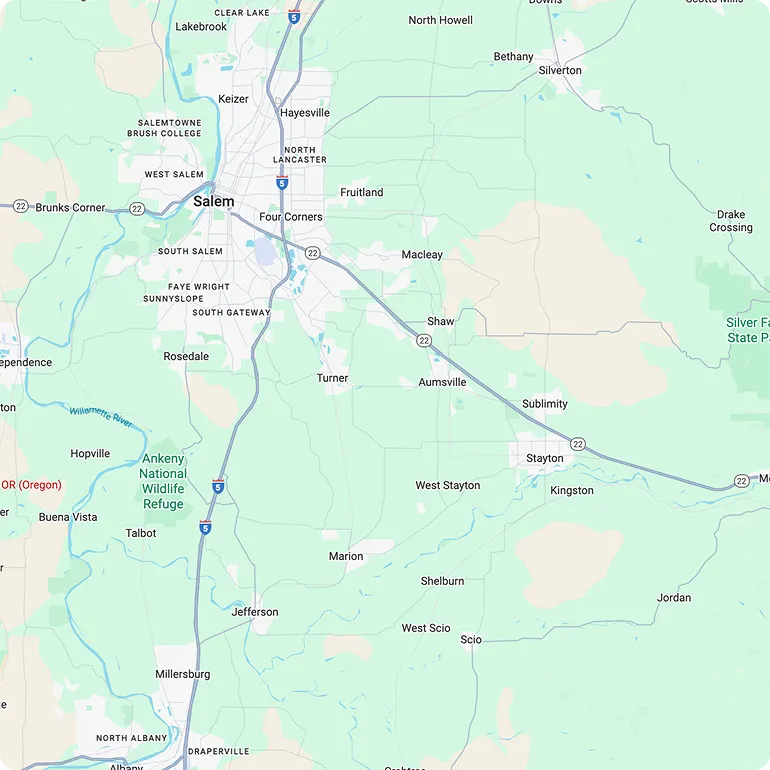
Stinson Mechanical has spent over 25 years helping Salem area and Willamette Valley homeowners find the right heating solutions. We know the climate challenges in Albany and the surrounding region. Our approach to furnace installation focuses on three core priorities: honesty about what you need, keeping your home comfortable in an efficient manner, and giving you real options that fit your situation and budget.
Why Furnace Installation Matters in Albany
Albany experiences the diverse weather patterns typical of the Willamette Valley. Winters can be wet, cold, and extended, meaning your heating system works hard for several months each year. An undersized furnace will struggle to keep up, leaving you with cold spots and high energy bills. An oversized system cycles on and off too frequently, wasting energy and wearing out faster. Getting the right furnace installed properly from the start determines your comfort and costs for years to come.
Many homeowners in Albany put off furnace replacement because they're unsure about the process, worried about disruption to their home, or concerned about the upfront investment. The good news is that modern furnace installation is more straightforward than you might think, and understanding what's involved helps you feel confident about the decision.
The Pre-Installation Evaluation
Before we recommend any furnace, Stinson Mechanical starts with a thorough assessment of your home and current heating situation. This evaluation is where the process really begins, and it's why we take time to understand your specific needs rather than just selling you the first option.
During the pre-installation evaluation, we look at:
- Your current heating system (if one exists) and how it's performing
- The size and layout of your home, including how heat moves through different areas
- Your insulation, air sealing, and overall home efficiency
- Your ductwork condition and whether modifications are needed
- Your hot water system and any gas line considerations
- Your budget and financing preferences
- Your energy efficiency goals and long-term plans for your home
This isn't a quick walk-through. We stay in constant communication with you throughout the evaluation, answering questions and explaining what we're seeing. Many homeowners find that this honest assessment reveals problems they didn't know they had - like leaky ducts losing heated air, or poor insulation in key areas. Addressing these issues before installation means your new furnace performs at its best.
Correct Sizing and Model Selection
One of the biggest mistakes homeowners make is assuming a furnace should match their old system's size. In reality, proper furnace sizing depends on factors like your home's square footage, insulation, local climate, and desired indoor temperature consistency.
Stinson Mechanical uses industry-standard load calculations to determine the right size for your home. This ensures your furnace operates efficiently without the waste that comes from oversizing or the discomfort that comes from undersizing. We also consider how often you want the furnace running - some homeowners prefer continuous, gentle heating while others accept longer heating cycles.
When selecting a specific model, we discuss:
- Efficiency ratings: Modern furnaces range from about 80% AFUE (Annual Fuel Utilization Efficiency) to over 95%. Higher efficiency means lower fuel bills, though the upfront cost is higher. We help you understand whether the monthly savings justify the initial investment for your situation.
- Fuel type: Most furnaces in the Willamette Valley run on natural gas, though propane and electric options exist for homes without gas service.
- Two-stage vs. single-stage operation: Two-stage furnaces run at lower capacity most of the time, using less fuel and providing more consistent comfort. Single-stage furnaces run at full capacity or not at all.
- Features like variable-speed blowers: Better air circulation means more even heating throughout your home.
- Warranty coverage: We review what the manufacturer covers and for how long.
- Sound levels: Modern furnaces are much quieter than older models, but some are quieter still.
We provide options at different price points rather than steering you toward the most expensive choice. Our goal is matching you with a furnace that serves your needs and budget honestly.
Ductwork and Venting Considerations
Your furnace is only as good as the ducts that deliver heat throughout your home. During the pre-installation evaluation, we assess your existing ductwork for leaks, poor insulation, and layout issues that could reduce efficiency.
Leaky ducts waste conditioned air before it reaches your rooms. In fact, many homes lose 20-30% of heated air through duct leaks. We identify problem areas and recommend sealing where it makes sense. Sometimes we suggest duct insulation improvements, especially in unconditioned spaces like attics or crawl spaces where heat loss is significant.
For venting, the furnace needs a way to safely remove combustion gases outside your home. Modern furnaces typically use small-diameter, plastic-lined vent pipes that can run more directly than older systems. We evaluate your venting options based on your roof and wall configuration, and we always follow local Albany and Oregon building codes for proper clearances and installation angles.
If your home needs ductwork installed or substantially modified, we discuss this as part of the overall project scope. Some homes in the Willamette Valley area don't have ducts if they've used baseboard heating or space heaters in the past. Adding ducts is more involved than just replacing a furnace, but it's sometimes the best solution for whole-home comfort. We're honest about the scope and cost implications upfront.
Professional Installation Workflow
Once we've completed the evaluation and you've selected a furnace, the installation itself typically takes one to two days, depending on your system's complexity. Understanding the workflow helps you prepare and know what to expect.
Day One - Preparation and Removal
Our team arrives early to protect your home with drop cloths and plastic coverings. We shut down your current furnace safely and disconnect it from gas, electrical, and duct connections. The old unit is carefully removed - this is messier than you might expect because furnaces accumulate dust and debris over their lifetime. We haul away the old furnace responsibly.
Next, we prepare the installation area. If the new furnace is going in a different location or requires different clearances, we may need to adjust framing or protection around it. If venting is changing, we run new vent pipes to the roof or wall as needed.
Day Two - New Unit Installation and Testing
We carefully position the new furnace according to manufacturer specifications and local code requirements. We install and secure all gas connections using appropriate fittings and testing equipment. Electrical connections are made to your home's power supply, with a dedicated circuit if needed. We connect new ductwork, ensuring all joints are sealed to prevent leaks.
Then comes the crucial testing phase. We power up the system and walk through a complete startup sequence. We verify that the furnace ignites properly, that safety controls work, that the blower operates smoothly, and that gas pressure and flow are correct. We check that heat is distributing evenly through your home's ducts and reaching all rooms.
Throughout the installation, our team keeps the work area clean and minimizes disruption to your home. We're not a crew that disappears leaving chaos - we're respectful of your space because this is your home.
Permit Handling and Code Compliance
Furnace installation in Albany requires permits and inspections to ensure safety and compliance with local building codes. Many homeowners worry about this adding time and cost, but it's actually important for protecting your home and maintaining proper insurance coverage.
Stinson Mechanical handles the permit process for you. We're familiar with what Albany and Oregon require, and we manage the paperwork so you don't have to. We schedule the necessary inspections with local building officials, and we're prepared to make any adjustments if an inspector identifies anything that needs correction.
Working with codes isn't a burden we grudgingly endure - it's part of being honest with our customers. Proper installation following code means your furnace is safe, efficient, and will maintain your home's value. It also ensures that insurance claims related to your heating system won't be denied because of improper installation.
Warranty Details and What's Covered
When you invest in a new furnace, you're protected by manufacturer warranties. Understanding what's covered and for how long helps you plan for long-term peace of mind.
Most furnaces come with:
- A parts warranty covering defects in the furnace itself, typically 5-10 years depending on the model
- A heat exchanger warranty, which is the most critical component, often extended to 10-20 years for higher-end models
- Labor coverage in some cases for a limited period, usually 1-2 years
We also discuss extended warranties or service plans if you're interested. Some homeowners prefer the security of knowing repair costs are covered, while others prefer to self-insure and pay for repairs as needed. We present both options honestly.
After installation, we recommend scheduling regular maintenance twice a year - once in spring and once in fall - to keep your furnace running efficiently and to catch any developing issues early. This maintenance is one of the best investments you can make in furnace longevity.
Expected Installation Timeframe
From your initial call to Stinson Mechanical to the day you turn on your new furnace, the timeline typically looks like this:
- Initial assessment and estimate: 1-2 days to schedule and complete the evaluation
- Selection and ordering: 1-5 days depending on furnace availability and whether any special options are needed
- Delivery and scheduling: Most furnaces arrive within a week if in stock, though special orders may take longer
- Installation: 1-2 days on-site work
- Inspection and final approval: 1-3 days depending on Albany building department scheduling
From start to finish, most furnace installations are complete within 2-3 weeks. Emergency situations or complex homes may take longer, but we give you a clear timeline upfront. We stay in constant communication so you know what's happening and when to expect our team.
Financing Options to Manage Upfront Costs
We understand that furnace installation is a significant expense. A new furnace, ductwork modifications, permit fees, and installation labor can feel overwhelming. That's why Stinson Mechanical partners with Synchrony to offer flexible financing options.
Through Synchrony, you can spread furnace installation costs over time, often with promotional financing periods that reduce your overall interest expense. This lets you move forward with a new system now rather than waiting and letting an aging furnace become unreliable or inefficient.
Many homeowners find that the monthly financing payment is offset by energy savings from a more efficient system. A modern high-efficiency furnace uses significantly less fuel than a 20-year-old system, which means your monthly heating bill drops. In some cases, the fuel savings nearly cover the financing payment, making the upgrade almost cost-neutral while gaining a new, reliable system.
When you're considering furnace installation, it's worth calculating the long-term value rather than just the upfront price. An efficient new furnace, properly installed and maintained, typically lasts 15-20 years. That's 15-20 years of reliable heat, lower energy bills, and no emergency repair calls on the coldest night of the year.
Why Choose Stinson Mechanical for Furnace Installation in Albany
Furnace installation is one of the most important HVAC decisions you'll make for your home. The furnace we install will heat your home through countless Albany winters, and the quality of installation determines how efficiently it does that job.
Stinson Mechanical brings over 25 years of HVAC experience to every installation. We're not just installing equipment - we're applying decades of learning about how homes in this region perform, what problems develop over time, and what solutions actually work long-term. Our team understands the climate challenges here in the Willamette Valley, and we know how to size and install systems that handle those challenges effectively.
We also stand behind our work. We're invested in your long-term comfort and satisfaction, not just the sale. Our commitment to honesty means we recommend what's right for your home, not what generates the biggest commission. When you work with Stinson Mechanical, you get a partner who's going to be here years from now if you need service or support on your system.
Getting your furnace installation right means choosing a company that combines technical expertise with honest communication and genuine care about your comfort. That's what Stinson Mechanical brings to every job in Albany and throughout the Willamette Valley.