.svg)
.svg)

When the colder months arrive in Dallas and the wider Willamette Valley region, a reliable furnace becomes essential to keeping your home comfortable and your family safe. Furnace installation is one of the most important HVAC decisions you'll make as a homeowner, and it deserves careful consideration. Whether you're replacing an aging system or installing heating in a newly constructed home, understanding what goes into furnace installation helps you make the right choice for your property and budget.
.jpeg)
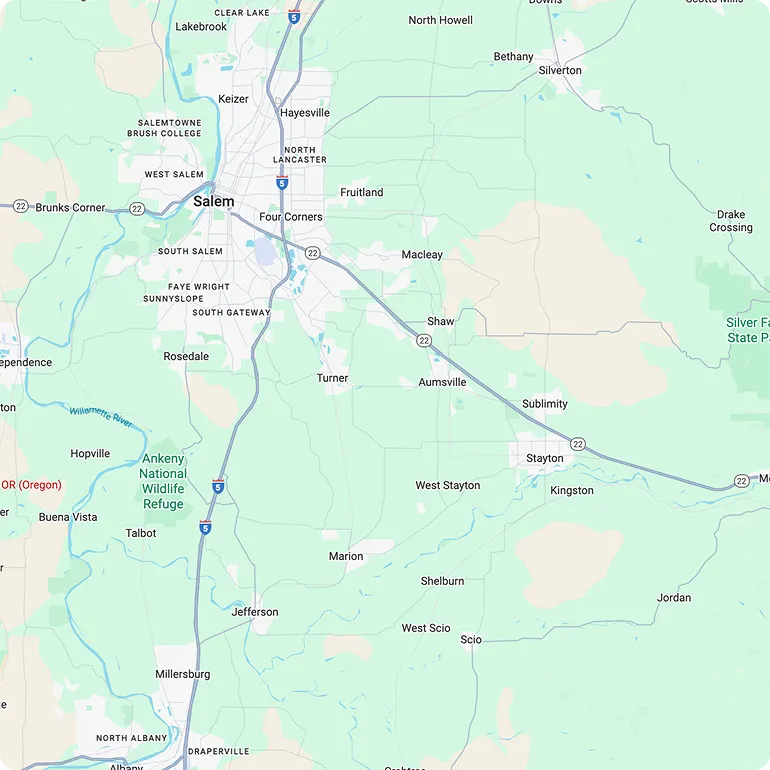
At Stinson Mechanical, we've spent over 25 years helping homeowners and businesses in Salem, Dallas, and throughout the Willamette Valley select, install, and maintain furnace systems that perform reliably year after year. Our approach centers on three core priorities: honesty about what your home actually needs, keeping you comfortable in an efficient manner, and providing options that align with current energy codes. This page walks you through everything you need to know about furnace installation in Dallas, OR, so you can feel confident in your decision.
Why Furnace Installation Matters in Dallas, OR
Dallas and the surrounding Willamette Valley experience diverse weather conditions throughout the year. Winters can be wet, cold, and prolonged, placing real demands on your heating system. A properly sized and installed furnace isn't just about warmth - it's about reliability, efficiency, and peace of mind during months when you depend on consistent heat.
Many homeowners don't realize that furnace installation quality directly affects long-term performance and energy costs. A system that's undersized will struggle to reach comfortable temperatures and cycle constantly, wearing out faster and running up your heating bills. An oversized system wastes energy and money while short-cycling, which creates temperature swings and reduces comfort. Proper sizing, correct installation of gas lines and venting, and thorough testing during commissioning are what separate a system that merely works from one that works efficiently for years to come.
Assessing Your Home's Heating Needs
The first step in any furnace installation is understanding your specific situation. Every home in Dallas is different - size, insulation, ductwork condition, and local climate all factor into what furnace system makes sense for you.
Common reasons homeowners choose furnace installation include:
- The existing furnace is 15-20 years old and showing signs of decline (unusual noises, inconsistent heating, frequent breakdowns)
- Repair costs are becoming uneconomical compared to replacement
- An older furnace is no longer meeting energy code requirements
- A new addition or renovation requires upgraded heating capacity
- Energy bills have climbed and a more efficient system could help
- The system completely fails and emergency replacement becomes necessary
During an assessment, we evaluate your home's square footage, insulation quality, existing ductwork, and any specific comfort issues you've experienced with your current system. This information helps us determine the proper heating capacity (measured in BTU output) your furnace needs to deliver.
Choosing the Right High-Efficiency Furnace Model
Modern furnaces vary significantly in efficiency and features. Understanding these differences helps you invest in a system that aligns with your comfort goals and budget.
Furnace efficiency ratings:
Standard furnaces typically operate at 80-85% Annual Fuel Utilization Efficiency (AFUE), meaning about 80-85 cents of every dollar you spend on fuel actually heats your home. The rest escapes through the venting system.
High-efficiency furnaces (90-98% AFUE) capture much more of that heat before venting. They use secondary heat exchangers to extract additional warmth from exhaust gases, directing more energy into your home. Over the life of your furnace, these efficiency gains can add up to meaningful savings on heating bills, especially in a region like Dallas where winter heating demand is significant.
Key features to consider:
- Variable-speed blowers adjust fan speed based on heating demand, reducing energy use and providing more consistent comfort compared to single-stage blowers that run at full speed whenever the furnace fires
- Modulating gas valves on premium models adjust fuel input to match heating demand more precisely, reducing cycling and energy waste
- Quiet operation matters in homes where furnace noise travels through living spaces
- Durability ratings vary by manufacturer; we help you understand which systems hold up best in our region's climate
Stinson Mechanical stays informed about current HVAC technology and energy code requirements, so we can explain how different options serve your specific needs without pushing unnecessary features or overselling premium models when a solid standard-efficiency furnace makes financial sense for your situation.
Gas Line and Venting Requirements
Proper gas line installation and venting are critical safety and performance components of any furnace installation. These systems must meet or exceed current building codes in Dallas and Polk County.
Gas line considerations:
Your furnace needs a gas supply line sized appropriately for the system's BTU input. During installation, we verify that existing gas lines are adequate or install new lines if needed. Gas lines must be properly secured, tested for leaks, and connected with correct fittings to prevent dangerous gas escapes. All work complies with Oregon's plumbing and mechanical codes.
If you're upgrading from an older furnace to a high-efficiency model, the gas line sizing might change slightly depending on the new system's specifications. We handle any necessary adjustments as part of the installation.
Venting system setup:
Traditional furnaces vent exhaust gases through a flue pipe or chimney. High-efficiency furnaces use special venting systems because their exhaust is cooler and may contain condensation. These systems require different materials (often PVC plastic) and careful installation to prevent water damage, improper drafting, or safety issues.
Venting must be sized correctly, sloped appropriately to prevent condensation buildup, and routed safely away from windows, doors, or air intakes. Improper venting can lead to performance problems, safety hazards, and warranty issues.
Stinson Mechanical ensures every gas line and venting installation meets code requirements and functions safely and efficiently. We test all connections and perform commissioning checks to verify proper system operation before we consider the job complete.
The Furnace Installation Process
Understanding what happens during installation helps you prepare and know what to expect. A typical residential furnace installation in Dallas takes several hours and involves multiple steps.
Step 1: System removal and site preparation
If replacing an existing furnace, we safely disconnect and remove the old system. We inspect the furnace location, ductwork, gas line, and venting to identify any issues that should be addressed during the new installation. This is also when we verify that the installation location is suitable for the new unit.
Step 2: Gas line installation or modification
We install or modify gas lines as needed, ensuring proper sizing, support, and connections. All new gas work is tested for safety and code compliance.
Step 3: Venting system installation
The venting system is installed according to the new furnace's specifications and local codes. For high-efficiency systems, this may involve installing specialized venting materials and ensuring proper condensation management.
Step 4: Furnace placement and connection
The new furnace is positioned in the installation location and connected to gas, ductwork, and electrical power. Supply and return ductwork connections are sealed properly to prevent air leaks that reduce efficiency.
Step 5: Electrical connections and safety controls
The furnace is wired to your home's electrical system, and all safety controls - including the limit switch and blower delay - are tested. The thermostat is connected and programmed for proper operation.
Step 6: System testing and commissioning
Once everything is connected, we run the furnace through a complete test cycle. We verify that ignition is reliable, burners fire correctly, the blower operates smoothly, temperatures rise as expected, and all safety controls function properly. We also check airflow balance throughout your ductwork and address any obvious airflow issues.
Step 7: Cleanup and customer orientation
We remove all debris and packaging materials from your home, clean up the installation area, and walk you through your new system's operation. We explain how to use your thermostat, what maintenance you'll need to perform, and when professional service appointments should be scheduled.
Warranties and Rebate Opportunities
Understanding warranty coverage and available incentives helps you make a fully informed decision about your furnace investment.
Furnace warranties:
Most new furnaces come with manufacturer warranties covering the heat exchanger (typically 10 years), parts (typically 1-5 years depending on the component), and labor (typically 1 year). High-efficiency models sometimes include extended warranties. We provide you with complete warranty documentation and explain exactly what's covered so there are no surprises later.
Rebates and incentives:
Depending on the furnace model and current utility company programs in the Dallas and Salem area, you may qualify for rebates on high-efficiency systems. We stay current on available programs and help you understand potential financial incentives before you make your decision. Energy-efficient furnaces sometimes qualify for tax credits as well.
Financing options:
We know furnace installation is a significant investment. Stinson Mechanical offers flexible financing through Synchrony, making it easier to upgrade to a high-efficiency system without paying the full cost upfront. Financing allows you to spread payments over time while immediately enjoying the comfort and efficiency benefits of a new furnace.
Post-Installation Support and Maintenance
Your furnace installation is just the beginning of a long relationship with your heating system. Proper maintenance keeps your system running reliably and efficiently for as long as possible.
Maintenance recommendations:
We recommend scheduling furnace maintenance once each fall, ideally before the heating season begins. During a maintenance visit, our technicians clean or replace the air filter, inspect the heat exchanger and burners, lubricate moving parts, test all safety controls, and check gas pressure and combustion efficiency.
This twice-yearly HVAC maintenance (combined with air conditioning service in spring) is especially important in the Willamette Valley's diverse climate. Fall furnace service prepares your system for heavy winter use, while spring service ensures your air conditioning is ready for warmer months.
Common maintenance tasks:
- Air filter replacement every 1-3 months during heating season
- Annual professional inspection and cleaning
- Blower motor lubrication
- Safety control testing
- Gas connection inspection
- Ductwork sealing to prevent air leaks
What to watch for:
Once your new furnace is installed, contact Stinson Mechanical immediately if you notice unusual noises, weak airflow, inconsistent heating, a burning smell, or any safety concerns. These are not normal and warrant professional inspection.
Energy Code Compliance in Dallas
Oregon's energy codes continue to evolve, and newer codes often require higher-efficiency HVAC systems for new construction and major renovations. Understanding current code requirements helps you ensure your furnace installation meets all legal and efficiency standards.
Modern codes typically mandate furnaces at 90% AFUE or higher for new installations, depending on the specific application. These requirements exist because high-efficiency systems save homeowners money on utility bills while reducing environmental impact. Stinson Mechanical stays informed about current energy code requirements and helps you choose systems that meet or exceed these standards.
If you're undertaking a renovation or new construction project in Dallas, we can discuss how your furnace choice impacts overall code compliance and whether other HVAC upgrades make sense alongside your furnace installation.
Why Local Experience Matters
Furnace installation in Dallas requires understanding both general HVAC principles and the specific conditions of the Willamette Valley. Our team at Stinson Mechanical brings over 25 years of experience serving homeowners and businesses across Salem and surrounding communities.
We understand how local weather patterns affect heating demands. We know which systems perform reliably in our climate. We're familiar with local building codes and utility company programs. We stay in constant communication with our customers throughout the installation process, ensuring you understand what's happening and have confidence in the system we're installing.
Our technicians bring practical knowledge about what works well in Dallas homes and what pitfalls to avoid. This local expertise translates into installations that perform reliably for years and help you avoid costly mistakes that less experienced installers might make.
Planning Your Furnace Installation
If you're considering furnace installation in Dallas, OR, the first step is having a professional assess your current situation. We evaluate your existing system, discuss your comfort concerns, answer questions about sizing and efficiency, and help you understand your options.
This assessment gives you the information you need to make a confident decision about whether repair or replacement makes sense, what efficiency level makes financial sense for your home, and what timeline works best for your family. Whether you need immediate emergency replacement or can plan ahead for a fall installation before winter heating season, Stinson Mechanical is ready to help.
We're committed to keeping you comfortable in an efficient manner, using honest assessments and clear explanations so you understand exactly what you're investing in. Our experienced technicians have successfully installed furnaces throughout Dallas and the Willamette Valley, and we're prepared to handle your installation with the same professionalism and attention to detail you'd expect from a company that's been serving this community for over 25 years.