.svg)
.svg)

When your furnace reaches the end of its lifespan or simply can't keep up with Keizer's cold winters anymore, furnace installation becomes one of the most important investments you can make for your home. A new furnace doesn't just provide warmth - it can dramatically lower your energy bills, improve indoor air quality, and give you peace of mind knowing your heating system is reliable and efficient. At Stinson Mechanical, we've spent over 25 years helping homeowners in Keizer and throughout the Willamette Valley select and install furnaces that match their homes perfectly.
.jpeg)
Furnace installation is more than just swapping out an old unit for a new one. It requires careful planning, proper sizing, professional installation, and thorough testing to ensure everything works as intended. Whether you're replacing an aging furnace or installing a system in a newly renovated space, understanding the process helps you make informed decisions about your home comfort and energy costs.
Why Furnace Installation Matters in Keizer
Keizer's climate demands reliable heating from October through March, and sometimes beyond. Unlike milder regions, our winters put real stress on heating systems. An old, inefficient furnace works overtime to keep your home warm, consuming more natural gas and driving up your utility bills each month. Newer high-efficiency furnaces are engineered to deliver heat more effectively while using significantly less fuel.
Installing a new furnace also means compliance with current energy codes. Oregon's energy standards have evolved over the years, and modern furnaces meet these requirements while older units often don't. This matters for two reasons: your home sells more easily with a compliant system, and you qualify for better efficiency ratings that reduce long-term operating costs.
Beyond efficiency, a professional furnace installation protects your family's safety. Furnaces involve gas lines, venting systems, and electrical components that must be installed precisely to prevent carbon monoxide leaks, gas line issues, or ventilation problems. At Stinson Mechanical, we handle every aspect of furnace installation with the expertise required to keep your home safe and comfortable.
Assessing Your Current System and Installation Needs
Before we recommend furnace installation, we take time to evaluate your existing setup. This assessment helps us understand what you have now, what might be causing problems, and what will work best for your Keizer home.
During an assessment, our team looks at several key factors:
- System age and condition: Furnaces typically last 15-20 years. If yours is approaching this age or already beyond it, replacement is usually the smart choice rather than repair.
- Current efficiency rating: Older furnaces often operate at 60-80% efficiency, meaning a significant portion of the fuel you're paying for is wasted. Modern furnaces achieve 90-98% efficiency.
- Existing ductwork and venting: We inspect your ducts, vents, and gas lines to ensure they can support a new furnace or if modifications are needed.
- Home size and insulation: These factors determine how much heating capacity your home actually needs - neither too much nor too little.
- Your comfort concerns: Are certain rooms too cold? Is your energy bill higher than it should be? Understanding your current problems helps us solve them with the right installation.
This upfront assessment prevents costly mistakes. We've seen plenty of furnaces installed in Keizer that are oversized for the home or incompatible with existing ductwork. At Stinson Mechanical, we get the details right from the start.
Furnace Sizing - Getting It Right
One of the most critical aspects of furnace installation is selecting the correct size for your home. This isn't about physical dimensions - it's about heating capacity, measured in BTU (British Thermal Units).
Undersizing your furnace means your system can't keep your home warm during Keizer's coldest days. Your furnace runs constantly, wears out faster, and you stay uncomfortable. Oversizing wastes energy and money by heating your home faster than necessary, cycling on and off more frequently than ideal.
We calculate the right size by considering:
- Square footage of your heated space: Larger homes need more capacity.
- Insulation levels and air sealing: Well-insulated homes with sealed air leaks need less heating capacity than drafty homes.
- Number and placement of windows: More windows mean more heat loss.
- Local climate data: Keizer's winter temperatures directly influence sizing calculations.
- Ceiling height and room configuration: Open-concept layouts heat differently than traditional rooms.
The result is a furnace sized specifically for your home - not a generic guess. This precision means your heating runs efficiently, your equipment lasts longer, and your comfort stays consistent throughout winter.
Selecting High-Efficiency Furnace Models
Today's furnace options include several efficiency levels, and understanding the differences helps you choose wisely.
Standard Efficiency Furnaces (80-85% AFUE)These units meet minimum efficiency requirements but aren't the best long-term investment. They're less expensive upfront, but higher operating costs over 15-20 years add up quickly. For a Keizer homeowner planning to stay in their home for more than a few years, the savings from higher efficiency usually justify the initial extra cost.
High-Efficiency Furnaces (90-96% AFUE)These are excellent choices for most Keizer homeowners. They capture much more heat from burning fuel, meaning less wasted energy. They often feature variable-speed blowers that run at lower speeds most of the time, reducing noise and energy consumption. Many qualify for rebates through local utilities, which helps offset the higher upfront cost.
Premium High-Efficiency Furnaces (97-98.5% AFUE)These represent the pinnacle of furnace technology. They're ideal if you plan to stay in your home long-term and want to maximize energy savings and environmental responsibility. The difference in comfort and noise levels compared to standard models is noticeable - they run smoother and quieter.
At Stinson Mechanical, we provide options rather than pushing one choice. We explain how each efficiency level affects your energy bills, how long it takes to recoup the higher upfront cost through savings, and what makes sense for your specific situation. Our priority is keeping you comfortable in an efficient manner - not just selling you the cheapest unit.
Many homeowners also choose furnaces with variable-speed motors and modulating gas valves. These features allow the furnace to adjust its output based on your home's heating demand, similar to how a car's engine varies RPM. The result is more consistent temperatures, quieter operation, and better efficiency.
Gas Line and Venting Considerations for Installation
Furnace installation involves more than just the unit itself. The gas line that feeds your furnace and the venting system that exhausts combustion byproducts both require careful attention.
Gas Line Requirements
Your furnace needs an adequately sized gas line to receive sufficient fuel. If you're replacing an old furnace with a new high-efficiency model, the existing gas line might not need changes. However, if you're upgrading to a significantly more powerful furnace or if your current line shows signs of corrosion or age, we may recommend upgrading to new copper or corrugated stainless steel tubing.
Before installation, we verify that your gas line is properly sized, correctly connected, and free of leaks. Any gas line work must meet current codes and Oregon's plumbing regulations. We handle this professionally to ensure your system is both safe and efficient.
Venting System Details
High-efficiency furnaces vent differently than older models. Standard furnaces use a metal chimney-style vent that relies on natural draft. High-efficiency furnaces produce cooler exhaust that can condense, so they require either PVC or metal vent pipes designed to handle condensation. These vents typically run through a wall or roof to the exterior.
The venting location affects installation. Venting through an exterior wall is often simpler than routing through the roof, but your home's layout and local code requirements guide this decision. Proper venting is essential - poor venting can lead to carbon monoxide issues or water damage from condensation.
During installation, we ensure:
- Vent pipes are properly pitched to allow condensation to drain
- All connections are sealed and secure
- The vent termination is positioned to prevent wind-driven rain or snow from entering
- Combustion air is available (furnaces need oxygen to burn fuel safely)
Getting the venting right protects your family and ensures your furnace operates at peak efficiency.
The Furnace Installation Process
Understanding what happens during installation helps you prepare your home and know what to expect.
Step 1: Preparation and DisconnectionWe arrive with the new furnace and necessary materials. First, we shut off the gas and electrical power to your old furnace, then carefully disconnect the gas line, venting, and ductwork. We remove the old unit and dispose of it properly. This stage typically takes 1-2 hours depending on your current setup.
Step 2: Installing the New FurnaceThe new furnace is positioned in your utility space (basement, attic, garage, or closet). We ensure it's level, secure, and positioned for proper airflow around the unit. Any vibration isolation mounts are installed if needed to reduce noise transmission. This step takes 1-2 hours.
Step 3: Gas Line ConnectionWe connect the new furnace to your gas line, checking all connections for leaks using a soap solution. Every connection must be absolutely tight - there's no room for error with natural gas. We verify the gas pressure is correct for your furnace model and region. This step takes 30-45 minutes.
Step 4: Venting System InstallationNew vent pipes are installed according to code, with proper pitch and secure connections. If condensation drain lines are needed for high-efficiency models, these are installed and tested. We verify the vent termination is clear of obstructions. This step takes 1-2 hours depending on complexity.
Step 5: Electrical Connections and ControlsThe furnace's electrical connections are made, including thermostat wiring if your thermostat is being replaced or reprogrammed. We install any new controls or smart thermostats, ensuring they communicate properly with your furnace. This step takes 30-60 minutes.
Step 6: Ductwork ConnectionsNew ductwork connections are made to your existing ducts. If your ducts need sealing or repair, we address that now. Proper ductwork connections ensure heated air flows efficiently throughout your home. This step takes 1-2 hours.
Step 7: Testing and CommissioningThis is the most critical step. We start your new furnace and verify:
- The furnace ignites properly and maintains a steady flame
- Gas pressure is correct
- Airflow is strong throughout your home
- Vent gases exhaust properly outside
- Temperature rises smoothly and consistently
- Thermostat responds correctly
- Safety features function properly
- There are no gas leaks, unusual noises, or other issues
We run the system for at least 15-20 minutes, checking temperatures at various vents throughout your home. If everything passes inspection, your new furnace is ready to keep you warm all winter.
Step 8: Cleanup and Final WalkthroughWe clean up the workspace, remove packaging materials, and walk you through your new furnace. We show you how to change filters, explain maintenance needs, and answer any questions about your new system. We also leave you with documentation and warranty information.
A typical furnace installation in Keizer takes 6-10 hours total, though this varies based on your home's setup and whether modifications to venting or gas lines are needed.
Permits and Inspection Processes
Furnace installation in Keizer requires permits and inspections to ensure the work meets building codes and safety standards.
Permit Requirements
Marion County and the City of Keizer require permits for furnace installations. These permits exist to protect homeowners and ensure installations meet current safety and efficiency standards. At Stinson Mechanical, we handle the permit process for you - we know exactly what's required and submit applications promptly.
The permit process typically includes:
- Submitting installation plans and equipment specifications
- Paying permit fees (usually $100-200, though this varies)
- Scheduling inspections at appropriate stages
- Keeping records for your home's file
Inspection Process
An inspector visits your home to verify the installation meets code requirements. Inspections typically happen in two stages:
- Rough inspection: After the furnace and venting are installed but before walls are sealed, the inspector verifies the equipment is properly positioned, gas lines and venting are correctly installed, and electrical connections are safe.
- Final inspection: After any walls are closed and the system is fully operational, the inspector verifies everything functions correctly and meets all code requirements.
We coordinate with inspectors and address any concerns they identify. In our experience, quality installations pass inspection the first time - we build to code from the start, not just to the minimum.
Expected Project Timeline
From your initial call to having warm air flowing through your home, here's what to expect:
Week 1: Assessment and PlanningAfter you contact Stinson Mechanical, we schedule a time to assess your current system and discuss options. This typically happens within 1-3 business days. The assessment takes 1-2 hours and is free - we believe you should understand your options before making decisions.
Week 1-2: Decision and PermittingOnce you've decided to move forward, we submit permit applications immediately. Permit approval in Marion County typically takes 3-5 business days, though sometimes longer during busy periods.
Week 2-3: InstallationOnce permits are approved, we schedule your installation. We typically complete furnace installations within 1-2 weeks of approval, depending on equipment availability and your schedule preferences. The installation itself happens in a single day, usually 6-10 hours.
Week 3: Inspections and CompletionWe coordinate with the county inspector for rough and final inspections. Most installations pass final inspection within 3-5 days of completion.
In total, you're typically looking at 2-4 weeks from initial assessment to having your new furnace fully operational and permitted. Of course, this timeline can vary - emergency installations or complex situations might take longer, while straightforward replacements might happen faster.
Warranty Coverage for Your New Furnace
New furnaces come with manufacturer warranties that protect your investment. Understanding what's covered helps you know what to expect long-term.
Manufacturer's Limited Warranty
Most new furnaces include a manufacturer's warranty covering:
- Parts: Typically 5-10 years on most components, with longer coverage (sometimes lifetime) on heat exchangers, which are the most expensive parts.
- Labor: Usually 1-5 years on labor for repairs or replacement of covered parts.
The exact terms depend on the furnace model and manufacturer. We provide all warranty documentation at installation so you understand what's covered and for how long.
Stinson Mechanical's Commitment
Beyond the manufacturer's warranty, our reputation depends on quality installation. We stand behind our work and ensure your furnace is installed correctly. If an issue arises that's related to our installation, we address it promptly.
We also recommend maintaining your furnace through regular maintenance. A furnace that receives annual tune-ups before winter stays more reliable and often retains better warranty coverage. Many manufacturers require annual maintenance to maintain full warranty protection.
Available Financing Options
We understand that furnace installation is a significant expense. At Stinson Mechanical, we believe cost shouldn't prevent you from having a safe, efficient heating system. That's why we offer flexible financing through Synchrony.
Financing Benefits
Synchrony financing allows you to spread furnace installation costs over time with manageable monthly payments. With approved credit, you might qualify for:
- Extended payment terms (typically 12-60 months)
- Competitive interest rates
- Quick approval process
- No prepayment penalties
How Financing Works
When you're ready to move forward with furnace installation, we'll discuss financing options and help you understand monthly payments for different terms. The application process is straightforward - in many cases, you'll get approval within minutes.
Calculating Your Actual Cost
Here's an important perspective on furnace installation cost: Yes, the upfront expense is real, but so are the savings. A high-efficiency furnace typically reduces your heating costs by 20-35% compared to an older, less efficient unit. For many Keizer homeowners, the monthly savings on energy bills offset much of the monthly financing payment, making the effective cost significantly lower than it appears.
For example, if your current furnace costs $200/month to operate and a new high-efficiency furnace costs $130/month, you're saving $70/month. If your installation financing costs $150/month, the net difference is much smaller than the financing payment alone suggests.
We're happy to discuss these numbers with you during your assessment. Understanding the complete financial picture - not just upfront cost - helps you make the best decision for your home and budget.
Maintenance After Installation
Getting your new furnace installed correctly is just the beginning. Proper maintenance keeps it running efficiently and reliably throughout its 15-20 year lifespan.
Annual Tune-Ups
We recommend professional furnace tune-ups each fall before heating season begins. During a tune-up, we:
- Inspect all components for wear or damage
- Clean or replace air filters
- Test safety controls and shut-offs
- Verify gas pressure and combustion efficiency
- Check ductwork connections and seals
- Lubricate moving parts
- Test thermostat operation
An annual tune-up costs a fraction of furnace repair emergencies and helps your system run at peak efficiency. Many homeowners find that the energy savings from a well-maintained furnace more than offset the annual tune-up cost.
Filter Changes
Between professional tune-ups, you'll need to change your furnace's air filter every 1-3 months, depending on your home's dust levels and whether you have pets. A clean filter improves airflow, efficiency, and indoor air quality.
Seasonal Considerations
In spring after heating season ends, have us inspect the system before it sits unused for months. In summer, we can address any issues before you need heat again. Given the diverse weather conditions in Salem and the Willamette Valley, it's important to have your HVAC system serviced twice a year - once before heating season and once before cooling season if you have air conditioning.
Why Choose Stinson Mechanical for Furnace Installation in Keizer
Furnace installation is a significant undertaking, and choosing the right company matters. At Stinson Mechanical, we've built our reputation over 25 years on three core priorities: honesty, keeping customers comfortable in an efficient manner, and providing options.
Honesty in Every Recommendation
We don't push unnecessary upgrades or recommend equipment you don't need. During your assessment, we explain what you need, why you need it, and what options exist at different price points. We stay in constant communication with you throughout the process, so there are no surprises.
Experience You Can Trust
Over 25 years serving the Willamette Valley, we've installed furnaces in thousands of Keizer homes. We understand local weather patterns, common installation challenges, and what works best for homes in our region. Our team knows gas lines, venting systems, and furnace operation thoroughly.
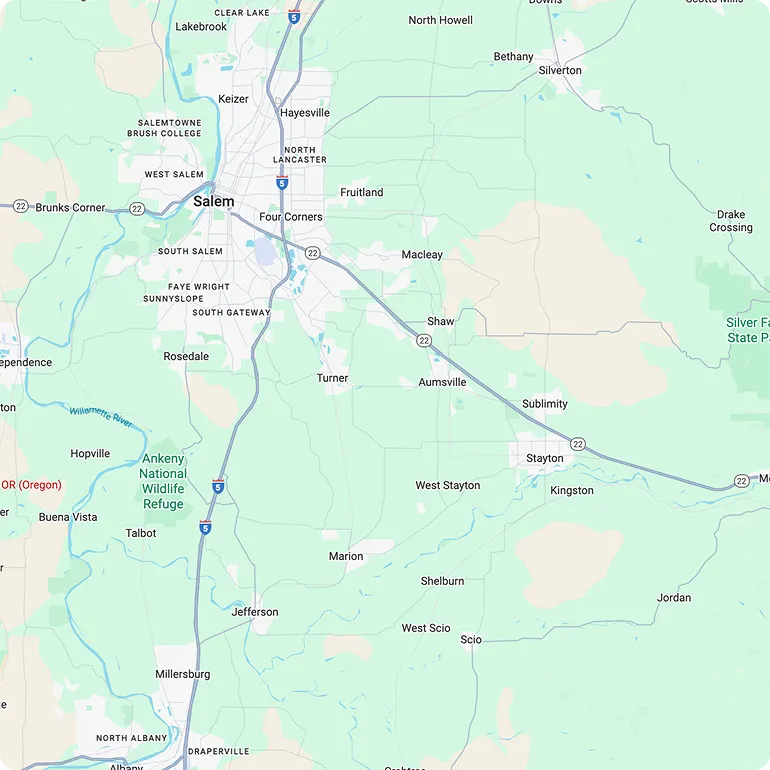
Local Service Area
We're based in Lyons and serve the entire Willamette Valley, including Keizer and the Salem area. We're not a national company with call centers - you're working with local people who know your community.
Flexible Financing
We offer Synchrony financing to make furnace installation accessible, regardless of your current financial situation.
Professional Installation
We handle permits, inspections, and all aspects of installation professionally. Your new furnace is installed to code, tested thoroughly, and documented completely.
When you need furnace installation in Keizer, Stinson Mechanical is ready to help. We'll assess your needs honestly, explain your options clearly, recommend the best solution for your home, and install your new furnace with precision and care.