.svg)
.svg)

When your furnace reaches the end of its life or you're building a new home, furnace installation in Stayton, OR is one of the most important decisions you'll make for your home's comfort and energy efficiency. A properly installed furnace can keep your family warm through Oregon's chilly winters while saving you money on energy bills for years to come. At Stinson Mechanical, we've spent over 25 years helping homeowners in Stayton and throughout the Willamette Valley select and install furnaces that match their specific needs and budget.
.jpeg)
The process of installing a new furnace involves much more than simply removing an old unit and putting a new one in its place. It requires careful evaluation of your home, precise calculations, proper safety testing, and compliance with local energy codes. Our team takes time to understand your home's heating requirements and walk you through every step of the installation process, keeping you comfortable and informed until the job is done.
Why You Might Need a New Furnace Installation
There are several reasons homeowners in Stayton decide it's time for a new furnace. If your current furnace is over 15 to 20 years old, it's likely operating at significantly lower efficiency than modern systems. Older furnaces often run constantly, cycle on and off frequently, or fail to maintain consistent temperatures throughout your home - all signs that replacement might be the best option.
You might also notice your energy bills have crept up over time, even though you're not using your heating system any differently. This is a classic indicator that your furnace is wearing out and working harder to produce the same amount of heat. In some cases, frequent repairs become more expensive than investing in a new system altogether. Modern high-efficiency furnaces can reduce your heating costs by 20 to 40 percent compared to older units, which means your new furnace often pays for itself through energy savings.
If you're experiencing any of these issues, it's worth having Stinson Mechanical evaluate whether repair or replacement makes the most sense for your situation:
- Unusual noises coming from your furnace, such as banging, squealing, or rattling sounds
- Inconsistent temperatures from room to room in your home
- Poor airflow through your vents or registers
- Your furnace running constantly without reaching your desired temperature
- Yellow or orange pilot light flame (should be blue) indicating potential safety concerns
- Frequent breakdowns requiring repeated repairs
How Our Furnace Installation Process Works
We believe that homeowners should understand exactly what happens during furnace installation. Our process starts with a thorough evaluation of your home and ends with comprehensive testing to ensure everything operates safely and efficiently.
Step 1: Home Evaluation and Load Calculation
Before we recommend a specific furnace, we conduct a detailed assessment of your home's heating needs. This includes measuring your square footage, evaluating insulation levels, checking for air leaks around windows and doors, and considering the number and size of rooms that need heating. We also take into account Stayton's climate and the typical winter temperatures you experience in our area.
These factors allow us to perform what's called a load calculation - essentially determining how much heating capacity your home actually requires. This is crucial because an oversized furnace will cycle on and off too frequently, wasting energy and wearing out components faster. An undersized furnace won't be able to keep your home adequately warm during the coldest days. Getting this calculation right means your new furnace will run efficiently and maintain comfortable temperatures throughout your home.
Step 2: Furnace Selection and Energy Code Compliance
Once we know your home's heating requirements, we help you select a furnace that matches both your needs and your budget. We prioritize high-efficiency models that meet or exceed current Oregon energy codes. Modern furnaces carry an Annual Fuel Utilization Efficiency (AFUE) rating, which measures how much of the fuel burned actually converts to usable heat. A furnace with an AFUE of 90 percent or higher is considered high-efficiency and will significantly reduce your heating costs compared to older units.
We provide options so you can make an informed decision about your investment. Some homeowners prioritize maximum efficiency and long-term savings, while others prefer a more budget-friendly approach. We're honest about the tradeoffs and help you understand what each option means for your comfort and your wallet over time. Energy code compliance isn't just about following regulations - it's about ensuring your furnace operates at peak efficiency for your Stayton home.
Step 3: Gas Line Installation and Safety Testing
If you're installing a gas furnace, proper gas line installation is critical for both safety and performance. Our technicians ensure that gas lines are sized correctly, installed to code, and properly connected to your furnace. We use pressure testing equipment to verify that there are no leaks in the system and that gas flows to your furnace at the correct pressure.
Safety testing is non-negotiable. We check for proper combustion, verify that exhaust gases are venting safely out of your home, and ensure that carbon monoxide is not accumulating anywhere it could affect your family. Every connection is inspected and tested before we consider the job complete.
Step 4: Ductwork Assessment and Modifications
Your furnace distributes heat through your home's ductwork. During installation, we evaluate your existing ducts to ensure they're properly sized and sealed. Sometimes ductwork needs modifications to work efficiently with a new furnace, especially if you're upgrading from an older system that was sized differently.
Poorly sealed ducts can cause heated air to escape into attics, crawl spaces, or walls rather than reaching your living spaces. This wastes energy and makes your furnace work harder. We seal ducts properly and make any necessary modifications to ensure your new furnace operates at peak efficiency. If your ductwork is old or damaged, we can discuss options for upgrading it to maximize your system's performance.
Step 5: Professional Installation and System Setup
Installation day involves carefully removing your old furnace and installing the new one in its place. We position the new furnace properly, connect all gas, electrical, and ductwork components, and ensure everything is secure and level. We test all safety controls, verify proper airflow, and program your thermostat to your preferences.
The entire process typically takes between 4 to 8 hours depending on the complexity of your installation and any ductwork modifications that might be needed. We stay in constant communication with you throughout the process and clean up thoroughly when we're finished.
Step 6: Commissioning, Testing, and Warranty Verification
Before we consider the job complete, we perform comprehensive commissioning checks on your new furnace. This includes verifying proper startup, checking temperature rise across the heat exchanger, confirming that all safety controls function correctly, and testing your thermostat operation. We also provide you with warranty information and explain coverage details so you understand what's protected.
What Makes Furnace Installation Different in Stayton and the Willamette Valley
Stayton's climate presents unique heating challenges that influence furnace selection and installation. Our area experiences cold, wet winters with temperatures often dropping into the 20s and 30s, and occasionally below freezing. This means your furnace needs to be reliable and efficient enough to run frequently during the heating season without excessive cycling.
The higher humidity levels in the Willamette Valley can also affect furnace performance and longevity. Proper ductwork sealing and ventilation become even more important in our climate to prevent moisture issues that could damage your system. We design and install furnaces with these regional conditions in mind, ensuring your system is built to handle what Stayton winters throw at it.
Many older homes in Stayton were built with inadequate insulation by today's standards. If you're installing a new furnace in an older home, we often recommend conducting an energy assessment to identify air leaks and insulation gaps that make your furnace work harder. Addressing these issues can amplify the efficiency gains you'll get from your new system.
High-Efficiency Furnace Models and Technology
Modern furnaces offer features that older systems simply can't match. High-efficiency furnaces capture and use heat that older models let escape through the chimney, converting fuel to usable warmth at rates often exceeding 95 percent AFUE. Some models include variable-speed blowers that adjust airflow based on heating demand, reducing energy consumption and providing more consistent comfort.
Smart thermostats compatible with modern furnaces allow you to program heating schedules, monitor energy usage, and adjust temperatures remotely. Modulating furnaces adjust their output based on your home's actual heating needs rather than running at full capacity, which reduces energy waste and provides steadier, more comfortable heating.
When we discuss furnace options with you, we explain how these technologies work and whether they're worth the investment for your specific situation. Our priority is helping you stay comfortable in an efficient manner - not just selling you the most expensive system available.
Energy Savings and Long-Term Benefits
The jump from an older furnace to a high-efficiency model can feel significant on your energy bills. A furnace that's 20 years old might operate at 65 to 80 percent efficiency, meaning 20 to 35 percent of the fuel you're burning is wasted. Upgrading to a 95 percent AFUE furnace means most of that fuel actually heats your home.
For a typical Stayton homeowner, this can translate to savings of $50 to $150 per month on heating costs during winter, depending on your home's size, insulation, and heating habits. Over a furnace's 15 to 20 year lifespan, these savings often exceed the installation cost. Beyond the financial benefits, a new furnace provides better temperature consistency, quieter operation, improved air quality, and peace of mind knowing your heating system is reliable.
Financing Your Furnace Installation
We understand that furnace installation is a significant investment. Stinson Mechanical offers flexible financing options through Synchrony to help make your new furnace more affordable. These options allow you to spread the cost over time rather than paying everything upfront, making it easier to upgrade to a high-efficiency system now rather than waiting.
Financing is particularly valuable because the energy savings from a new furnace often offset your monthly payments, meaning you might not feel the financial impact while still enjoying improved comfort and reliability. We can discuss financing options during your initial evaluation so you know exactly what your investment looks like.
Why Choose Stinson Mechanical for Your Furnace Installation
Stinson Mechanical has been serving the Willamette Valley for over 25 years, and we've installed hundreds of furnaces in Stayton and surrounding communities. Our approach prioritizes honesty - we'll never pressure you into an unnecessary system or oversell features you don't need. We provide options so you can make an informed decision based on your specific needs and budget.
Our experienced technicians understand the heating challenges of Stayton's climate and how to install furnaces that perform reliably through our cold winters. We stay in constant communication with you throughout the installation process, explaining what we're doing and why it matters. We ensure your new furnace meets or exceeds current energy codes and performs at peak efficiency from day one.
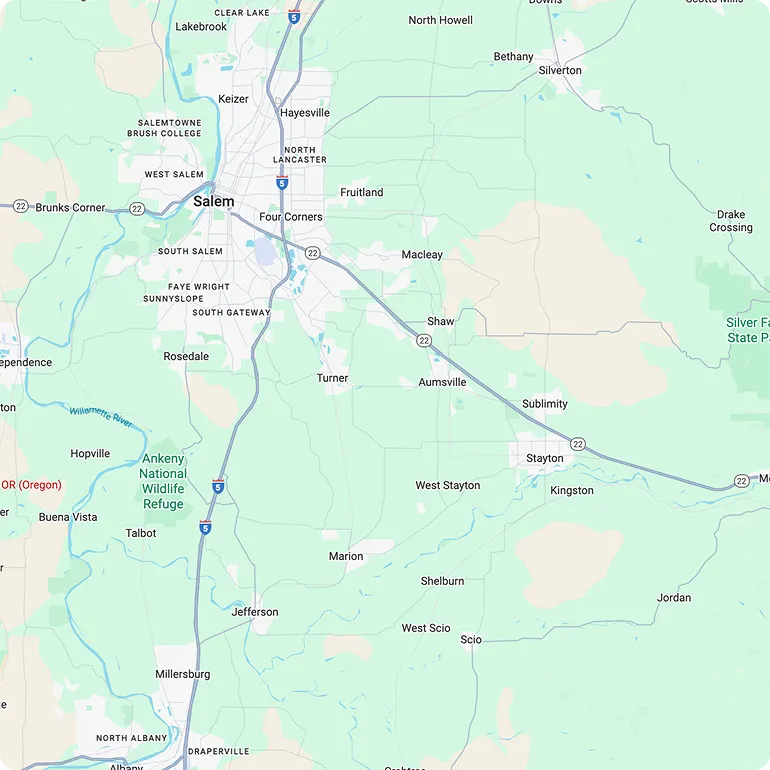
We carry adequate stock of equipment and parts, which means we can often schedule your installation quickly without unnecessary delays. We work with homeowners and commercial property owners throughout the Willamette Valley, from Stayton to Salem and beyond, bringing the same level of expertise and attention to detail to every project.
Maintenance After Installation
Once your new furnace is installed, regular maintenance keeps it operating efficiently and extends its lifespan. We recommend furnace tune-ups twice yearly - in spring before cooling season and in fall before heating season - to catch any issues early and ensure peak performance. These routine checks involve inspecting components, cleaning filters, testing safety controls, and verifying efficient operation.
Regular maintenance is far less expensive than emergency repairs and helps your furnace last as long as possible. Many modern furnaces come with warranties that require annual professional maintenance to remain valid, which is another reason to schedule routine service with Stinson Mechanical.
If you're ready to explore furnace installation options for your Stayton home, or if you'd like a professional evaluation to determine whether your current furnace should be repaired or replaced, contact Stinson Mechanical to schedule a consultation with one of our experienced technicians.