.svg)
.svg)

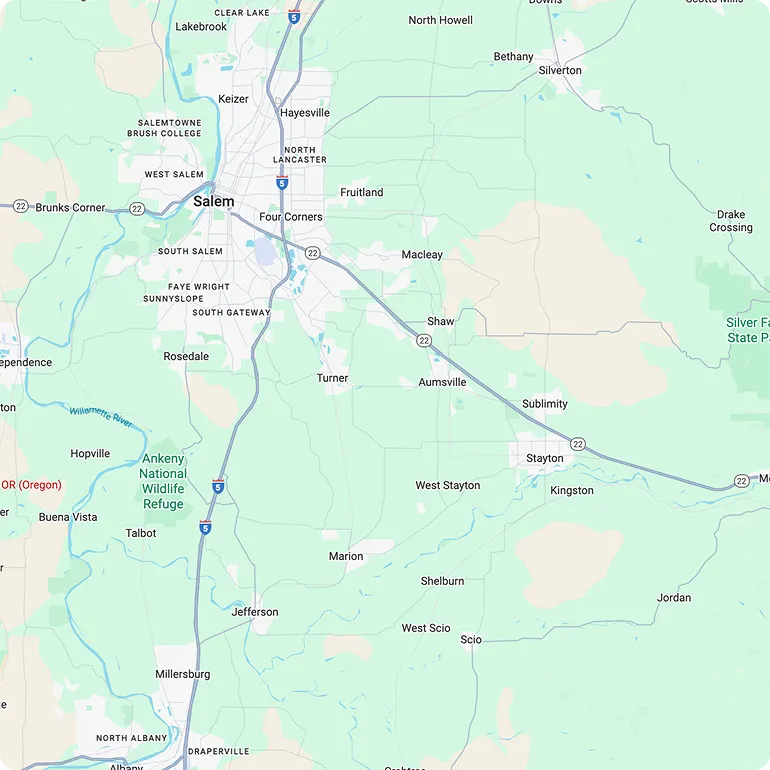
When the temperature drops along the Oregon coast, a reliable furnace isn't a luxury - it's essential. If your furnace has stopped heating or isn't warming your home the way it should, Stinson Mechanical is here to help. Serving Newport and the surrounding Willamette Valley area for over 25 years, we understand the urgency of heating system failures, especially during the colder months. Our team provides honest, professional furnace repair services that get your home warm and comfortable again quickly.
.jpeg)
Furnace problems can range from minor issues that affect efficiency to complete system failures that leave you without heat. Whatever you're facing, our experienced technicians diagnose the problem accurately and explain your repair options upfront. We're committed to keeping our customers comfortable in an efficient manner, and that means honest communication every step of the way.
Common Furnace Problems We Address
Furnace systems can develop a variety of issues over time. Understanding what might be wrong with your system helps you know when to call for professional repair.
- No heat at all - Your furnace isn't producing any warmth, leaving your home cold
- Weak or poor heat output - The furnace runs but doesn't warm your home adequately
- Frequent cycling - The furnace turns on and off more often than normal, affecting comfort and efficiency
- Ignition problems - The furnace won't light or has trouble maintaining ignition
- Pilot light issues - The pilot light keeps going out or won't stay lit
- Blower problems - The blower fan isn't running, runs constantly, or makes unusual noises
- Strange noises - Banging, rattling, or whistling sounds coming from the furnace
- Gas smell - An odor of natural gas near the furnace or throughout your home
- High energy bills - Your heating costs have increased unexpectedly without a change in usage
If you're experiencing any of these issues, professional diagnosis is important. Many furnace problems require specialized knowledge to identify and repair safely.
Diagnosing No-Heat and Poor-Heat Conditions
When your furnace isn't heating properly, the cause could be one of several things. At Stinson Mechanical, we perform a thorough diagnostic to pinpoint exactly what's happening.
No Heat at All
If your furnace isn't producing any heat, the first thing we check is whether the system is receiving power and the thermostat is set correctly. Sometimes the solution is simple - a tripped breaker, a thermostat battery that needs replacing, or a switched-off gas valve. However, if power and fuel supply are fine, the issue typically lies within the furnace itself. Common causes include a faulty ignition system, a broken heat exchanger, or a failed blower motor. A clogged air filter can also prevent the blower from pushing warm air through your ducts.
Poor or Weak Heat
When your furnace runs but doesn't warm your home sufficiently, efficiency is being lost somewhere in the system. A dirty air filter restricts airflow and reduces heating capacity. Ductwork leaks allow warm air to escape before reaching your living spaces. The blower motor might be running at reduced speed, or the furnace burners might not be operating at full capacity due to carbon buildup or incomplete combustion. In older systems, a deteriorating heat exchanger can reduce heat transfer to your home's air.
Our technicians inspect all these components systematically to find where the problem lies. We use industry experience and careful observation to identify issues that might not be immediately obvious.
Ignition and Pilot Light Issues
Modern furnaces use electronic ignition systems, while older models rely on standing pilot lights. Both systems are crucial for heating operation.
Electronic Ignition Problems
If your furnace has an electronic ignition system and won't light, the igniter itself might have failed. Electronic igniters can wear out over time, especially in systems that cycle frequently. Gas flow to the igniter might be blocked, or the ignition control module might not be sending the proper signal. Our technicians test the igniter, check gas flow, and inspect the control module to determine where the failure occurred.
Pilot Light Issues
Furnaces with standing pilot lights need that small flame to stay lit continuously. If your pilot light keeps going out, several issues could be responsible. A thermocouple - a safety device that detects the pilot flame - might be failing or positioned incorrectly. Drafts can blow out the pilot light. A dirty pilot orifice restricts gas flow and makes it difficult to maintain the flame. Sometimes the problem is simply a depleted battery in the control module or a faulty gas valve.
Importantly, if you smell gas when attempting to relight a pilot light, stop immediately and call for professional service. This indicates a potential gas leak that requires professional attention for safety.
Blower and Cycling Problems
Your furnace's blower is responsible for pushing heated air through your ductwork and into your home. Problems with the blower significantly impact heating comfort.
Blower Won't Run
When the blower doesn't operate at all, warm air stays trapped in the furnace. The issue could be a failed blower motor, a broken belt (on older systems), or electrical problems preventing the motor from receiving power. The blower relay or capacitor might have failed. Our technicians check electrical connections, test the motor, and inspect mechanical components to restore proper blower operation.
Blower Runs Constantly
If your blower runs non-stop even when the furnace isn't heating, the blower relay or limit switch is likely malfunctioning. The limit switch normally cycles the blower on and off based on furnace temperature. When it fails, the blower runs continuously, which wastes energy and creates uncomfortable drafts and noise.
Frequent Cycling
When your furnace cycles on and off more frequently than normal, efficiency suffers and heating becomes inconsistent. Frequent cycling often results from a clogged air filter restricting airflow, causing the furnace to overheat and shut off as a safety measure. A dirty flame sensor might cause the system to short-cycle as well. In some cases, the thermostat itself is set too aggressively or is malfunctioning.
Unusual Blower Noises
Grinding, squealing, or rattling sounds from the blower indicate mechanical wear. A worn bearing in the blower motor creates squealing. Debris inside the blower housing causes rattling. A loose belt slips and makes noise. These issues need attention before the blower fails completely.
Emergency Furnace Repair Response
Newport's winter weather demands reliable heating, and we know that furnace breakdowns often happen at inconvenient times. While our regular business hours are Monday through Friday, 9 am to 5 pm, we understand that heating emergencies don't follow a schedule. When you need immediate furnace repair, call us at 503-689-4021 and ask about our emergency service options.
We prioritize getting warm air back into your home as quickly as possible. Our experienced technicians carry the knowledge and tools needed to diagnose and repair most furnace issues on the first visit. Because we maintain sufficient stock of common furnace parts and components, we're often able to complete repairs without ordering replacements and waiting for delivery.
Parts Replacement and Repair Practices
Not every furnace problem requires a complete system replacement. Our approach prioritizes honest assessment and practical solutions that keep your heating costs reasonable while ensuring your system runs reliably.
When We Repair Components
Many furnace issues are resolved by replacing a single worn or failed part. Thermocouples, ignition sensors, limit switches, capacitors, and blower motors can all be replaced individually. A clogged air filter is simply cleaned or replaced. A broken belt is replaced. Gas valves, flame sensors, and control boards can be serviced or replaced. When the repair cost is reasonable relative to the component's remaining lifespan, replacement of individual parts is the sensible choice.
When Replacement Makes Sense
If your furnace is aging and repair costs are mounting, system replacement might be more cost-effective long-term. A furnace that's 15-20 years old and requires expensive repairs often becomes a recurring problem. Modern furnaces operate more efficiently, reducing your heating bills and environmental impact. If your current system needs major repairs like a heat exchanger replacement, a new system sometimes makes financial sense. We assess your situation honestly and present the repair versus replacement question without pressure, letting you make the decision that's right for your household.
Safety Inspections and Carbon Monoxide Protection
Furnace safety is paramount. A malfunctioning furnace can pose serious health risks if not properly maintained and repaired.
Carbon Monoxide Concerns
A cracked heat exchanger or incomplete combustion in your furnace can produce carbon monoxide - a colorless, odorless, and potentially fatal gas. Warning signs of carbon monoxide problems include headaches, dizziness, nausea, or chest pain that develop when the furnace is running but disappear when you leave home. If you suspect carbon monoxide, ventilate your home immediately and call for emergency service.
During our furnace inspections and repairs, we check the heat exchanger for cracks and verify that combustion is complete. We ensure proper venting to the outside so combustion byproducts don't enter your home. If carbon monoxide concerns arise, we take them seriously and provide solutions.
Gas Leak Detection
Natural gas is odorless, but utility companies add a distinct smell for safety detection. If you notice a gas smell near your furnace or anywhere in your home, don't ignore it. This indicates a potential leak that requires immediate professional attention. Turn off the furnace, open windows for ventilation, and call us right away. Gas leaks are serious and must be diagnosed and repaired by trained technicians.
During routine maintenance and repairs, we inspect gas connections, valves, and lines for leaks using specialized equipment. We ensure all components are properly sealed and functioning safely.
Annual Safety Checks
Even if your furnace seems to be working fine, a professional safety inspection catches problems before they become dangerous. Our technicians verify proper venting, check for heat exchanger integrity, test carbon monoxide levels, and inspect all gas connections. These annual checks provide peace of mind and help prevent safety issues from developing.
Expected Repair Timelines and Service Process
Understanding what to expect during a furnace repair helps you plan your day and set realistic expectations.
Initial Diagnostic Call
When you call Stinson Mechanical for furnace repair, we ask questions about what you're experiencing - whether there's no heat, weak heat, strange noises, or pilot light issues. This initial conversation helps us understand the problem and prioritize your service. We schedule a time for our technician to visit and perform a thorough diagnosis.
On-Site Inspection
Our technician arrives with the tools and knowledge needed to identify your furnace problem. The diagnostic process typically takes 30-60 minutes depending on the issue's complexity. We inspect the furnace thoroughly, test components, check gas flow, verify electrical operation, and examine the heat exchanger and venting system. We stay in constant communication with you throughout this process, explaining what we're finding and what it means for your heating system.
Repair Explanation and Estimate
Once we've identified the problem, we explain what's wrong in straightforward terms. We discuss the repair options available, what each solution involves, and what you can expect going forward. We provide an upfront estimate of repair costs so there are no surprises. You decide whether to proceed with the repair, and we get to work.
Repair Execution
Most furnace repairs are completed within a few hours. If we're replacing a part we have in stock, the repair moves quickly. We perform the work carefully, test the system thoroughly to ensure it's operating properly, and verify that your heat is restored. If a needed part isn't in stock, we'll discuss timeline options with you.
System Testing and Cleanup
Before we leave, we test your furnace to confirm it's heating properly. We check that the blower is pushing warm air through your ducts, that the thermostat is calling for heat correctly, and that cycling is normal. We clean up our work area and ensure your home is left in good condition.
Maintenance Recommendations to Prevent Future Issues
The best approach to furnace reliability is preventive maintenance. Regular servicing catches small problems before they become expensive repairs and keeps your system operating efficiently.
Seasonal Tune-Ups
We recommend furnace maintenance twice yearly - in fall before heating season begins and in spring after winter ends. Fall tune-ups ensure your system is ready for Newport's cold months. Spring tune-ups verify that everything operated well throughout winter and address any wear that developed. During these visits, our technicians clean burners, inspect the heat exchanger, test all safety controls, replace air filters, lubricate moving parts, and verify proper operation.
Air Filter Changes
Your furnace air filter should be checked monthly and replaced every 1-3 months depending on household conditions. Homes with pets, allergies, or air quality concerns may need more frequent filter changes. A clean air filter improves heating efficiency, reduces energy costs, and prevents the blower from working too hard.
System Age and Component Life Expectancy
Understanding your furnace's age helps anticipate maintenance needs. Most furnaces last 15-20 years with proper maintenance. Components like thermocouples and flame sensors typically last 5-10 years. Blower motors often last 10-15 years. As your system ages, we monitor component condition and recommend replacements before failure occurs. This proactive approach prevents emergency breakdowns and keeps your home comfortable.
Energy Efficiency Considerations
Older furnaces operate at lower efficiency than modern systems, meaning higher heating costs. If your furnace is aging and your heating bills are climbing, we can assess whether upgrading to a high-efficiency system makes financial sense. Modern furnaces recover more heat from combustion and distribute it more effectively throughout your home. Over time, the energy savings offset the investment in a new system.
Professional Inspection Benefits
Regular professional inspection provides multiple benefits. Our technicians catch developing problems early when repairs are less expensive. We identify safety concerns before they become dangerous. We verify that your system operates efficiently, helping control heating costs. We provide documentation of maintenance for warranty purposes. Most importantly, we ensure your home stays warm and comfortable throughout Newport's cold months.
Why Choose Stinson Mechanical for Your Furnace Repair
With over 25 years of HVAC experience serving Newport and the Willamette Valley, Stinson Mechanical understands furnace systems and the heating needs of our community. Our priorities are straightforward - honesty, keeping our customers comfortable in an efficient manner, and constant communication until the job is done.
We don't pressure you into unnecessary repairs or replacements. We explain what's wrong with your system in terms you understand. We present your options honestly and let you make the decision that's best for your situation. Our experienced technicians have the knowledge to diagnose problems accurately and repair them correctly the first time. We maintain a stock of parts so most repairs are completed during a single visit, getting your home warm again quickly.
When you need furnace repair in Newport, call Stinson Mechanical at 503-689-4021. We're here to keep your home comfortable through the cold months ahead.