.svg)
.svg)

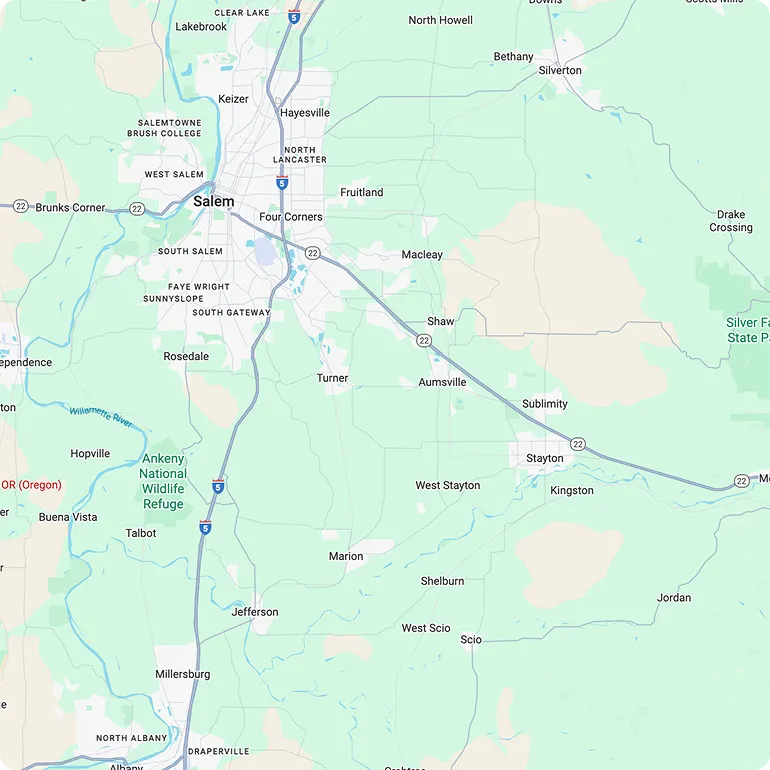
When winter arrives in Gates and the surrounding Willamette Valley, having a reliable heating system isn't just about comfort - it's about protecting your home and family from the cold months ahead. Whether you're upgrading an aging furnace, installing your first heat pump, or exploring ductless heating options, Stinson Mechanical is here to guide you through the entire heating installation process with honesty and expertise.
.jpeg)
With over 25 years of HVAC experience serving Salem and the Willamette Valley, we understand the unique heating challenges our region faces. From the crisp fall evenings to the heavy winter demand, your heating system needs to perform reliably when you need it most. This page walks you through what to expect when you choose Stinson Mechanical for your heating installation in Gates, OR.
Why Heating Installation Matters in Our Region
Gates experiences the typical Willamette Valley climate - cool, wet winters with occasional freezing temperatures and significant heating demands from November through March. Many older homes in our area were built with aging furnaces or outdated heating systems that waste energy and money while struggling to maintain consistent comfort.
A proper heating installation does more than keep you warm. It sets the foundation for energy efficiency, long-term reliability, and lower heating bills for years to come. When you invest in a new heating system, you're investing in comfort, efficiency, and peace of mind during the coldest months of the year.
Our Heating Installation Process
At Stinson Mechanical, we don't believe in one-size-fits-all solutions. Every home in Gates has different heating needs based on size, layout, insulation, and how you use your space. Here's how we approach your heating installation from start to finish.
Initial Home Assessment and Load Calculation
The first step in any heating installation is understanding your home's specific heating requirements. This involves a detailed load calculation - a technical assessment that determines how much heating capacity your home actually needs.
During this assessment, we evaluate several key factors:
- Square footage and layout of your home
- Insulation levels in walls, attic, and basement
- Window and door placement and condition
- Ceiling height and number of stories
- Current ductwork (if applicable)
- Local climate data for Gates and the surrounding area
- Your household's comfort preferences and usage patterns
This isn't a quick guess. A proper load calculation takes time and expertise. Many HVAC contractors skip this step, leading to systems that are either undersized (leaving cold spots and high energy use) or oversized (cycling on and off inefficiently and wasting money). Stinson Mechanical takes the time to get it right because we know the difference between an adequate system and an efficient one.
Equipment Selection: Finding Your Best Option
Once we understand your home's heating needs, we present you with options. In Gates, homeowners typically choose from three main heating solutions, each with distinct advantages.
Gas Furnaces
A gas furnace is a traditional, proven heating system that many Oregon homes use. Modern gas furnaces are significantly more efficient than older models, with AFUE (Annual Fuel Utilization Efficiency) ratings of 90-98%, meaning most of the fuel burned converts to usable heat.
Gas furnaces work well if you already have a gas line to your home. They heat quickly, provide strong heating output for very cold days, and typically have lower upfront costs than heat pump systems. If you have existing ductwork, a gas furnace installation can often reuse that infrastructure, keeping costs lower.
Heat Pumps
Heat pumps have become increasingly popular in the Willamette Valley because they provide both heating and cooling in one system. Instead of generating heat like a furnace, heat pumps move warmth from outside air (or the ground) into your home.
In Gates' climate, air-source heat pumps work effectively even on cold days - modern systems operate efficiently down to very low temperatures. The major advantage is energy efficiency: heat pumps typically use 25-50% less energy than gas furnaces for heating. Over 10-15 years, that efficiency translates to significant savings on energy bills.
Heat pumps also eliminate the need for a gas line if you don't already have one, and they provide cooling in summer. The tradeoff is a higher upfront cost, though many homeowners find that long-term savings justify the investment.
Ductless Heat Pumps
Ductless systems (also called mini-splits) are individual heating and cooling units installed in specific rooms or zones. Each unit has an indoor wall-mounted component and connects to an outdoor compressor via a small refrigerant line.
Ductless heat pumps are ideal if you don't have existing ductwork, want to heat specific areas of your home, or prefer zoned heating (heating only occupied rooms, not the whole house). They're also excellent for additions or room expansions. Installation is often less invasive than installing new ducts, and they provide excellent efficiency and precise temperature control.
We discuss all three options with you, covering the pros, cons, efficiency levels, and realistic costs so you can make an informed decision about what works best for your home and budget.
Sizing and Efficiency Considerations
Choosing the right size system is absolutely critical. Here's why: an oversized system heats your home quickly but then cycles off and on frequently, wasting energy and wearing out components faster. An undersized system runs constantly and can't maintain your desired temperature on the coldest days.
At Stinson Mechanical, we size systems based on your home's actual heating load - not just square footage or what equipment happens to be in stock. We also discuss efficiency ratings:
- AFUE ratings for furnaces (90-98%)
- HSPF ratings for heat pumps (8-12 or higher)
- SEER2 ratings if the system provides cooling as well
Higher efficiency means lower energy bills, but also higher upfront cost. We help you understand the payback period - how long it takes for energy savings to offset the higher initial investment. Many of our Gates customers find that mid-to-high efficiency systems pay for themselves in 5-8 years through reduced heating bills.
Gas Line and Venting Requirements
If you're installing a gas furnace, proper gas line installation and venting are critical safety and compliance issues. We handle both.
Gas Line Installation
Gas lines must be sized correctly for your specific furnace and installed to code. We either upgrade or install new gas lines as needed, ensuring proper pressure and safety. All work meets Oregon State Building Code requirements and is inspected by local authorities.
Venting System
Gas furnaces require proper venting to safely exhaust combustion byproducts outside your home. Depending on your furnace type and home configuration, we install either:
- Category II venting (standard B-vent)
- Direct vent systems (sealed combustion)
- High-efficiency condensing vents
Proper venting is non-negotiable for safety. Improper venting can lead to carbon monoxide issues and system failures. We get it right the first time.
Energy Code Compliance
Oregon's energy codes have become increasingly strict about heating system efficiency and installation practices. If you're building new or doing major renovations in Gates, your heating installation must meet current code requirements.
At Stinson Mechanical, staying current with energy code changes is part of how we serve you. We help you understand code requirements for your specific project and ensure your new heating system meets or exceeds current standards. This protects your investment and ensures your system qualifies for any available rebates or incentives.
The Installation Timeline
From initial assessment to firing up your new system, a typical heating installation in Gates takes 2-5 business days, depending on the complexity.
Day 1 - Assessment and Planning
We visit your home, perform the load calculation, discuss options, and answer all your questions. If you decide to move forward, we place any equipment orders and schedule installation.
Days 2-3 - Preparation
If installing a furnace or heat pump, we prepare your mechanical space - running gas lines if needed, preparing ductwork, setting up the outdoor unit. For ductless systems, we locate the best placement for indoor units and run refrigerant lines.
Day 4 - Main Installation
We install the main equipment, make all connections, and run initial system checks. For gas furnaces, we verify gas pressure, test combustion quality, and ensure venting is proper.
Day 5 - Testing and Startup
Our technicians run a complete post-installation test, calibrate your thermostat, verify all safety controls, and show you how to operate your new system. We answer any questions and provide documentation and warranty information.
Simple installations might take just 1-2 days. Complex jobs with new gas lines, new ductwork, or challenging space might take longer. We'll give you a realistic timeline before work begins and keep you informed every step of the way.
Warranty and Post-Installation Testing
When Stinson Mechanical installs your new heating system, you're covered. We provide:
- Manufacturer warranty on all equipment (typically 5-10 years for parts)
- Stinson Mechanical workmanship warranty on installation
- Post-installation testing certificate documenting system performance
- Energy efficiency verification showing actual efficiency ratings achieved
After installation, we don't disappear. We recommend scheduling a follow-up service visit 30-60 days after installation to ensure everything is operating at peak performance. During this visit, we'll check refrigerant levels (for heat pumps), verify thermostat operation, inspect all connections, and make any minor adjustments needed.
Long-Term Benefits of Upgrading Your Heating
A new heating installation might seem like a large upfront investment, but the long-term benefits make it worthwhile for most Gates homeowners.
Energy Savings
Modern heating systems use significantly less energy than units 10+ years old. A heat pump might save you 30-40% on heating costs. Even a high-efficiency gas furnace can cut heating bills 15-25% compared to older equipment. Over 15 years, that's thousands of dollars back in your pocket.
Improved Comfort
New systems heat more evenly, maintain more consistent temperatures, and have better humidity control. You'll notice fewer cold spots and more stable comfort throughout your home, especially on the coldest winter days.
Reliability and Fewer Repairs
Old heating systems fail in winter - always at the worst possible time. A new system provides reliable heating with minimal service needs for the first 5-10 years. You'll go through winters without worrying about breakdowns.
Better Indoor Air Quality
New furnaces and heat pumps include improved air filtration and ventilation compared to older systems. This helps reduce dust, allergens, and other indoor air quality issues.
Lower Maintenance Needs
New systems require basic maintenance - annual furnace inspection or heat pump servicing - but don't need frequent repairs. Our twice-yearly maintenance plan keeps your system running efficiently without constant attention.
Increased Home Value
A new, efficient heating system is attractive to buyers if you ever sell. It's one of the most valuable upgrades you can make to a home.
Financing Your Heating Installation
We understand that a heating installation is a significant investment. That's why Stinson Mechanical offers flexible financing through Synchrony, making it easier to upgrade your system without paying the full amount upfront. You can spread payments over time, often with promotional financing options that reduce the total interest you pay.
During your initial assessment, we discuss financing options and help you understand the true cost of your new system when you factor in energy savings over time.
Why Choose Stinson Mechanical for Your Heating Installation
Choosing who installs your heating system matters. You're trusting them with a major home investment and your family's comfort through winter.
Here's what sets Stinson Mechanical apart for heating installation in Gates and the surrounding Willamette Valley:
Honest Assessment and Options
We don't push you toward the most expensive system. We present real options, explain the tradeoffs, and help you choose what's right for your specific home and situation. Honesty isn't just our claim - it's how we operate.
Local Experience and Expertise
With over 25 years serving Salem and the Willamette Valley, we understand the region's climate, building codes, and typical heating challenges. We've installed systems in homes just like yours and know what works in our climate.
Proper Load Calculations
We don't guess at system size. A real load calculation ensures you get the right system - not oversized or undersized. This single step makes a massive difference in efficiency and performance.
Energy Code Expertise
Oregon's energy codes can be confusing, but we stay current. We ensure your installation meets code and helps you understand any compliance requirements for your project.
Complete Installation Process
From assessment through post-installation testing, we handle everything. No surprises, no hidden steps, just a complete, professional installation.
Constant Communication
We keep you informed throughout the process. You'll know what's happening, when it's happening, and what to expect next. We stay in constant communication with our customers until the job is done.
Strong Equipment Inventory
We maintain sufficient stock of heating equipment and parts. This means we can often schedule installation quickly rather than waiting weeks for equipment to arrive.
Warranty Support
Our workmanship warranty backs our installation. If something isn't right, we'll make it right. You can trust that your new system is protected.
Get Started with Your Heating Installation in Gates
Whether you're facing a heating system failure, your current furnace is aging, or you want to upgrade to a more efficient heat pump, Stinson Mechanical is ready to help. We serve Gates, Salem, and the entire Willamette Valley with professional heating installation.
The first step is scheduling your home assessment. During this visit, we'll evaluate your home's heating needs, discuss your options, answer all your questions, and provide a clear picture of what a new heating system would mean for your comfort and energy bills.
When you're ready to discuss your heating installation, reach out to Stinson Mechanical. We're here to keep you comfortable and help you save money with an efficient heating solution designed specifically for your home.