.svg)
.svg)

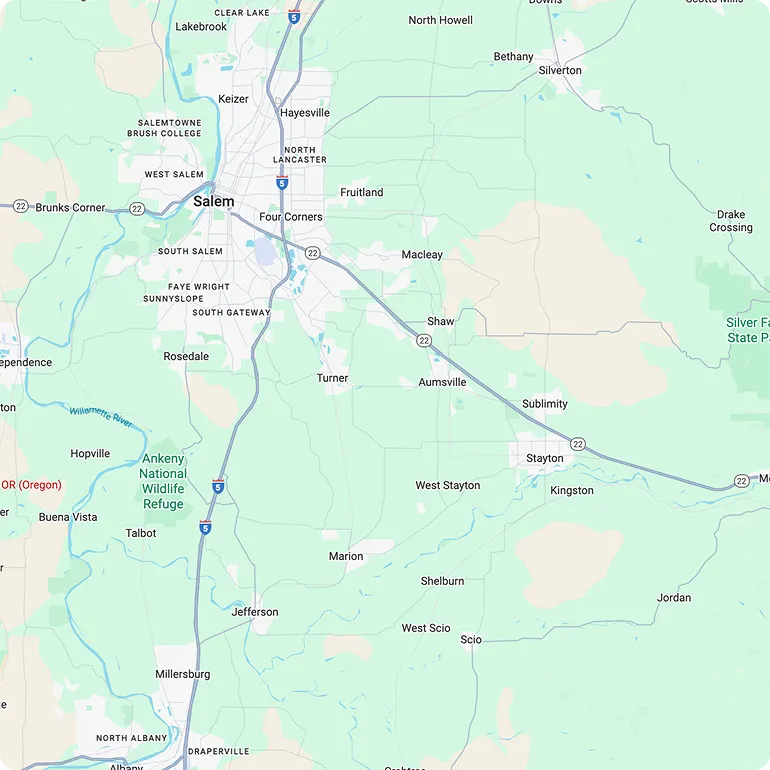
When winter arrives on the Oregon Coast, a reliable heating system isn't just a comfort - it's essential. If you're considering a new heating installation for your home or business in Lincoln City, understanding the process helps you make the right decision for your property. Stinson Mechanical has been serving the Willamette Valley and surrounding coastal communities for over 25 years, and we specialize in helping homeowners and business owners in Lincoln City select and install heating systems that keep them comfortable while saving money on energy costs.
.jpeg)
The heating installation process involves much more than simply swapping out an old unit. It's about assessing your specific needs, choosing equipment that matches your home's requirements, ensuring proper sizing and ductwork design, navigating permits and codes, and completing everything with thorough testing. We'll walk you through each step so you know exactly what to expect.
Why Heating Installation Matters in Lincoln City
Lincoln City experiences cool, damp winters with temperatures that can drop significantly, especially inland from the coast. Many homes built decades ago were installed with undersized or outdated heating systems that struggle during peak winter demand. Others have aging furnaces that consume excessive energy while providing uneven comfort. A proper heating installation tailored to your home's specific characteristics can transform your winter experience and reduce your heating bills substantially.
The decision to install a new heating system often comes after recognizing common problems with existing setups - cold spots in certain rooms, unusually high heating bills, frequent system cycling, or simply an old system that's becoming unreliable. A new installation from Stinson Mechanical addresses these issues by providing equipment and design specifically matched to your home's needs.
Understanding Your Heating Installation Assessment
The first critical step in any heating installation is a thorough home assessment. This isn't a quick walkthrough - it's a detailed evaluation that determines what your home actually needs to maintain consistent comfort throughout winter.
During a heating load assessment, we evaluate several key factors:
- Square footage and room layout - Understanding your home's total conditioned space and how rooms connect helps us determine proper system capacity
- Insulation levels - Attic, wall, and basement insulation directly impacts how much heating capacity you'll need
- Air sealing and infiltration - Drafts around windows, doors, and other openings affect heating efficiency and required capacity
- Ceiling height and vaulted areas - Higher ceilings require more heating energy to maintain temperature
- Window type and orientation - Modern windows versus older single-pane glass significantly impacts heat loss, especially on the coast where coastal winds are a factor
- Current ductwork condition - If you're using existing ducts, we assess whether they're suitable or if modifications are needed
- Local climate factors - Lincoln City's coastal proximity, elevation changes, and moisture levels all influence system selection
This assessment allows us to calculate your home's actual heating load rather than simply guessing based on square footage. Oversized systems waste energy and cycle too frequently, while undersized systems struggle to maintain comfort. The right size - determined through proper assessment - delivers efficiency and reliability.
Equipment Selection for Energy Efficiency and Comfort
Once we understand your heating load, we discuss equipment options. Stinson Mechanical helps you explore the right heating technology for your situation and budget.
Gas Furnaces remain a popular choice for many Lincoln City homes. A modern high-efficiency gas furnace can deliver 95%+ Annual Fuel Utilization Efficiency (AFUE), meaning almost all the fuel burned converts to usable heat. Newer furnaces also feature variable-speed blowers that adjust to your home's actual needs rather than running at full capacity constantly. This modulation reduces energy consumption and improves comfort by maintaining steadier temperatures.
Heat Pumps have become increasingly popular as technology has improved, especially for Oregon's mild winters. An air-source heat pump transfers heat from outside air into your home, even when temperatures seem cold. Because they move heat rather than generating it, heat pumps can deliver significant energy savings compared to traditional furnaces. They're also excellent if you want integrated cooling capability during warmer months. Modern heat pumps perform well even in Oregon's climate, though some homeowners prefer them as a primary heating source with a backup furnace for extremely cold periods.
Ductless Heat Pumps offer flexibility for homes with specific heating challenges. If you have rooms that are difficult to heat with traditional central systems, or if you're adding a new space to your home, ductless systems deliver targeted heating without extensive ductwork. They're also quieter and more energy-efficient than space heaters or window units.
We discuss the pros and cons of each option honestly. A gas furnace might be the most cost-effective upfront choice for your situation, while a heat pump might deliver better long-term savings if you're planning to stay in your home for many years. Our priority is helping you understand the options so you choose what works best for your needs and goals.
System Sizing and Ductwork Considerations
Proper sizing is one of the most important decisions in a heating installation. This is where the initial load assessment directly influences equipment selection.
Many installers make the mistake of oversizing heating systems. They think bigger is better, but an oversized furnace or heat pump actually reduces efficiency and comfort. An oversized system heats your home quickly, then shuts off. When it cycles back on, temperature has dropped noticeably. This on-off cycling consumes more energy and creates uneven comfort. An accurately sized system runs longer, steadier cycles that maintain more consistent temperatures while using less energy overall.
We size equipment using industry-standard calculations based on your home's actual heating load. This ensures your new system delivers both efficiency and the steady, comfortable heat you're looking for.
Ductwork Design and Modification
If you're installing a forced-air furnace or heat pump in an existing home, ductwork is critical. Existing ducts may have several issues:
- Leaks and poor sealing - Loose connections and gaps allow heated air to escape into attics or crawl spaces rather than reaching living spaces
- Inadequate sizing - Ducts sized for an older, smaller system might not deliver sufficient airflow for a new, properly sized system
- Poor layout - Some homes have ductwork designed in ways that create uneven heating, with distant rooms receiving insufficient warm air
- Insulation gaps - Ducts in unconditioned spaces need proper insulation to prevent heat loss
When you choose Stinson Mechanical for your heating installation, we evaluate your existing ductwork and recommend modifications to optimize performance. This might involve sealing and insulating existing ducts, upsizing sections that restrict airflow, adding additional branches to previously underserved areas, or in some cases, designing new ductwork sections.
For homes considering ductless heat pumps, we avoid ductwork modifications entirely, which can simplify installation and reduce overall project costs.
Permits, Codes, and Compliance in Oregon
Oregon has specific energy codes that heating installations must meet. We stay current with these requirements and handle all necessary permitting and inspections.
Why Permits Matter
Building permits exist to ensure safety and energy efficiency. A new heating installation involves gas lines (if applicable), electrical connections, venting, and ductwork - all areas where improper installation creates safety risks or wasted energy. Required inspections catch these issues before they become problems.
Lincoln City is part of Lincoln County, and installations must comply with current Oregon energy codes. These codes require:
- Proper insulation of ductwork in unconditioned spaces
- Sealed ductwork connections to minimize air leakage
- Appropriate venting for combustion appliances
- Electrical connections meeting code standards
- Gas line sizing and safety measures if applicable
We handle all permitting and inspection scheduling as part of your heating installation project. You don't need to navigate these requirements yourself - we manage the process and ensure your new system passes all inspections before we consider the job complete.
Energy Code Updates
Oregon's energy codes continue to evolve, and energy efficiency standards are becoming stricter. If you're installing a new system now, you're meeting current code requirements. This means your investment will comply with standards for years to come, even as regulations continue to advance.
The Heating Installation Timeline and Process
A typical heating installation follows a logical progression from assessment through final testing. Understanding the timeline helps you plan and prepare.
Week Before Installation
We confirm the installation date and discuss preparation steps. If you're replacing an existing system, we explain removal procedures. You might need to clear access to your furnace location or heat pump placement area. We'll also confirm equipment delivery timing.
Installation Day (Usually 1-2 Days)
The actual installation process depends on your system type and whether we're replacing an existing unit or installing in a new space.
For a furnace installation in a basement or utility closet:
- Remove old equipment if applicable
- Prepare the installation location
- Position the new furnace and secure it properly
- Connect ductwork to the furnace plenum
- Install or modify ductwork as needed
- Connect gas line and ensure proper venting
- Install the thermostat and control wiring
- Complete electrical connections
- Seal all ductwork connections
For a heat pump installation:
- Position the indoor unit in an appropriate location
- Install the outdoor condensing unit
- Run refrigerant lines between indoor and outdoor units
- Connect electrical lines and controls
- Insulate and protect refrigerant lines
- Install the thermostat
- Test all connections before final charging
Post-Installation Testing and Commissioning
Once equipment is installed, we don't consider the job done until everything is tested and performing properly. This is where Stinson Mechanical's commitment to getting the job right becomes clear.
Post-Installation Testing and Verification
Proper commissioning ensures your new heating system operates at peak efficiency and safety.
Temperature and Airflow Verification
We measure temperatures at various ductwork points and throughout your home to verify the system delivers adequate heating to all areas. We also measure airflow using diagnostic tools to confirm your system is delivering the design airflow rate.
Gas Pressure and Venting Assessment
If your system uses natural gas, we verify proper gas pressure, safe combustion, and correct venting. Poor venting can create safety hazards, and improper pressure reduces efficiency.
Heat Pump Performance Checks
For heat pump installations, we verify refrigerant charge, superheat and subcooling measurements, and proper compressor operation. These factors directly impact the system's ability to transfer heat efficiently.
Thermostat Programming
We program your thermostat to your preferences and explain how to adjust settings. Modern thermostats can learn your patterns or follow a schedule you create, optimizing comfort while minimizing energy use.
System Operation Training
Before we leave, we walk you through operation - how to adjust temperature, understand your system's sounds and operation, and recognize any signs of problems that should prompt a service call.
Energy Efficiency Benefits and Operating Cost Savings
A new heating installation typically delivers significant operating cost reductions compared to an older system. The savings come from several factors.
Modern Equipment Efficiency
A furnace installed 15-20 years ago might operate at 80% AFUE, meaning 20% of fuel energy is wasted up the chimney. A new 95%+ AFUE furnace captures nearly all combustion energy for heating. Over a heating season, this efficiency difference reduces fuel consumption substantially. On the coast, where winter heating demands are moderate compared to inland areas, a modern furnace still delivers meaningful savings.
Heat pumps offer even greater efficiency gains by moving heat rather than generating it. A heat pump with a 3.0 or higher coefficient of performance delivers three units of heating for every unit of electrical energy consumed. Traditional electric heating, by contrast, consumes one unit of energy for one unit of heat.
Right-Sized Systems Reduce Cycling
An oversized system cycles on and off frequently, consuming energy during startup and shutdown. A properly sized system runs longer, steadier cycles that use less total energy while maintaining more consistent temperatures.
Improved Ductwork Efficiency
Sealed, insulated ductwork eliminates losses. A system with significant duct leakage delivers less heating to your living spaces - the rest escapes into unconditioned areas like attics and crawl spaces. New or improved ductwork ensures more of your heating energy reaches the rooms where you need it.
Smarter Controls
Modern thermostats and control systems allow you to adjust heating based on your schedule and preferences. Programmable or learning thermostats reduce energy consumption by not heating unused rooms or heating to full temperature when the house is empty.
Estimated Savings
While every home's savings differ based on current system efficiency, your new system's size and type, and how you operate it, typical customers experience 15-30% reductions in heating energy costs after a new installation. Over a system's 15-20 year lifespan, these savings add up significantly.
Comfort Improvements Beyond Energy Savings
While energy savings are important, most people notice comfort improvements even more directly.
Consistent Temperatures Throughout Your Home
Undersized or poorly ducted systems create temperature variations - some rooms stay warm while others feel cold, especially on the second floor or in rooms far from the furnace location. A new system designed for your home's actual layout delivers consistent, comfortable temperatures everywhere.
Faster Response to Temperature Changes
Modern systems respond more quickly to thermostat adjustments. If you've been living with a system that takes an hour to adjust temperature, a new installation feels dramatically faster.
Quieter Operation
Older furnaces often develop annoises as they age. New equipment operates quietly, and variable-speed blowers in modern furnaces run at lower speeds most of the time, creating less noise than older constant-speed designs.
Better Air Quality
New furnaces often include improved filtration, and heat pump systems don't produce combustion byproducts that can affect indoor air quality.
Financing Your Heating Installation
Stinson Mechanical understands that a heating installation is a significant investment. We offer flexible financing options through Synchrony to make the project more manageable.
Financing allows you to spread payments over time while enjoying the benefits of a new system immediately - including lower energy bills that help offset the financing cost. Many customers find that their monthly financing payments are close to or less than the monthly energy savings their new system generates.
We're happy to discuss financing options and help you understand the available plans. Our goal is making a quality heating installation accessible to homeowners and business owners throughout Lincoln City and the broader Willamette Valley.
Why Choose Stinson Mechanical for Your Heating Installation
A heating installation is a significant decision, and the company you select influences the quality, reliability, and efficiency of your system for years to come.
Experience and Expertise
With over 25 years in the HVAC industry, Stinson Mechanical brings deep knowledge of heating systems, local climate challenges, and Oregon's specific codes and requirements. Our technicians understand not just how to install systems, but how to optimize them for your specific home and situation.
Commitment to Honesty
We don't oversell larger systems than you need or push expensive solutions when simpler ones make sense. Our priority is understanding your actual needs and recommending equipment and approaches that deliver the best value for your situation.
Focus on Efficiency and Comfort
Our tagline - "Stay comfortable and save money with our energy-efficient AC and heating solutions" - reflects our actual approach. We don't sacrifice one for the other. A properly installed system is both efficient and comfortable.
Constant Communication
From the initial assessment through final testing, we stay in constant communication with you. You understand what's happening, why we're recommending specific approaches, and what to expect next.
Local Presence
We're not a national chain - we're a local company with deep roots in the Willamette Valley, including Lincoln City and the surrounding coastal region. We understand local climate conditions, building practices, and customer needs.
Getting Started with Your Heating Installation
If you're considering a new heating installation in Lincoln City, the first step is a thorough assessment of your home's heating needs. This evaluation provides the foundation for selecting the right equipment and designing a system that will keep you comfortable while maximizing efficiency.
Contact Stinson Mechanical to schedule your heating assessment. We'll evaluate your current situation, discuss options, explain the installation process, and help you make an informed decision about your home's heating system. Whether you're dealing with an aging furnace, uncertain about repair versus replacement, or building new and need a heating system from the start, we're ready to help you stay comfortable and save money.