.svg)
.svg)

When winter temperatures drop across the Willamette Valley, a reliable heating system becomes essential for keeping your home comfortable and energy costs manageable. Whether you're replacing an aging furnace, upgrading to a high-efficiency heat pump, or installing heating in a newly constructed space, choosing the right system and installer makes all the difference. Stinson Mechanical has spent over 25 years helping homeowners and business owners in Lyons and throughout the Salem area select and install heating systems that deliver comfort while keeping energy bills reasonable.
.jpeg)
Heating installation is more than just swapping out equipment. It's about understanding your home's unique layout, climate needs, and budget to find the solution that works best for you. The installation process involves careful planning, precise calculations, and attention to detail at every step. Our team at Stinson Mechanical takes the time to assess your property thoroughly, walk you through your options, and ensure your new system is sized and installed correctly from day one.
Understanding Your Heating Needs in Lyons, OR
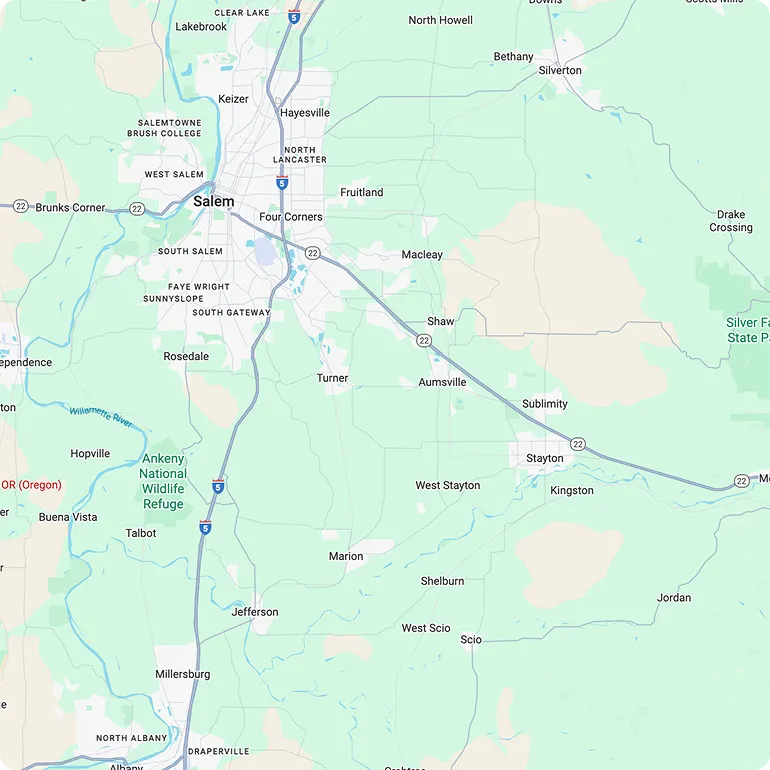
The Salem area and Willamette Valley experience distinct seasonal heating demands. Winter temperatures can drop significantly, and homes in this region often need reliable heating systems that perform consistently from November through March. Given the diverse weather conditions in Salem and the Willamette Valley, it's important to have heating systems that are properly matched to your home's specific requirements.
Before we recommend any heating system, we evaluate several factors that affect your heating needs:
- Home size and layout - Larger homes and those with open floor plans have different heating requirements than smaller, compartmentalized spaces
- Insulation and air sealing - How well your home is insulated directly impacts how much heating capacity you'll need
- Climate zone specifics - The Willamette Valley's mild winters compared to other regions mean some homeowners can use different system types than those in harsher climates
- Current heating system performance - If you're replacing an older system, we assess what worked and what didn't
- Long-term comfort goals - Some customers prioritize maximum efficiency, while others focus on even temperature distribution or zoning flexibility
Understanding these factors helps us recommend a system that's not oversized (which wastes energy) or undersized (which can't maintain comfort on the coldest days).
The Heating Installation Process
When you choose Stinson Mechanical for heating installation in Lyons, OR, you're getting a structured, professional approach that ensures everything is done right. Here's how our process works:
Initial Site Assessment and Consultation
Our first step is always a thorough conversation with you about your heating concerns, comfort goals, and budget. We'll visit your home or business to evaluate the current setup, ask questions about any issues you've experienced, and understand what you're looking for in a new system.
During this assessment, we examine your existing ductwork (if you have a ducted system), check for air leaks, look at your home's insulation, and identify any problem areas where comfort is inconsistent. We also discuss your typical heating patterns - do you need the system running most of the day, or do you have a more seasonal schedule? These details inform our recommendations.
Load Calculations and Proper System Sizing
One of the most important steps in heating installation is calculating your home's heating load - essentially, how much heat capacity you actually need. Many contractors skip this step or rush through it, which leads to systems that are too large or too small for the space.
We use industry-standard calculation methods that account for:
- Square footage of your heated space
- Climate zone data for Lyons and the surrounding area
- Number and size of windows and doors
- Insulation values in your walls, attic, and basement
- Air infiltration rates
- Your desired indoor temperature during winter
These calculations might sound technical, but they're crucial. An oversized furnace or heat pump cycles on and off too frequently, wasting energy and wearing out components faster. An undersized system struggles to maintain comfort during the coldest days and runs constantly. Proper sizing ensures efficiency, comfort, and longevity.
Comparing Heating System Options
After we understand your home's needs, we present you with realistic options. Our honesty about different systems helps you make the right choice for your situation.
Gas Furnaces
A traditional gas furnace is a proven, reliable choice for many homes in the Willamette Valley. Modern furnaces are significantly more efficient than older models, with AFUE (Annual Fuel Utilization Efficiency) ratings often reaching 95% or higher. Gas furnaces heat quickly and perform well in cold climates. They're also typically lower in upfront cost compared to heat pumps.
If you choose a gas furnace, we'll evaluate your existing gas line to ensure it can handle the new system or discuss upgrades if needed. We'll also discuss whether you want a single-stage, two-stage, or modulating furnace - each offers different efficiency and comfort benefits.
Heat Pumps and Ductless Heat Pumps
Heat pumps have become increasingly popular in Oregon because they provide both heating and cooling from one system, and they're extremely energy-efficient. A heat pump moves heat rather than generating it, which uses significantly less energy than a furnace. Even in cold climates, modern heat pumps with cold-climate ratings can operate effectively during Lyons' winter months.
Ductless heat pumps (also called mini-splits) are an excellent option if you don't have existing ductwork or want zone heating - heating certain rooms rather than your entire home. They're quieter, more flexible, and often more efficient than ducted systems.
Ductless systems work well in additions, finished basements, or homes where you want different temperatures in different areas. They also eliminate energy loss through ductwork, which can be significant in older homes.
Hybrid Systems
A hybrid system combines a heat pump with a gas furnace, switching between them based on outdoor temperature and efficiency. On mild winter days, the heat pump runs efficiently. When temperatures drop below a certain point, the system switches to the furnace for maximum heating capacity. For customers in Oregon who want the best of both efficiency and cold-weather performance, hybrid systems offer compelling advantages.
Ductwork and Gas Line Considerations
The equipment itself is only part of the installation. Proper ductwork design and gas line installation are equally important for system performance and safety.
Ductwork Evaluation and Installation
If you're installing a ducted furnace or heat pump system, we assess your existing ducts carefully. Leaky, poorly insulated, or incorrectly sized ducts can reduce system efficiency by 20% or more. During installation, we ensure:
- All ductwork is properly sealed and insulated
- Duct sizing matches your heating system's capacity
- Airflow paths are optimized for even temperature distribution
- Dampers and zoning controls are installed if you want multi-zone heating
If existing ductwork is damaged or severely inefficient, we'll discuss repair or replacement options. Sometimes upgrading ductwork is a worthwhile investment that pays for itself through energy savings.
Gas Line Installation and Safety
If you're installing a gas furnace, your gas line needs careful attention. Building codes in Oregon have specific requirements for gas line size, materials, and installation methods. We handle all aspects of gas line work:
- Evaluating your existing gas line capacity
- Upgrading to the correct line size if needed
- Ensuring proper ventilation and combustion air supply
- Testing the system for safety and efficiency
All gas line work is done in compliance with current code requirements and safety standards. We stay current with changes to energy codes so your system meets today's standards.
Permitting and Code Compliance
Heating installation in Lyons, OR requires permits from local authorities, and we handle this process for you. Permits exist to ensure the work is done safely and to code. Our team:
- Pulls all necessary permits before work begins
- Ensures installation complies with current energy codes
- Arranges for required inspections
- Provides documentation of code-compliant installation
Energy codes in Oregon have become more stringent over recent years, requiring higher-efficiency systems and better installation practices. We stay informed about these changing requirements and help our customers comply without unnecessary costs.
Installation Timeline
The timeline for heating installation varies depending on system complexity and any ductwork modifications needed. For a straightforward furnace replacement with existing ductwork, installation typically takes one to two days. Heat pump installations might require slightly longer, especially if we're adding ductwork or running refrigerant lines.
We schedule your installation at a time that works for your household, and we keep you informed throughout the process. Our goal is to minimize disruption while ensuring the job is done right. We stay in constant communication with our customers until the job is done, so you'll know what to expect each day.
Warranties and Protection
Every heating installation includes manufacturer warranty coverage on equipment. New furnaces typically come with 10-year warranties on the heat exchanger and 5-year coverage on parts. Heat pumps usually offer similar coverage. We'll explain exactly what your warranty covers and how to register it.
In addition to manufacturer warranties, we stand behind our installation work. If something isn't operating correctly due to our installation, we'll make it right.
Financing Your Heating Installation
We understand that heating installation represents a significant investment. We offer flexible financing options through Synchrony to help make upgrading your heating system more affordable. Financing allows you to spread the cost over time rather than paying everything upfront, and the energy savings from a new, efficient system often offset the monthly payment.
High-Efficiency Systems and Energy Savings
One of our core priorities at Stinson Mechanical is keeping our customers comfortable in an efficient manner. Upgrading to a high-efficiency heating system can reduce your winter energy bills by 15% to 30%, depending on what you're replacing and your current usage patterns.
Modern furnaces with AFUE ratings of 95% or higher convert nearly all the fuel they use into heat - compared to older furnaces that might only be 60-70% efficient. Heat pumps are even more efficient because they move heat rather than creating it through combustion. Over a system's 15-20 year lifespan, these efficiency improvements add up to thousands of dollars in savings.
Beyond the financial benefits, high-efficiency systems are better for the environment and often provide superior comfort. Variable-speed equipment runs more gently and maintains more even temperatures throughout your home.
Why Choose Stinson Mechanical for Heating Installation
Stinson Mechanical has served homeowners and business owners throughout the Willamette Valley for over 25 years. Our experience means we've installed heating systems in homes of all sizes and styles across Lyons, Salem, and surrounding areas. We understand the local climate, typical heating challenges, and what systems perform well in our region.
Our team prioritizes honesty in every recommendation. We don't pressure customers into oversized systems or unnecessary upgrades. Instead, we assess your actual needs, explain your realistic options, and help you choose what makes sense for your budget and comfort goals.
We maintain good stock of quality equipment and parts, which means your new heating system can often be installed quickly without long wait times. Our experienced technicians, including Justin Stinson and Colin Wiltsey, bring decades of combined HVAC knowledge to every job.
Getting Started with Your Heating Installation
When you're ready to explore heating installation options for your home in Lyons, OR, we're ready to help. Contact Stinson Mechanical to schedule your heating assessment. We'll visit your home, evaluate your heating needs, answer your questions, and provide honest recommendations for keeping you comfortable this winter and for years to come.
Your new heating system is an investment in home comfort and energy efficiency. Choosing the right system and installer ensures that investment pays dividends through reliable performance, consistent comfort, and lower energy bills throughout the heating season and beyond.