.svg)
.svg)

When your heating system stops working in the middle of winter, it's not just an inconvenience - it's a genuine emergency. Your home needs warmth, and you need answers fast. If you're in Philomath or the surrounding Willamette Valley area, Stinson Mechanical understands the urgency of heating failures. We've spent over 25 years helping families and businesses get their heat back quickly and reliably, and we know exactly what to look for when something goes wrong.
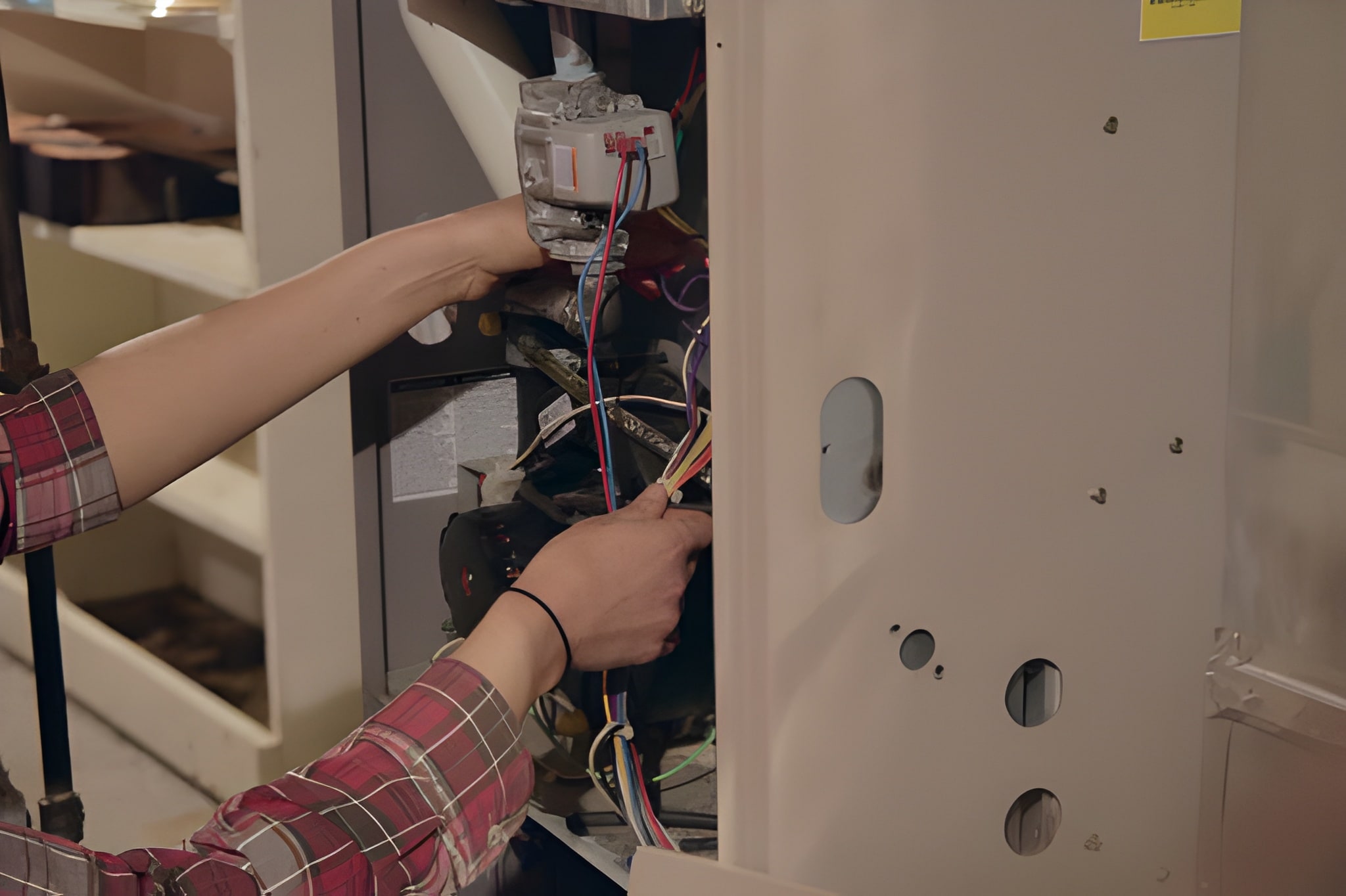
Heating problems rarely happen at convenient times. You might wake up to a cold house, notice your system cycling on and off constantly, or discover that some rooms aren't heating while others are fine. These are signs that your heating system needs professional attention. Understanding what's happening - and what your repair options actually are - makes a real difference in how you move forward.
Common Heating Problems in Philomath Homes
The Willamette Valley's cold, damp winters put real demands on heating systems. Here are the most common issues we see:
- No heat at all - Your system isn't producing any warmth, and the house is getting progressively colder. This could be a furnace failure, heat pump malfunction, or a problem with your gas supply.
- Ignition or pilot light issues - For gas furnaces, the pilot light won't stay lit, or the ignition system keeps failing. This prevents the furnace from firing up properly.
- Short cycling - Your system turns on, runs for just a few minutes, then shuts off. This wastes energy, leaves you uncomfortable, and puts unnecessary stress on your equipment.
- Uneven heating - Some rooms in your home are warm while others stay cold, even though your thermostat is calling for heat throughout the house.
- Weak airflow - Your heating system is running, but not enough warm air is reaching your rooms. This could be a blower problem, ductwork issue, or clogged filter.
- Unusual noises - Banging, whistling, or grinding sounds coming from your furnace or heat pump suggest internal problems that need immediate attention.
The good news is that many of these issues can be diagnosed and repaired without replacing your entire system. That's where our experience comes in.
How We Diagnose Your Heating Problem
When you call Stinson Mechanical about a heating repair, we don't just show up with assumptions. We follow a systematic approach to understand exactly what's wrong and what your best options are.
Our diagnostic process includes:
- Checking your thermostat settings and confirming they're correct for your home's current heating needs
- Inspecting your furnace or heat pump for visible problems, leaks, or damage to the unit itself
- Testing your system's ability to cycle on and off properly
- Checking gas pressure and supply (for gas furnaces) to ensure fuel is reaching the burner
- Examining the ignition system or pilot light and testing its reliability
- Reviewing your system's age and maintenance history to understand its overall condition
- Measuring airflow and temperature output to confirm the system is heating effectively
- Inspecting ductwork, vents, and air returns for blockages or damage
- Checking filters and cleaning components as needed
We stay in constant communication with you throughout this process, explaining what we're finding and what it means for your home. You'll understand your system's condition before we recommend any repairs, and you'll know what those repairs will cost.
Heating Repair Steps and What to Expect
Once we've diagnosed your problem, the repair work depends entirely on what we found. Here's what typical heating repairs look like:
For ignition and pilot light problems, we clean or replace ignition components, check the gas valve operation, and test the system to confirm reliable ignition. These repairs are usually straightforward and can often be completed in a single visit.
For short cycling issues, we inspect the thermostat calibration, check for airflow restrictions, examine the flame sensor (which can get dirty and cause the system to shut down prematurely), and look for any problems with the heat exchanger. Cleaning a flame sensor or replacing a faulty thermostat can often solve the problem quickly.
For weak airflow or uneven heating, we check your air filter first - a clogged filter is a surprisingly common culprit. We then inspect your ductwork for disconnections or damage, test your blower motor, and make sure your vents are clear. Sometimes adding or adjusting ductwork is necessary for better balance.
For heat pump problems, we test refrigerant levels, check your outdoor unit for frost buildup or debris, inspect the reversing valve (which switches between heating and cooling modes), and confirm that all electrical connections are secure. Heat pump repairs often require specialized knowledge, which is why having an experienced technician matters.
For gas furnace issues beyond ignition problems, we might need to inspect the heat exchanger, check your combustion process, or replace a malfunctioning gas valve. These repairs are more complex but essential for safe operation.
Most repairs can be completed during a single service visit. We stock common parts at our facility in Lyons, which means we can often get your system running again without having to order components and come back later.
Safety Checks for Gas Heating Systems
If you have a gas furnace, safety is always our top priority during repair work. Gas heating systems require specific attention to ensure everything is operating safely and efficiently.
Our safety checks include inspecting all gas connections for leaks using electronic detection equipment. We verify that your system is venting combustion byproducts safely outside your home through the chimney or vent pipe. We check your heat exchanger for cracks or corrosion, which can allow dangerous gases to enter your living space. We test your furnace's flame color and combustion process to confirm proper burning. We also verify that your system shuts down safely if it detects a problem.
These checks aren't optional extras - they're essential parts of responsible furnace repair. A gas heating system that isn't properly vented or maintained can be dangerous. That's why we take this seriously every single time.
When Repair Makes Sense, and When Replacement Does Too
This is probably the question on your mind: should we repair this system, or is it time to replace it? There's no one-size-fits-all answer, but here are the factors we consider together.
Repairs usually make sense if:
- Your system is less than 15 years old and has been reasonably well-maintained
- The repair is a single component failure, not multiple problems showing up at once
- The repair cost is less than about half of what a replacement would cost
- Your system was working reliably before this issue came up
- You don't have plans to replace it within the next 5 years anyway
Replacement becomes the better choice if:
- Your furnace or heat pump is older than 20 years. Technology improves constantly, and newer systems are significantly more efficient.
- Your system keeps needing repairs. If you're fixing different problems multiple times a year, the system is telling you it's wearing out.
- Your energy bills have climbed noticeably higher than they used to be. Aging systems lose efficiency over time.
- The repair cost is approaching 50 percent or more of a replacement system's cost. At that point, you're just delaying the inevitable.
- Your system uses refrigerant that's being phased out of production. Repair costs for these older systems keep climbing.
We're honest about this assessment because we want you to make the right decision for your situation. Sometimes that means recommending a straightforward repair. Sometimes it means suggesting that replacement would actually save you money over the next several years through better efficiency and reliability.
When replacement is the right move, we can walk you through your options for new systems, help you understand how energy-efficient modern heating equipment really is, and discuss financing options to make the upgrade manageable. But we won't push you toward replacement just to increase our revenue. Our priority is keeping you comfortable in an efficient manner - which sometimes means repairing what you have, and sometimes means upgrading to something better.
Response Times and Emergency Service
Here in Philomath and the Willamette Valley, winter doesn't wait, and neither does Stinson Mechanical when you need help. We understand that a heating failure during cold weather is an emergency.
Our standard service hours are Monday through Friday from 9 AM to 5 PM, and we work to respond to calls the same day whenever possible. For emergency situations that can't wait until business hours, we can discuss options to get your situation addressed quickly. We know the difference between "inconvenient" and "dangerous," and we treat heating emergencies accordingly.
When you call with a heating problem, we ask about your specific situation - is your house getting dangerously cold, do you have other heating sources available, are there vulnerable people at home who are at risk? These details help us prioritize your call and get the right response.
Parts Quality and Availability
One of the frustrations with heating repairs is waiting. You don't want your house cold while someone orders replacement parts that won't arrive for a week. That's why Stinson Mechanical maintains adequate stock of common heating components and parts at our Lyons location.
When we diagnose your heating problem, we can often complete the repair the same day because we have the parts we need on hand. This isn't luck - it's the result of 25 years of experience knowing what fails, what we're likely to need, and what's worth keeping in inventory.
If your repair requires something more specialized or uncommon, we'll know that upfront and can discuss the timeline with you honestly.
Warranty and Follow-Up
When we complete a heating repair, your peace of mind doesn't end the moment we leave your house. We stand behind our work with warranty coverage on repairs, and we encourage you to reach out if any issues come up shortly after we've been out.
Most heating repairs come with a reasonable warranty period. We'll explain exactly what's covered and for how long before we start any work. If your system acts up again within that window, we want to know about it so we can make sure the repair was done right.
Heating Maintenance - The Best Way to Avoid Repairs
This might seem counterintuitive coming from a repair company, but the honest truth is that regular maintenance prevents most heating emergencies. In the Willamette Valley's cold season, we recommend getting your heating system serviced twice a year - once before fall and winter arrive, and once in spring to check for any damage the heating season might have caused.
A maintenance visit catches small problems before they become expensive repairs. We clean your system, test all its components, replace filters, check for any developing issues, and make sure everything is ready for the heating season ahead.
Homes and businesses that stay on a regular maintenance schedule experience far fewer emergency breakdowns, get better efficiency from their systems, and ultimately spend less money on heating over time. The investment in maintenance pays for itself many times over through avoided emergency repairs and lower energy bills.
If your heating system has been running without regular service, or if it's been a while since the last maintenance visit, that's something we can address right now before something fails.
Making Your Decision
If you're in Philomath and your heating system needs attention, the next step is reaching out to discuss what's happening. We'll listen to what you're experiencing, ask the right questions to understand your situation, and either come out for a diagnostic visit or give you guidance on what to do.
We're here to keep your home comfortable through Willamette Valley winters in the most efficient way possible. That sometimes means a straightforward repair that gets you back to normal within hours. Sometimes it means exploring whether replacing an aging system would actually serve you better. Either way, we'll be honest about what your system needs and what makes sense for your situation.
Your heating system's job is to keep your family warm. Our job is to make sure it can do that reliably and efficiently, whatever that takes.