.svg)
.svg)

When you're thinking about the air quality inside your home, you're not just thinking about comfort - you're thinking about health. In Corvallis, where humidity levels fluctuate with the seasons and outdoor air quality can vary significantly, having a proper air purification system installed in your home makes a real difference. Stinson Mechanical specializes in helping homeowners and commercial property owners understand their indoor air quality challenges and find the right solution to address them.
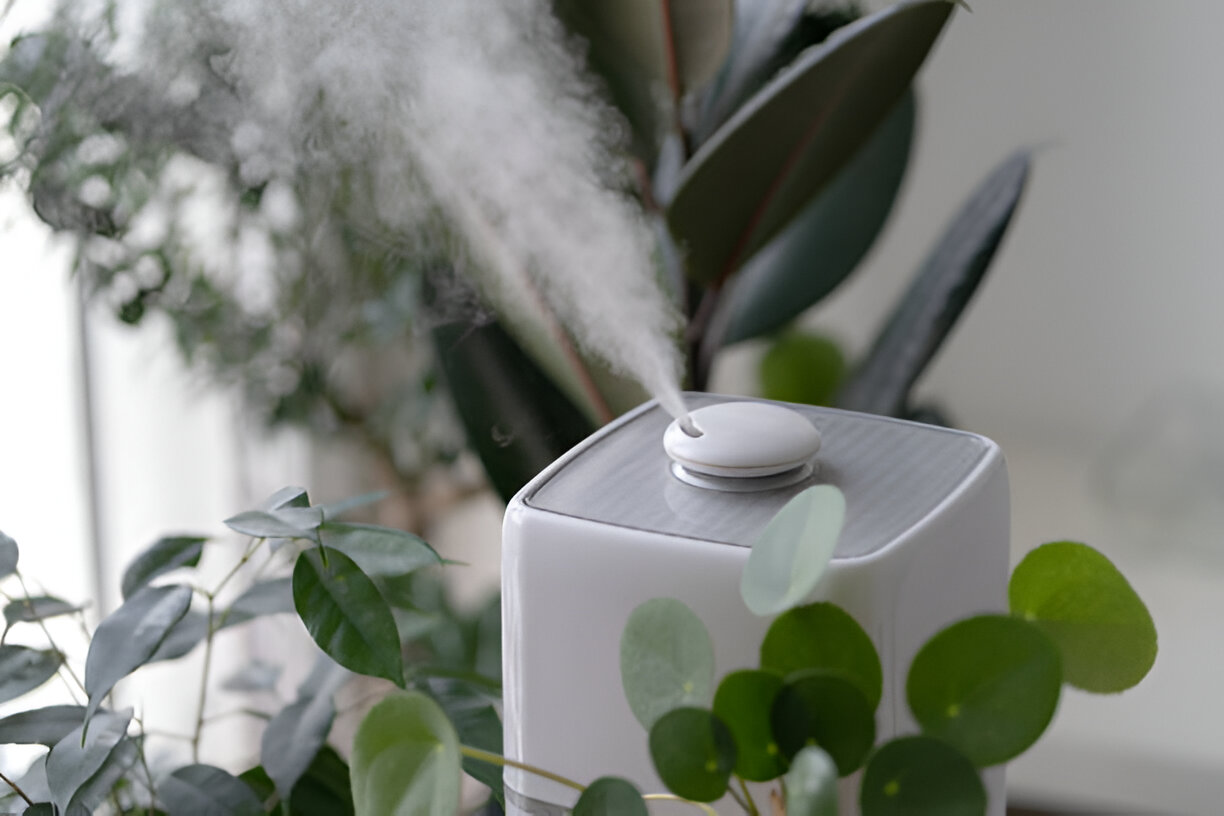
Poor indoor air quality can show up in ways you might not immediately connect to your air. If family members are experiencing more allergies, respiratory irritation, or persistent odors in certain rooms, your current HVAC system may not be filtering and purifying the air effectively. Many homes in the Willamette Valley rely on standard furnace filters alone, which typically catch larger particles but miss the finer contaminants that can accumulate over time. This is where professional air purification installation becomes an honest, practical solution.
Why Air Purification Matters in Corvallis
The Corvallis area experiences seasonal changes that directly impact indoor air quality. During fall and winter, homes are sealed tightly against the weather, which means any dust, pet dander, mold spores, or chemical off-gassing from furnishings gets recirculated through your HVAC system repeatedly. Spring and early summer bring pollen and outdoor pollutants that can easily enter your home through normal ventilation. If you have family members with asthma, allergies, or other respiratory sensitivities, these seasonal shifts often mean noticeable changes in comfort and health.
A whole-home air purification system doesn't just sit passively in your ducts - it actively works with your existing heating and cooling equipment to capture and neutralize contaminants before they circulate through your living spaces. Unlike portable air cleaners that only cover a single room, a properly installed purification system integrated with your HVAC handles every room in your home consistently.
Initial Indoor Air Quality Assessment
Before Stinson Mechanical recommends any air purification solution, we start with an honest assessment of your specific situation. During an initial visit, our technicians evaluate several factors that determine what type of system will actually work for your home.
We look at your current HVAC setup - the age of your equipment, the layout of your ductwork, and how your system is currently configured. We ask detailed questions about what you're experiencing: Are certain rooms stuffier than others? Are you noticing dust buildup faster than expected? Do odors linger in certain areas? Do family members have allergy symptoms that seem worse indoors? These details help us understand whether you're dealing with a general air quality issue across the whole home or specific problem areas.
We also consider the size of your home and how your HVAC system is balanced. A purification system needs to be sized appropriately for your home's square footage and your system's airflow capacity. An undersized unit won't effectively clean the air, while an oversized system can create resistance that makes your heating and cooling less efficient - exactly the opposite of what we want.
Part of this assessment includes discussing your budget and priorities. Some homeowners prioritize allergen removal above all else. Others are more concerned about odors, pet dander, or dust. Some want the most comprehensive solution available. Understanding your priorities helps us recommend technology that actually addresses what matters most to you.
Air Purification Technologies Explained
The air purification world includes several different technologies, each with distinct strengths and limitations. Understanding the differences helps you make an informed choice for your Corvallis home.
HEPA Filtration
HEPA stands for High-Efficiency Particulate Air, and these filters are the industry standard for removing tiny particles. A true HEPA filter captures 99.97% of particles 0.3 microns or larger - that includes dust, pollen, pet dander, mold spores, and similar contaminants. The downside is that HEPA filters create more resistance to airflow than standard furnace filters, which means your HVAC system has to work harder to push air through them. This uses more energy and can sometimes affect system efficiency if not properly sized. HEPA systems also require regular filter changes, typically every 6 to 12 months depending on how much they're filtering.
UV Light Purification
Ultraviolet light technology works on a completely different principle than filtration. UV lights are installed in your ductwork or air handler, and as air passes through, the UV radiation damages the DNA of bacteria, viruses, and mold spores, rendering them unable to reproduce. UV systems don't trap particles - they neutralize biological contaminants. This means UV works well alongside a good filter. Many homeowners in humid climates like the Willamette Valley appreciate UV systems because they help prevent mold growth inside the air handler and ductwork, which is a real issue when moisture accumulates. UV systems use very little energy and don't restrict airflow.
Electronic Air Cleaners
Electronic purification systems use electrical charges to trap particles. Air passes through an ionization section that gives particles an electrical charge, and then those charged particles are attracted to collection plates. These systems can be very effective at capturing fine particles and they don't restrict airflow like HEPA filters do. The trade-off is that they require regular cleaning of the collection plates - usually every month or two - and they can produce a small amount of ozone as a byproduct, which some people want to avoid.
Activated Carbon Filtration
If odors are your main concern - cooking smells, pet odors, musty basement smells - activated carbon is specifically designed to absorb odors and gaseous pollutants. Carbon filters work best when combined with particulate filtration because they address different types of air quality issues. Activated carbon is often incorporated into whole-home systems rather than used alone.
Most modern whole-home air purification systems combine two or more of these technologies. For example, a HEPA filter handles particles, UV light handles biological contaminants, and activated carbon handles odors. This multi-stage approach gives you more comprehensive coverage across different types of air quality problems.
System Sizing and Compatibility
Getting the right size system for your home is crucial, and this is where the initial assessment really matters. Stinson Mechanical evaluates your HVAC system's airflow capacity, measured in cubic feet per minute (CFM). Your purification system needs to be compatible with this airflow - not overwhelming it and creating unnecessary resistance, but substantial enough to actually clean the air.
The size of your home matters, but so does how your system operates. If you have a variable-speed air handler or a system that runs continuously in some fashion, we can recommend a different purification approach than if you have a standard on-off furnace. Some systems work best when your air handler is running constantly; others are designed to work effectively even with intermittent operation.
We also evaluate where the purification equipment will be installed. Some units sit in your main air handler closet or basement location. Others can be installed as standalone units in your ductwork if your layout doesn't accommodate a central installation. The goal is positioning that gives you the most effective coverage and the easiest maintenance down the road.
If your home has ductless heat pumps or mini-splits, air purification looks different - we'd discuss adding portable units to those spaces or exploring other options that work with your specific system configuration.
The Professional Installation Process
Once you've decided on a system, our installation process focuses on getting everything set up correctly so it works efficiently from day one.
We start by turning off power to your HVAC system. Depending on what type of purification system you've chosen, we may need to make modifications to your ductwork to accommodate new equipment. If you're installing a system in your main air handler location, we carefully integrate it with your existing equipment, ensuring all electrical connections are proper and all ductwork connections are sealed to prevent air leaks.
For UV systems, installation includes positioning the light chambers in your ductwork or air handler where maximum exposure happens. For filter-based systems, we install or upgrade the filter housing to accommodate the new media and ensure proper sealing so air can't bypass the filter through gaps.
We test the complete system before we consider the job done. We check airflow to make sure the purification system isn't restricting your HVAC operation. We verify all electrical connections. We make sure the system can be easily accessed for maintenance - this is important because if filter changes or UV bulb replacements become difficult, people often skip maintenance, and then the system doesn't perform.
Throughout installation, we explain how your system works, what maintenance it requires, and how you'll know if it needs service. We're not just installing equipment - we're making sure you understand your new system and feel comfortable using it.
Maintenance Plans and Ongoing Performance
After installation, your air purification system requires regular attention to keep working effectively. This is where maintenance planning comes in.
For HEPA or other mechanical filtration systems, filter replacement is the main maintenance task. Depending on how much filtering your system is doing - which depends on your home's air quality, whether you have pets, and how often you use your HVAC - filters might need changing every six months or annually. We can set up a maintenance schedule that reminds you when changes are due.
If you've installed a UV system, the bulbs eventually lose effectiveness and need replacement, typically every one to three years depending on the system. This is a simple replacement that doesn't require HVAC expertise.
Electronic air cleaners require regular cleaning of the collection plates to maintain effectiveness. If plates get too dirty, the system can't work properly and may even affect your HVAC performance.
Stinson Mechanical offers maintenance plans that take the guesswork out of keeping your system running well. Rather than wondering whether your filters need changing or trying to remember when you last replaced UV bulbs, a maintenance plan schedules these tasks for you. Many homeowners find this approach saves money in the long run because a well-maintained system runs more efficiently and lasts longer.
Expected Improvements in Air Quality and System Performance
After air purification installation, you should notice real changes in your home's air quality. These improvements typically show up fairly quickly.
If you've installed a HEPA-based system, you'll likely notice less dust settling on surfaces and furniture. Allergy symptoms often improve noticeably within a couple of weeks as the system captures more pollen and dust mites. The air in your home feels fresher without that stale, stuffy quality.
If odor removal was part of your system, cooking smells and pet odors that used to linger for hours should dissipate more quickly. Your home simply smells cleaner.
If you added UV technology, the benefits are less immediately obvious to your senses, but real nonetheless. You're preventing mold growth and controlling bacteria and viruses in your HVAC system. For homes in humid areas like the Willamette Valley, this protection keeps your air handler and ductwork cleaner and can prevent the musty smells that develop when mold grows inside your system.
Regarding energy performance - this is where you want realistic expectations. A properly sized air purification system should have minimal impact on your heating and cooling efficiency. A HEPA-based system creates a bit more resistance than a standard filter, which means your HVAC runs slightly longer to achieve the same airflow, using slightly more energy. This is usually a small trade-off - maybe 5-10% more energy use for HEPA filtration - that most homeowners consider worthwhile for the air quality improvement. In fact, many people find their systems run more efficiently overall because cleaner air handlers and coils perform better. UV and electronic systems use minimal extra energy.
The investment in air purification often pays dividends through improved health and comfort, especially for family members with respiratory issues or allergies.
Why Stinson Mechanical for Air Purification Installation
When you're making an investment in your home's air quality, you want a company that understands both HVAC systems and air quality solutions thoroughly. Stinson Mechanical brings both - our technicians have over 25 years of combined HVAC experience, and we've completed air purification installations for homes throughout the Willamette Valley.
We approach air purification the way we approach all HVAC work: with honesty about what you need, what different options cost in terms of money and energy, and what realistic expectations look like. We don't oversell a system that's more comprehensive than your situation requires, and we don't recommend something inadequate just to save money. We believe in keeping customers comfortable in an efficient manner, which means your air purification system should actually address your air quality concerns without creating efficiency problems elsewhere.
Our initial assessment is detailed because we know that different homes have different air quality challenges. A home with pets needs different solutions than a home with severe allergy issues or a family member with asthma. A tightly sealed newer home has different air quality dynamics than an older home with more air leakage. We take time to understand your specific situation.
Installation work is thorough and professional. We ensure that your system integrates properly with your existing HVAC equipment and that everything is set up for easy, sustainable maintenance. We explain your system thoroughly so you understand how to operate it and what maintenance it requires.
For scheduling your assessment and discussing air purification options for your Corvallis home, reach out to Stinson Mechanical. Our team is ready to help you understand your air quality challenges and find the solution that makes sense for your situation and budget.