.svg)
.svg)

When you think about what makes a home truly comfortable, clean air might not be the first thing that comes to mind - but it absolutely should be. The air you and your family breathe every day has a direct impact on your health, comfort, and even your HVAC system's efficiency. If you're noticing dust settling faster than usual, experiencing more allergies indoors, or just wanting to breathe easier in your Stayton home, professional air purification installation might be exactly what you need.
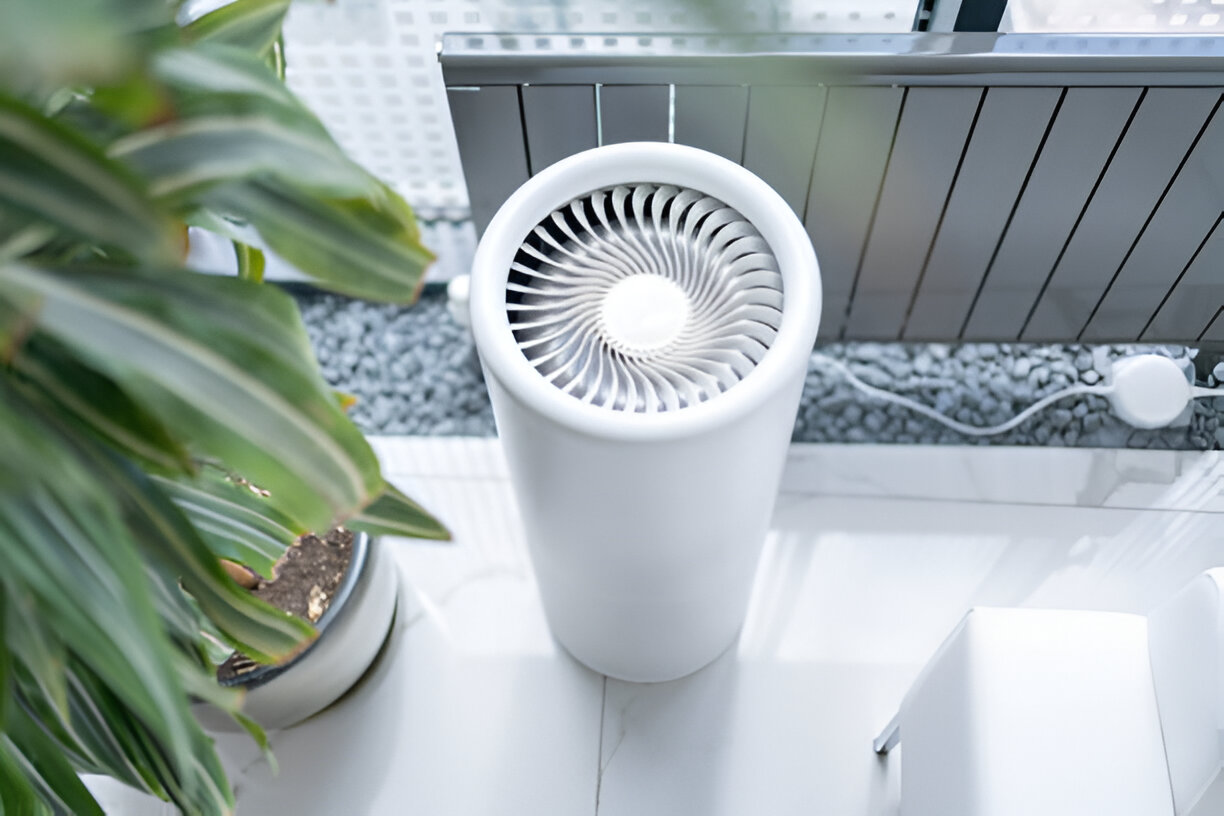
At Stinson Mechanical, we've helped hundreds of homeowners throughout the Willamette Valley improve their indoor air quality with systems tailored to their specific needs. We know that every home is different, and what works perfectly for one family might not be ideal for another. That's why our approach starts with honest conversation about your concerns, your home's layout, and your budget - because we believe in giving you real options, not just pushing the most expensive solution.
Why Indoor Air Quality Matters in Stayton
The Willamette Valley's beautiful scenery comes with seasonal air quality challenges that many homeowners don't anticipate until they're dealing with them. Spring and summer bring pollen, mold spores, and outdoor pollutants that find their way indoors. Fall brings leaf debris and moisture that can trigger mold growth in your home. Winter means closed windows and recirculated air that concentrates dust, pet dander, and other indoor pollutants.
Beyond seasonal concerns, modern homes are built tight for energy efficiency - which is great for your heating and cooling costs, but means indoor air quality depends heavily on the ventilation and filtration systems you choose. Poor air quality contributes to respiratory issues, allergies, asthma flare-ups, and general discomfort. If anyone in your household suffers from allergies or respiratory sensitivities, upgrading your air filtration can make a noticeable difference within days.
Common Air Quality Issues We Address
When we consult with homeowners in Stayton about air purification, we frequently hear about these specific problems:
- Persistent dust accumulation - Dust settling on surfaces faster than normal, requiring constant cleaning
- Allergy and asthma symptoms - Worsening symptoms indoors despite managing them well outdoors
- Musty or stale odors - Particularly during humid months when mold and mildew become active
- Pet-related issues - Pet dander, fur, and associated odors lingering in the home despite regular vacuuming
- Visible particulates - Seeing dust particles floating in sunlight or noticing them on furniture
- Seasonal pollen problems - High pollen counts outside triggering indoor symptoms even with windows closed
- Chemical sensitivities - Off-gassing from new furniture, cleaning products, or building materials
- Smoke odors - Whether from outside wildfires or indoor sources
Any of these sound familiar? You're not alone, and the good news is that modern air purification technology has advanced significantly in the past few years.
Understanding Your Air Purification Options
One of the biggest mistakes homeowners make is assuming all air filters and purification systems are essentially the same. They're not. Understanding the differences helps you make a choice that actually solves your specific problem rather than just looking better on paper.
Whole-Home vs. Point-of-Use Systems
Whole-home air purification integrates directly into your existing HVAC system and treats all the air circulating through your ductwork. This approach works with your heating and cooling system to filter and purify every bit of air that passes through. It's the most comprehensive solution and works well if you already have forced-air heating and cooling.
Point-of-use systems are portable units or smaller systems designed to clean air in specific rooms or zones. These work well for bedrooms, living rooms, or situations where you want to target one area without a full home installation. They're also flexible - you can move them or add multiple units as needed.
For most Stayton homeowners we work with, whole-home systems make more sense because they work passively with your existing system, don't require you to remember to run a portable unit, and protect your HVAC equipment itself from excessive dust and particles.
Technology Comparison: Which Type Is Right for You?
Different purification technologies work in different ways, and the best choice depends on what you're actually trying to remove from your air.
HEPA Filters (High-Efficiency Particulate Air)
HEPA filtration is the gold standard for capturing physical particles. A true HEPA filter removes 99.97% of particles as small as 0.3 microns - that includes dust, pollen, pet dander, mold spores, and dust mites. If you're dealing with visible dust, pollen, or pet-related air quality issues, HEPA is typically the most effective starting point.
The trade-off is that HEPA filters require regular replacement - usually every 6 to 12 months depending on usage. They also create slightly more resistance to airflow, so your HVAC system has to work a bit harder to push air through them. We'll assess whether your current system can handle a HEPA filter or if you might need a supplemental booster fan.
Ultraviolet (UV) Light Systems
UV systems kill bacteria, viruses, and mold spores by exposing them to ultraviolet light as they pass through. Unlike filters that trap particles, UV systems actually destroy microorganisms. These are excellent for addressing mold concerns, particularly important during Stayton's humid seasons, and for general bacterial and viral contamination.
UV systems don't create the airflow resistance that filters do, so they won't affect your system's efficiency. They require periodic lamp replacement but no filter changes. The catch is that UV doesn't remove dust or particles - it only addresses microorganisms - so UV often works best paired with a good filter.
Electronic/Ionic Purifiers
Electronic air cleaners use an electrical charge to attract and trap particles. They're very effective at removing fine particles and can handle higher volumes of air without creating airflow restrictions. These systems generate ions that cause particulates to become charged and stick to collection plates within the unit, which you clean periodically rather than replace.
Electronic purifiers work well for fine dust and are generally quieter than filter-based systems. They do require regular cleaning of the collection plates to maintain efficiency, and some people are concerned about ozone production - though modern systems are designed to minimize this.
Bipolar Ionization
Bipolar ionization is a newer technology that releases both positive and negative ions into your ductwork. These ions attach to particles, bacteria, and viruses, effectively neutralizing them. It works throughout your entire duct system and doesn't require you to pull all your air through a filter, so there's minimal airflow impact.
This technology is particularly effective at reducing odors, killing pathogens, and removing fine particulates. It works continuously as long as your system is running and requires minimal maintenance beyond occasional cleaning.
Each technology has legitimate advantages. The right choice depends on your specific air quality concerns, your existing HVAC setup, and how much maintenance you're willing to do.
Sizing and System Integration
One reason we strongly recommend professional consultation for air purification installation is that sizing matters tremendously. An undersized system won't effectively clean your air, while an oversized system wastes energy and money.
For whole-home systems integrated with your ductwork, we evaluate several factors:
- Your home's square footage and volume - Larger homes need systems with higher air exchange rates
- Number of occupants - More people means more demand on air purification
- Existing HVAC equipment - We need to ensure your current furnace and AC unit can accommodate the additional system
- Ductwork condition - Leaky ducts reduce purification effectiveness, so we assess whether duct sealing should happen first
- Air changes per hour (ACH) - We calculate how many times per hour all the air in your home gets cycled through the purification system
If you have a ductless heat pump system (mini-splits) rather than traditional forced-air heating and cooling, air purification options are slightly different but still very effective. We can install standalone purification systems that work alongside your mini-split system.
We also consider your home's envelope - how well sealed and insulated it is. Homes in Stayton that are particularly energy-efficient might benefit from ventilation systems that work with purification to bring in fresh outside air while filtering it.
The Air Purification Installation Process
Understanding what happens during installation helps you know what to expect and how to prepare your home.
Step 1: Initial Consultation and Assessment
We start by discussing your specific air quality concerns, any health issues related to indoor air, and your budget. We'll ask about visible dust, odors, allergy symptoms, and how long you've noticed these issues. This conversation determines which purification technology makes sense for you.
Step 2: System Evaluation and Recommendation
We inspect your current HVAC system, measure your ductwork, and assess your home's square footage. If you have forced-air heating and cooling, we evaluate whether your system can handle a whole-home purifier or if supplemental equipment is needed. We then recommend specific systems with honest explanations of why that option addresses your concerns.
Step 3: Preparing Your Home
Installation day preparation is simple. We ask that you clear access to your furnace, air handler, and main ductwork areas. If you have a basement or crawlspace where ductwork runs, clear that area so our technicians can work safely.
Step 4: Installation
For a whole-home system integrated with your ductwork, installation typically involves:
- Mounting the purification unit near your furnace or air handler
- Connecting it to your return and supply ductwork with appropriate fittings
- Installing any additional components like UV lamps, ionization cells, or filter housings
- Securing electrical connections and ensuring proper voltage
- Testing the system to confirm proper airflow
For point-of-use systems or additions to ductless systems, installation is faster and may require no ductwork modifications at all.
Step 5: System Testing and Performance Verification
After installation, we run your system through a complete test. We verify airflow through the purifier, check electrical connections, ensure the system integrates properly with your existing HVAC equipment, and confirm there are no leaks or issues. We'll also demonstrate how to operate the system and explain any maintenance requirements.
Step 6: Warranty and Documentation
We provide complete documentation of what was installed, warranty information, and maintenance schedules. We explain what's covered and for how long, and what routine care you'll need to perform.
Maintaining Your New Air Purification System
Air purification systems aren't quite set-it-and-forget-it, though they're close. The maintenance required depends on which technology you've chosen.
HEPA Filter Maintenance
HEPA filters should be inspected every 3 months and replaced when they look noticeably dirty - typically every 6 to 12 months for a household with pets or in dusty areas. A clogged filter reduces effectiveness and makes your system work harder. We can set you up with a maintenance schedule and reminders.
UV System Maintenance
UV lamps should be checked annually and replaced every 1 to 2 years, depending on usage. The lamp housing should be cleaned periodically to remove dust that might block the light.
Electronic Air Cleaner Maintenance
Collection plates should be washed every 1 to 3 months with warm soapy water. This is easy to do yourself, and we'll show you exactly how. Properly maintained electronic cleaners often last many years with minimal parts replacement.
Bipolar Ionization Maintenance
These systems are the lowest-maintenance option, requiring minimal care beyond occasional inspection. We typically recommend annual professional inspection to ensure everything is functioning optimally.
Regardless of your system type, we offer maintenance plans that include regular inspections, filter or component replacements, and performance testing. Many customers appreciate having this handled professionally to ensure their system continues working at peak efficiency.
What Air Quality Improvements Should You Expect?
The timing and extent of improvement depends on several factors, but most Stayton homeowners notice positive changes within the first week or two.
Immediate improvements often include reduced dust settling on surfaces, noticeable reduction in pet odors, and fresher-smelling air overall. If you chose UV or bipolar ionization specifically for mold concerns, you'll likely notice reduced musty odors quickly.
Within a few weeks, many people report feeling the difference in how they breathe. Allergy and asthma symptoms often improve, dust in the air becomes less visible, and there's an overall sense that the air feels cleaner and fresher. Some customers describe it as "the air feeling lighter" or "easier to breathe."
Over several months, the cumulative effect becomes clear. Your home requires less frequent dusting, allergy medications might be needed less often, and your HVAC equipment stays cleaner because it's filtering out more particles before they circulate.
The timeline and extent of improvement also depend on your home's other factors - whether you have pets, how much outdoor air infiltrates your home, whether you have moisture or humidity issues that support mold growth. This is why our consultation includes honest conversation about realistic expectations.
Air Quality and Your HVAC System's Health
Here's something many people don't realize - air quality improvements actually benefit your entire HVAC system. When your furnace, AC unit, and ductwork aren't constantly battling dust and debris, they operate more efficiently and last longer.
Clean air circulating through your system means:
- Less strain on your furnace and air conditioning compressor
- Fewer clogs in your system that reduce efficiency
- Lower energy consumption as your system doesn't work as hard
- Extended equipment lifespan because components aren't overheating from dust buildup
- Lower maintenance costs because technicians spend less time cleaning components
In other words, investing in air purification installation often pays indirect dividends through improved HVAC efficiency and longevity.
Integrating with Energy Efficiency
At Stinson Mechanical, we believe in staying comfortable and saving money - and air purification fits perfectly into that mission. While a new purification system isn't going to dramatically lower your heating and cooling costs the way a heat pump upgrade might, it supports your overall efficiency goals.
A properly installed whole-home air purifier maintains better airflow through your system, which means your furnace and air conditioner operate more efficiently. If you've invested in energy-efficient heating and cooling equipment, air purification helps protect that investment by keeping your system clean.
If you're considering air purification as part of a broader home comfort or efficiency upgrade, we're happy to discuss how it coordinates with other improvements you might be contemplating.
Navigating Rebates and Financing
We understand that home improvements require budgeting. Air purification installation is available through our flexible financing options via Synchrony, which allows you to spread the cost over a period that works for your budget.
Some local utility providers also offer rebates for indoor air quality improvements, particularly if you're upgrading to systems that support energy efficiency. We're familiar with available rebates in the Stayton area and can discuss what you might qualify for during your consultation. We always provide a free quote that outlines the total investment, so you have complete clarity before any work begins.
Why Choose Stinson Mechanical for Your Air Purification Installation
When you're making a decision about indoor air quality - something that directly affects your family's health and comfort - you want to work with a company you can trust. That's been our foundation since we started in 2018, and it drives everything we do.
Our team brings over 25 years of combined HVAC experience to every project. We're EPA licensed, hold residential general contractor certification, and we stay current on the latest air quality technology and best practices. We maintain stocked parts and equipment, which means we can typically complete your installation without delays.
More importantly, we prioritize honesty and clear communication. We'll explain your options in straightforward language, discuss the pros and cons of different approaches, and recommend what makes sense for your home and situation - not what generates the biggest invoice. We stay in constant communication with our customers throughout the installation process, so you're never left wondering what's happening in your home.
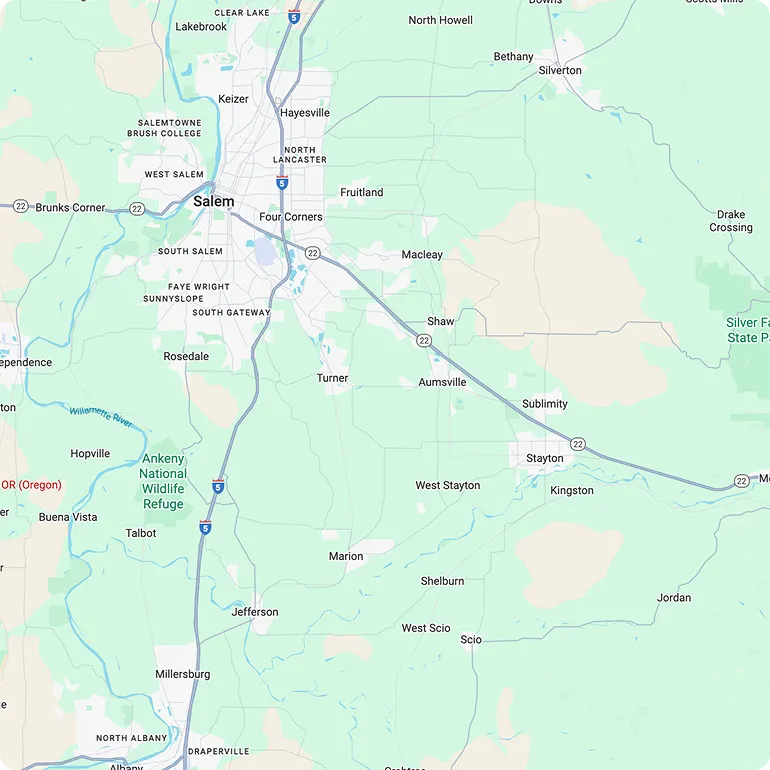
As a local Stayton business serving the Willamette Valley, we understand the specific air quality challenges our region faces. We're familiar with seasonal pollen patterns, humidity and mold concerns, and the impact of nearby wildfires on indoor air quality. This local knowledge informs our recommendations.
Taking the Next Step
If you're ready to improve your home's air quality and want professional guidance on the best approach for your situation, contact Stinson Mechanical for a free consultation. We'll discuss your specific concerns, evaluate your home and existing HVAC system, explain your purification options, and provide a clear quote.
You can reach us by phone at 503-689-4021 during our business hours, Monday through Friday from 9:00 am to 5:00 pm, or email us to schedule a time that works for your schedule. We serve Stayton and the surrounding Willamette Valley area, and we're committed to helping you breathe easier in your home while staying comfortable and efficient.