.svg)
.svg)

Air quality might not be the first thing you think about when it comes to your home's comfort, but the air you and your family breathe every day has a major impact on your health, energy bills, and overall well-being. Many homeowners in Gates and throughout the Willamette Valley don't realize that their indoor air could be harboring pollutants, excess moisture, or dangerous gases that are invisible to the naked eye. That's where professional air quality testing comes in.
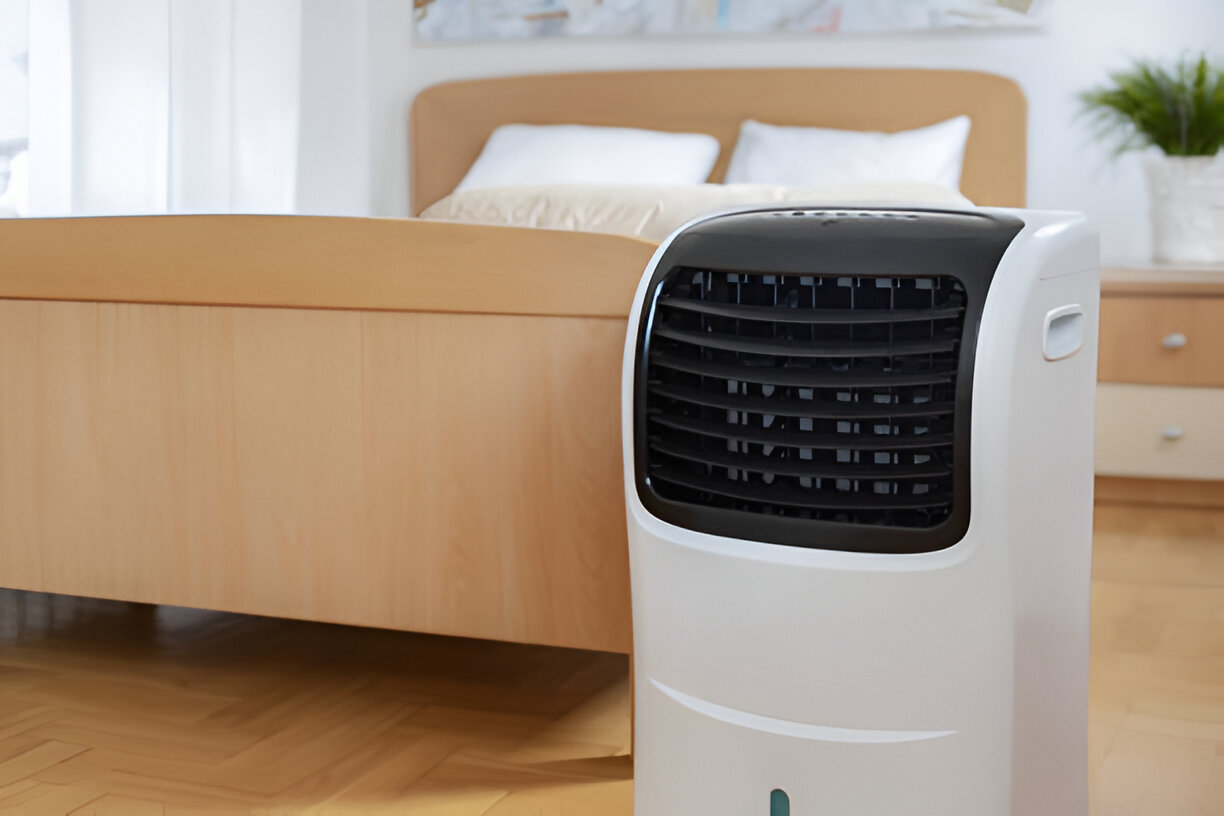
At Stinson Mechanical, we specialize in comprehensive air quality testing that identifies what's actually in your home's air so you can make informed decisions about your indoor environment. Whether you're concerned about allergens, mold, carbon monoxide, or simply want to understand your air quality baseline, our testing services give you the data and expert guidance you need to breathe easier and live more comfortably.
Why Air Quality Testing Matters in Gates, OR
The Willamette Valley's climate - with its rainy winters, humid summers, and seasonal temperature swings - creates unique air quality challenges for homeowners. Gates experiences moisture levels that can promote mold growth, pollen seasons that trigger allergies, and the kind of seasonal weather changes that stress HVAC systems and affect indoor air quality.
Poor indoor air quality doesn't always announce itself with obvious signs. You might notice stuffy rooms, musty odors, or family members experiencing unexplained respiratory issues, but the root causes often remain hidden. Your air could contain:
- Particulate matter like dust and pollen that bypass basic filters
- Volatile organic compounds (VOCs) from paints, cleaning products, and furniture
- Excess moisture that encourages mold and dust mites
- Carbon monoxide from faulty heating systems or appliances
- Elevated carbon dioxide levels in well-sealed homes
Without testing, you're essentially guessing at what needs to be fixed. Testing removes the guesswork and lets us recommend targeted solutions that actually address your specific air quality issues, saving you money by avoiding unnecessary upgrades and ensuring your HVAC system is working efficiently.
Types of Air Quality Testing We Offer
Stinson Mechanical offers a full range of air quality testing services designed to give you a complete picture of your indoor environment. We test for the specific pollutants that commonly affect homes in Gates and the surrounding region.
Particulate Matter Testing (PM2.5 and PM10)
Particulate matter - dust, pollen, pet dander, and other tiny particles - is one of the most common indoor air quality issues. PM10 measures particles 10 micrometers or smaller, while PM2.5 measures even finer particles that can penetrate deeper into your lungs. These particles are especially problematic during high pollen seasons in spring and fall, and they can exacerbate allergies and asthma. Our testing measures these levels and helps us identify whether your current filtration system is adequate or if upgrades are needed.
Volatile Organic Compounds (VOCs)
VOCs are gases emitted from household products, new furniture, carpeting, paint, and cleaning supplies. In homes with poor ventilation or in tightly sealed homes common in newer construction, VOC levels can accumulate to unhealthy levels. Testing helps identify whether ventilation improvements or air purification upgrades would benefit your home.
Carbon Dioxide (CO2) Testing
Carbon dioxide naturally builds up in occupied spaces as people breathe. While CO2 itself isn't toxic at typical indoor levels, high CO2 concentrations indicate poor ventilation and can correlate with other air quality issues. Testing CO2 helps us assess whether your home's ventilation system is performing adequately, especially important in modern energy-efficient homes that are tightly sealed.
Carbon Monoxide (CO) Testing
Carbon monoxide is an odorless, colorless gas produced by combustion appliances like furnaces, water heaters, and gas stoves. Even small amounts can be dangerous, particularly for children, elderly family members, and people with respiratory conditions. CO testing is critical if you have a gas heating system and should be part of your regular safety routine. We test to ensure your heating system isn't leaking this dangerous gas into your living spaces.
Mold Spore Sampling
The Willamette Valley's moisture-rich climate makes mold a genuine concern for many homeowners. Mold growth can be hidden behind walls, in attics, or in crawl spaces where you can't see it. Air sampling allows us to measure mold spore levels and identify whether you have an active mold problem that needs remediation. This is especially important if you or family members experience increased allergies or respiratory issues during certain seasons.
Humidity Testing
Proper humidity levels - typically between 30 and 50 percent - are essential for comfort and air quality. Too much humidity encourages mold and dust mite growth, while too little causes dry skin, static electricity, and respiratory discomfort. We measure your home's humidity levels and recommend adjustments to your HVAC system or dedicated dehumidification solutions to optimize your indoor environment.
How Our Air Quality Testing Process Works
When you call Stinson Mechanical to schedule air quality testing, we follow a systematic approach that's thorough without being disruptive to your daily life.
Initial Consultation and Assessment
First, we discuss your concerns and any symptoms you've noticed - persistent coughs, allergies that seem worse indoors, musty smells, or concerns about a specific pollutant. We also ask about your home's age, any recent renovations, your heating and cooling system, and your ventilation setup. This conversation helps us understand what testing makes sense for your specific situation and concerns.
Equipment Setup and Sampling
We use professional-grade testing equipment that's far more accurate than consumer-level air quality monitors. Depending on the tests you need, we'll strategically place sampling equipment in different areas of your home - typically in main living spaces, bedrooms, and near potential problem areas like basements or crawl spaces. Some tests, like carbon monoxide, are immediate readings, while others like mold spore sampling require collection periods that we handle for you.
Comprehensive Data Collection
Our equipment captures detailed measurements over the appropriate timeframe. For some tests, we'll take readings at different times of day to understand how your air quality changes when your heating or cooling system cycles, or as occupancy levels vary throughout the day.
Analysis and Reporting
Once testing is complete, we analyze all the data against industry standards and guidelines from organizations like the EPA and CDC. We prepare a detailed report that explains what each measurement means, how your home compares to recommended levels, and what the findings suggest about your indoor environment.
Understanding Your Air Quality Test Results
Raw data only means something when it's properly interpreted. That's why Stinson Mechanical takes time to walk you through your results and explain what they indicate about your home's air quality.
Particulate Matter Results
If your PM2.5 and PM10 levels are elevated, it typically means your filtration system isn't adequately removing airborne particles. This could indicate that your furnace filter is too basic (many standard filters only capture particles down to 10 micrometers), that your system isn't running frequently enough to filter the air, or that there are specific sources of dust or particles in your home. Higher readings often suggest upgrading to a higher-MERV filter, installing an air purifier, or addressing sources like pet dander or outdoor dust infiltration.
VOC Findings
Elevated VOC levels might point to poor ventilation, recent renovations, or off-gassing from new materials. Solutions could range from simply improving ventilation by opening windows when weather permits, to installing energy recovery ventilation that brings in fresh air while maintaining efficiency, to deploying activated carbon filtration.
CO2 Measurements
If carbon dioxide is building up, your home isn't exchanging indoor air with fresh outdoor air at an adequate rate. This is actually more common than many people realize, especially in newer, well-sealed homes built to modern energy codes. We might recommend installing a ventilation system or upgrading your existing one to ensure adequate fresh air circulation.
Carbon Monoxide Levels
Any detectable carbon monoxide from a heating appliance is a concern that requires immediate attention. If testing reveals CO, we'll inspect your furnace, water heater, or other combustion appliances to identify the source and make necessary repairs. Safety is non-negotiable here - we're thorough and careful because this gas can be deadly.
Mold Spore Counts
Elevated mold spores in your air indicate either an active mold problem or high humidity that's creating conditions for mold to grow. Testing helps us pinpoint whether the issue is current moisture intrusion, inadequate dehumidification, or poor ventilation. We'll recommend solutions ranging from improving drainage around your foundation, to installing a dedicated dehumidifier, to enhancing ventilation to manage moisture levels.
Humidity Readings
If humidity is consistently above 50 percent, you're creating an ideal environment for mold and dust mites. If it's below 30 percent, your home and your family's respiratory systems are suffering from dryness. We'll recommend adjustments to your HVAC system or dedicated humidity control solutions to get you into the ideal range year-round.
Common Air Quality Issues We Find in Gates Homes
After years of serving the Willamette Valley, we've identified patterns in the air quality issues that affect local homes. Understanding these common problems helps homeowners recognize whether testing might reveal problems in their own homes.
Seasonal Mold and Moisture
Gates' winter and spring rainfall, combined with homes' older construction methods or inadequate ventilation, frequently leads to elevated mold spore counts. We often find that crawl spaces, attics, or basements have moisture problems that affect the air quality throughout the entire home. Many homeowners are surprised to discover that musty smells they thought were just "how their home is" actually indicate a treatable mold issue.
Insufficient Filtration for Pollen
Spring pollen counts in the Willamette Valley are substantial, and standard furnace filters don't capture the finest particles. Homes without upgraded filtration or air purification systems often show elevated PM2.5 levels, particularly affecting family members with allergies or asthma. Upgrading filtration is one of the most effective solutions we recommend.
Poor Ventilation in Sealed Homes
Newer homes in Gates built to modern energy efficiency standards are wonderfully tight - which is great for heating and cooling bills but terrible for fresh air. Many show elevated CO2 levels and sometimes elevated VOC levels because indoor air isn't being regularly exchanged with fresh outdoor air. Adding mechanical ventilation is the solution, and modern systems can do this without wasting energy.
Combustion Appliance Issues
Gas furnaces and water heaters that aren't properly maintained occasionally show low-level carbon monoxide issues. Annual maintenance catches most of these problems before they become serious, but testing is the only way to know for certain that your gas appliances aren't introducing CO into your home.
Humidity Imbalance
Many Gates homes struggle with humidity control - too much during wet months, sometimes too little during heating season. This directly affects both comfort and air quality. Proper HVAC adjustments, dehumidification, or ventilation can address these issues.
Recommended Remediation Strategies Based on Test Results
Air quality testing is only valuable if it leads to real improvements. At Stinson Mechanical, we don't just hand you a report and send you on your way - we explain what needs to happen and why.
For Particulate Matter Issues
If your home has elevated dust, pollen, or particle levels, solutions include:
- Upgrading furnace filters to higher-MERV models that capture finer particles
- Installing a whole-home air purifier that works alongside your HVAC system
- Adding mechanical air cleaning devices that remove particles from circulating air
- Addressing specific sources like pet dander or outdoor dust infiltration
For VOC Problems
When volatile organic compounds are elevated:
- Improving ventilation through open windows when weather permits
- Installing a whole-home ventilation system with heat recovery
- Adding activated carbon filtration to capture gaseous pollutants
- Identifying and removing sources like recently applied paint or new furniture off-gassing
For CO2 and Ventilation Issues
High carbon dioxide indicates inadequate fresh air exchange. We recommend:
- Installing an Energy Recovery Ventilation (ERV) system that brings in fresh air while maintaining energy efficiency
- Adding mechanical ventilation to your HVAC system
- Adjusting your HVAC system to run more frequently, pulling in a bit of fresh air with each cycle
For Carbon Monoxide
If testing reveals any CO:
- Professional inspection and maintenance of your furnace, water heater, and any other gas appliances
- Repairs to any leaking combustion appliances
- Installation of properly functioning carbon monoxide detectors in your home
- In severe cases, replacement of faulty appliances
For Mold and Moisture
Elevated mold spore counts require addressing moisture:
- Installing or improving dehumidification in your HVAC system
- Upgrading ventilation to manage humidity levels
- Addressing moisture intrusion from foundation leaks, poor drainage, or inadequate bathroom ventilation
- Improving air circulation in problem areas like basements or crawl spaces
For Humidity Imbalance
To get humidity into the ideal 30-50 percent range:
- Installing a whole-home humidifier if air is too dry during winter heating season
- Installing a whole-home dehumidifier if moisture is excessive during warmer months
- Improving ventilation to naturally manage humidity levels
- Adjusting HVAC system runtime and settings to optimize humidity
How Air Quality Testing Informs Your HVAC Strategy
The real value of air quality testing is that it gives us concrete data to build a maintenance and upgrade plan around. Rather than guessing or recommending generic improvements, we know exactly what your home's air quality challenges are and can prioritize solutions accordingly.
If testing shows your existing filter is inadequate but your furnace is in excellent condition, we might recommend a simple filter upgrade first - a low-cost solution that addresses your biggest issue. If testing reveals multiple problems - poor filtration, high humidity, and inadequate ventilation - we can prioritize improvements in the order that makes most sense for your health and budget.
This data-driven approach saves you money by ensuring every recommendation directly addresses something we've identified in your home. It also helps us build a targeted maintenance plan. If testing shows you have a mold issue, we'll ensure your HVAC system is adjusted to help control moisture. If testing reveals poor filtration is your main problem, we'll recommend filter upgrades and system adjustments to make sure you're getting maximum air cleaning performance.
Documentation and Reporting You Receive
When Stinson Mechanical completes your air quality testing, you'll receive comprehensive documentation that's easy to understand.
Your report will include:
- Detailed measurements for each test performed, with explanations of what each number means
- Comparison of your results to EPA guidelines and industry standards
- A summary page highlighting your key findings and any areas of concern
- Recommendations for improvements, prioritized by impact and importance
- Information about which HVAC adjustments or upgrades would address each issue
- A maintenance plan tailored to your specific air quality needs going forward
We provide this documentation in a clear, accessible format - not technical jargon, but straightforward information you can understand and use. We also walk you through the report in person so you have the opportunity to ask questions and fully understand what the results mean for your home.
Scheduling Your Air Quality Testing
If you're concerned about your home's air quality in Gates or anywhere in the Willamette Valley, scheduling testing is straightforward. Contact Stinson Mechanical to discuss your specific concerns, and we'll recommend which tests make sense for your situation.
We offer flexible scheduling to minimize disruption to your daily life. Some tests take just a few hours, while others require collection periods that we manage for you. We work around your schedule and can often complete testing on the same day or over just a couple of visits.
Testing typically costs less than you might expect - far less than the cost of installing upgrades you might not need, or continuing to live with air quality problems you could address. When you consider that poor air quality contributes to health issues, energy inefficiency, and reduced comfort, the investment in testing to identify and address problems makes strong financial sense.
Why Choose Stinson Mechanical for Air Quality Testing
Air quality testing requires technical expertise, quality equipment, and the ability to interpret results accurately. At Stinson Mechanical, we bring over 25 years of combined HVAC experience to every air quality assessment we perform.
We're not just pulling readings - we're thinking about your specific situation, your home's age and construction, your climate in Gates, and your family's particular concerns. We understand how your heating and cooling system connects to air quality. We know the regional factors that affect Willamette Valley homes. And we're committed to honesty and transparency in how we explain findings and recommendations.
When you choose Stinson Mechanical for air quality testing, you're working with a local company that's built on the principles of staying in constant communication with customers, keeping you comfortable in an efficient manner, and being honest about what your home actually needs. We'll test thoroughly, explain clearly, and recommend solutions that make sense for your situation and budget.
If you're ready to understand what's actually in your home's air and get expert guidance on improving it, contact Stinson Mechanical today to schedule your comprehensive air quality testing in Gates, OR.