.svg)
.svg)

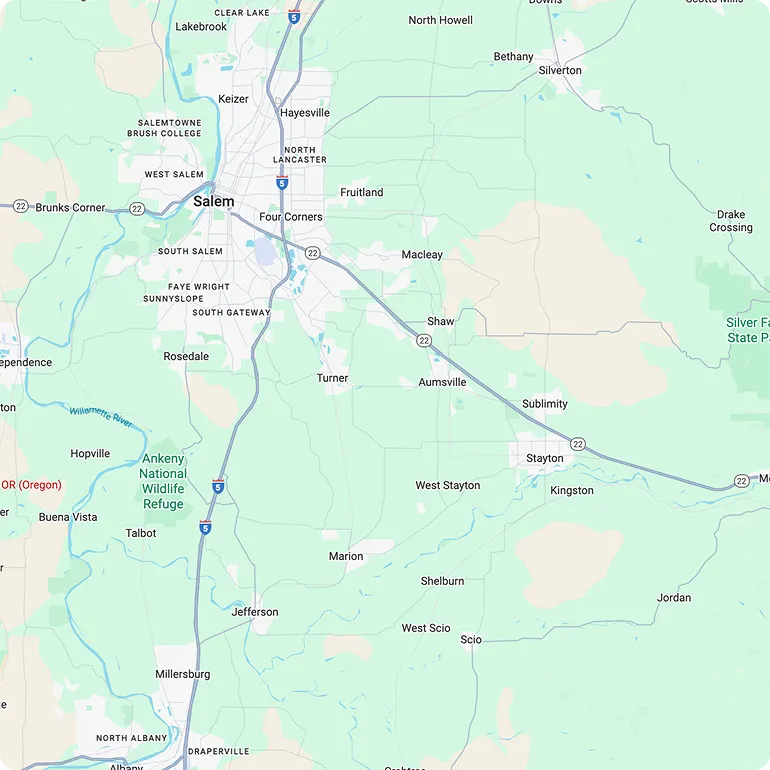
Indoor air quality is something most people don't think about until they notice a problem. You spend time in your home or business expecting the air you breathe to be clean and healthy, but poor air quality can lead to respiratory issues, allergies, fatigue, and other health concerns that sneak up on you. At Stinson Mechanical, we understand that staying comfortable means more than just controlling temperature - it means breathing air that's actually safe and clean. That's why we offer professional air quality testing services throughout Independence, OR and the surrounding Willamette Valley.
Our air quality testing services give you a clear picture of what's in the air you're breathing every day. Whether you're dealing with visible dust, strange odors, allergy symptoms that seem worse indoors, or you simply want to know if your home or business meets healthy air standards, we have the equipment and expertise to identify problems and recommend solutions.
Why Air Quality Testing Matters in Independence, OR
The Willamette Valley experiences significant seasonal changes that affect indoor air quality. During dry summers, dust and pollen levels spike. Fall and winter bring moisture that can lead to mold growth. Older homes and buildings in Independence may have ventilation issues that trap contaminants indoors. Even newer, well-sealed buildings can develop air quality problems if moisture and pollutants aren't properly managed.
Poor indoor air quality doesn't announce itself loudly. Instead, it develops quietly - dust accumulating in ducts, mold growing in hidden spaces, carbon monoxide leaking from faulty equipment, or volatile organic compounds off-gassing from materials. By the time people notice symptoms like persistent coughing, allergy flare-ups, or unusual odors, the problem may have been present for weeks or months.
Testing your air quality gives you concrete data instead of guessing. You'll know exactly what contaminants are present, at what levels they exist, and which areas of your property are most affected. This knowledge lets you make informed decisions about remediation and prioritize the most important improvements.
What We Test For During Air Quality Testing
When Stinson Mechanical performs air quality testing in Independence, OR, we use professional-grade equipment to measure multiple factors that affect your health and comfort:
- Particulate matter (PM2.5 and PM10) - These tiny particles from dust, pollen, smoke, and outdoor pollution penetrate deep into your lungs. We measure the concentration in your indoor air and identify sources.
- Volatile organic compounds (VOCs) - Off-gassed from paints, finishes, cleaning products, and furniture, these chemicals can cause headaches, respiratory irritation, and other symptoms. Our testing identifies levels and potential sources.
- Carbon monoxide (CO) - This odorless, colorless gas from faulty furnaces, water heaters, or attached garages is dangerous and potentially deadly. Testing ensures your equipment isn't leaking CO into your breathing space.
- Carbon dioxide (CO2) - While naturally present in air, elevated indoor CO2 indicates poor ventilation. High CO2 levels contribute to fatigue, poor concentration, and reduced cognitive function.
- Humidity measurements - Humidity that's too high promotes mold and dust mites; too low causes respiratory irritation and dry skin. We measure and identify imbalances.
- Mold spore sampling - Using air sampling techniques, we identify mold spore levels and types. Elevated spore counts indicate active mold issues or sources that need attention.
- Temperature mapping - We assess how temperature varies throughout your space, which often relates to ventilation and air circulation problems.
Each test uses calibrated, professional equipment that provides accurate readings you can trust. This isn't a simple screening - it's a comprehensive analysis of your indoor environment.
Our Air Quality Testing Process
When you contact Stinson Mechanical for air quality testing in Independence, we walk through a straightforward process designed to give you clear answers without disrupting your home or business.
Initial consultation - We talk with you about your concerns. Are you experiencing health symptoms indoors? Have you noticed odors, visible dust, or moisture problems? Do you just want a baseline assessment? Understanding your specific situation helps us focus testing on the areas that matter most to you.
On-site equipment setup - Our technicians arrive with professional-grade testing equipment calibrated for accuracy. We place monitoring devices in key areas - bedrooms, living spaces, basements, attics, or commercial work areas depending on your property layout and concerns. For mold spore sampling, we use air sampling pumps that collect spores over a timed period.
Real-time measurements - Most of our equipment provides immediate readings for particulate matter, CO, CO2, humidity, and temperature. We take measurements at different times and locations to identify patterns. If you have hot spots (rooms that are hard to cool or heat), cold spots, or areas where you notice odors, we specifically test those zones.
Mold and VOC sampling - For issues that require laboratory analysis, we collect samples using professional protocols. Mold samples are sent to an accredited lab for identification and spore count analysis. VOC sampling uses activated charcoal or other collection methods to capture gases for lab analysis.
Documentation and observation - Throughout the process, we document conditions, note potential sources of contamination, and observe your HVAC system operation. Sometimes poor air quality stems from simple issues like clogged filters, blocked vents, or inadequate ventilation that we can spot during testing.
Understanding Your Air Quality Test Results
After testing is complete, we provide you with a detailed written report that explains what we found. This isn't a technical document filled with jargon - it's a clear summary designed for homeowners and business owners.
Your report includes:
- Measured values for each contaminant - Listed with industry standards so you understand whether levels are acceptable, elevated, or problematic.
- Comparison to EPA and health standards - We reference official guidelines so you know how your air quality compares to what health experts recommend.
- Identified sources or contributing factors - If we spotted dust accumulation in ducts, moisture problems, ventilation issues, or equipment concerns, we document them.
- Visual documentation - Photos of areas of concern help illustrate the issues we identified.
- Recommendations prioritized by importance - Not every air quality issue needs immediate action. We help you understand which problems pose health risks, which affect comfort, and which are longer-term concerns.
We interpret results in the context of your specific situation. An older home in Independence with poor ventilation might have elevated particulate matter that's resolved through better duct sealing and regular filter changes. A newer, tightly-sealed business building might have CO2 and humidity issues that require upgraded ventilation. The solutions depend on what testing reveals.
Remediation Steps and Next Actions
Once testing is complete and you understand what's happening with your air, Stinson Mechanical helps you decide on remediation. We explain options clearly and give you cost estimates so you can prioritize based on your budget and concerns.
Common remediation approaches include:
HVAC system improvements - If testing shows poor air circulation or inadequate ventilation, upgrading to a high-efficiency air filtration system, improving duct sealing, or installing ventilation upgrades makes a significant difference. We can assess your current system and recommend specific upgrades.
Duct cleaning and sealing - Accumulated dust in ducts circulates through your home or business every time your system runs. Professional duct cleaning removes debris. Duct sealing prevents air leaks that reduce efficiency and allow outdoor contaminants to enter.
Humidity control - Installing or upgrading a humidifier or dehumidifier (or in many cases, addressing ventilation issues that cause the problem) brings humidity into the healthy 30-50% range.
Source removal or control - If testing identified specific sources like off-gassing materials, mold growth areas, or faulty equipment, addressing those sources is the first step. Sometimes this means replacing furnishings, removing contaminated materials, or repairing equipment.
Enhanced filtration - Upgrading filters or installing whole-house HEPA filtration captures more particulate matter and improves air quality noticeably.
Ventilation upgrades - Many Independence homes and buildings benefit from improved outdoor air intake and exhaust. This might involve installing a fresh air intake, upgrading exhaust fans, or balancing your system to ensure adequate air exchange.
We provide written estimates for any work recommended, breaking down costs clearly. Stinson Mechanical offers flexible financing through Synchrony, so cost doesn't have to prevent you from improving your air quality.
Follow-Up Verification Testing
After remediation work is completed, we offer follow-up testing to verify that improvements actually made a difference. This is important - you want proof that the work you invested in improved your air quality.
We retest the same parameters using the same locations and methods, so results are directly comparable. If particulate matter was elevated and you installed a new air filtration system, follow-up testing shows the reduction. If humidity was problematic and you installed a dehumidifier, we verify that levels are now in the healthy range.
This verification testing gives you confidence that remediation was effective and helps us identify if additional steps are needed. Sometimes a single improvement isn't quite enough, and testing data guides us toward the next most impactful solution.
Air Quality and Your HVAC System
Your HVAC system is central to indoor air quality. The system that heats and cools your space also circulates and filters your air. A poorly maintained system or one that's undersized for your property works harder and circulates contaminated air more thoroughly. A well-maintained, properly sized system with good filtration protects your air quality while keeping you comfortable.
During air quality testing, we evaluate your existing HVAC system's contribution to air quality. Is the filter clogged, allowing dust to bypass filtration? Are ducts dirty or leaking? Is your system providing adequate ventilation? Is equipment faulty or leaking contaminants? These assessments often reveal why air quality problems exist and what system upgrades would help.
Many air quality improvements include HVAC system work - everything from simple filter upgrades and duct cleaning to system replacements or ventilation additions. Stinson Mechanical has the expertise to handle all of it. We've been serving Independence and the Willamette Valley since 2018, building a reputation for honest service and reliable expertise. Our technicians have over 25 years of combined HVAC experience, so we approach every air quality challenge with proven problem-solving skills.
Common Air Quality Issues in Independence Homes and Businesses
Through years of testing and service, we've identified patterns in Independence air quality problems:
Seasonal pollen and dust - The Willamette Valley's agricultural surroundings and seasonal weather changes bring significant pollen and dust indoors. Older homes with deteriorating seals are particularly affected.
Moisture and mold growth - The region's wet winters create moisture problems, especially in basements, crawl spaces, and poorly ventilated bathrooms. Mold grows quietly and can become extensive before noticed.
Inadequate ventilation - Older homes built without modern ventilation standards trap indoor contaminants. Newer, energy-efficient homes sealed tightly also struggle if ventilation isn't properly balanced.
Furnace and water heater issues - Aging equipment sometimes develops carbon monoxide leaks. Regular maintenance prevents this, but older systems need careful monitoring.
Pet dander and allergens - Homes with pets accumulate dander that standard filtration doesn't capture effectively.
Dust and construction materials - Older homes may have settled materials, asbestos concerns, or dust from aging building materials.
Air quality testing identifies which of these issues affect your specific property, so remediation focuses on real problems rather than generic solutions.
Next Steps to Improve Your Indoor Air
If you're in Independence and concerned about indoor air quality, the first step is getting it tested. Testing gives you facts instead of assumptions. You'll know exactly what you're dealing with and can make informed decisions about improvements.
Contact Stinson Mechanical to schedule air quality testing. We'll discuss your concerns, explain what we'll test for, and give you a clear sense of what to expect. Our team stays in constant communication throughout the process, so you'll understand each step. After testing is complete, we'll provide a detailed report and honest recommendations for improving your air quality.
Whether your concern is health symptoms, visible dust, odors, moisture issues, or simply wanting to know if your air is clean and healthy, professional air quality testing is the smart first step. Stinson Mechanical has the equipment, expertise, and customer-focused approach to test your air thoroughly and help you understand what the results mean for your home or business in Independence, OR.