.svg)
.svg)

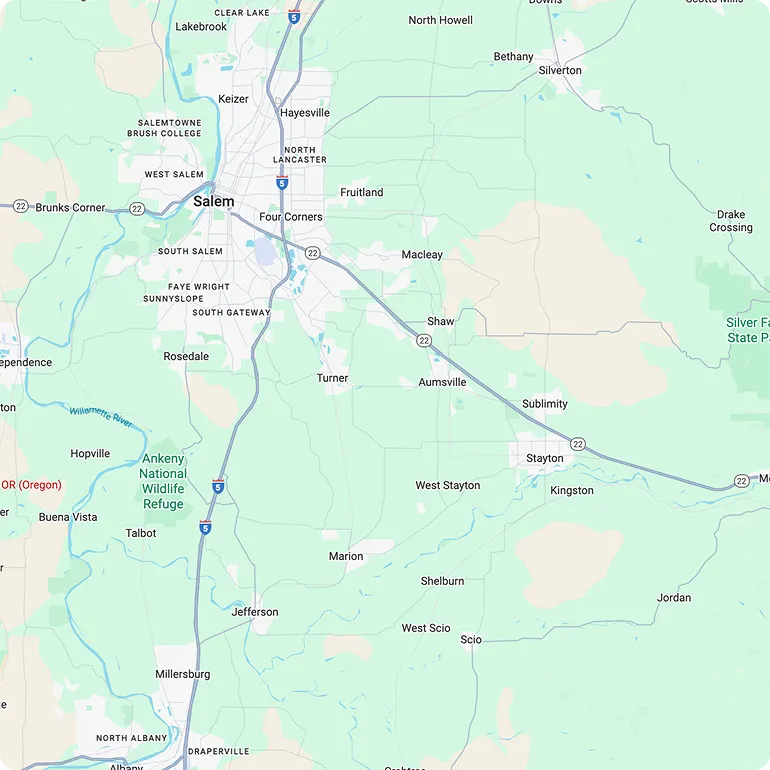
Indoor air quality is something many homeowners don't think about until they notice a problem - musty odors, allergy symptoms getting worse, or humidity that won't budge no matter what you do. The truth is, the air inside your home can be two to five times more polluted than outdoor air, and most people have no idea. At Stinson Mechanical, we understand that staying comfortable means more than just the right temperature. It means breathing clean, healthy air in your home or business. That's why we offer comprehensive air quality testing in Keizer, OR, and throughout the Willamette Valley.
Air quality testing isn't just for people with allergies or respiratory concerns - it's valuable for anyone who wants to understand what's actually in their indoor environment and take control of it. Whether you're dealing with humidity issues, concerned about mold, noticing odors, or simply want a baseline assessment of your indoor environment, our air quality testing services give you the data you need to make informed decisions about your home's comfort and health.
Why Air Quality Testing Matters in Keizer
Living in the Willamette Valley comes with its own indoor air challenges. Our region's wet climate, especially during fall and winter months, creates ideal conditions for moisture buildup and mold growth in homes. Spring brings pollen and allergens that can accumulate in your HVAC system. Summer heat can drive volatile organic compounds from household materials, furniture, and cleaning products into your breathing space. On top of that, modern homes are built to be more energy efficient and airtight - which is great for your heating and cooling costs, but it also means indoor air pollutants can become concentrated more easily.
Many Keizer residents experience issues like:
- Persistent humidity that makes homes feel clammy or encourages mold growth
- Musty smells coming from ducts or crawl spaces
- Dust accumulation that seems to happen too quickly
- Allergy and asthma symptoms that worsen indoors
- Concerns about off-gassing from new carpets, furniture, or renovations
- Questions about whether their HVAC system is actually cleaning the air effectively
Without testing, you're essentially guessing about what's really in your air. Air quality testing removes the guesswork and gives you concrete information about what you're breathing.
What We Test For
Stinson Mechanical's air quality testing covers the major contaminants and conditions that affect indoor comfort and health in Keizer homes and businesses. We don't just test one thing - we provide a complete picture of your indoor environment.
Particulate Matter (PM2.5 and PM10)
Particulate matter refers to tiny particles suspended in the air - dust, pollen, pet dander, smoke particles, and other microscopic debris. PM10 particles are larger (up to 10 micrometers) and usually settle quickly. PM2.5 particles are much finer and can stay suspended in air for hours or even days, penetrating deeper into your lungs. These particles are especially concerning for people with asthma, allergies, or respiratory sensitivities. Testing reveals whether your current filtration and air circulation is adequate or if you need upgrades like higher-grade filters, air purifiers, or better ventilation.
Volatile Organic Compounds (VOCs)
VOCs are gases released from household products, building materials, furniture, and cleaning supplies. Common sources include paint, varnish, adhesives, pressed wood products, carpeting, upholstery, air fresheners, and cleaning chemicals. Many VOCs cause immediate symptoms like headaches, dizziness, and respiratory irritation. Some are known or suspected carcinogens with long-term health effects. Testing identifies whether VOC levels are elevated and helps pinpoint the source so you can address it effectively.
Carbon Dioxide (CO2)
While CO2 is naturally present in air, indoor CO2 levels above 1000 ppm typically indicate inadequate ventilation. High CO2 is linked to poor concentration, fatigue, and headaches - even if you don't realize the connection. People often blame their HVAC system or think they have allergies when the real issue is that stale air isn't being replaced with fresh air efficiently enough. CO2 testing measures your home's ventilation effectiveness and guides decisions about upgrading your mechanical ventilation system.
Mold and Moisture Assessment
The Willamette Valley's damp climate makes mold a real concern for many homeowners. We assess moisture levels and look for indicators of mold growth or conditions that could lead to it. High humidity creates an environment where mold thrives. Low humidity can cause comfort issues and allow viruses to spread more easily. Testing reveals your actual humidity levels and whether they're in the healthy range (typically 30-50% relative humidity). We also identify areas where moisture is accumulating, which helps prevent costly mold problems before they start.
Our Air Quality Testing and Sampling Methodology
We don't approach air quality testing casually. Our process is thorough, systematic, and designed to give you accurate, actionable results.
Initial Assessment and Conversation
Before we pull out any equipment, we talk with you about your concerns. Are you noticing specific smells? Do allergy symptoms seem worse indoors? Have you had water damage or humidity problems? Are you concerned about a particular area of your home? Understanding your specific situation helps us tailor our testing to address your actual concerns, not just run generic tests. This conversation also helps us explain what we're looking for and why, so you understand the value of what we're doing.
Professional-Grade Testing Equipment
We use calibrated, professional-grade equipment for all air quality testing - not consumer-grade monitors that give rough estimates. Our equipment provides precise measurements that can be compared to industry standards and EPA guidelines. Different tests require different equipment and methodology. For particulate matter, we use real-time monitors that sample air over a specific period. For VOCs, we may use different sampling methods depending on what compounds we're testing for. For CO2 and humidity, we use multi-parameter monitors that track levels throughout the testing period.
Multiple Sampling Points
Your home isn't uniform - air quality can vary significantly from room to room, from the main living areas to bedrooms, from near the HVAC return air to other locations. We test multiple areas to get a complete picture. This helps us identify whether problems are throughout your home or concentrated in specific zones, which matters a lot when we're recommending solutions.
Testing Duration and Conditions
Depending on what we're testing for, sampling may occur over minutes, hours, or even days. Some tests need to run while your home is in normal living conditions. Others need to run with doors closed and systems operating in specific ways. We explain how to prepare your home for testing and what to expect during the process. Most tests are non-invasive and won't disrupt your daily routine.
Documentation and Data Collection
As we test, we document everything - what we're testing, where, when, and under what conditions. This creates a clear record and helps us interpret results accurately. All data is carefully recorded and organized for analysis.
Understanding Your Air Quality Test Results
Raw data only matters if you understand what it means. That's why we spend time reviewing results with you in plain language, not technical jargon.
Comparison to Standards
We compare your test results to EPA guidelines, ASHRAE standards, and industry best practices. This tells us whether levels are in healthy ranges or elevated. For particulate matter, we look at levels against air quality index standards. For VOCs, we compare to established exposure limits. For CO2, we look at ventilation adequacy. For humidity and mold indicators, we compare to recommended ranges for comfort and health. You'll understand not just what your numbers are, but what they mean for your home and health.
What the Results Tell You
Your results will clearly show which contaminants or conditions are present at elevated levels and which are fine. If particulate matter is high, it suggests your filtration needs upgrading. If VOCs are elevated, we've identified that as a concern and can help pinpoint sources. If CO2 is high, your ventilation system isn't bringing in enough fresh air. If humidity is consistently above 60%, you have moisture control issues that could lead to mold. If humidity is below 25%, you might be experiencing comfort or health issues from dry air.
Seasonal and Temporal Context
We also help you understand what's normal for your situation. Humidity naturally varies with seasons in Oregon - higher in winter and fall, lower in summer. Some VOC sources are temporary (new carpet or furniture off-gassing for a few months). Others indicate ongoing problems. Understanding this context prevents unnecessary concern about temporary conditions while identifying genuine issues that need attention.
Recommended Remediation and System Upgrades
Test results are only valuable if they lead to improvements. That's why we provide clear recommendations based on your specific findings.
Filtration Upgrades
If particulate matter testing shows high levels, upgrading your furnace filter is often a good first step. Standard 1-inch filters catch larger particles but let a lot through. Higher-grade MERV 11 or MERV 13 filters capture smaller particles, including PM2.5. For even better results, HEPA filters or whole-home air purification systems remove 99.97% of particles down to 0.3 micrometers. We discuss trade-offs - higher-grade filters restrict airflow slightly more, which affects your HVAC system's efficiency - and help you choose what makes sense for your situation.
Ventilation System Improvements
If CO2 testing reveals inadequate ventilation, you have several options. Energy recovery ventilators (ERVs) bring in fresh outside air while capturing heat from outgoing air, so you don't waste energy conditioning that fresh air. Balanced ventilation systems ensure you're not creating negative or positive pressure in your home that could cause other problems. For spot issues in specific rooms (like a bathroom with moisture problems), localized exhaust ventilation might be the answer. We explain how each option works and which makes sense for your home and climate zone.
Moisture Control and Dehumidification
High humidity often requires a multi-pronged approach. Better bathroom and kitchen exhaust ventilation removes moisture at the source. A whole-home dehumidifier works alongside your AC system to remove excess moisture. In some cases, addressing air leaks or improving crawl space ventilation solves the underlying problem. We look at your specific moisture sources and recommend the combination that actually solves the problem cost-effectively.
Air Purification Systems
If VOC or particulate matter levels are concerning, standalone air purifiers can supplement your HVAC system. Some use activated carbon to absorb gases and odors. Others use HEPA filtration for particles. Some advanced systems use UV-C light or photocatalytic oxidation to neutralize contaminants. The right choice depends on what contaminants you're dealing with and where in your home you most need improvement.
Source Identification and Removal
Sometimes the best remediation is addressing the source. If testing identifies a specific area where mold is likely growing, addressing that moisture problem stops the issue at the root. If VOC levels are high, identifying whether it's from new carpet off-gassing, stored chemicals, or pressed wood furniture helps you decide if ventilation improvements or source removal makes sense. We help you think through practical solutions, not just mask the problem.
System Optimization
Sometimes your existing HVAC system can be optimized to improve air quality without major upgrades. Adjusting fan speeds to improve circulation, ensuring your return air filter is the right type and installed correctly, checking that ductwork is properly sealed so conditioned air reaches where it should - these things often make a meaningful difference and don't require expensive new equipment.
Follow-Up Verification Testing
Recommendations are only as good as the results they produce. That's why we offer follow-up testing after improvements are made.
Confirming Improvements
After you've made changes - installed a new air purifier, upgraded your ventilation system, dehumidified your space, or addressed a mold source - follow-up testing measures whether those changes actually improved air quality. Sometimes what we expect to help works even better than anticipated. Sometimes we find that a different approach would be more effective. Testing confirms real improvements rather than relying on how you feel, which can be subjective.
Identifying Additional Needs
Follow-up testing sometimes reveals that addressing one problem has shifted what's most concerning. For example, after you've reduced humidity and mold isn't a risk anymore, maybe particulate matter becomes more noticeable. Or addressing VOCs might reveal that CO2 levels are now the primary concern. Follow-up testing guides any additional improvements you might want to make.
Establishing a Baseline for Ongoing Monitoring
If you're dealing with sensitive health concerns or want to track your indoor air quality over time, follow-up testing establishes a baseline. Periodic testing can track seasonal patterns and identify whether your systems are maintaining good air quality year-round. This is especially valuable for people with allergies, asthma, or other respiratory sensitivities.
Peace of Mind
Sometimes follow-up testing is simply about confirming that the problem is solved and you can stop worrying about it. That peace of mind has real value, especially for parents concerned about their children's health or anyone dealing with respiratory issues.
The Stinson Mechanical Approach to Air Quality
At Stinson Mechanical, air quality testing fits naturally into our broader mission: keeping you comfortable while helping you save money through efficiency. We've been serving the Willamette Valley since 2018, and our team brings over 25 years of combined HVAC experience. We understand how your heating and cooling system affects indoor air quality, and we understand the specific climate challenges in Keizer and the surrounding area.
Here's what you can expect when you work with us on air quality testing:
Honest Assessment and Communication
We test thoroughly and explain results honestly, whether they reveal problems or confirm that your air quality is fine. We won't recommend expensive upgrades you don't need, and we won't downplay issues that deserve attention. We stay in constant communication with you throughout the process, answering questions and making sure you understand what we've found and why it matters.
Expert Guidance from Experience
Our team has years of experience with air quality issues in homes and businesses throughout the Willamette Valley. We know what problems are common in our region's climate. We've seen what solutions actually work. We can guide you toward improvements that make sense for your specific situation rather than generic recommendations.
Practical Recommendations
We don't just identify problems - we help you understand practical, cost-effective ways to address them. Sometimes that means a straightforward equipment upgrade. Sometimes it means adjusting how you use your existing systems. We consider your budget, your comfort priorities, and your long-term goals, and we present options so you can choose what makes sense for you.
Integration with Your HVAC System
Air quality improvements often work best alongside a well-maintained HVAC system. If your furnace filter isn't being changed regularly, if your ductwork has leaks, if your system isn't sized correctly for your home - these things undermine air quality. We look at your whole system and make sure that any air quality improvements are supported by an efficient, properly maintained HVAC setup.
Getting Started with Air Quality Testing
If you're in Keizer or anywhere in the Willamette Valley and you're concerned about your indoor air quality - whether you've noticed specific problems or you simply want to understand what you're breathing - Stinson Mechanical can help. We offer comprehensive air quality testing that gives you the information you need to make confident decisions about your home's comfort and health.
Contact us for a free quote on air quality testing. We'll discuss your concerns, explain what testing would reveal, and help you understand whether it makes sense for your situation. Our team is available Monday through Friday, 9 AM to 5 PM, and we're ready to answer your questions about what's in your air and how to improve it.