.svg)
.svg)

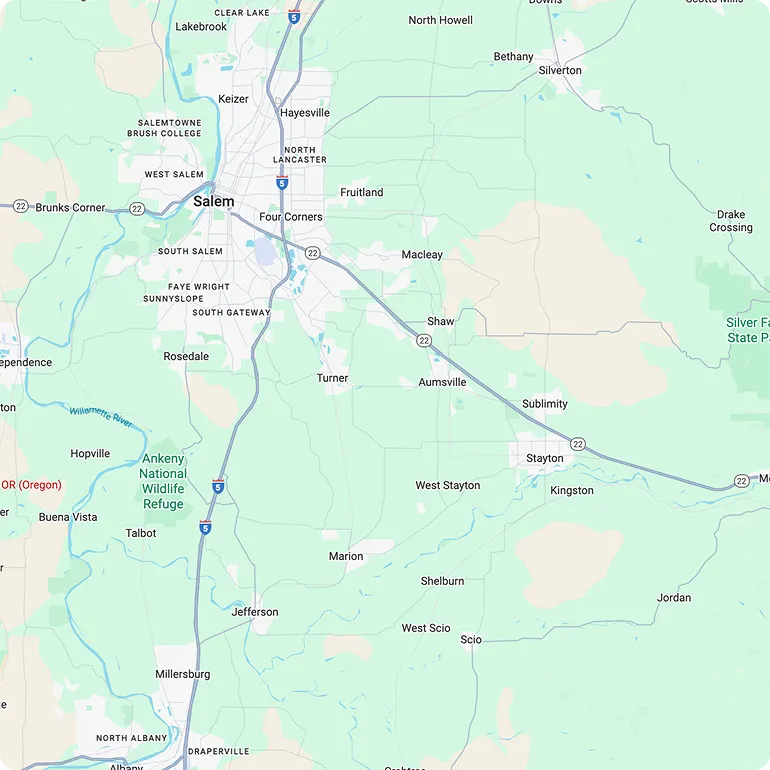
When you breathe in your home or business, you're inhaling more than just air. Particulates, volatile organic compounds, carbon dioxide, and moisture levels all affect your indoor environment and the health of those inside. At Stinson Mechanical, we understand that honest assessment is the foundation of any solution. That's why our air quality testing services in Mill City, OR are designed to give you a clear picture of what's actually in your air - not assumptions or guesses.
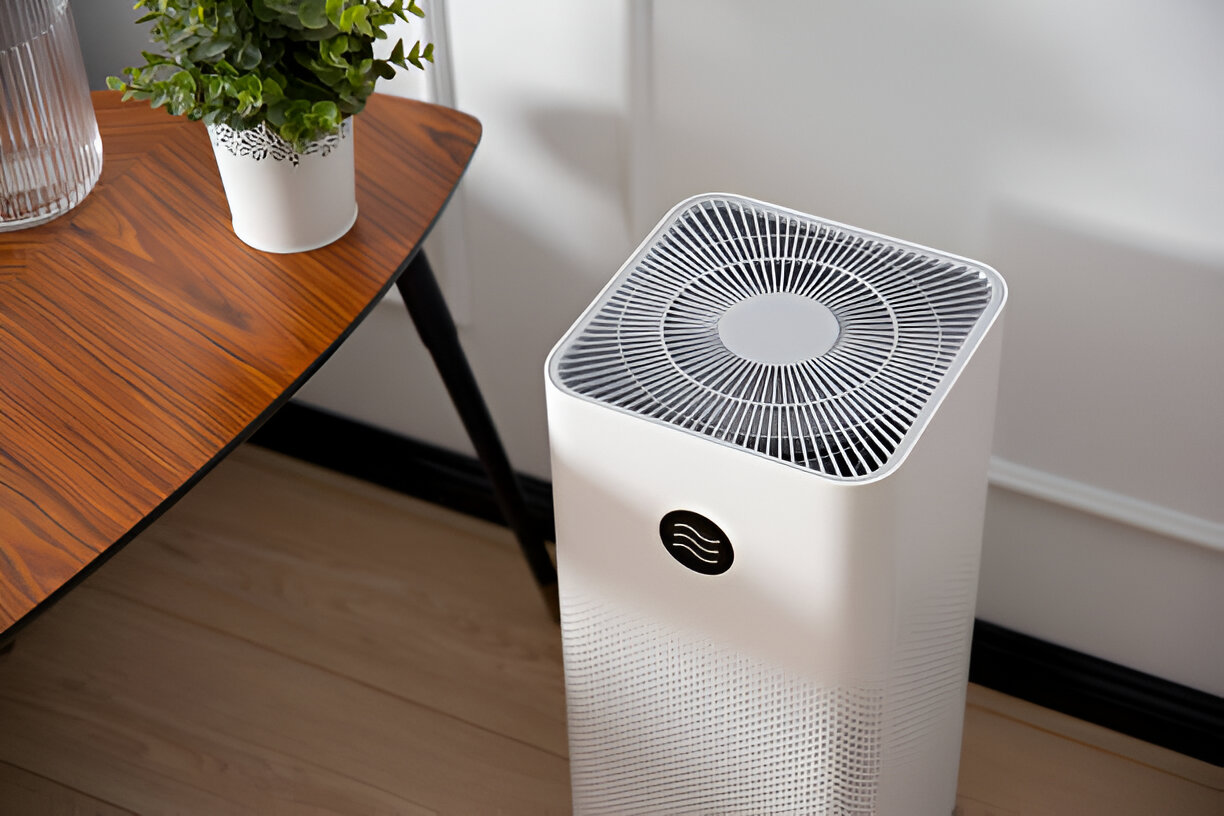
Air quality problems often go unnoticed because you can't see them. You might notice stuffy rooms, persistent odors, or family members experiencing allergy symptoms, but pinpointing the root cause requires proper diagnostic tools and expertise. Many property owners in Mill City and throughout the Willamette Valley don't realize their HVAC system plays a crucial role in maintaining healthy indoor air. A comprehensive air quality test reveals exactly what's happening in your space, allowing us to recommend targeted solutions that actually address your specific situation.
Why Air Quality Testing Matters in Mill City, OR
Mill City's climate and local conditions create unique air quality challenges. The Willamette Valley region experiences significant seasonal variations - wet winters that can increase moisture and promote mold growth, and summers where pollen counts spike and indoor spaces can become stagnant. If your home or business isn't properly ventilated or filtered, these environmental factors accumulate indoors, often at concentrations much higher than what you'd find outside.
The Oregon Health Authority and EPA have both emphasized the importance of healthy indoor air, especially in residential and commercial spaces where people spend extended periods. Poor air quality can lead to respiratory issues, allergies, asthma exacerbation, and general discomfort. For business owners in Mill City, inadequate air quality can impact employee productivity and customer comfort. For homeowners, it affects your family's well-being and comfort in the space you've invested in.
Stinson Mechanical brings over 25 years of combined HVAC experience to air quality diagnostics. We've worked with hundreds of properties across the Willamette Valley, from Salem to Portland and surrounding areas. Our approach is straightforward - test comprehensively, interpret results honestly, and recommend only the solutions your specific situation requires.
Our Air Quality Testing Process
When you schedule an air quality test with Stinson Mechanical, you're getting a thorough diagnostic performed by technicians who understand both the testing equipment and the HVAC systems that impact your air quality. Here's what you can expect:
Initial Assessment and On-Site Evaluation
We begin by understanding your specific concerns. Are you noticing odors, excessive dust, humidity problems, or general stuffiness? Do family members have allergies or respiratory sensitivities? What's the age and condition of your HVAC system? These questions help us focus our testing on the parameters most relevant to your situation.
Our technician will walk through your property, observing ventilation patterns, noting potential contaminant sources, and identifying areas where air quality is likely to vary. In many cases, air quality issues aren't evenly distributed throughout a space - some rooms may be significantly more problematic than others. We'll test in the areas where you spend the most time and where problems are most apparent.
Diagnostic Equipment and Measurements
Stinson Mechanical uses professional-grade equipment to measure multiple air quality parameters:
- Particulate Counters: These devices measure the concentration of particles of various sizes in your air. Particles in the 0.5 to 10 micron range are what most concerns indoor air quality specialists. Particulate matter can include dust, pollen, pet dander, and other allergens that affect air quality and respiratory health.
- VOC Meters: Volatile organic compounds are off-gassing from paints, finishes, adhesives, cleaning products, and other household materials. VOC meters quantify these invisible contaminants that can cause odor and health issues, especially in newer homes or recently renovated spaces.
- Carbon Dioxide Monitors: CO2 levels indicate ventilation adequacy. High CO2 concentration suggests inadequate fresh air exchange, which leads to stuffiness, concentration difficulties, and general discomfort. This is particularly important in commercial spaces where multiple occupants are present.
- Carbon Monoxide Detection: While less common in properly functioning HVAC systems, CO detection is a safety measure we include. Elevated CO indicates a serious problem requiring immediate attention.
- Humidity Measurement: The Willamette Valley's wet climate means humidity management is critical. We measure relative humidity levels to identify whether your space is too dry (uncomfortable, promotes static and respiratory irritation) or too humid (promotes mold growth, dust mites, and musty odors). Healthy indoor humidity typically ranges from 30-50 percent.
Common Contaminants We Test For
Mill City properties typically show issues with several specific contaminants based on regional conditions:
Particulate Matter and Allergens
Dust, pollen, pet dander, and mold spores accumulate in homes and businesses, especially where ventilation is inadequate. Our testing reveals whether your current filtration system is effectively removing these particles or whether upgrades are needed.
Moisture and Mold Indicators
The Pacific Northwest's rainy climate means moisture management is essential. Elevated humidity levels create conditions where mold can thrive. By measuring humidity, we identify whether your HVAC system is properly dehumidifying your space, or whether ventilation improvements or supplemental dehumidification would help.
Odor-Causing Compounds
Musty smells, kitchen odors, pet odors, and off-gassing from materials all contribute to poor indoor air quality. VOC testing helps identify whether smells are coming from temporary sources (like new paint) or persistent issues requiring ventilation or source control.
Stale Air Indicators
High CO2 levels indicate that fresh outside air isn't adequately replacing stale indoor air. This commonly occurs in well-sealed homes or commercial spaces where ventilation wasn't properly designed for current occupancy levels.
Understanding Your Test Results
After testing is complete, we don't just hand you numbers and walk away. Stinson Mechanical provides a comprehensive written report that explains what the test found in plain language. We interpret results based on EPA standards, Oregon Health Authority guidelines, and professional HVAC best practices. Our goal is to help you understand your indoor air quality so you can make informed decisions.
Each parameter is compared to recommended ranges. For example, your humidity level might be 65 percent, which is higher than the healthy 30-50 percent range - this indicates a moisture control problem. Your particulate reading might show that standard filter efficiency isn't adequate for your situation. Your CO2 levels might suggest that your current ventilation isn't sufficient for your space's size and occupancy.
We don't push solutions you don't need. If your air quality is actually healthy, we'll tell you that. If issues exist, we explain exactly what's causing them and what approaches would address them. This honest assessment is core to how Stinson Mechanical operates.
Recommended Remediation Based on Test Findings
Depending on what your air quality test reveals, several types of solutions may be appropriate:
Filtration Upgrades
If particulate testing shows high dust or allergen levels, upgrading to higher-efficiency filters or a whole-house filtration system can significantly improve air quality. HEPA filters, activated carbon filters, and electrostatic filtration all have different applications depending on what contaminants are present and your HVAC system's design.
Ventilation Improvements
Many Mill City homes and commercial spaces have ventilation designed for older building standards. If your test shows elevated CO2 or stale air indicators, increasing fresh air exchange through ductwork modifications, adding a heat recovery ventilator (HRV), or ensuring your existing ventilation system is clean and unobstructed can help.
Humidity Control Solutions
Oregon's damp climate means controlling moisture is often necessary. If your test shows excessive humidity, we may recommend ensuring your air conditioning system is properly dehumidifying, adding supplemental dehumidification, or improving ventilation to expel excess moisture. In dry conditions, a humidifier might be appropriate.
Source Control Measures
Sometimes the most effective solution is controlling where contaminants originate. This might mean improving kitchen ventilation with a properly vented hood, using low-VOC paints and finishes in renovation, or addressing mold sources rather than just filtering them out.
Ductwork Cleaning and Sealing
Dirty ducts can contribute to poor air quality by circulating dust and contaminants. Sealing ductwork leaks prevents unconditioned outside air from entering your ducts, compromising indoor air quality. We'll assess whether ductwork cleaning or sealing is part of your solution.
Typical Deliverables from Air Quality Testing
When Stinson Mechanical completes your air quality test, you receive:
- Detailed Written Report: A comprehensive document that includes all test measurements, comparisons to recommended standards, photographs of your space, and explanations of findings in accessible language.
- Air Quality Improvement Plan: Specific recommendations for addressing any issues found, prioritized by impact and urgency. If multiple improvements would help, we outline them so you can make decisions about what to address first.
- Equipment Specifications: If upgrades are recommended, we provide information about specific equipment that would address your situation, explaining how each component works and why it's appropriate for your findings.
- Next Steps and Timeline: Clear guidance on what should be done, when it should be done, and how Stinson Mechanical can help implement solutions.
We stay in constant communication with our customers throughout the process. If your test reveals that you need ventilation upgrades, we'll explain exactly what that involves. If humidity control is the answer, we'll discuss options that fit your space and budget. This transparent approach means you understand your air quality situation completely before deciding what actions to take.
The Connection Between HVAC Systems and Air Quality
Your heating and air conditioning system is fundamental to indoor air quality, whether you realize it or not. The HVAC system circulates air throughout your entire space, so its condition directly affects what you're breathing. A poorly maintained system distributes dust and contaminants. A well-designed system with adequate filtration, ventilation, and humidity control actively improves air quality.
Stinson Mechanical's expertise extends beyond just testing - we understand how HVAC systems create, prevent, or exacerbate air quality problems. If your test reveals issues, our recommendations account for how your current system operates and what modifications would be most effective. Sometimes the solution involves upgrading your furnace or AC unit to one with better filtration capacity. Sometimes it's optimizing what you already have through proper maintenance and targeted improvements.
When to Schedule Air Quality Testing
Several situations warrant air quality testing in your Mill City property:
Allergy and Respiratory Symptoms
If family members experience increased allergies, asthma, or respiratory issues indoors but feel better outside, air quality testing reveals whether indoor contaminants are the culprit.
New Home or Recent Renovation
New construction materials, paints, adhesives, and finishes off-gas VOCs that can persist for months. Testing shows whether ventilation is adequate to manage these compounds.
Musty or Unpleasant Odors
Persistent smells despite cleaning usually indicate air quality or ventilation issues that testing can identify.
Moisture or Mold Concerns
If you notice humidity, dampness, or visible mold, testing quantifies moisture levels and helps determine whether HVAC adjustments will resolve the problem.
After Major HVAC Work
If your system was recently serviced, upgraded, or repaired, testing confirms that changes have positively impacted air quality.
Preventive Health Assessment
Many property owners in the Willamette Valley schedule testing as part of regular home or commercial property maintenance, especially if they have family members with sensitivities.
Local Conditions and Air Quality in the Willamette Valley
Mill City's location in the Willamette Valley presents specific air quality considerations. The valley's geography and climate create conditions where indoor air quality can become compromised:
- Wet Season Moisture: Winter and spring rainfall means elevated outdoor humidity that infiltrates homes and commercial spaces, promoting mold growth indoors if ventilation and dehumidification aren't adequate.
- Summer Pollen Season: Late spring and summer pollen counts in the Willamette Valley are significant. Proper filtration becomes especially important during these months.
- Temperature Variation: Cold winters and warm summers mean HVAC systems work hard to condition air, and poorly maintained systems or inadequate ventilation create more noticeable comfort and air quality problems.
- Wildfire Season Air Quality: Regional wildfires, particularly in late summer and fall, can significantly impact outdoor air quality. Homes and commercial spaces need proper filtration to prevent smoke infiltration.
These regional factors make air quality testing particularly valuable for Mill City properties. Understanding how local conditions affect your specific space helps prioritize improvements.
Stinson Mechanical's Approach to Air Quality Solutions
What sets Stinson Mechanical apart in air quality testing and remediation is our commitment to honesty and efficiency. We're not here to convince you to replace your entire HVAC system if a filtration upgrade would actually solve your problem. We test thoroughly, interpret results accurately, and recommend solutions that specifically address what we find.
Our technicians have extensive experience with Mill City and Willamette Valley properties. We understand the regional climate challenges, the typical HVAC system configurations in homes and businesses here, and what solutions work effectively in this environment. When we recommend a ventilation upgrade, an HVAC modification, or a specific filtration approach, it's based on genuine expertise about what addresses problems in our area.
We also understand that comfort and efficiency go together. A properly functioning air quality system doesn't mean sacrificing energy efficiency. Modern filtration, ventilation, and humidity control can be integrated into energy-efficient HVAC operation. We help you stay comfortable and save money - that's our core promise.
Scheduling Your Air Quality Test
Getting started with air quality testing is straightforward. Contact Stinson Mechanical to discuss your specific concerns and schedule your on-site evaluation. We serve Mill City and surrounding areas throughout the Willamette Valley, from Salem to Portland. Our team is available Monday through Friday from 9 AM to 5 PM, and we can typically schedule testing within a few days.
When you call or email, let us know what air quality concerns you're experiencing - whether it's allergies, odors, humidity, or general stuffiness. This helps us prepare our testing focus. The evaluation itself typically takes one to two hours depending on your property size and the comprehensiveness of testing you need.
We offer free quotes for our services. If air quality testing reveals that improvements are needed, we'll provide clear recommendations and pricing for any HVAC upgrades or modifications before proceeding. You'll have complete information about what's happening in your air and what your options are.
Air quality testing is an investment in your health, comfort, and peace of mind. For Mill City property owners who want honest answers about what's in their air and straightforward recommendations for improvement, Stinson Mechanical provides the expertise and thorough approach you need.