.svg)
.svg)

A programmable thermostat is one of the smartest investments you can make for your home's comfort and energy efficiency. Whether you're dealing with inconsistent temperatures throughout your Albany, OR home, watching your energy bills climb month after month, or simply tired of manually adjusting your heating and cooling system, a programmable thermostat offers a straightforward solution. At Stinson Mechanical, we've helped countless homeowners in the Willamette Valley take control of their HVAC systems and reduce their energy costs without sacrificing comfort.
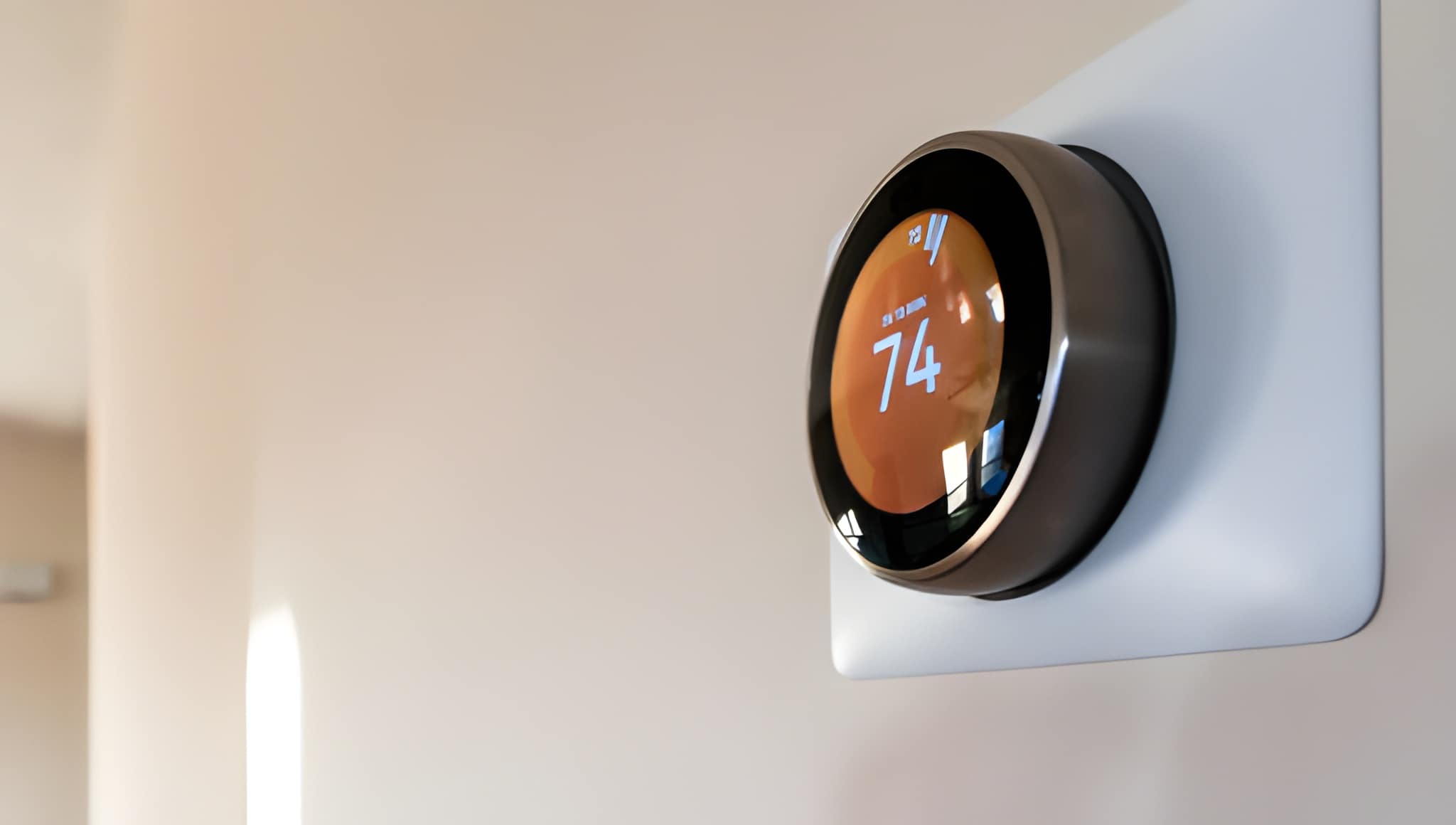
The right thermostat paired with professional installation and setup can transform how your home manages temperature throughout the day and night. In a region like ours with diverse seasonal weather - from warm summers to cold winters - having a system that adapts to your schedule makes a real difference. This page covers everything you need to know about programmable thermostat options, how they work, what to expect from professional installation, and how they complement your existing heating and cooling equipment.
How Programmable Thermostats Save Energy and Money
The core benefit of a programmable thermostat is simple: it automatically adjusts your heating and cooling based on a schedule you set. Instead of keeping your system at one temperature all day and night, you can program different temperatures for different times. This means your system works harder when you need it and uses less energy when no one's home or when you're sleeping.
For most families, this translates to real savings. The U.S. Environmental Protection Agency estimates that you can save about 10 percent on heating and cooling costs by adjusting your thermostat 7-10 degrees for 8 hours per day. Think about it - if you're away at work for eight hours or asleep for eight hours, why keep your home at full comfort temperature? A programmable thermostat handles this automatically, eliminating the need to remember to adjust it manually.
In the Albany, OR area, where winters can be chilly and summers warm, this efficiency matters even more. Stinson Mechanical has found that homeowners who install programmable thermostats typically see noticeable reductions on their monthly heating and cooling bills within the first few months of use.
Common Comfort Problems a Programmable Thermostat Solves
Many homeowners come to us with the same concerns about temperature control. Here are the most common issues we hear about in the Willamette Valley:
- Inconsistent temperatures throughout the day: Your home is too warm when you wake up in the morning, then too cold by evening. A programmable thermostat maintains your preferred temperature without constant manual adjustments.
- Higher than necessary energy bills: You're paying to heat or cool your home when nobody's there. Programming your system to lower or raise temperatures during work hours or vacations eliminates this waste.
- Manual thermostat adjustments you forget to make: Life gets busy. You forget to turn down the heat before you leave for work or adjust it when you return home. A programmable thermostat never forgets.
- Uneven heating or cooling: Some rooms feel stuffy or cold while others are too warm. While a thermostat doesn't move air around, it can help balance your system's output when properly programmed for your home's layout.
- Discomfort when sleeping: Many people sleep better in a cooler environment but don't want to wake up cold. Your thermostat can automatically lower the temperature at bedtime and raise it before you wake.
If any of these sound familiar, a programmable thermostat could be exactly what you need.
Basic Programmable vs. Advanced Smart Thermostats
Not all programmable thermostats are created equal. Understanding the difference between basic and advanced models helps you choose the right option for your home and budget.
Basic Programmable Thermostats
A basic programmable thermostat typically allows you to set different temperatures for up to four or seven day schedules - often with options for weekday and weekend patterns. You program it once, and it repeats the same schedule each week. These models are:
- Straightforward to use after initial setup
- Effective at reducing energy consumption through scheduled adjustments
- More affordable than smart models
- Reliable and durable with minimal technology
- Easy to operate without smartphone apps or internet connectivity
Basic models work well if you have a consistent routine - leaving for work at the same time each day, coming home at the same time, and keeping similar sleep schedules. Many families find this level of automation is all they need.
Advanced Smart Thermostats
Smart thermostats take programmable control further. They connect to your home's Wi-Fi and often include features like:
- Remote access from your smartphone - adjust your temperature from anywhere
- Learning capabilities - the thermostat observes your patterns and adjusts automatically over time
- Geofencing - the system knows when you're leaving or arriving home based on your phone's location
- Energy usage reports - detailed tracking of your heating and cooling consumption
- Integration with other smart home systems - control your thermostat alongside lights, locks, and other devices
- Detailed scheduling - more granular control over multiple temperature setpoints throughout the day
- Alerts and notifications - get notified about unusual system activity or maintenance needs
Smart thermostats are more expensive upfront but appeal to homeowners who want cutting-edge control, detailed energy data, or the convenience of managing their system remotely. They're particularly useful if your schedule varies significantly week to week or if you travel frequently and want to adjust your home's temperature while away.
Which Is Right for You?
The choice depends on your lifestyle and preferences. If your schedule is predictable and you want straightforward energy savings, a basic programmable thermostat delivers excellent results. If you value remote access, detailed insights, and advanced learning features, a smart thermostat is worth the investment. At Stinson Mechanical, we help Albany homeowners evaluate both options and choose based on their actual needs, not just what's trendy.
Installation and Professional Programming
Installing a new programmable thermostat isn't a DIY project we recommend for most homeowners. Here's why professional installation matters.
Compatibility Check
Before any installation, we verify that a new thermostat will work with your existing heating and cooling equipment. Not all thermostats are compatible with all systems. If you have a heat pump, for example, the thermostat needs to properly manage the auxiliary heating stages. If you have a gas furnace, the wiring configuration is different from an all-electric system. We check your current system - whether it's a furnace, heat pump, air conditioner, or a combination - and ensure the new thermostat matches your setup perfectly.
This step saves you from purchasing the wrong unit or dealing with compatibility issues after installation.
Proper Wiring and Installation
Your old thermostat has wires connecting it to your HVAC system. These wires carry signals telling your heating and cooling equipment when to run. Installing a new thermostat requires carefully disconnecting these wires, labeling them, and reconnecting them to the new unit in the correct configuration. One wire in the wrong terminal and your system won't function properly.
We also ensure the thermostat is mounted in the right location - not near windows, heat sources, or areas that get direct sunlight, as these can cause inaccurate temperature readings.
Programming and System Setup
Once installed, your thermostat needs to be programmed correctly. We set up your schedule based on when you wake up, leave home, return, and go to bed. We also configure the system settings to work with your specific HVAC equipment. For smart thermostats, we connect it to your Wi-Fi, set up your smartphone app access, and explain how to use remote features.
Testing and Verification
Before we finish, we test the system to confirm it's responding correctly - that your heating or cooling kicks in when programmed and cycles off as expected. We verify that the temperature readings are accurate and that the system integrates properly with your equipment.
This professional approach takes about 1-2 hours for a typical installation and programming job, and it ensures everything works as intended from day one.
How to Set Up Your Schedule for Maximum Comfort and Savings
Once your programmable thermostat is installed, setting up an effective schedule is key to realizing the energy savings and comfort benefits. Here's how we recommend approaching it.
Identify Your Weekly Routine
Think about your typical week. When does everyone leave for work or school? When do they return? What time do you go to bed and wake up? What about weekends - is your schedule different? The more accurately you understand your actual routine, the better your schedule will work.
Design Your Daily Temperature Pattern
A typical schedule might look like this for a winter day:
- 6:00 AM - wake-up time: heat to 70 degrees
- 8:00 AM - away at work: lower to 62 degrees
- 5:00 PM - return from work: raise to 70 degrees
- 10:00 PM - bedtime: lower to 65 degrees
In summer, you'd reverse this for cooling - set it lower when you're home and awake, and let it rise when you're away or sleeping (since you don't need air conditioning working hard when no one's there).
Account for Your Comfort Preferences
Some people are comfortable at 68 degrees; others prefer 72. Some sleep better at 62 degrees; others get cold at 68. Your schedule should reflect what makes you and your family comfortable, not a generic recommendation.
Build in Buffer Time
We typically recommend adjusting temperature about 30 minutes before you need it. Your HVAC system takes time to bring your home to the target temperature, so programming the change ahead of time ensures your home is comfortable when you arrive, not 15 minutes after.
Consider Weather and Seasonal Changes
You might program one schedule for winter, another for summer, and adjust both in spring and fall. This aligns with what we recommend at Stinson Mechanical - HVAC maintenance twice a year in spring and fall - and allows your thermostat to respond to seasonal temperature differences.
Start Simple and Adjust
If this is your first programmable thermostat, start with a simple schedule - perhaps just four or five setpoints per day. Once you're comfortable with how it works, you can add more detail if you want finer control.
Compatibility with Your Existing HVAC Equipment
One question we hear frequently is whether a programmable thermostat will work with older heating and cooling systems. The answer is usually yes, but it depends on your specific equipment.
Gas Furnaces
Most programmable thermostats work well with gas furnaces. They communicate with your furnace through standard control wiring and signal when heating is needed. If you have a standard single-stage furnace, installation is straightforward. If you have a two-stage furnace - which has a low and high heat output - make sure your thermostat supports two-stage heating so it uses the system efficiently.
Heat Pumps
Heat pumps - especially popular in the Willamette Valley - require a thermostat that understands how they work. Heat pumps provide heating and cooling from the same outdoor unit, and they often have auxiliary heating stages for backup on very cold days. Your thermostat needs to manage these stages properly. We ensure full compatibility before installation.
Ductless Heat Pump Systems
If you have a ductless mini-split system, the thermostat is often built into the wall unit itself, but you can add a central programmable thermostat to your main HVAC system if you have one. We evaluate your specific setup and recommend the best solution.
Air Conditioners
If you have a central air conditioner paired with a furnace or heat pump, your thermostat controls both. A programmable model works just as effectively with AC as it does with heating.
Compatibility Assessment
At Stinson Mechanical, we don't install a thermostat until we've verified it's compatible with your equipment. If your system is older or has a non-standard configuration, we confirm compatibility and recommend the right model for your situation. This step prevents expensive mistakes and ensures you get the full benefit of your new thermostat.
Maintenance and Troubleshooting Tips
A programmable thermostat is a reliable piece of equipment, but like any technology, it occasionally needs attention.
Regular Maintenance
- Keep it clean: Dust can accumulate on the thermostat and interfere with temperature sensors. Gently wipe the display and casing with a soft, dry cloth every few months.
- Check batteries: If your thermostat uses batteries for backup power, check them annually. Replace them if they're running low.
- Verify calibration: Over time, the temperature sensor can drift slightly. If you notice your thermostat is consistently reading higher or lower than it actually feels, mention it during your spring or fall maintenance visit.
Common Issues and Solutions
Your thermostat isn't calling for heat or cooling
First, confirm it's powered on and set to the correct mode (Heat, Cool, or Auto). If your thermostat has batteries, low battery power can prevent it from functioning. Check the display for any error messages. If you've recently replaced it or reprogrammed it, verify the schedule is correct - you might have accidentally set a temperature that's already at or above your home's current temperature.
Your system runs constantly or not at all
This usually points to either a programming issue or a problem with your HVAC equipment itself, not the thermostat. If the thermostat display looks normal but your system behaves strangely, contact Stinson Mechanical for a diagnostic check.
The thermostat display is blank
Check the power source. Is it plugged in? Are the batteries fresh? For wired thermostats, a blown breaker on your HVAC circuit could be the culprit. Switch the breaker off and back on. If the display remains blank, there may be a wiring issue requiring professional service.
Your home isn't reaching the programmed temperature
This could mean your HVAC system is struggling - perhaps your furnace or AC is experiencing wear, your filters are clogged, or airflow is restricted. It's less likely a thermostat issue and more likely a system issue. We recommend a professional inspection during one of your twice-yearly maintenance appointments.
Remote access on your smart thermostat stopped working
First, check your Wi-Fi connection and confirm the thermostat is still connected to your network. Power-cycle the thermostat by switching it off at the breaker for 30 seconds, then back on. If the problem persists, check your smartphone app for error messages or contact the thermostat manufacturer's support line.
When to Call Stinson Mechanical
If you're unsure whether a problem is with your thermostat or your HVAC system, call us. During a routine maintenance visit in spring or fall, we can diagnose issues, recalibrate your thermostat if needed, and ensure everything's running smoothly. We typically complete these checks in 1-2 hours.
Energy Efficiency and Long-Term Benefits
Installing a programmable thermostat isn't just about saving money on your next energy bill - it's an investment in your home's long-term efficiency and your family's comfort.
Lower Energy Consumption
By programming your system to use less energy when you're away or sleeping, you reduce the overall demand on your furnace, heat pump, or air conditioner. Over months and years, this adds up to substantial savings. Many homeowners find that their energy bills drop 10-15 percent within the first few months of using a programmable thermostat.
Extended HVAC System Lifespan
HVAC systems that cycle less frequently and operate at lower capacity for portions of the day experience less wear and tear. A programmable thermostat extends the life of your equipment by reducing unnecessary runtime. This delay in system replacement or repair saves thousands of dollars over time.
Improved Environmental Impact
Using less energy means lower carbon emissions and a smaller environmental footprint. If you're concerned about your home's energy efficiency or environmental responsibility, a programmable thermostat is an easy, effective step.
Better Home Comfort Management
Beyond savings, you get superior comfort control. Your home is warm when you wake up, cool when you're trying to sleep, and efficiently managed when you're away. This seamless temperature management is something you notice and appreciate every single day.
Alignment with Energy Code Compliance
Oregon's energy codes continue to evolve, pushing for greater efficiency. Installing a programmable thermostat demonstrates your commitment to modern, efficient home systems and future-proofs your HVAC setup. At Stinson Mechanical, we stay current with changes to energy codes and ensure our installations meet or exceed requirements.
Programmable Thermostat Financing Options
We understand that upgrading your HVAC controls is an expense, and we want to make it accessible. Stinson Mechanical offers flexible financing options through Synchrony, allowing you to spread the cost of your new thermostat and professional installation over time. This way, the energy savings you gain can help offset the monthly payment, making the upgrade affordable while you start benefiting immediately.
Why Choose Stinson Mechanical for Your Programmable Thermostat
When you're ready to install a programmable thermostat in your Albany, OR home, choosing the right contractor matters. Here's what sets Stinson Mechanical apart.
25 Years of HVAC Experience
We've been serving the Willamette Valley with expert HVAC services for over 25 years. That experience means we've installed thermostats in hundreds of homes, from single-family residences to commercial properties. We understand the unique climate challenges of our region and know exactly how to set up systems that work in our environment.
Honesty and Transparent Service
We prioritize honesty in everything we do. We don't upsell you on features you don't need, and we explain your options clearly so you can make an informed decision. If a basic programmable thermostat will solve your problem, we'll tell you that instead of pushing you toward an expensive smart model.
Compatibility Verification and Professional Installation
We check compatibility before we start, install correctly with proper wiring and configuration, and program your thermostat to work with your specific heating and cooling equipment. No guesswork. No trial and error.
Flexible Financing
We partner with Synchrony to offer flexible financing, making upgrades affordable and accessible to homeowners in Albany and throughout the Willamette Valley.
Local Service Area
We're based right here in Lyons, OR, serving the Salem and Willamette Valley area. You're working with a local team that understands your community and cares about serving it well.
Comprehensive HVAC Support
Whether you need thermostat installation, furnace repair, heat pump maintenance, or air conditioning service, Stinson Mechanical handles all aspects of your HVAC system. Your programmable thermostat works best when your underlying heating and cooling equipment is well-maintained, and we're here to keep everything running smoothly.
A programmable thermostat in Albany, OR is a practical upgrade that delivers measurable savings and improved comfort. When you're ready to explore your options and schedule a professional installation, Stinson Mechanical is ready to help.