.svg)
.svg)

Your home's thermostat is one of the most important controllers of your comfort and energy bills, yet many homeowners in Keizer don't take full advantage of what modern thermostats can do. Whether you're still adjusting a basic dial thermostat by hand or you're curious about upgrading to a smarter system, understanding your options can help you save money while keeping your home at just the right temperature year-round. At Stinson Mechanical, we've been helping Willamette Valley families and businesses optimize their heating and cooling for over 25 years, and we're here to guide you through programmable thermostat options that fit your needs and your HVAC system.
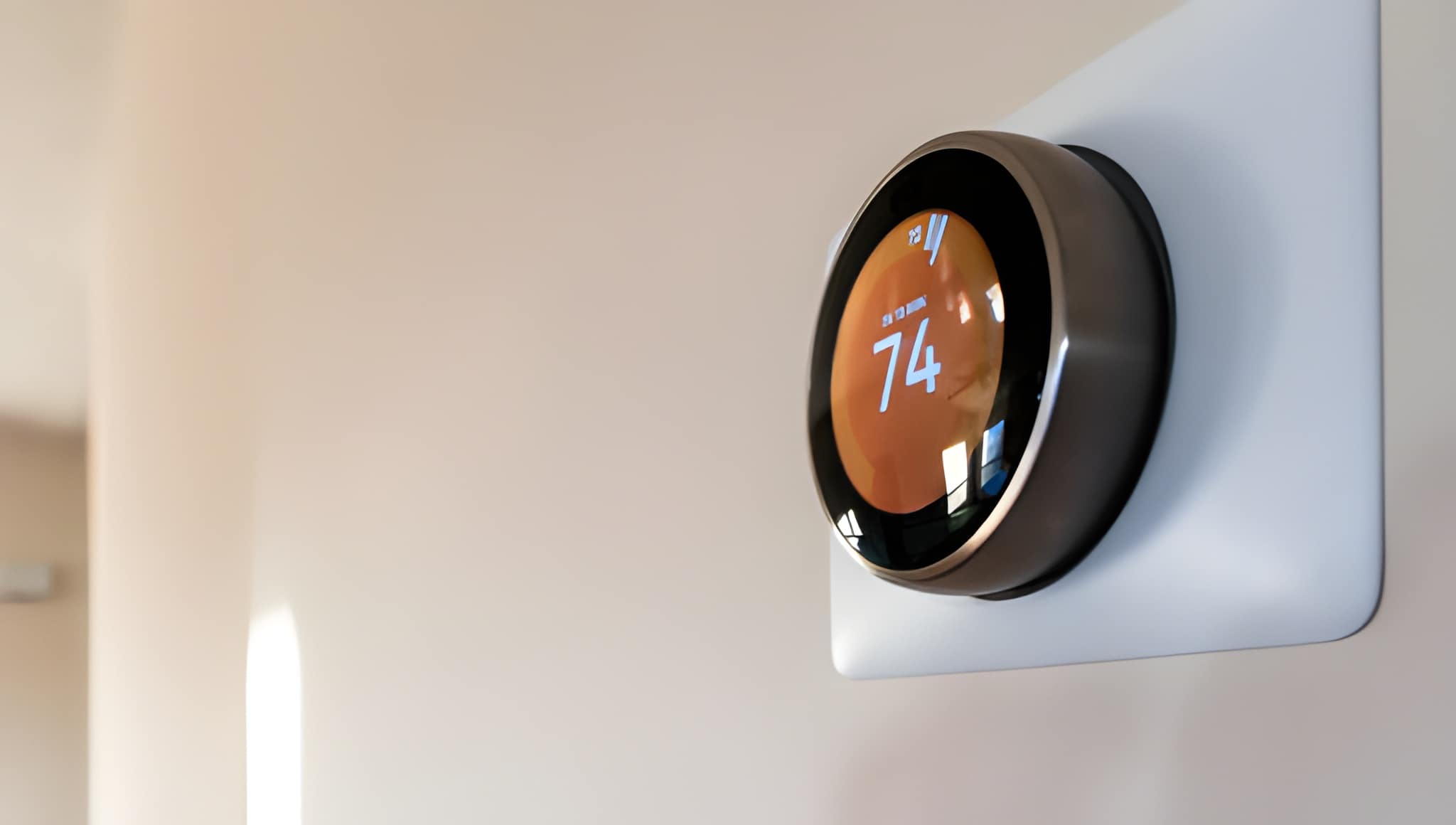
A programmable thermostat takes the guesswork out of temperature control. Instead of manually adjusting your system throughout the day, you set a schedule once, and the thermostat manages heating and cooling automatically. This simple upgrade can lead to meaningful energy savings - especially when you account for the times you're away from home or sleeping. In Keizer's climate, where winter heating needs are significant and summer cooling demands vary, the right thermostat strategy makes a real difference in both comfort and cost.
Why Programmable Thermostats Matter in Keizer, OR
The Willamette Valley experiences distinct seasonal changes that directly impact your heating and cooling needs. Winters are cool and wet, with consistent demand for furnace operation. Summers can warm up, requiring AC or heat pump cooling. Spring and fall bring unpredictable temperature swings that catch many homeowners off guard.
A programmable thermostat addresses these seasonal challenges by letting you tailor your comfort settings to your actual lifestyle. You're not paying to heat or cool an empty home. You're not wasting energy during hours when you're asleep and need less aggressive temperature control. Instead, your system runs exactly when and how you need it.
This is especially valuable if your household has predictable routines - like everyone leaving for work and school at 8 AM, then returning around 5 PM. A thermostat programmed with these patterns can reduce your system runtime during those empty hours, cutting energy consumption without sacrificing comfort when it matters most.
Programmable Thermostats vs. Smart Thermostats: What's the Difference?
Many people use these terms interchangeably, but there are important differences worth understanding.
Programmable thermostats are straightforward devices that you set once with a weekly schedule. You might program it to lower your heat to 62 degrees during the day while you're at work, then raise it back to 70 degrees before you get home. On weekends, your schedule might be different. Some programmable models let you set different schedules for weekdays and weekends, giving you flexibility without constant manual adjustments.
Smart thermostats go further. They connect to your home's WiFi and your smartphone, allowing remote control from anywhere. Many learn your habits over time and adjust automatically. Some integrate with weather forecasts to anticipate heating and cooling needs. They also provide detailed energy reports so you can see exactly how much you're using and where you might save more.
For many homeowners in Keizer, a basic programmable thermostat offers excellent value - simple to use, reliable, and effective at reducing energy waste. If you travel frequently, want detailed energy tracking, or appreciate the convenience of adjusting your home's temperature from your phone, a smart thermostat might be worth the additional investment.
The good news is that either option can work with your existing HVAC system - whether you have a gas furnace, heat pump, or air conditioner. Stinson Mechanical can help you evaluate which makes sense for your home and your priorities.
Common Problems a Programmable Thermostat Solves
Homeowners often don't realize how much energy they're wasting until they address thermostat habits. Here are the most common issues we see:
- Manual adjustments - Constantly fiddling with your thermostat throughout the day wastes energy and drives up bills. Programming removes this guesswork.
- Forgetting to adjust before leaving - You arrive home to a house that's been heated or cooled all day while nobody was there. Over a year, this adds up quickly.
- Inconsistent temperatures - Older manual thermostats can be inaccurate or slow to respond, leading to rooms that are too hot or too cold.
- Uncomfortable wake-up temperatures - Many people set their heat high before bed, then leave it there all morning. A programmed schedule lets your system lower the temperature after you've fallen asleep, then warm up before your alarm.
- Heating/cooling empty guest rooms - Without zone control, you're conditioning your entire home even if only certain areas are in use.
A programmable thermostat directly addresses the first four issues. For the last one, you'd benefit from discussing zone control options with our team during your consultation.
How Programmable Thermostats Work
The basic concept is simple, but understanding the mechanics helps you use your thermostat more effectively.
A programmable thermostat has a built-in clock and preset temperature settings. You program it with the temperatures you want at specific times throughout your day and week. For example:
- Weekday 6 AM: Heat to 70 degrees (before you wake up)
- Weekday 8:30 AM: Lower to 62 degrees (after everyone leaves)
- Weekday 4:30 PM: Raise to 70 degrees (before you arrive home)
- Weekday 10 PM: Lower to 65 degrees (before sleep)
- Saturday and Sunday: Different schedule based on your at-home routine
Your thermostat continuously compares the actual temperature in your home to your programmed settings. When the temperature drops below your set point, it calls for heat. When it rises above your set point in summer, it calls for cooling. This automatic cycling eliminates the waste that comes from manual adjustments or forgetting to adjust at all.
Most programmable thermostats have a battery backup, so your schedule stays in place even if your power goes out briefly. When power returns, your programmed settings resume automatically.
Installation and Compatibility with Your HVAC System
One of the most common questions we hear is whether a programmable thermostat will work with an existing heating and cooling system. The answer is usually yes, but compatibility depends on your specific setup.
Programmable thermostats are compatible with:
- Gas furnaces - the most common heating method in Keizer
- Electric furnaces
- Heat pumps - increasingly popular in our region for both heating and cooling
- Air conditioning systems
- Boiler systems with appropriate wiring
The key is that your current thermostat is connected to your HVAC system via wires that carry low-voltage signals telling your system when to run. A programmable thermostat simply replaces your old one, using those same wires. As long as your system has the necessary wiring connections, a programmable thermostat will work.
However, some older systems or unusual configurations may need minor adjustments. This is exactly why professional installation matters. When Stinson Mechanical installs your programmable thermostat, we verify compatibility with your specific furnace, heat pump, or AC unit. We ensure all wires are properly connected, test the system to confirm it's working correctly, and show you how to program it for your household's routine.
Smart thermostats add WiFi capability, which requires your home to have a strong WiFi signal near the thermostat location. During installation, we confirm this isn't an issue before recommending a smart model.
Available Models and Options
The programmable thermostat market offers choices ranging from basic to advanced. Here's what you should know about your options:
Basic programmable thermostats offer 5-1-1 or 7-day scheduling. A 5-1-1 model lets you set one schedule for weekdays, another for Saturday, and another for Sunday. A 7-day model lets you program each day individually. These models are straightforward to use and very affordable. They work with any standard HVAC system.
Programmable thermostats with more advanced features might include built-in humidity control, which matters in Keizer's damp winters. Some have vacation modes that automatically lower heating or cooling when you're away for an extended period. Others show energy usage information on their display, giving you feedback on your consumption patterns.
Smart thermostats offer remote control via smartphone app, learning algorithms that adjust your schedule over time, geofencing (which detects when you leave or arrive home and adjusts automatically), and integration with home automation systems. These provide the most convenience and the most detailed energy insights, but cost more upfront.
The right choice depends on your comfort with technology, your lifestyle, and your priorities. A family with a fixed routine might be perfectly happy with a basic programmable model. Someone who travels frequently or wants to monitor energy use might prefer a smart thermostat. Stinson Mechanical can discuss these options with you during a free consultation and help you find the best fit for your home and budget.
Professional Installation: Why It Matters
Installing a programmable thermostat might seem straightforward - remove the old one, install the new one - but there's more to it than that, especially if you're upgrading from an older system.
Old wiring might be damaged, corroded, or incorrectly labeled. Furnaces and heat pumps have specific wiring requirements. If wires aren't connected properly, your system might not heat or cool correctly, or the thermostat might not communicate with your HVAC equipment at all.
During professional installation, our team at Stinson Mechanical:
- Turns off power to your system safely
- Tests existing wires for damage and proper operation
- Identifies which wires control heating, cooling, fan operation, and other functions
- Installs the new thermostat following manufacturer specifications and building codes
- Tests your heating and cooling to confirm everything works correctly
- Programs your initial schedule based on your routine
- Shows you how to adjust settings and make changes yourself
This process takes an hour or two, depending on your system's complexity. More importantly, it ensures your new thermostat operates correctly from day one. You avoid the frustration of a malfunctioning system or the risk of damage to expensive HVAC equipment.
If you're installing a smart thermostat, professional installation also includes confirming WiFi connectivity at your thermostat location and setting up your smartphone access properly.
Programming Your Thermostat for Seasonal Success in Keizer
The Willamette Valley's weather changes significantly from season to season, and your thermostat schedule should reflect these changes.
Winter heating strategy - Winters in Keizer require consistent furnace operation, but you can still reduce energy use smartly. Program your heat to 70 degrees during occupied hours and drop to 65 degrees at night and during the day when you're away. This maintains comfort when you're home while reducing runtime during empty or sleeping hours. On extremely cold nights, you might raise your nighttime setting slightly - but even 67 degrees at night instead of 70 saves meaningful energy over three months of winter heating.
Spring and fall transitions - These shoulder seasons bring unpredictable temperatures. You might need heat one day and cooling the next. A programmable thermostat handles this automatically. Set your schedule for spring heating and adjust it gradually as outdoor temperatures warm. By late May, most Keizer homes can shift to cooling-only or turn off active heating. Reverse this in early fall when nighttime temperatures drop again.
Summer cooling strategy - Summers in the Willamette Valley are generally mild, so aggressive AC use isn't always necessary. Program your cooling to run only during the hottest parts of the day - typically 2 PM to 8 PM. Morning and evening temperatures often cool naturally. If you have a heat pump, it might shift to cooling mode automatically based on outdoor temperature. During the hottest weeks, you might run AC more aggressively. During mild weeks, you might not need it at all.
Vacation mode - If you're leaving town, program your thermostat to minimum comfort settings. In winter, lower your heat to 60 degrees to prevent freezing while reducing energy use. In summer, raise your cooling setpoint to 78 or 80 degrees if you're gone for a week. This prevents conditioning an empty home while protecting your system.
Stinson Mechanical recommends reviewing your thermostat schedule with the changing seasons - typically in late spring when you transition from heating to cooling, and in early fall when you switch back to heating.
User Training and Maintenance Tips
A programmable thermostat is straightforward to use, but a few best practices help you get the most from it.
Program for your actual routine - Your thermostat works best when your schedule is realistic and consistent. If you program it for 8 AM to 5 PM at work, but you're actually home by 4 PM twice a week, adjust your schedule to match your actual routine. Some people use vacation mode on days they're home to maintain comfort in that situation.
Check your schedule seasonally - As discussed above, your ideal schedule changes from winter to summer. Take 15 minutes in May and September to adjust your settings.
Keep the thermostat clean - Dust and debris can interfere with temperature sensing. Gently wipe your thermostat's exterior monthly with a soft cloth. Don't use water or spray cleaners.
Replace batteries if your model uses them - Many programmable thermostats use AA or AAA batteries as backup. Check these annually, especially before winter. A dead battery won't lose your programming, but it might prevent the display from working properly.
Avoid covering your thermostat - Your thermostat needs to sense your home's actual temperature. Don't place it near heat sources like vents, sunlight through windows, or appliances. Don't cover it with decorations or curtains. If yours is in an odd location, discuss this with Stinson Mechanical during installation.
Resist constant adjustments - One of the biggest reasons programmable thermostats fail to save energy is when people override them constantly. Set your schedule and let the thermostat do its job. Small daily adjustments defeat the purpose.
Energy Savings: What You Can Expect
Homeowners often ask whether a programmable thermostat will actually reduce their energy bills. The answer depends on your current habits, but studies consistently show real savings.
The U.S. Department of Energy estimates that a programmable thermostat can save about 10 percent annually on heating and cooling costs - roughly 1-3 percent of your total home energy use. If your heating and cooling costs are $150 per month year-round, you might save $15-45 monthly, or $180-540 annually.
Your actual savings depend on several factors:
- Your starting point - If you currently leave your thermostat at the same temperature 24/7, regardless of whether you're home, you'll see bigger savings from programming.
- Your climate - Willamette Valley winters are long and heating-intensive. Programmable thermostats save the most energy in regions with significant heating or cooling needs.
- Your system's efficiency - Newer furnaces and heat pumps are more efficient to begin with. A programmable thermostat helps any system, but the percentage savings might be smaller if your equipment is already high-efficiency.
- Your discipline - If you program your thermostat once and stick with it, you'll see the full savings potential. If you constantly override the settings, savings diminish.
Many homeowners also appreciate the comfort benefits beyond the financial savings. Coming home to a warm house on a cold January evening, without having to remember to adjust your thermostat, is valuable. So is knowing your heating and cooling is optimized while you're away or asleep.
Stinson Mechanical recommends thinking of a programmable thermostat as an investment that pays dividends over several years through energy savings, plus the immediate benefit of improved comfort and convenience.
Financing Options for Your Upgrade
A programmable thermostat is one of the most affordable HVAC upgrades available - basic models cost just $100-200, and even smart thermostats typically run $200-400. Professional installation adds another $100-200 to the total.
However, we understand that any home expense comes out of your budget, and timing matters. Stinson Mechanical offers flexible financing through Synchrony, so you can spread the cost of your upgrade over time. This is especially useful if you're bundling a thermostat upgrade with other HVAC work, like maintenance or a system repair.
Financing takes just a few minutes to arrange. During your free consultation, we can discuss payment options that fit your situation.
Additionally, some utility companies in Oregon offer rebates for energy-efficient HVAC upgrades, including programmable thermostats. During your consultation, Stinson Mechanical can provide information about available incentives in your area.
Why Choose Stinson Mechanical for Your Programmable Thermostat Needs
Over 25 years serving the Willamette Valley, Stinson Mechanical has built our reputation on honesty, expertise, and genuine care for our customers' comfort and budgets. This same approach applies to programmable thermostat installation and service.
We start with a free, no-pressure consultation to understand your current system, your household routine, and your goals. We recommend the right thermostat option - not the most expensive, but the one that actually fits your needs. During professional installation, we ensure everything works perfectly and take time to show you how to program and use your new thermostat. We're available for questions afterward.
Our team is familiar with the specific heating and cooling challenges of Keizer and the Willamette Valley. We understand that your thermostat strategy needs to adapt to our winters and springs. We can discuss seasonal adjustments and help you maximize comfort and savings year-round.
With Stinson Mechanical, you're working with a local business that prioritizes your comfort, efficiency, and honest service. That's been our approach for over 25 years, and it's how we serve every customer, whether you're upgrading a thermostat or handling a major system repair.
Getting Started with Your Programmable Thermostat Upgrade
The process is simple. Contact Stinson Mechanical for a free consultation. During this conversation, we'll learn about your current heating and cooling system, your household routine, and your comfort or energy-saving goals. We'll explain your thermostat options clearly, answer your questions, and recommend the best fit for your home.
If you decide to move forward, we'll schedule installation at a time that works for you. Our team will handle everything - safe removal of your old thermostat, professional installation of your new one, testing to confirm everything works correctly, and training so you're comfortable using your new system.
After installation, you're covered. If you have questions about programming or adjusting your thermostat, reach out anytime. Stinson Mechanical is here to support your heating and cooling needs throughout the year.
Your home's comfort starts with the right thermostat strategy. Let Stinson Mechanical help you achieve the perfect balance of comfort, efficiency, and savings for your Keizer home.