.svg)
.svg)

Gas lines are one of the most critical systems in your home, delivering fuel to your furnace, water heater, and other appliances. When something goes wrong with a gas line, it's not just an inconvenience - it's a safety concern that demands immediate attention. Whether you're dealing with a suspected leak, a damaged line, or appliance connection issues, Stinson Mechanical has the expertise and quick response capability to get your gas system back in working order safely and efficiently.
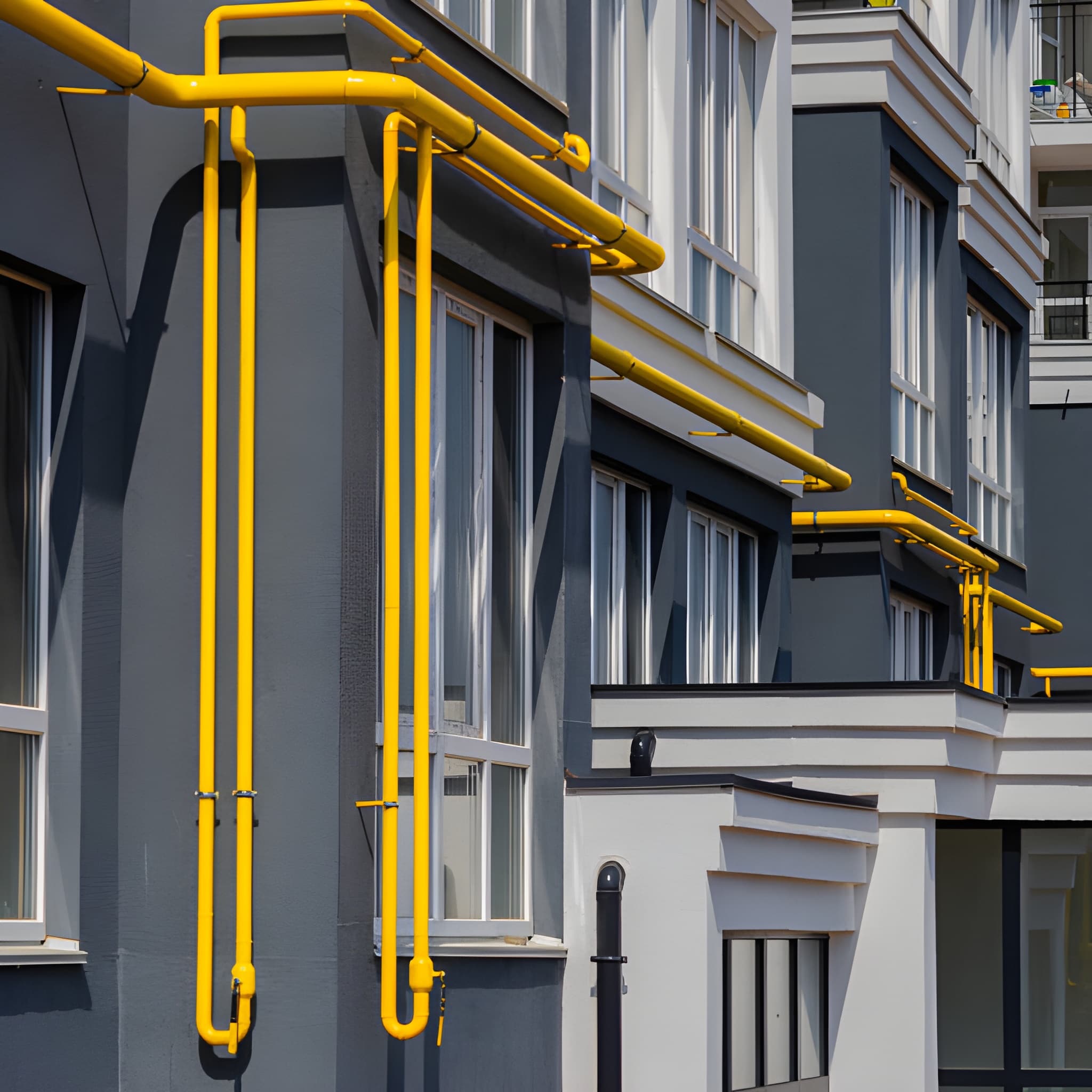
Gas line problems can range from minor repairs to complete section replacements, and the solution depends entirely on the nature and severity of the damage. As a local HVAC company in the Willamette Valley with over 25 years of combined experience, we understand the unique challenges that Albany homeowners face with their heating and gas systems. We're committed to being honest about what your system needs, getting the job done quickly with our stocked parts, and ensuring everything meets current code requirements.
Common Gas Line Issues in Albany
Gas line problems don't always announce themselves loudly. Some signs are obvious - like the distinctive smell of natural gas - while others are subtle and easy to miss. Understanding what to watch for helps you know when it's time to call for professional gas line repair in Albany, OR.
The most serious gas line issues include:
- Gas leaks - You may notice a rotten egg smell, hissing sounds near appliances or underground lines, dead patches in your yard, or bubbles in soapy water applied to suspected leak areas
- Corrosion and rust - Older gas lines, especially those made of steel or iron, can corrode over time, particularly in damp conditions
- Physical damage - Dents, cracks, or punctures from ground settling, landscaping work, or wear and tear
- Loose or faulty connections - Poor connections at appliances or junction points can develop leaks over time
- Pressure problems - Low or inconsistent pressure affecting appliance performance or safety
- Frozen or blocked lines - Condensation buildup or debris can restrict gas flow, especially in winter months
Each of these issues requires a different approach. Some can be patched; others need section replacement. The key is getting a professional evaluation quickly so you know exactly what you're dealing with.
Emergency Gas Leak Detection and Response
If you suspect a gas leak, your safety is the priority. Gas leaks pose serious risks including carbon monoxide exposure, fire hazards, and explosion potential. This is one situation where waiting is never the right call.
Here's what you should do if you notice signs of a gas leak:
- Leave the area immediately if you smell strong gas
- Don't use electrical switches, phones, or create sparks - call your gas company's emergency line from outside if the smell is overwhelming
- Locate your gas meter and be ready to describe the location to a technician
- Contact Stinson Mechanical for professional leak detection and repair
When you call us for suspected gas leaks in Albany, we prioritize your service because we understand the urgency. Our team arrives equipped with professional leak detection equipment that can identify leaks invisible to the naked eye. We use specialized instruments to pinpoint exactly where gas is escaping from your system, whether at connection points, valves, regulators, or along the line itself.
Once we've located the leak, we can typically perform repairs on the same day. For minor leaks at connections, we tighten fittings or replace worn seals. For more serious leaks along the line itself, we may patch smaller damage or recommend section replacement for larger compromised areas.
Diagnostic Testing and Safety Verification
Before any repair work begins, we conduct thorough diagnostic testing to understand the full scope of your gas line issues. This step is essential because what seems like a simple problem might be connected to other system issues.
Our diagnostic process includes:
- Visual inspection of all accessible gas lines, connections, regulators, and shut-off valves
- Pressure testing to verify that your system maintains appropriate gas pressure throughout
- Leak detection testing using specialized equipment to identify any escaping gas, even in small amounts
- Flow rate verification to ensure gas reaches your appliances at the correct volume and pressure
- Safety checks on all shut-off valves, regulators, and safety devices
- Code compliance assessment to confirm your system meets current Oregon energy and safety codes
This comprehensive approach means we catch potential problems before they become emergencies. We might find that while your main complaint is one issue, there are other areas needing attention. We'll explain everything we find and give you honest recommendations about what needs immediate repair, what can wait, and what might benefit from replacement or upgrade.
Patching and Section Replacement
Not every damaged gas line needs complete replacement. Sometimes a targeted repair is the right solution. Our approach is always to recommend the most practical, cost-effective solution while prioritizing your safety and the system's longevity.
Patching works well for:
- Small pinhole leaks or minor corrosion in otherwise sound pipes
- Damage limited to a specific small area
- Systems where the rest of the line is in good condition
- Situations where immediate repair is needed and full replacement would cause significant disruption
Section replacement is the better choice when:
- The damaged area is large or extensive
- Corrosion or damage affects a substantial length of the line
- The line has multiple weak points or previous patches
- The line is old and showing widespread deterioration
- The pipe material is outdated or no longer code-compliant
We stock common gas line materials and sizes, which means we can often complete section replacements the same day without long delays for parts. This "enough stock of equipment and repair parts" is one of our key commitments to you - we don't want you waiting around or having your system offline longer than necessary.
Addressing Corrosion and Damage
Corrosion is one of the most insidious gas line problems because it develops slowly and silently. By the time you notice symptoms, the damage may be more extensive than it initially appears. In the Willamette Valley's moist climate, corrosion happens faster than in drier regions, making regular inspection especially important for Albany homeowners.
Steel and iron gas lines corrode when exposed to moisture and oxygen over time. The corrosion starts as small rust spots but can develop into pinholes that leak gas. Sometimes corrosion creates rough interior surfaces that trap moisture and restrict gas flow.
When we identify corrosion during inspection, we assess how far it has progressed:
- Surface corrosion with no structural damage might only need cleaning and sealing
- Pitting corrosion creating small holes can often be patched if limited in scope
- Extensive corrosion affecting large sections almost always warrants replacement with modern materials like copper or PEX plastic tubing, which resist corrosion far better
Replacing corroded sections with corrosion-resistant materials is an investment in the future reliability of your gas system. Modern gas line materials are safer, more durable, and often perform better than older steel lines.
Appliance Reconnection and Pressure Testing
When we repair or replace gas lines, the final critical steps are reconnecting your appliances and performing pressure testing to verify everything works safely.
Our reconnection process includes:
- Carefully disconnecting appliances from the old or damaged line section
- Inspecting appliance connections for wear, corrosion, or damage
- Reconnecting to the new or repaired line with proper fittings and seals
- Testing all connections for leaks using pressurized nitrogen and soap solution
- Verifying appliance ignition and operation to ensure proper gas flow and performance
Pressure testing is non-negotiable for safety. We pressurize the system and monitor it over time to confirm there are no leaks anywhere in the line or connections. This test proves your system is airtight and safe before your appliances go back into service. We use industry-standard pressure testing equipment and document results for your records.
Each appliance - your furnace, water heater, range, dryer, or other gas appliance - gets verified to ensure it's receiving the correct pressure and volume of gas for proper operation. Sometimes we find that reconnection reveals an appliance problem that should be addressed separately, and we'll let you know about that too.
Safety Checks and Code-Compliant Repairs
Gas line work isn't something where you can cut corners. Oregon has specific codes governing how gas lines must be installed, tested, and maintained. Stinson Mechanical stays current on these requirements and ensures every repair meets or exceeds code standards.
Our safety checks cover:
- Shut-off valves - Proper function and accessibility for emergency gas shutoff
- Regulators - Correct operation and pressure settings for your specific appliances
- Flexible connectors - Inspection for damage, appropriate length, and proper securing
- Support and securing - Ensuring lines are properly supported and won't rub or crack
- Clearances - Adequate spacing from electrical lines, heat sources, and other hazards
- Labeling and documentation - Clear identification of gas lines and record-keeping for future reference
Code compliance isn't just about passing inspection - it's about your system operating safely year after year. When we complete gas line work, you receive documentation of what was done and verification that your system meets current standards.
Response Times and Parts Availability
One frustration homeowners face with gas line repairs is waiting. You've got no heat in winter, no hot water, or an appliance that won't function - the last thing you want is a technician telling you parts will arrive in a week.
This is why Stinson Mechanical maintains sufficient inventory of common gas line materials, fittings, connectors, regulators, and shut-off valves. We stock copper tubing, flexible connectors, dielectric couplings, ball valves, and other components in the sizes and types our service area needs most. When your gas line repair is diagnosed, we can usually move forward immediately without parts delays.
Our standard business hours are Monday through Friday, 9:00 AM to 5:00 PM, and we understand that gas emergencies don't always happen during convenient times. We maintain a system for handling urgent situations so you're not left without options if something happens after hours or on weekends.
Because we've been serving the Salem and Willamette Valley area with over 25 years of combined HVAC experience, we know what parts we need to keep on hand and we manage inventory accordingly. This isn't an accident - it's part of our commitment to keeping our customers comfortable in an efficient manner without unnecessary delays.
Repair Versus Replacement Considerations
One of the toughest decisions you might face is whether to repair an aging gas line or replace the whole system. There's no universal answer - it depends on several factors specific to your situation.
Consider repair when:
- The damaged area is limited and isolated
- The rest of the line is in good condition with no corrosion or wear
- The line is relatively modern and meets current code
- The repair cost is significantly less than replacement
- You plan to stay in the home several more years but don't need decades more lifespan
Consider replacement when:
- The line has multiple problem areas or extensive corrosion
- The line is very old (30+ years) with deterioration throughout
- The line uses outdated materials prone to failure
- Repeated repairs have been needed over a short timeframe
- You're upgrading your HVAC system and want everything new and reliable
- You're concerned about future safety and want peace of mind
We don't push customers toward the more expensive option. Our priority is honesty about what your system actually needs. If patching makes sense, we'll say so. If replacement is the smarter long-term choice, we'll explain why. We stay in constant communication with our customers until the job is done, which means you'll understand exactly what we recommend and why.
Gas Line Repair Process From Start to Finish
Understanding what happens when you call Stinson Mechanical for gas line repair in Albany helps you know what to expect:
- Initial contact - You call us at 503-689-4021 or email Justin@StinsonMechanical.com describing the issue
- Scheduling - We arrange a time that works for you during our business hours
- Arrival and inspection - Our technician conducts a complete diagnostic evaluation
- Assessment and explanation - We explain what we found and recommend the best solution
- Approval and preparation - You approve the work and we prepare the area
- Repair execution - We perform the patching, replacement, or reconnection work needed
- Testing and verification - We pressure test and verify all connections and appliance function
- Final walkthrough - We show you the completed work and answer any questions
- Documentation - You receive records of what was done and any code compliance details
Most gas line repairs for our residential customers take one to two hours, though complex situations requiring multiple section replacements might take longer. We'll give you realistic time expectations upfront so you can plan accordingly.
When to Call for Gas Line Service
Gas line issues sometimes develop gradually, giving you time to schedule service. Other times they're urgent and can't wait. Knowing the difference helps you respond appropriately.
Call us during business hours for:
- Suspected small leaks you've detected with the soapy water test
- Appliances that won't ignite or perform properly
- Corrosion or visible damage you've noticed during inspection
- Pressure problems affecting appliance performance
- Routine gas line inspection as part of system maintenance
- Upgrades or modifications to your gas line system
Treat as urgent and seek emergency service for:
- Strong rotten egg smell indicating a significant gas leak
- Hissing sounds near gas lines or appliances
- Dead patches of grass in your yard (possible underground leak)
- Any situation where you suspect active gas escape
For urgent situations, contact your gas company's emergency line immediately if the smell is overwhelming, and then reach out to us to schedule emergency repair as soon as possible.
Maintaining Your Gas Lines
Prevention is always better than emergency repair. While you can't completely prevent gas line problems, you can take steps to catch them early and maintain your system properly.
What you can do:
- Inspect regularly - Periodically look at visible gas lines for corrosion, damage, or loose connections
- Watch for warning signs - Notice changes in appliance performance or unusual smells
- Protect lines during yard work - Mark underground lines before digging or landscaping
- Keep areas clear - Don't store items against gas lines or create moisture traps around them
- Schedule professional inspection - Include gas line inspection when you have your furnace serviced
What we handle:
- Professional pressure testing and diagnostic evaluation
- Cleaning and treating corroded areas
- Repairing or replacing damaged sections
- Verifying code compliance
- Documenting system condition for your records
Regular HVAC maintenance often includes gas line inspection, which is one reason staying on top of furnace maintenance helps you catch gas line problems before they become emergencies.
Gas line repair in Albany, OR is one of those services where you want an experienced, honest contractor who will give you straight answers and get the work done right. Stinson Mechanical brings over 25 years of combined expertise to every job, stocks the parts we need to complete repairs quickly, and makes sure you understand what we're doing and why. If you need gas line repair, inspection, or want to discuss your system's condition, reach out to us for a free quote and professional evaluation.