.svg)
.svg)

Natural gas piping is the backbone of your home or business's heating and hot water systems. If you're in Albany or the surrounding Willamette Valley area, understanding how your gas lines work - and when they need attention - is crucial for both safety and comfort. Stinson Mechanical specializes in natural gas piping services for residential and commercial properties, helping customers like you maintain reliable, efficient heating systems that keep your space comfortable year-round.
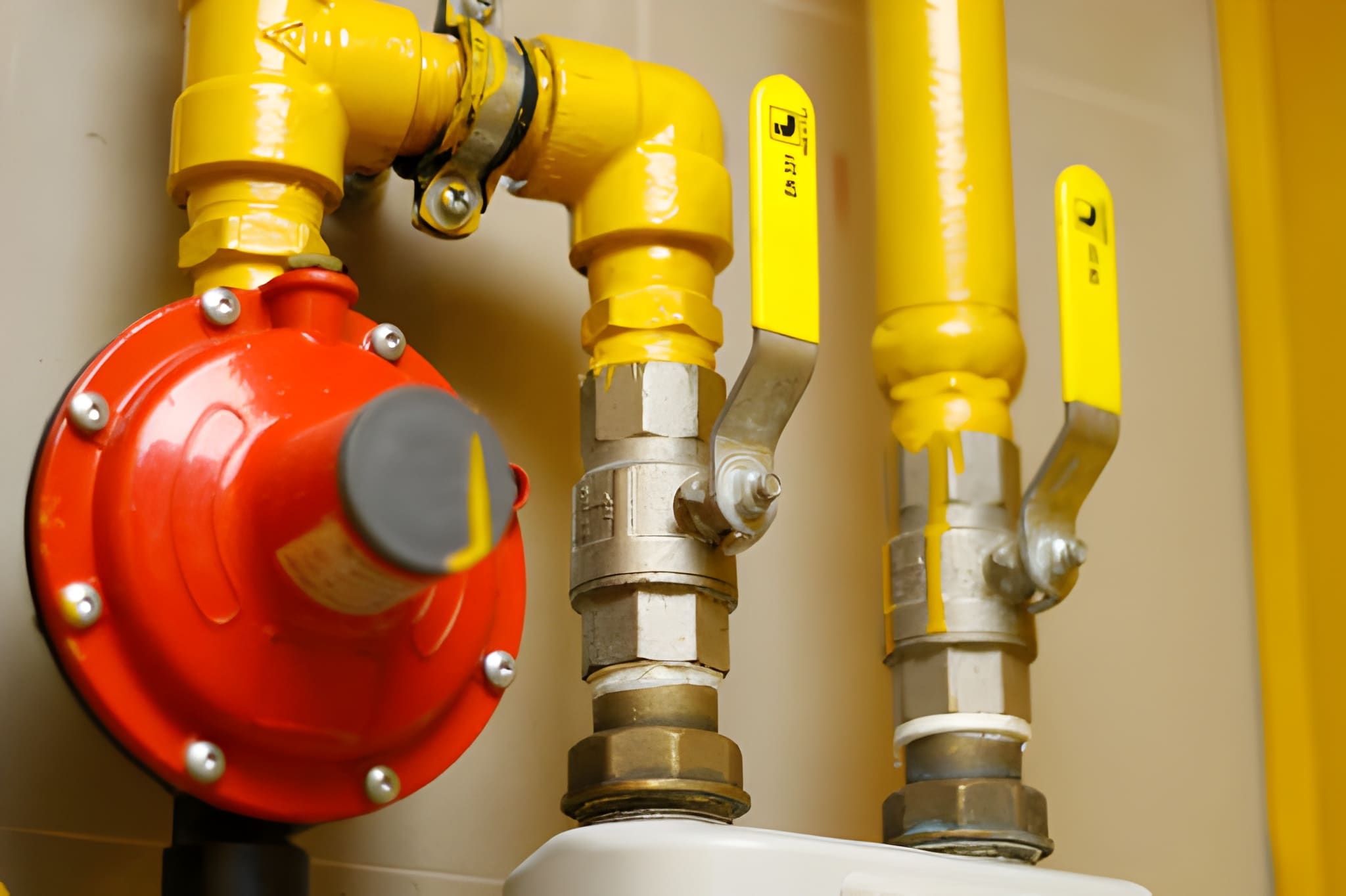
Whether you're upgrading an older system, installing new gas lines for a renovation, or simply keeping your existing pipes in top condition, natural gas piping requires expertise and attention to detail. In this guide, we'll walk you through what natural gas piping involves, why it matters, and how Stinson Mechanical can help you stay safe and efficient.
Why Natural Gas Piping Matters
Your natural gas piping system carries fuel from the main supply line to your furnace, water heater, dryer, and other gas appliances. A properly installed and maintained gas line system is essential for several reasons.
First, safety is non-negotiable. Gas leaks, even small ones, can pose serious health and safety risks to your family or employees. Improper installation or deteriorating pipes can lead to leaks that might go unnoticed without proper inspection. Second, efficiency depends on proper piping. Undersized or poorly configured lines can restrict gas flow, forcing your furnace to work harder and driving up your energy bills. Third, compliance with local codes and building standards ensures your system meets Albany and Oregon regulatory requirements - something that matters if you're selling your property, obtaining insurance, or undergoing inspections.
In the Willamette Valley, where winters demand reliable heating and seasonal transitions can stress your systems, having properly designed and maintained gas piping keeps you comfortable when you need it most.
Common Natural Gas Piping Issues
As a homeowner or property manager in Albany, you might encounter several gas piping problems. Recognizing these issues early helps you avoid bigger problems down the road.
Gas leaks are the most serious concern. You might smell a rotten egg-like odor near appliances or gas lines - this is an odorant added to natural gas so leaks are detectable. If you notice this smell, turn off the gas supply at the meter, leave the building, and call your gas provider or a professional immediately.
Corroded or deteriorating lines happen over time, especially with older copper or steel piping. Corrosion weakens pipes and can lead to leaks or reduced gas flow. This is particularly relevant in Oregon's moisture-rich climate.
Undersized piping causes inadequate gas supply to your furnace or water heater. You might notice weak pilot lights, slow ignition, or your furnace struggling to heat your home efficiently.
Improper installation from previous work can create pressure issues, safety hazards, or code violations. Flexible connectors that aren't properly secured, incorrect fittings, or lines routed through attics or crawlspaces without protection are red flags.
Vibration and noise from appliances or loose piping can indicate stress on the system. This is especially common in commercial kitchens or buildings with multiple gas appliances running simultaneously.
Expired or missing connections happen when appliances are removed or replaced without properly capping and sealing gas lines, leaving open ports that pose safety and efficiency risks.
Natural Gas Piping System Planning and Upgrades
When Stinson Mechanical works with you on a new natural gas piping project, we start with careful planning. This approach ensures your system is designed correctly from the start, saving you money and headaches long-term.
Assessment and design comes first. We evaluate your current system or the new space where gas lines will be installed. We consider the size of your home or business, the number and type of gas appliances, local code requirements, and future expansion needs. In Albany and the Willamette Valley, we account for seasonal demand - winter heating peaks differ significantly from summer hot water usage.
Sizing the system properly is critical. Undersized lines lead to poor performance and high energy bills. Oversized lines waste materials and money. We calculate the right pipe diameter based on appliance demand, line length, and pressure requirements.
Routing and placement must follow code and practical considerations. Gas lines can't be buried directly in concrete, run through certain spaces without protection, or installed in ways that create hazards. We plan routes that are accessible for future maintenance while keeping lines protected and out of harm's way.
Material selection depends on your needs and budget. Copper piping is durable and corrosion-resistant, making it ideal for many applications. Steel piping is strong and cost-effective. Flexible connectors work well for connecting appliances but shouldn't be used for main distribution lines. We recommend the best material for your specific situation.
Code compliance is built into every upgrade we plan. Albany and Oregon have specific requirements for gas piping installation, venting, and safety. We ensure every aspect of your system meets these standards, protecting you legally and practically.
When you're planning a major HVAC upgrade - like installing a new gas furnace or adding a gas-powered heating system to your commercial property - proper gas piping planning ensures everything works together seamlessly and efficiently.
New Installations and Retrofits
Installing new natural gas piping for a new home, renovation, or commercial space is a significant undertaking that requires precision and expertise.
New construction installations involve running gas lines from the meter through your home or building to each appliance location. We work with builders, contractors, and property owners to install lines before drywall goes up, making the work cleaner and more efficient. In new builds around Albany, we ensure lines are sized correctly for the home's heating load and appliance plan.
Retrofit installations happen when existing properties need new gas piping - perhaps you're adding a gas fireplace, replacing an electric water heater with a gas model, or converting a heating system. Retrofits are trickier because we work around existing structures, insulation, and finished spaces. We minimize disruption while maintaining safety and code compliance.
Apartment and multi-unit buildings require careful coordination. We design systems where each unit has proper isolation valves, pressure testing capability, and safe routing that doesn't compromise neighboring units.
Commercial properties often have more complex gas piping needs. Restaurants require larger lines for multiple cooking appliances. Manufacturing facilities might need specialized piping for industrial equipment. Commercial buildings in the Willamette Valley that use gas for heating systems need robust, redundant systems. We design and install commercial gas piping that handles daily demand while remaining safe and compliant.
Conversion projects sometimes involve switching from one fuel type to another. We handle the gas piping aspects of converting from oil to gas heating or from electric to gas appliances, coordinating with your furnace installation or appliance hookup.
Throughout any new installation or retrofit, Stinson Mechanical keeps the project on track. We communicate clearly about timeline, any challenges discovered during installation, and exactly what's being done. Our team's over 25 years of HVAC experience means we've seen nearly every installation scenario and know how to solve problems efficiently.
Compliance with Local Codes and Permitting
One of the biggest challenges homeowners and commercial property managers face is understanding local gas piping codes and permit requirements. This is where Stinson Mechanical takes the complexity off your plate.
Albany and Oregon code requirements govern how gas piping must be installed. These codes exist to protect safety and ensure systems perform reliably. They cover pipe materials, sizing, installation methods, testing procedures, venting, and appliance connections. As a local company serving Albany and the surrounding area, we stay current with any code updates or changes to energy standards that affect gas piping installation.
Permitting and inspections are mandatory for most gas piping work. We handle the paperwork and coordinate with local building departments to ensure your project gets the right permits. We schedule inspections at appropriate points - rough-in inspections before walls are closed, final inspections after the system is complete. This protects you by ensuring an independent authority verifies your system meets code.
Pressure testing certification is part of code compliance. Before gas is delivered through new lines, the system must be pressure-tested to ensure there are no leaks. We perform these tests using proper equipment and procedures, then provide documentation proving your system passed. This certification is often required for insurance, home sales, or commercial operations.
Gas company coordination sometimes plays a role. If your project affects how gas enters your property from the main supply, we coordinate with your local gas utility to ensure safe connection and proper meter setup.
Documentation and records matter. Once your system is installed and inspected, proper documentation proves the work was done correctly. This protects your property value and gives you peace of mind. If you're selling your home or commercial property later, having complete gas piping records helps buyers and their inspectors understand your system's history.
Many homeowners and property owners worry that compliance and permitting will slow down their project or cost extra money. The truth is, doing it right the first time - with proper permits and inspections - actually saves money by preventing costly problems later and ensuring your system runs efficiently.
Pressure Testing and Certification
Pressure testing is one of the most important safety steps in natural gas piping installation. This is where we verify your system is safe before any gas flows through it.
How pressure testing works is relatively straightforward, though it requires proper equipment and training. We pressurize the empty gas line with air or nitrogen - never oxygen, as it's a fire hazard. We then measure whether pressure holds steady over time. If pressure drops, it indicates a leak somewhere in the system. We locate the leak, repair it, and test again until the system passes.
Test pressure levels are typically higher than normal operating pressure. This gives us confidence that if a line can hold test pressure, it will safely hold operating pressure. Different codes might specify different test pressures, but the principle is the same - verify system integrity before putting gas through it.
Documentation includes pressure test records showing initial pressure, final pressure, duration of the test, and whether the system passed. This documentation is legally required and proves to inspectors, insurance companies, or future buyers that your system was tested and certified safe.
Leak detection during pressure testing sometimes reveals problems that might otherwise go unnoticed. A small pinhole leak in a fitting or a loose connection won't cause an immediate safety issue, but it will eventually cause gas loss and inefficiency. Catching these during testing and fixing them ensures long-term reliability.
Certification means we provide written proof that your natural gas piping system passed pressure testing and meets code requirements. In Albany and throughout Oregon, this certification might be required by your local building department, your gas utility, or your homeowner's insurance.
At Stinson Mechanical, we take pressure testing seriously because we understand it's the final verification that your gas piping system is safe for your family or employees. We use professional-grade equipment and follow all code-required procedures.
Integration with Gas Furnaces and Other Appliances
Your natural gas piping is only half the equation - the other half is how it connects to your furnace, water heater, and other gas appliances. Proper integration ensures everything works together safely and efficiently.
Gas furnace connections require properly sized piping that delivers adequate fuel flow for your furnace's BTU output. An undersized line to your furnace forces it to work harder, reducing efficiency and lifespan. We size lines specifically for your furnace's requirements. When you're installing a new gas furnace in Albany, proper gas line sizing is as important as proper ductwork and airflow.
Water heater piping follows similar principles. Gas water heaters need adequate fuel supply. We ensure the line to your water heater is correctly sized and installed with proper shutoff valves and flexible connectors where needed.
Multiple appliance systems require careful planning. If your home has a gas furnace, water heater, and gas dryer, the main line from your meter must be sized to handle simultaneous demand from all three. We calculate this demand and ensure your piping system can deliver fuel to all appliances without creating pressure problems.
Appliance-specific requirements vary slightly. Some appliances require specific fitting types, certain connector lengths, or particular valve configurations. We understand these requirements and install accordingly.
Shutoff valves and safety equipment at each appliance allow that appliance to be isolated without affecting others. A properly installed shutoff valve at your furnace means you can service it without shutting off gas to your entire home.
Flexible connectors are sometimes used to connect appliances to fixed gas lines. These connectors allow for slight movement and vibration absorption. However, they have limitations - they can't be buried in walls or ceilings, they have length restrictions, and they need to be inspected regularly for damage. We use connectors correctly and recommend rigid piping where code or practical considerations require it.
When Stinson Mechanical installs a new furnace or helps you upgrade your heating system, we ensure the gas piping integration is done right, so your furnace operates at peak efficiency and your home stays comfortable throughout Willamette Valley winters.
Routine Inspection and Maintenance Recommendations
Like any system in your home or business, natural gas piping benefits from regular inspection and maintenance. This is especially important if you want to catch small problems before they become big ones.
Annual inspections are a good practice. We can walk through your property, inspect visible gas lines, check connections and fittings, and look for signs of corrosion, damage, or deterioration. In the Albany area's damp climate, where moisture and humidity are common, regular inspection helps catch corrosion early.
Smell tests are something you do daily. If you ever notice a rotten egg smell near appliances or gas lines, that's a leak. Don't ignore it. Turn off the gas supply and call a professional. Regular familiarity with what your gas system normally smells like helps you notice problems.
Visual inspections should include checking:
- Flexible connectors for damage, kinks, or deterioration
- Piping for corrosion, rust, or visible damage
- Fittings and connections for leaks (you might see oil stains or smell gas)
- Shutoff valves to ensure they're accessible and operable
- The area around your gas meter for any visible problems
Pressure checks can be performed during professional inspections. While homeowners can't do sophisticated pressure testing, a technician can verify that your system is maintaining proper pressure and operating safely.
Valve operation matters. Your main shutoff valve at the meter and any isolation valves at appliances should be tested occasionally to ensure they work. A valve that hasn't been operated in years might seize up when you need it.
Connector replacement is recommended every 5-7 years for flexible connectors. These connectors deteriorate over time and should be replaced preventatively to avoid leaks.
Appliance coordination is worth noting. When you have your furnace, water heater, or other gas appliances serviced, mention that you'd like the gas connections inspected as part of the service. This catches problems comprehensively.
Seasonal considerations in the Willamette Valley matter. Before winter heating season, we recommend having your entire system checked - furnace, gas lines, connections. This ensures everything will work reliably when temperatures drop and heating demand peaks.
Many of Stinson Mechanical's customers establish regular maintenance schedules - a spring check-up and a fall check-up. This twice-yearly routine keeps systems running smoothly and catches problems early. It's a small investment that prevents expensive emergency repairs and keeps your home or business comfortable year-round.
Safety Best Practices
Natural gas piping safety is non-negotiable. Understanding safety best practices protects your family, employees, and property.
Know where your main shutoff valve is located. It's typically at your gas meter. Familiarize yourself with it now, before you need it. If you ever smell gas or suspect a leak, you should be able to turn off the supply quickly.
Never ignore a gas smell. If you detect the rotten egg odor that indicates a gas leak, don't try to investigate or fix it yourself. Leave the building, call your gas utility's emergency line or call 911, and wait for professionals to assess the situation.
Don't attempt gas piping repairs yourself. Even if you're handy with plumbing or other home systems, gas piping requires specialized knowledge and tools. Improper repairs can create safety hazards. Always call a professional.
Have leaks checked immediately. Small leaks might not seem urgent, but they're a safety and efficiency problem. Gas loss means wasted fuel and money. More importantly, any leak indicates a system integrity issue that needs professional attention.
Keep appliances properly vented. Gas furnaces, water heaters, and fireplaces must be properly vented to the outside. Improper venting can lead to carbon monoxide buildup. Never block vents or modify venting systems without professional guidance.
Install and maintain a carbon monoxide detector. While properly installed gas piping and appliances shouldn't create carbon monoxide issues, a CO detector provides an additional safety layer. Install one on each level of your home and test it regularly.
Don't store items near piping. Keep gas lines and connections clear of stored items, especially flammable materials. Protect exposed piping from damage.
Have work done by qualified professionals. When you need gas piping installation, repair, or maintenance, hire someone experienced and qualified. Stinson Mechanical's team brings over 25 years of HVAC experience to every gas piping project, ensuring work meets code and safety standards.
Get proper permits and inspections. While it might seem faster or cheaper to skip permitting, it's actually a safety requirement. Permits ensure an independent authority verifies your system's safety and code compliance.
Ask about warranties and guarantees. When you hire a professional for gas piping work, ask about their warranty on the work. Professional companies stand behind their installations because they're confident the work is done right.
Stinson Mechanical's Natural Gas Piping Experience and Service Area
Stinson Mechanical serves Albany, the surrounding Willamette Valley, and the Salem area with comprehensive natural gas piping services for residential and commercial properties. Our team brings over 25 years of HVAC experience to every project, which means we understand not just gas piping in isolation, but how it integrates with your entire heating and cooling system.
We specialize in natural gas piping because it's foundational to efficient, reliable heating. Whether you're installing a new gas furnace, upgrading your gas lines to improve efficiency, adding new appliance connections, or maintaining your existing system, we have the expertise and experience to do the work right.
Our approach reflects our core values: honesty, keeping customers comfortable in an efficient manner, and providing options that comply with current energy codes. When you call Stinson Mechanical for natural gas piping work, you're not dealing with a large, impersonal company. You're working with a local team that understands Albany's climate, local code requirements, and the specific needs of Willamette Valley properties.
Our priorities include having sufficient stock of equipment and repair parts so we can complete jobs efficiently without delays. We stay in constant communication with our customers until the job is done, so you always know what's happening with your project. We stand behind our work with professional expertise and attention to detail.
Whether your natural gas piping needs are straightforward or complex, Stinson Mechanical is ready to help your Albany-area home or business stay comfortable, efficient, and safe.