.svg)
.svg)

Gas lines are critical infrastructure in your home or business, delivering fuel safely to your heating system and appliances. When something goes wrong with a gas line - whether it's a small leak, a damaged section, or a pressure issue - it demands immediate attention. At Stinson Mechanical, we understand the urgency and the concern that comes with potential gas line problems. Our team brings over 25 years of HVAC experience to every gas line repair in Lincoln City, OR, ensuring your system is safe, efficient, and reliable.
Lincoln City's coastal climate, with its moisture and occasional temperature fluctuations, can put extra stress on gas line infrastructure. Corrosion, shifting soil, and normal wear and tear are common culprits that require professional diagnosis and repair. We prioritize honesty, keeping our customers comfortable in an efficient manner, and making sure we have the parts and expertise on hand to get your system back in order quickly.
Why Gas Line Repair Matters
Gas lines may seem like something you don't think about until there's a problem. But the reality is that a compromised gas line puts your safety at risk and can impact the efficiency of your entire heating system. A small leak can develop into a larger issue over time, and damaged sections can cause inconsistent heating or appliance performance.
At Stinson Mechanical, we stay in constant communication with our customers throughout the repair process. We'll explain what we find, why it needs fixing, and how our solution keeps you safe and comfortable. Whether you suspect a leak, notice unusual smells, or have visible damage to your gas lines, our technicians are ready to diagnose and resolve the issue.
Common Gas Line Issues in Lincoln City
Several problems can affect gas lines in residential and commercial properties throughout the Willamette Valley and Lincoln City area:
- Gas leaks - The most serious issue; detected by smell, hissing sounds, or our electronic leak detection equipment
- Corrosion and rust - Especially common in coastal areas where moisture and salt air accelerate deterioration
- Damaged or cracked lines - From ground shifting, freezing, impact, or age-related wear
- Loose connections - At appliances or junction points, causing minor leaks or pressure loss
- Pressure irregularities - When lines aren't delivering gas at the correct PSI to furnaces, water heaters, or other equipment
- Improper installation or repairs - Previous work that doesn't meet current energy codes or safety standards
Recognizing these issues early prevents safety hazards and keeps your heating system operating at peak efficiency.
Our Gas Line Repair Process
When you call Stinson Mechanical with a gas line concern, here's what you can expect:
1. Rapid Response and Initial Assessment
We understand that gas line issues can feel urgent. Our team responds quickly to service calls throughout Lincoln City and the surrounding areas. During the initial conversation, we'll ask about your symptoms - smell, sounds, when you noticed the issue, and any recent changes to your system. This helps us arrive prepared with the right equipment and expertise.
2. Electronic Leak Detection
Our technicians use professional-grade electronic leak detection equipment to pinpoint leaks with precision. This technology is far more accurate than older soapy water methods and allows us to identify even small leaks that could develop into bigger problems. We scan the entire gas line route from the meter to your furnace, water heater, stove, or other gas appliances.
3. Pressure Testing
Beyond finding leaks, we perform pressure testing to ensure your gas lines are holding steady pressure throughout the system. This test reveals whether lines are intact and connections are secure. We document the results so you have a clear understanding of your system's condition.
4. Visual Inspection
We thoroughly inspect the accessible portions of your gas lines for signs of corrosion, damage, improper repairs, or non-compliance with current energy codes. In Lincoln City, where coastal conditions can accelerate corrosion, this step is especially important.
5. Diagnosis and Explanation
Once we've completed our diagnostic work, we explain exactly what we found in straightforward terms. We discuss whether the issue requires immediate repair, whether it's safe to operate, and what options are available. We never push unnecessary work - our priority is your safety and comfort.
Gas Line Repair Techniques
The repair method depends entirely on what we find during diagnosis:
Sealing Minor Leaks
Small leaks at connections can often be sealed using specialized tape, sealant compounds, or by tightening fittings. These repairs are quick, typically completed within an hour, and minimize disruption to your home or business.
Replacing Damaged Sections
When a line is cracked, corroded, or otherwise compromised, the affected section must be replaced. We use approved materials that meet current energy codes and are sized appropriately for your system's demand. Our stocked inventory of pipes, fittings, and connectors means we usually have what we need on hand, avoiding delays.
Re-routing or Relocation
In some cases, a line needs to be re-routed due to damage, improper original installation, or code compliance issues. We'll plan this work to minimize disruption and ensure the new route is protected from future damage.
Connector Replacement
Flexible connectors at appliances can wear out or develop leaks. Replacing these is straightforward and affordable, often completed in under an hour.
Regulator Service or Replacement
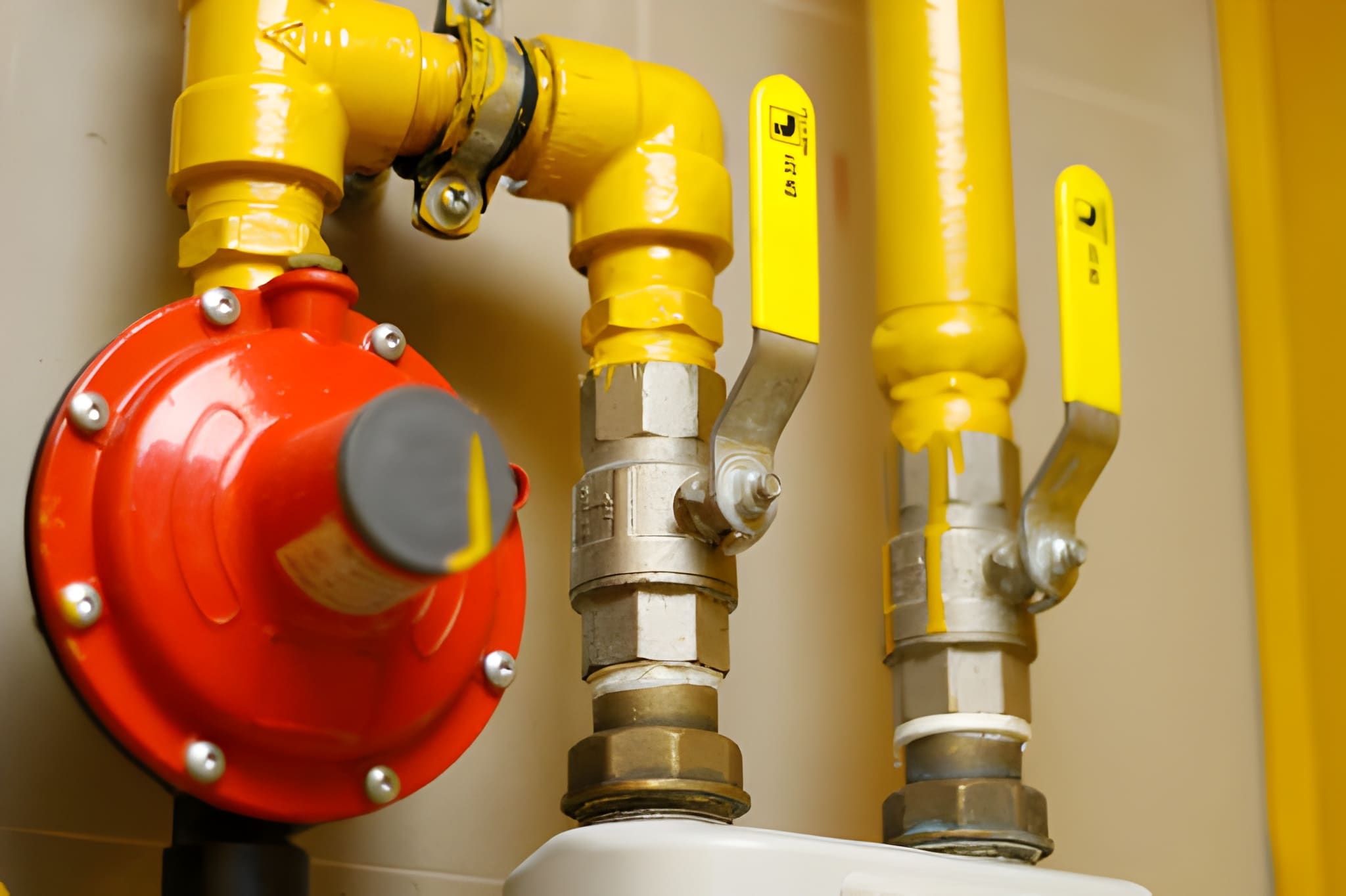
Your gas line system includes a regulator that maintains proper pressure. If pressure testing reveals regulator issues, we can service or replace it to restore system performance.
Safety Protocols and Emergency Shutoff
Your safety is our absolute priority. Every Stinson Mechanical technician is trained in emergency shutoff procedures. If we detect a dangerous gas leak during diagnosis, we'll shut off the gas at the meter and advise you on next steps before any repair work begins.
We educate customers on where their gas shutoff valve is located and how to use it in an emergency. If you ever smell gas, hear a hissing sound, or notice other warning signs, turn off the gas at the meter and call us immediately. For life-threatening situations - if you feel faint, experience chest pain, or suspect a major leak - evacuate and call 911.
Never attempt to repair a gas line yourself. Gas systems require specialized training, proper tools, and adherence to safety codes. Our team handles all repairs correctly the first time.
Timeline and What to Expect
Most gas line repairs in Lincoln City are completed in one to three hours, depending on the problem's complexity. A simple leak at a connection might take 45 minutes. A section replacement takes longer but is still manageable within a standard service window.
We schedule repairs at times that work for your schedule. During the repair, we'll keep you informed about progress and answer any questions. Once complete, we'll test the system again to confirm everything is working properly and safely. You'll receive documentation of our work for your records.
Preventing Future Gas Line Problems
Gas line issues aren't always preventable, but regular inspection and maintenance reduce risk significantly:
Annual or Bi-Annual Inspections
We recommend including a gas line inspection as part of your spring and fall HVAC maintenance visits. Our technicians will visually inspect accessible lines, check connections, and look for early signs of corrosion or damage. Catching small issues before they become big problems saves money and stress.
Protect Your Lines
Keep your gas lines clear of clutter and away from areas where they might be damaged. Avoid storing items against them or running new landscaping projects near underground lines.
Monitor Your System
Pay attention to your furnace's performance, your water heater's efficiency, and any unusual smells or sounds. These are often the first warning signs of gas line issues.
Code-Compliant Repairs
When work is done on your gas lines, ensure it meets current energy codes and safety standards. Improper repairs can mask underlying problems or create new safety risks. Stinson Mechanical keeps up with code changes and ensures every repair is done right.
Why Choose Stinson Mechanical for Gas Line Repair in Lincoln City
We're a local HVAC company in Lyons, OR, serving Lincoln City and the entire Willamette Valley. Our priorities are simple: honesty, keeping you comfortable in an efficient manner, and providing reliable service backed by over 25 years of experience.
When you call Stinson Mechanical, you get technicians who understand gas systems thoroughly and aren't pressured to upsell unnecessary work. We stock the parts we need, which means faster repairs and less downtime for your home or business. We stay in constant communication with you throughout the job, so you're never left wondering what's happening.
Whether you suspect a leak, need an inspection, or are dealing with a gas line emergency, we're here to help. Our team treats your system with the same care we'd give to our own homes. That's the Stinson Mechanical difference - expert HVAC service with integrity, competence, and a genuine commitment to your comfort and safety in Lincoln City, OR.