.svg)
.svg)

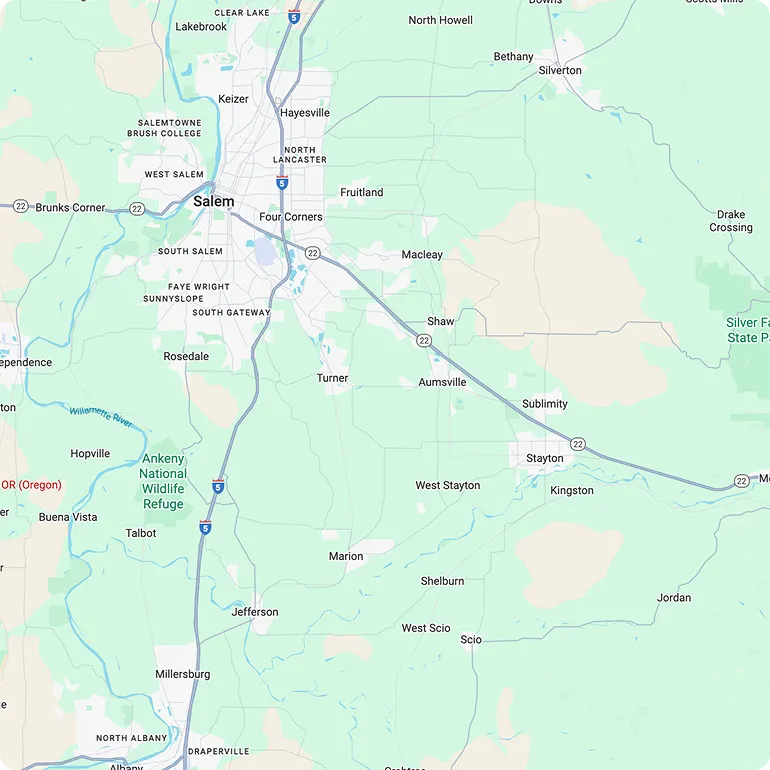
When you're planning to add a gas appliance to your home or business in Lincoln City, or you need to upgrade your existing gas piping system, you want to work with someone who understands the technical requirements and takes safety seriously. Gas piping installation isn't something to leave to guesswork - it requires proper assessment, compliance with local codes, and experienced hands to get the job done right. At Stinson Mechanical, we specialize in gas piping installation for residential and commercial properties throughout the Willamette Valley, including Lincoln City and the surrounding areas. Our team brings over 25 years of HVAC experience to every project, ensuring your gas lines are installed safely, efficiently, and to code.
Why Proper Gas Piping Installation Matters
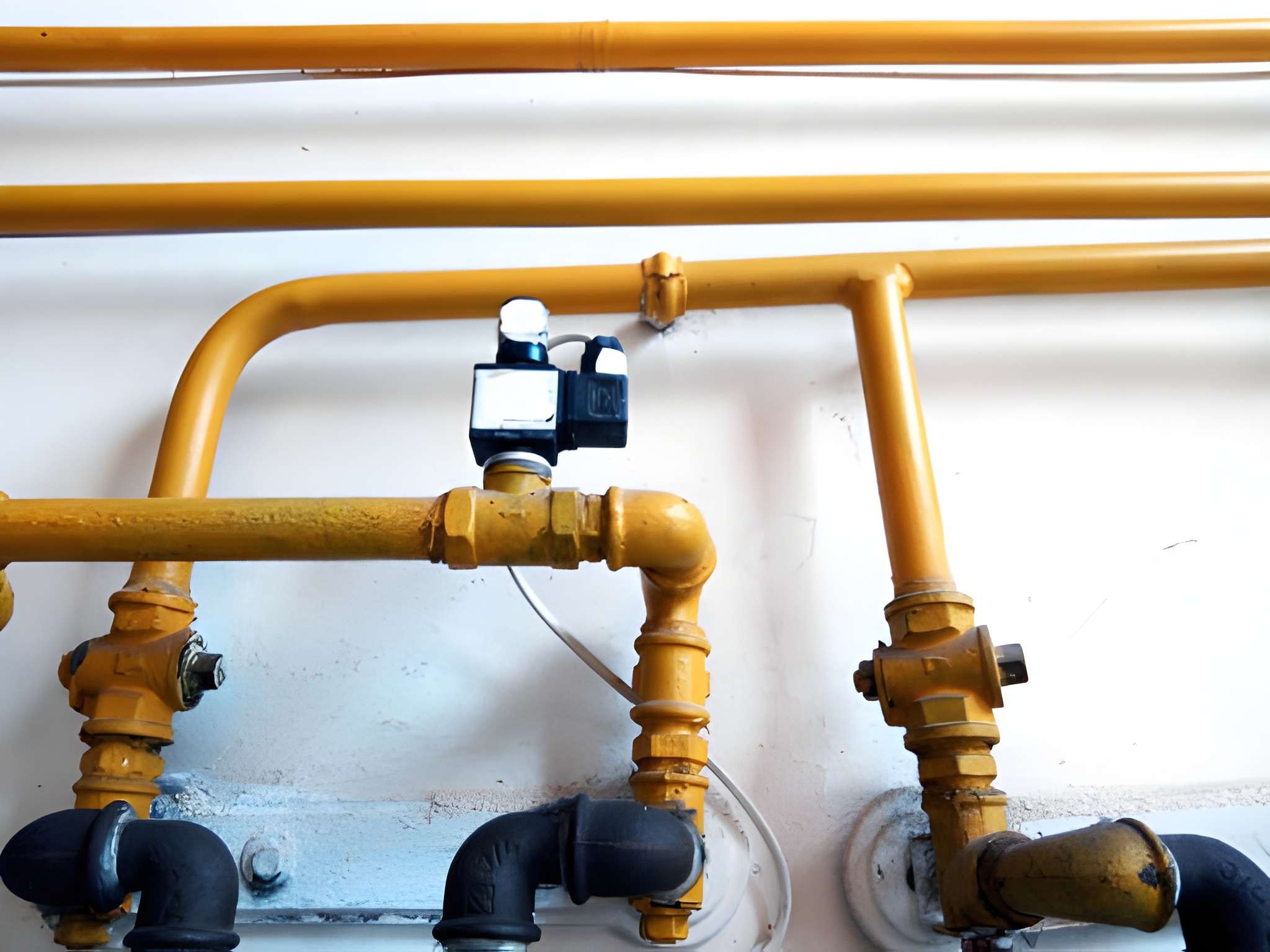
Gas piping systems are critical infrastructure in your home or business. Whether you're installing a new gas furnace, water heater, range, or fireplace, the piping that delivers gas to these appliances must be installed correctly. Improper installation can lead to gas leaks, reduced appliance efficiency, safety hazards, and costly repairs down the line. In Lincoln City, where homes and businesses rely on gas heating and appliances year-round, having a reliable gas piping system isn't optional - it's essential for comfort and safety.
The installation process involves much more than simply running pipes from the meter to your appliance. It requires understanding pressure requirements, load calculations, material selection, local code compliance, and rigorous testing to ensure everything works safely. That's where our expertise comes in. We handle every step of the gas piping installation process with the same attention to detail and commitment to honesty that defines Stinson Mechanical.
Pre-Installation Assessment and Load Calculations
Before we install a single foot of pipe, we conduct a thorough site assessment to understand your specific needs. This involves evaluating your property layout, identifying the best routing for pipes (whether trenched underground or run indoors), and determining what size piping you'll need based on the appliances you're connecting.
Load calculations are a critical part of this process. We calculate the total BTU (British Thermal Unit) demand of all gas appliances that will be supplied by the new piping system. This determines the diameter and pressure requirements of your gas lines. Install piping that's too small, and your appliances won't get the gas flow they need. Install it oversized, and you're wasting money on materials and creating inefficiencies. Our experienced technicians get these calculations right the first time, ensuring your system operates at peak efficiency.
During the assessment, we also evaluate:
- Your property's current gas infrastructure and meter capacity
- Accessibility for installation and future maintenance
- Potential obstacles like tree roots, existing utilities, or building structures
- Local soil conditions if trenching is required
- Your long-term plans for additional gas appliances
This upfront assessment helps us plan a gas piping system that not only meets your current needs but also provides flexibility for future expansion if you decide to add more gas appliances later.
Material Options and Sizing
The materials we use for gas piping installation in Lincoln City directly impact the longevity, safety, and performance of your system. We offer several material options, each with distinct advantages depending on your situation.
Copper Piping is a premium option that offers excellent durability and reliability. Copper resists corrosion, maintains integrity over decades, and is compatible with most gas appliances. It's a popular choice for indoor installations where aesthetic considerations matter or where longevity is a priority.
Steel Pipe is a robust, cost-effective option that works well for both indoor and outdoor applications. Black steel pipe is commonly used for gas lines and provides reliable performance. We ensure all steel piping is properly protected against rust and corrosion, particularly important in Lincoln City's coastal climate where moisture and salt air can accelerate degradation.
CSST (Corrugated Stainless Steel Tubing) is a flexible option that's particularly useful for complex routing or tight spaces. CSST installs faster than rigid pipe and accommodates building movements better, making it suitable for certain residential and commercial applications.
For each project, we select the material that best balances your budget, installation requirements, building code compliance, and long-term performance needs. Sizing is equally important - we calculate pipe diameter based on gas demand, pressure requirements, and distance from your meter to ensure adequate flow to every appliance.
Permit and Code Compliance
Gas piping installation in Lincoln City must comply with the International Fuel Gas Code (IFGC), Oregon Plumbing and Mechanical Code, and any local municipal requirements. At Stinson Mechanical, compliance with energy codes and local regulations isn't an afterthought - it's one of our core priorities.
We handle all the permitting requirements, which means you don't have to navigate confusing municipal offices or worry about whether your installation meets current standards. We know the specific codes that apply in Lincoln City, and we design and install every system to exceed minimum standards. This protects you from potential safety issues, ensures your system operates efficiently, and gives you confidence that your installation is legitimate and inspectable.
Proper permitting also matters if you ever sell your property or need to make changes to your gas system. A permitted, code-compliant installation documented through the local building department provides proof that the work was done properly by a qualified contractor.
Trenching and Indoor Routing Methods
Gas piping can be routed either underground through trenching or indoors through your building's walls, basement, and crawl spaces. The best choice depends on your property layout, building type, and how you use your space.
Underground Trenching is the solution when piping needs to run from your meter to an outdoor appliance or to a distant part of your property. In Lincoln City's climate, underground piping must be buried deep enough to avoid freezing during winter months. We ensure proper depth, slope for drainage, and adequate protection from ground movement and tree roots. Our team handles trenching carefully to avoid damaging existing utilities and to restore your landscape properly once the work is complete.
Indoor Routing works best for piping that serves appliances inside your home or business. We route piping through walls, under floors, or through crawl spaces in ways that minimize disruption to your daily life. For finished spaces, we work carefully to make routing as unobtrusive as possible, typically routing pipe behind walls where it's completely hidden.
The choice between trenching and indoor routing often involves tradeoffs between cost, aesthetics, and long-term access for maintenance. We discuss these options with you upfront, making sure you understand the advantages and limitations of each approach for your specific situation.
Appliance Hookups and Connection Standards
Once the main piping is in place, we handle all the final connections to your gas appliances. Every hookup must meet specific code requirements and appliance manufacturer specifications. We use the correct fittings, connect to proper shutoff valves, and ensure that each appliance receives gas at the right pressure for safe and efficient operation.
For furnaces, we verify that gas piping connections align with the furnace's inlet specifications. For water heaters, ranges, fireplaces, and other appliances, we follow the same rigorous standards. We also install accessible shutoff valves for each appliance, giving you the ability to isolate gas supply if needed for maintenance or emergencies.
All connections are leak-tight and inspected before we consider the job complete. This attention to detail at the appliance level is where many installation problems start - if connections are loose or improperly fitted, you'll face leaks and inefficiency from the day you turn on the appliance.
Pressure Testing and Leak Detection
After installation is complete, every inch of your gas piping system undergoes pressure testing to verify that there are no leaks. We use specialized equipment to pressurize the system and monitor it over time, watching for any drop in pressure that would indicate a leak.
Our testing process includes:
- Initial pressure testing at specified levels according to code requirements
- Extended monitoring to detect slow leaks that might not be immediately obvious
- Inspecting all fittings and connections under pressure to identify problem areas
- Using specialized leak detection equipment, including soapy water solutions and electronic detectors, to pinpoint any issues
Leak detection isn't just a checkbox on an inspection form - it's a critical safety step. Even a tiny leak can allow gas to escape into your home or business, creating a hazard. Our thorough testing catches problems before you use your system, ensuring that when we hand over the keys, your gas piping system is truly leak-free.
If we identify any leaks during testing, we repair them immediately and retest to confirm the fix. You won't move forward until we're confident the system is absolutely safe.
Safety Checks and Certification
Safety is woven through every step of our gas piping installation process in Lincoln City. Beyond pressure testing and leak detection, we perform comprehensive safety checks to ensure your system operates correctly once it's live.
We verify:
- Proper gas pressure at each appliance connection
- Correct operation of appliance safety shutoffs and regulators
- Absence of odors or any other indicators of leaks
- Proper functioning of ventilation systems for appliances
- Code compliance for all aspects of the installation
- Appliance startup and safe operation
Once all safety checks pass, we ensure your installation is properly documented and certified. This documentation becomes part of your property record and proves that installation was completed by a qualified contractor according to code standards. In Lincoln City, this certification protects you legally and gives you peace of mind.
Differences Between Residential and Commercial Gas Piping Installation
While the fundamentals of safe gas piping remain the same, residential and commercial installations involve some important differences that affect design, materials, and installation approach.
Residential Gas Piping Installation typically involves smaller diameter pipes serving a single home or apartment unit. Load calculations are based on residential appliances like furnaces, water heaters, ranges, and fireplaces. Routing often takes advantage of existing wall cavities and basement spaces. Residential installations can often be completed more quickly because the scope is typically more straightforward, and accessibility is generally easier.
Commercial Gas Piping Installation often requires larger diameter piping to serve higher BTU demands from commercial-grade appliances and equipment. Commercial properties may have multiple gas meters, more complex pressure regulation requirements, and longer pipe runs. Commercial installations must comply with additional codes and standards specific to commercial buildings. Routing in commercial spaces often involves planning around occupied areas, minimizing disruption to business operations, and meeting aesthetic and accessibility standards for the building.
Whether your project is residential or commercial, Stinson Mechanical brings the same expertise and attention to detail. We understand the specific requirements of each type of installation and plan accordingly.
The Stinson Mechanical Advantage - Fast Parts Availability and Experienced Technicians
Here's what sets Stinson Mechanical apart when you choose us for gas piping installation in Lincoln City: we maintain sufficient stock of equipment and repair parts to ensure we can complete your project efficiently without delays. This isn't just convenient - it means your installation stays on schedule and you're not left waiting for materials to be ordered and shipped.
Our team brings over 25 years of HVAC experience and knowledge. That depth of experience means we've encountered virtually every variation of gas piping installation you might need. We know how to handle complex routing, we understand the local climate considerations in Lincoln City and the surrounding Willamette Valley, and we have the judgment to make smart decisions when unexpected conditions arise during installation.
Beyond technical skills, we prioritize honesty in everything we do. If your current gas infrastructure is adequate, we'll tell you that rather than recommending unnecessary upgrades. If we encounter something during installation that affects cost or timeline, we communicate with you immediately rather than surprising you at the end. We stay in constant communication with our customers until the job is done, so you always know what's happening with your project.
Warranty Details
When Stinson Mechanical completes your gas piping installation, your investment is protected. We stand behind our work with warranty coverage that gives you confidence in the quality and durability of your new system. Warranty details vary based on the specific materials used, the scope of your installation, and the manufacturer guarantees on any equipment we install. During your project consultation, we'll explain exactly what warranty coverage applies to your gas piping installation and what that protection means for you.
This warranty commitment reflects our confidence in our workmanship and our commitment to your long-term satisfaction.
Financing Options to Make Installation Affordable
We understand that gas piping installation represents a meaningful investment in your home or business. To make this upgrade more accessible, Stinson Mechanical offers flexible financing options through Synchrony. Financing allows you to spread the cost of your installation over time, making it easier to fit the project into your budget without financial strain.
When you work with us on your gas piping installation, we'll discuss financing options and help you find a payment plan that works for your situation.
Getting Started with Gas Piping Installation in Lincoln City
If you're ready to install new gas piping in Lincoln City or upgrade your existing system, the first step is a free consultation with our team. We'll assess your property, discuss your needs and goals, explain your options, and provide honest guidance to help you make the right decision for your home or business.
Contact Stinson Mechanical today to schedule your free quote and take the first step toward a safe, efficient gas piping system that serves your needs for years to come.