.svg)
.svg)

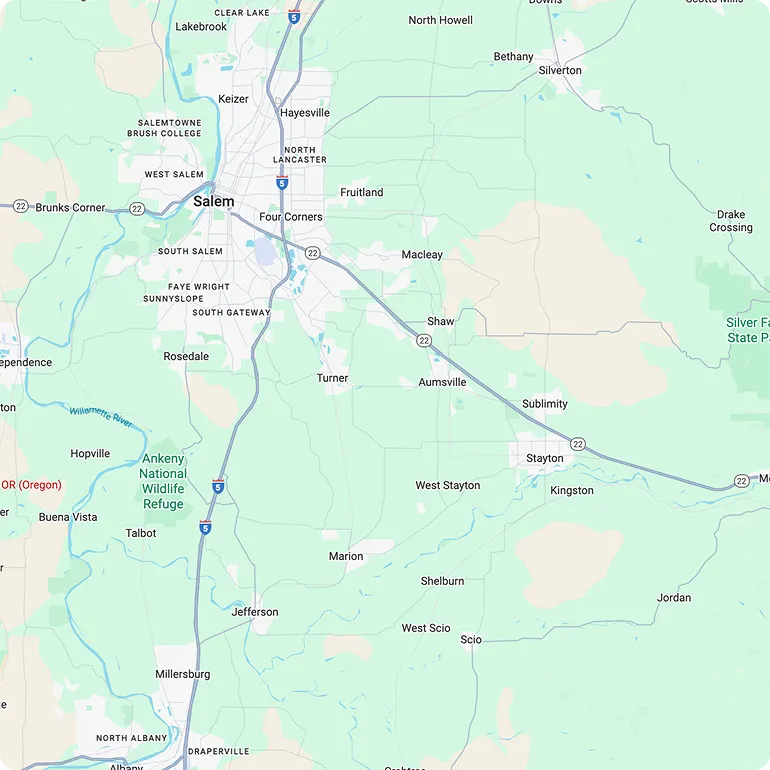
When your gas line stops working properly, it's not just an inconvenience - it's a safety concern that needs immediate attention. Gas line issues can affect your furnace, water heater, fireplace, stove, or other appliances that rely on natural gas to operate. At Stinson Mechanical, we understand how important it is to have reliable gas service, especially during the cold Oregon winters when your heating system is essential to keeping your home comfortable. Our team has over 25 years of HVAC experience, and we're equipped to handle everything from routine maintenance to emergency gas line repairs in Salem and the surrounding Willamette Valley area.
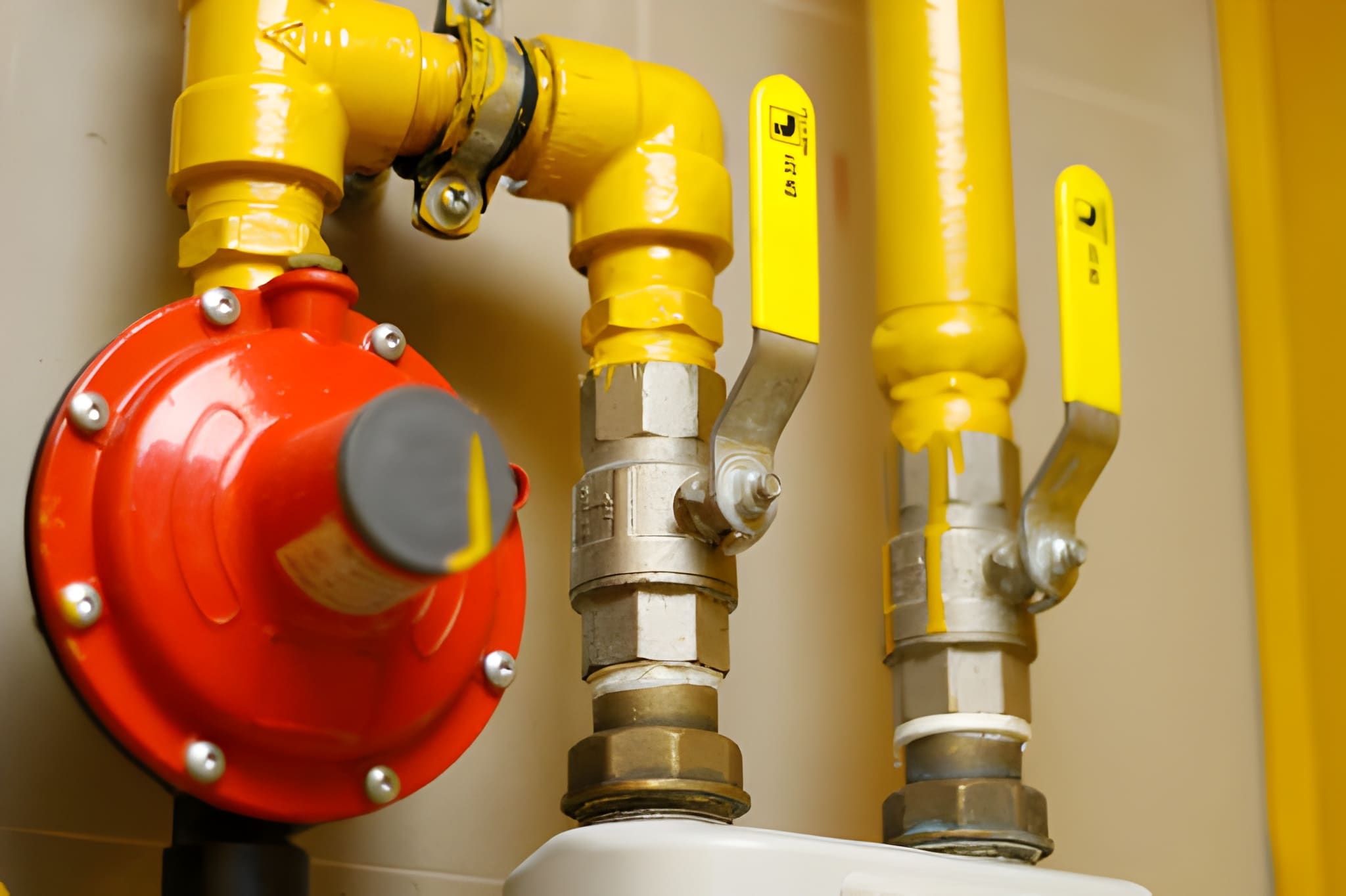
Why Gas Line Repairs Matter in Salem
Salem's climate means most homes depend on gas furnaces and heating systems for much of the year. A failing gas line doesn't just leave you without heat - it can also create safety hazards if gas leaks go undetected. Gas is odorless in its natural state, so utility companies add a distinctive rotten egg smell so people can identify leaks. If you notice that smell near your appliances or gas lines, don't ignore it. This is your warning sign that something needs professional attention right away.
Stinson Mechanical responds to gas line emergencies because we know Salem homeowners can't wait weeks for repairs when their heating is on the line. We keep our trucks stocked with essential parts and equipment, which means we often complete residential gas line repairs in 1-2 hours rather than requiring multiple service calls. Our priority is keeping you comfortable in an efficient manner, and that starts with fast, honest diagnostics.
Common Gas Line Problems We See in Salem
Gas line issues manifest in different ways depending on what's wrong. Here are the problems we encounter most frequently:
- Gas leaks detected by smell - The distinctive rotten egg odor near appliances, under the sink, or near your furnace indicates a leak that needs immediate professional inspection
- Appliances won't ignite - If your furnace, water heater, or stove won't light, it could be a gas line blockage or pressure issue
- Weak flames or incomplete combustion - Flames that seem smaller than usual or burn with an orange tint instead of blue suggest inadequate gas flow
- Hissing or whistling sounds - These noises often indicate gas escaping from a crack or loose connection
- Visible corrosion on fittings - Corroded connections can develop leaks over time, especially in older homes
- Recently exposed or damaged lines - If you've had excavation work or noticed your gas line got bumped or bent, we need to inspect it for safety
- Gas odor inside your home - Even a faint smell warrants a professional leak detection to ensure nothing is wrong
Each of these issues requires different solutions, and that's why we start every gas line repair with a thorough diagnostic. Stinson Mechanical uses professional leak detection equipment to identify problems that aren't always obvious to the eye, giving us a complete picture before we recommend any repairs.
Our Gas Line Repair Process
When you call Stinson Mechanical for gas line issues, here's what to expect:
Initial Assessment and Safety Check - Our technicians arrive prepared to evaluate your situation safely. We listen to your description of the problem, then conduct a visual inspection of accessible gas lines and connections. Safety is always first, so we're equipped to identify hazards and advise you immediately if there's a dangerous situation.
Leak Detection and Diagnostics - Using specialized equipment, we pressurize your gas lines and test for leaks. This allows us to pinpoint exactly where the problem is, whether it's a tiny pinhole leak in a connector or a larger crack in the line itself. We also test pressure at various points to ensure your system is delivering gas at the right volume and pressure to your appliances.
Explain the Issue and Your Options - Once we've identified the problem, we explain it in straightforward terms. We don't use unnecessary jargon, and we're honest about whether the issue calls for repair or replacement. Sometimes a simple reconnection or fitting replacement solves the problem. Other times, a section of line needs replacing. We'll walk you through what's needed and why.
Complete the Repair - With your approval, our technicians complete the repair using quality parts kept in stock. Because we maintain adequate inventory, we rarely have to order parts and come back later. Most residential gas line repairs wrap up in a single visit.
Pressure and Leak Testing - Before we consider the job done, we pressure test the entire system again to confirm the repair worked and that no new leaks have developed. We document the results so you have a record of the work.
Safety Shutoff Procedures Review - We always show you where your gas shut-off valve is located and explain how to use it in an emergency. This knowledge could be critical if you ever smell gas when we're not around.
Repair vs. Replacement - What You Should Know
One question we hear often is whether a gas line can be repaired or needs to be replaced. The answer depends on several factors:
Repair is typically appropriate when:
- The problem is isolated to a single connection or fitting
- The line itself is undamaged (only a connector is corroded or loose)
- The line hasn't been compromised by external damage like a dig or impact
- You have relatively recent copper or steel piping in good overall condition
Replacement may be necessary when:
- Multiple sections show corrosion or deterioration
- The line has been damaged by external impact or excavation
- You have very old galvanized steel that's starting to fail throughout
- The line configuration doesn't meet current energy codes or safety standards
- Repeated repairs suggest the line is reaching the end of its lifespan
Our team stays current on Oregon's energy codes and building standards, so we'll advise you if your existing system needs upgrades to comply with current requirements. This isn't about upselling - it's about ensuring your home is safe and efficient according to current standards.
Appliance Reconnections and Conversions
Sometimes gas line work involves reconnecting appliances after repairs, or helping customers transition when they switch from one appliance type to another. Our technicians handle these connections carefully, ensuring proper fitting, appropriate pressure, and safe operation. If you're replacing an old gas stove with a new one, converting a fireplace, or installing a tankless water heater, we coordinate the gas line work so everything connects correctly and safely.
Emergency Gas Line Service
We know gas line problems don't always happen during business hours. Stinson Mechanical offers emergency response for urgent situations - particularly when you smell gas inside your home or suspect a serious leak. If you suspect a gas emergency, turn off the gas at the meter if you can do so safely, leave the home immediately, and call us right away. We prioritize emergency calls and respond with the urgency the situation demands.
Pressure and Leak Testing Explained
Understanding pressure and leak testing helps you appreciate why we do these steps on every job:
Pressure testing ensures your gas line is delivering fuel at the correct pressure for your appliances to operate safely and efficiently. Too little pressure, and your furnace won't heat adequately. Too much pressure can damage appliances or create safety issues. We test at various points in your system to confirm everything is in spec.
Leak testing uses specialized equipment to detect any escape of gas from your lines or connections. Even tiny leaks matter because they represent both a safety hazard and wasted gas. Our leak detection is sensitive enough to find problems you'd never smell, so we catch potential issues before they become dangerous.
Both tests are documented and provided to you as a record of the work completed. This documentation is valuable if you ever need to reference the condition of your gas lines for home sales, insurance, or future repairs.
Gas Line Safety Tips for Salem Homeowners
Beyond professional repairs, there are steps you can take to keep your gas lines safe:
- Know the smell - That rotten egg odor is your early warning system. Never ignore it, even if it seems faint
- Don't assume it's nothing - Gas leaks don't always smell strongly. If you even suspect a leak, have it checked
- Keep your shut-off valve accessible - You should always know where it is and be able to reach it in an emergency
- Avoid DIY repairs - Gas lines should only be worked on by licensed professionals. The safety stakes are too high for amateur repairs
- Schedule seasonal maintenance - Just like your furnace and air conditioner, your gas lines benefit from preventative checks
- Report any external damage - If you notice your gas line has been bumped, bent, or exposed, call us for an inspection even if you don't see an obvious problem
- Don't ignore unusual appliance behavior - Pilot lights that won't stay lit, burners that won't ignite, or flames that look wrong are all signs something is off with your gas supply
Preventative Maintenance for Your Gas System
The best way to avoid emergency gas line repairs is through preventative maintenance. We recommend having your gas lines and gas-burning appliances inspected at least once per year, ideally during seasonal transitions. Spring and fall are ideal times in Salem because you're about to rely heavily on your heating or you're preparing to shut it down for the season.
During a preventative maintenance visit, we check for corrosion, loose connections, pressure consistency, and any early signs of wear. We also verify that all safety features are functioning properly. Catching small issues during maintenance prevents them from becoming expensive emergency repairs later.
If you have an older home in Salem, preventative maintenance is especially important. Homes built decades ago may have gas lines that are aging, and regular inspections help us spot deterioration before it causes problems. This is particularly true for homes with original galvanized steel piping, which can corrode over time.
Why Choose Stinson Mechanical for Gas Line Repair
When you call Stinson Mechanical for gas line repair in Salem, you're choosing a company with genuine HVAC expertise and a strong commitment to honesty. We don't overcomplicate gas line issues or recommend unnecessary work. Our technicians have over 25 years of combined experience, and we stay current on Oregon's codes and safety standards. We keep our service vehicles stocked with parts so we complete most repairs in a single visit, minimizing your downtime and inconvenience.
We also stay in constant communication with our customers until the job is done. You'll understand what's wrong, why we're fixing it the way we are, and what the results are before you pay. That transparency and focus on customer comfort are core to how Stinson Mechanical operates.
Your home's gas lines are too important to trust to just anyone. Stinson Mechanical brings expertise, honesty, and a genuine commitment to keeping you comfortable and safe in the Willamette Valley area.