.svg)
.svg)

When you're building a new home, remodeling your kitchen, or upgrading your heating system in Salem, one critical component often gets overlooked until it's too late - proper natural gas piping. Whether you're converting from electric heating or installing a new gas furnace, the piping infrastructure that delivers natural gas safely and efficiently to your appliances is just as important as the equipment itself. At Stinson Mechanical, we've spent over 25 years helping Salem-area homeowners and commercial properties get their natural gas systems installed and maintained correctly, and we know that code-compliant gas piping is the foundation of a reliable, efficient home comfort system.
Natural gas piping isn't a one-size-fits-all job. Every property has unique layout challenges, building codes to meet, and safety requirements that demand careful planning and expert execution. If you're exploring gas piping options for your Salem home or business, understanding what's involved - from initial design through final inspection - helps you make confident decisions and avoid costly mistakes down the road.
Why Proper Natural Gas Piping Matters for Your Salem Home
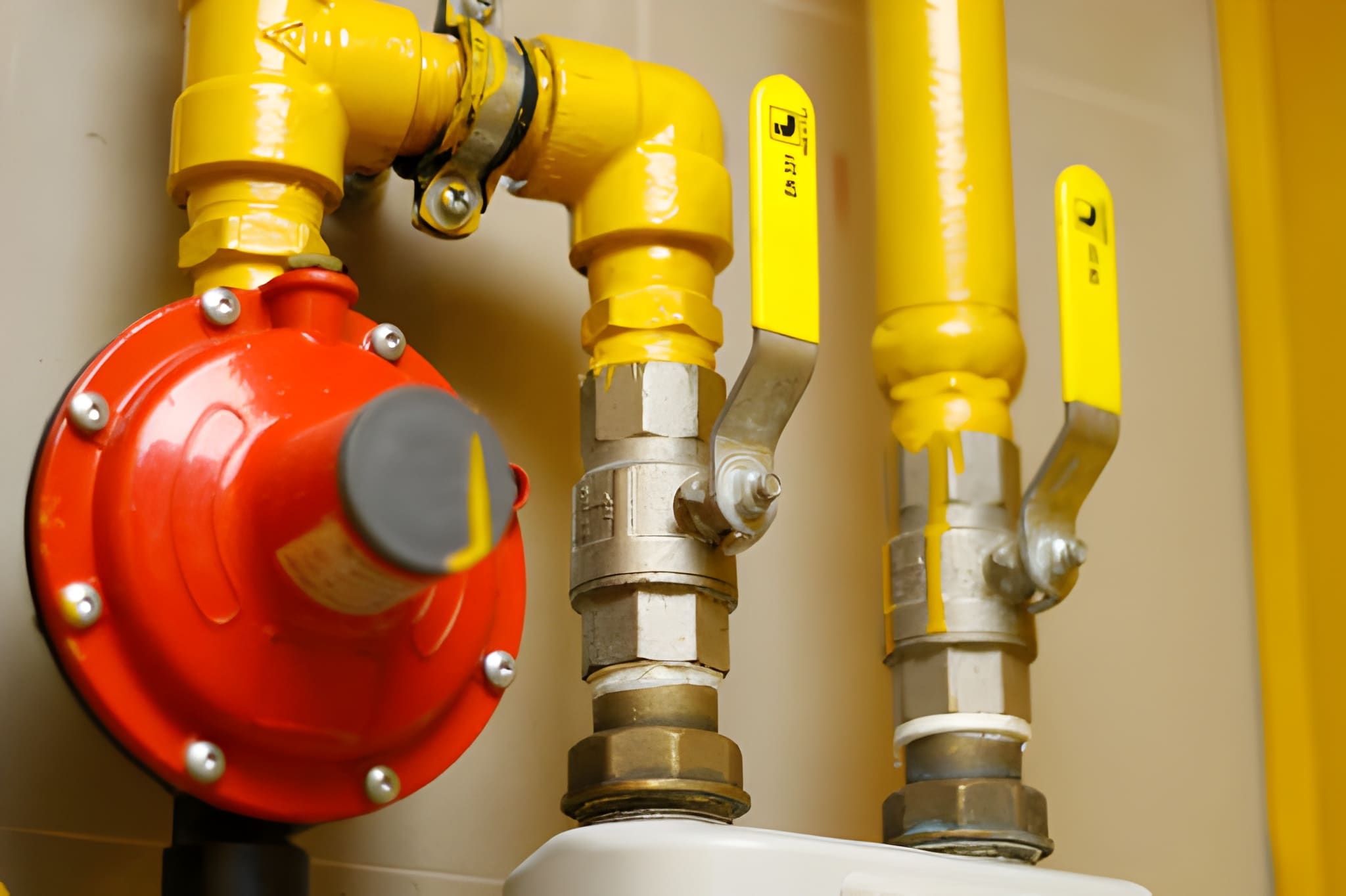
Natural gas piping connects your gas meter to furnaces, water heaters, stoves, and other appliances throughout your home. Poor installation or neglected maintenance can lead to safety hazards, inefficient operation, and expensive repairs. In the Salem area, where winters demand reliable heating and many homes rely on gas appliances, having properly installed and maintained gas lines ensures your comfort and gives you peace of mind.
The integrity of your gas piping system directly affects:
- Safety: Improper installation can lead to gas leaks, which pose serious health and fire risks
- Efficiency: Correctly sized and installed piping reduces pressure drops and ensures appliances operate at peak efficiency, lowering your energy bills
- Reliability: Well-maintained systems are less prone to corrosion, leaks, and unexpected failures
- Code compliance: Salem and Oregon follow strict energy codes and building standards; your gas piping must meet these requirements to pass inspection and maintain property value
- Longevity: Professional installation and regular maintenance extend the life of your gas lines and connected appliances
At Stinson Mechanical, we prioritize honesty and keeping our customers comfortable in an efficient manner. That means we design and install gas piping systems that work reliably for decades, not just solutions that pass inspection and create problems later.
Natural Gas Piping for New Construction in Salem
Building a new home in the Salem area gives you the opportunity to design a gas piping system from the ground up. This is actually one of the best times to get piping right, because you can plan the layout before walls are closed and avoid costly retrofits or workarounds later.
During the design phase for new construction, we work with builders and homeowners to:
- Assess appliance locations: Identify every place where gas will be needed - furnace, water heater, range, dryer, outdoor grill - and plan efficient routing
- Size piping correctly: Using industry standards and load calculations, we determine the right pipe diameter for each run to ensure adequate gas supply without excess pressure loss
- Plan for accessibility: Design the system so future maintenance and repairs are straightforward and don't require tearing into walls or ceilings
- Integrate with HVAC design: For homes using gas furnaces or heat pumps with gas backup, the piping must coordinate with ductwork, ventilation, and other mechanical systems
- Meet Oregon energy codes: Salem's building department requires compliance with current energy efficiency standards; we stay current with code changes so your new system meets all requirements
New construction piping typically uses either rigid steel pipe or flexible corrugated stainless steel tubing (CSST), depending on the application and code requirements. We select materials and methods based on what's most reliable and code-compliant for your specific project.
Gas Piping for Remodels and System Upgrades in Salem
Remodeling an existing home or upgrading your heating system often means modifying or extending gas lines. This is where experience and attention to detail really matter, because existing walls, joists, and building structure limit your options.
Common remodeling scenarios we handle in Salem include:
- Kitchen renovations: Moving or extending gas lines to accommodate a new range or cook top
- Bathroom and laundry upgrades: Rerouting gas lines around new plumbing, electrical, or structural changes
- Furnace and water heater replacements: Adapting existing lines to new equipment or upgrading to larger capacity systems
- Adding gas fireplaces or outdoor appliances: Installing new runs from your meter to patios, living spaces, or specialty equipment
- Converting from electric to gas heat: Running new gas lines throughout your home to support a gas furnace or heat pump system
For remodels, we start with a thorough inspection of your existing gas infrastructure. This tells us:
- The current pipe material and size
- Any existing corrosion, damage, or code violations
- Whether the existing system can handle additional loads or if upgrades are needed
- The most efficient routing for new runs given current building structure
- Any safety issues that need addressing
Once we understand your existing system, we design modifications that minimize disruption, meet current code, and integrate seamlessly with the rest of your home's mechanical and building systems. We stay in constant communication with our customers and contractors until the job is done, so everyone's on the same page throughout the remodel.
Fuel Conversion - Switching to Natural Gas in Salem
If you're currently heating with electric resistance, a heat pump without gas backup, or propane, converting to natural gas piping can lower your energy costs and improve comfort. The Salem area has good natural gas infrastructure, making conversion feasible for many properties.
Converting to natural gas requires:
- Gas line installation: Running copper, steel, or CSST piping from your utility meter to your furnace, water heater, and other appliances
- New appliance selection: Choosing a gas furnace, heat pump with gas backup, or other gas equipment sized and rated for your home
- Utility coordination: Working with your local gas utility to ensure service is available and to schedule the meter and service connection
- Proper venting: Installing or upgrading exhaust venting for gas appliances to safely expel combustion byproducts outside
- Safety inspection: Having the entire system inspected and tested by qualified professionals before you use it
At Stinson Mechanical, we handle the complete conversion process - from initial assessment through final inspection and startup. Our team has over 25 years of experience converting Salem-area homes to gas heat, and we know exactly what code compliance and utility coordination looks like in our area.
Code-Compliant Installation Practices for Gas Piping
Natural gas piping in Salem must comply with:
- Oregon Plumbing and Mechanical Code: Which incorporates the Uniform Plumbing Code and International Mechanical Code
- National Fuel Gas Code (ANSI Z223.1): The industry standard for safe gas piping design and installation
- Local amendments: Salem's building department may have specific requirements beyond state and national codes
Code compliance ensures your system is safe, reliable, and able to pass inspection. Key requirements we follow include:
- Proper materials: Black iron pipe, copper tubing, or CSST - each with specific applications and joining methods
- Correct sizing: Pipe diameter based on gas load (BTU requirements) and run length to ensure adequate pressure at each appliance
- Appropriate fittings and connections: Using code-approved materials and techniques to join pipes and prevent leaks
- Proper hangers and supports: Securing piping so it doesn't sag, stress connections, or get damaged
- Adequate clearance: Keeping gas lines away from electrical, plumbing, and structural elements
- Drip legs and shutoff valves: Installing these critical safety components at appropriate locations
- Proper ventilation for furnaces and water heaters: Ensuring combustion air intake and exhaust venting meet code
We're committed to providing options to conform with changes to the energy codes, and our team stays up-to-date on the latest Salem and Oregon requirements. When we complete your gas piping installation, it passes inspection the first time - no surprises, no delays, no frustration.
Testing, Inspection, and Certification
Before any gas flows through your new or modified piping, the system must be pressure-tested and inspected by qualified professionals. This is not optional - it's required by code and essential for safety.
The testing and inspection process includes:
- Pressure test: We pressurize the system with air or nitrogen to verify there are no leaks anywhere in the piping network
- Leak detection: Using specialized equipment, we locate any small leaks that could develop into safety issues
- Visual inspection: Verifying that materials, connections, hangers, and clearances all meet code requirements
- Final certification: Documenting that the system is code-compliant and ready for gas service
- Utility inspection: Coordinating with your gas utility for their final inspection and meter connection
Once testing and inspection are complete, your utility will connect the meter and activate service. At that point, you're ready to operate your gas appliances safely and efficiently.
Maintenance and Safety Checks for Your Salem Gas Piping
Proper maintenance keeps your gas piping system safe and reliable for decades. Unlike some HVAC components that wear out with use, gas piping can last 50+ years if properly installed and maintained.
Regular maintenance includes:
- Annual safety inspection: A qualified technician checks for corrosion, leaks, proper clearances, and any signs of damage
- Odor checks: Natural gas is odorless, but utilities add an odorant so you can detect leaks. If you smell gas, it's a warning sign that needs immediate attention
- Pressure testing: Periodic testing verifies the system maintains proper pressure throughout the home
- Connection inspection: Checking appliance connections and flexible connectors (which have a limited lifespan and may need replacement)
- Ventilation verification: For furnaces and water heaters, ensuring combustion air intake and exhaust venting remain clear and functional
We recommend having your gas piping system inspected annually, ideally before heating season. During spring and fall, many Salem homeowners schedule HVAC maintenance visits anyway, so it's a good time to include a gas line safety check.
Energy Efficiency and Gas Piping Considerations
Properly designed and installed gas piping contributes to your home's overall energy efficiency in several ways:
- Minimized pressure drop: Correctly sized piping ensures full gas pressure reaches appliances, allowing them to operate at rated efficiency
- Reduced infiltration and air leakage: Well-sealed pipe connections prevent gas loss and reduce the load on your heating system
- Efficient appliance operation: Gas furnaces, water heaters, and fireplaces all perform better when they receive adequate, clean gas supply
- Code-compliant venting: Modern gas piping designs and venting systems meet Oregon's energy code requirements for efficient combustion and heat recovery
When you choose an energy-efficient gas furnace or heat pump with gas backup, proper piping installation ensures you actually get the efficiency benefits the equipment promises. A poorly installed system can waste 10-20% or more of the fuel you're paying for.
Expected Deliverables from Your Gas Piping Project
When you work with Stinson Mechanical for natural gas piping installation or upgrade, here's what you can expect:
- Initial consultation and assessment: We visit your property, discuss your needs, and evaluate any existing gas infrastructure
- Detailed design and plan: A clear layout showing where piping will run, what materials we'll use, and how the system will meet code requirements
- Transparent quote: A free quote that outlines the scope, timeline, and any factors that might affect the project
- Professional installation: Our team of experienced technicians installs your system to code and industry best practices
- Complete testing and documentation: Pressure testing, inspection, and certification with documentation you'll need for your records or future home sale
- Final walkthrough: We explain how the system works, answer any questions, and ensure you're comfortable with your new or upgraded gas piping
- Follow-up support: If you have questions or concerns after installation, we're here to help
We make sure there is enough stock of equipment and repair parts, so if any adjustments are needed during or after installation, we can handle it promptly without delays.
Why Choose Stinson Mechanical for Natural Gas Piping in Salem
Choosing the right contractor for gas piping installation is about more than just finding someone with a license. You need a team that understands Salem's specific codes and climate, has extensive experience with a wide range of projects, communicates clearly throughout the process, and stands behind their work.
At Stinson Mechanical, our priorities are straightforward:
- Honesty - We tell you exactly what you need and why, without upselling or cutting corners
- Keeping our customers comfortable in an efficient manner - We design systems that work reliably and lower your energy bills
- Providing options to conform with changes to the energy codes - We stay current with Salem and Oregon code updates so your system is code-compliant and future-proofed
- Making sure there is enough stock of equipment and repair parts - When we start your project, we have what we need on hand; we don't delay jobs waiting for materials
With over 25 years of HVAC experience and knowledge on our team, we've installed and maintained thousands of gas piping systems throughout the Willamette Valley and Salem area. We know what works in our climate, how to navigate local code requirements, and how to deliver projects that exceed expectations.
Whether you're building new, remodeling, upgrading your heating system, or converting from electric to gas, Stinson Mechanical has the expertise and local knowledge to get your natural gas piping right. We stay in constant communication with our customers until the job is done, and we're committed to delivering a system that keeps you comfortable and saves you money for years to come.