.svg)
.svg)

Gas lines are one of those systems in your home that you don't think much about - until something goes wrong. When a gas line develops a leak, corrodes, or gets damaged, it's not just an inconvenience. It's a safety issue that demands immediate attention. At Stinson Mechanical, we understand the urgency and complexity of gas line problems, and we're here to help Woodburn homeowners and business owners get their systems back in safe working order quickly.
Whether you've noticed a rotten egg smell near your gas appliances, heard a hissing sound from your pipes, or just want to make sure your gas lines are in good condition, we have the expertise and equipment to diagnose and repair the problem. With over 25 years of HVAC experience and a commitment to honesty and customer comfort, Stinson Mechanical is your trusted local gas line repair specialist in Woodburn.
Common Gas Line Problems in Woodburn Homes
Gas lines can develop issues for several reasons, especially in the Woodburn and Willamette Valley area where temperature fluctuations and aging infrastructure are common concerns. Here are the most frequent problems we see:
- Corrosion and rust - Older gas pipes, particularly those made of steel or iron, can corrode over time, especially in humid conditions. This weakens the pipe and creates leak points.
- Physical damage - Gas lines can be accidentally damaged during construction, landscaping, or home repairs. Even small punctures or dents can compromise the line's integrity.
- Loose connections - Vibration from appliances or settling of your home can loosen the fittings where gas lines connect to furnaces, water heaters, or other appliances.
- Freezing and thawing - Winter conditions in Oregon can cause pipe expansion and contraction, leading to cracks or separation at joints.
- Age-related wear - Lines installed decades ago may simply be reaching the end of their functional life and need replacement.
- Poor installation or code violations - Older installations may not meet current safety codes, which can require updates or full replacement.
How to Recognize a Gas Line Problem
The earlier you catch a gas line issue, the safer your home or business is. Knowing the warning signs can help you call for service before a small problem becomes a dangerous one.
Smell - The most obvious sign is the distinctive rotten egg or sulfur smell near gas appliances or along the path of your gas lines. This odor is added to natural gas specifically to help people detect leaks. If you notice this smell, it's time to call for professional help.
Hissing or whistling sounds - A leak will often produce a hissing or whistling noise where the gas is escaping. This is especially noticeable if you listen near your furnace, water heater, or outdoor gas meter.
Higher than normal gas bills - If your gas usage suddenly increases without a change in your habits, a leak could be wasting gas and money.
Dead plants or grass - In rare cases, a leak in an outdoor gas line can damage vegetation in that area.
Visible corrosion or damage - If you can see rust, discoloration, or physical damage on exposed gas pipes, that's a red flag that professional inspection is needed.
Emergency Gas Line Leak Response
If you suspect a gas leak, your safety is the priority. Here's what you should do and what to expect from Stinson Mechanical when you contact us:
Immediate steps to take:
- Don't ignore the smell or warning signs
- Leave the area immediately if you smell gas
- Don't use electrical switches, phones, or create any spark or flame
- Go to a neighbor's house or a safe location outside
- Call 911 if you feel unsafe, or call our emergency line for guidance
When you contact Stinson Mechanical about a potential gas line emergency, we take it seriously. Our team is trained in emergency leak response and will work quickly to isolate the problem and make your system safe. We keep sufficient stock of parts on hand so we're not waiting for materials - we can often complete repairs the same day.
How We Detect Gas Leaks
Professional leak detection is more thorough than relying on your nose alone. We use several methods to identify exactly where a problem exists.
Soapy water test - This is a simple but effective method. We apply soapy water to suspected areas of the gas line. If there's a leak, the gas will create bubbles in the soap. This helps us pinpoint the exact location of even small leaks.
Electronic leak detectors - We use specialized equipment that can sense the presence of gas in the air, helping us identify leaks that might be too small to smell or see.
Pressure testing - We can test the pressure in your gas lines to determine if there's a leak. A drop in pressure over time indicates a problem somewhere in the line.
Visual inspection - Our experienced technicians look for signs of corrosion, damage, improper connections, or other issues that could lead to problems.
Gas Line Isolation and Repair Procedures
Once we've identified the problem, the next step is isolating the affected section and planning the repair. Safety and code compliance are built into every step we take.
Isolating the problem - We'll shut off the gas supply to the affected line and, if necessary, to your whole home temporarily. This prevents gas from escaping during the repair work.
Assessment - We determine whether the issue can be repaired with a new fitting or connector, or whether that section of pipe needs to be replaced entirely. Some problems like loose connections are straightforward repairs. Others, like significant corrosion, may require replacing the entire line or section.
Repair or replacement - If it's a small problem like a loose fitting, we tighten and secure it. For corroded or damaged pipe, we remove the affected section and install new pipe that meets current code requirements. We use materials appropriate for your system - whether that's black iron pipe, CSST (corrugated stainless steel tubing), or other approved materials.
Pressure testing - After the repair is complete, we pressure test the entire system to make sure everything is airtight and safe.
When Repair Versus Replacement Makes Sense
One of the questions homeowners ask us is whether they should repair a problematic gas line or replace the whole thing. The answer depends on several factors.
Repair is usually the right choice when:
- The problem is isolated to a single fitting or small section
- The rest of your gas line is in good condition
- Your line is relatively new (less than 20 years old)
- The damage or corrosion is minor
Replacement makes more sense when:
- Your gas line is very old and showing widespread corrosion
- The problem is part of a larger pattern of deterioration
- The line doesn't meet current code requirements
- Multiple sections have issues
- You're planning other major home renovations where access is easier
At Stinson Mechanical, we'll be honest about what your specific situation requires. We're not interested in unnecessary upsells - we're interested in keeping you comfortable and safe in an efficient manner, which sometimes means a repair is enough and sometimes means replacement is the better long-term choice.
Code Compliance and Safety Standards
Gas lines fall under strict safety codes, and for good reason. These codes exist to protect you and your family. When we repair or replace gas lines in Woodburn, we make sure everything meets current code requirements.
What this means for you:
- We stay current on Oregon's energy codes and gas line regulations
- All materials we use are approved for gas line applications
- Our work is done according to established safety standards
- We pressure test and certify the system after work is complete
Older installations may not meet current codes, which can be a concern if you're planning to sell your home or if you need repairs. If your gas line doesn't meet code, we'll let you know upfront and discuss your options.
Pressure Testing and System Re-certification
After any gas line repair, we perform thorough pressure testing to ensure the system is airtight and safe.
Our pressure testing process:
- We shut off gas flow and seal the line
- We apply air pressure to the system at the appropriate test pressure
- We monitor the pressure over time - any drop indicates a leak
- We test multiple times to ensure reliability
- If testing passes, we document everything and provide certification
This testing gives you confidence that your gas line is safe and working properly. It's not just checking the repair we made - it's verifying the integrity of the whole system.
Response Times and Parts Availability
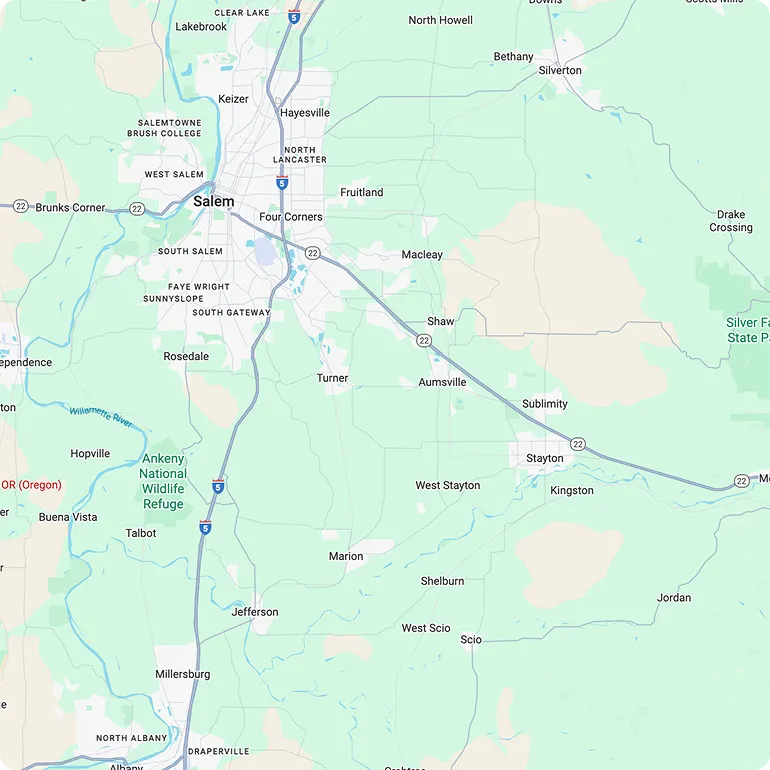
We know that when you have a gas line problem, you want it fixed quickly. That's why we keep adequate stock of parts and equipment on hand. We're located in Lyons and serve the Woodburn area and throughout the Willamette Valley.
Our commitment to you:
- We stock common parts so we're not ordering and waiting
- We work to complete repairs the same day whenever possible
- For non-emergency repairs, we schedule appointments that fit your schedule
- We're available during regular business hours Monday through Friday
If you have a true emergency after hours, we can advise you on safe steps to take and get you scheduled for first thing the next morning. Your safety is always our first priority.
Why Choose Stinson Mechanical for Gas Line Repair
Choosing the right company to work on your gas lines matters. You're trusting them with your family's safety and the integrity of a critical system in your home.
Here's what sets Stinson Mechanical apart:
Experience - Our team brings over 25 years of HVAC experience. We've seen gas line problems in every form and know how to solve them.
Honesty - We don't recommend repairs or replacements you don't need. We'll tell you straight what your gas line situation is and what makes sense to do about it.
Local knowledge - We're based in Lyons and know the Woodburn area, the Willamette Valley, and the Salem region. We understand local conditions and code requirements.
Quality parts and workmanship - We use approved materials and follow established safety procedures on every job.
Communication - We stay in constant communication with our customers until the job is done. You'll know what's happening and why.
Financing available - If a larger repair or replacement is needed, we offer flexible financing options to make it manageable.
Maintaining Your Gas Lines
Once your gas line is repaired, here are some things you can do to help keep it in good condition:
- Have your gas lines inspected as part of your regular HVAC maintenance
- Keep an eye out for warning signs like unusual smells or sounds
- Avoid painting over gas line connections or covering them with insulation
- Don't plant trees or bushes over buried gas lines
- If you're doing any digging or construction, call 811 first to have utilities marked
- Schedule professional inspections periodically, especially if your home is older
Regular maintenance helps catch small problems before they become big ones. If you're already having us service your furnace or other heating equipment, we can check your gas lines at the same time.
Understanding Your Gas Line System
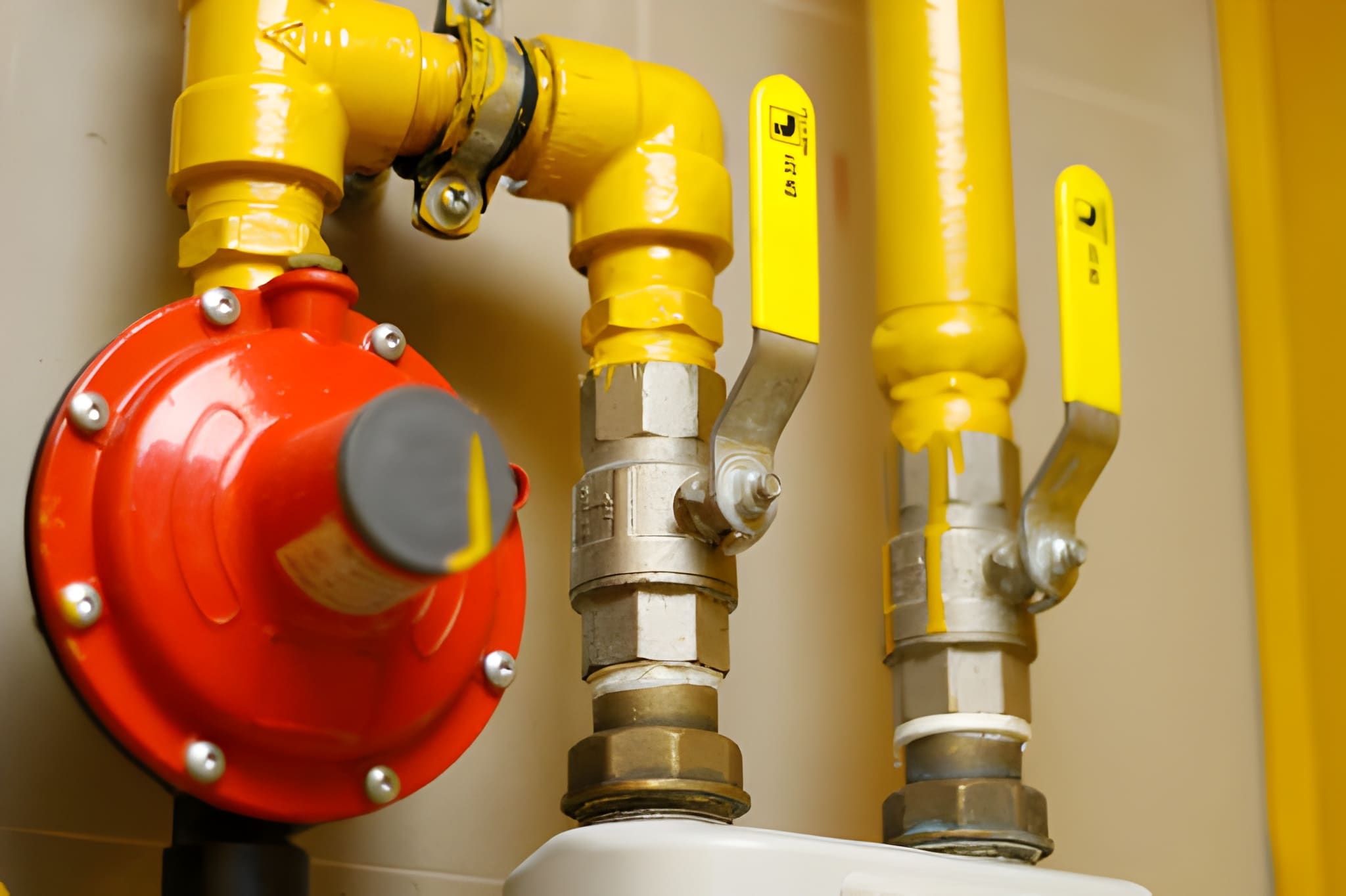
Most homes and businesses have natural gas delivered through a meter into the building, where it branches out to various appliances. Understanding your system helps you recognize problems faster.
The basic layout:
- An outdoor gas meter measures how much gas you use
- A main line brings gas into your home from the meter
- Branch lines carry gas to your furnace, water heater, stove, and other appliances
- Each appliance has its own shut-off valve
Knowing where these components are in your home helps you know where to listen for problems or where to look for visible damage. If you're not sure about your system layout, our technicians can walk you through it during a service visit.
Seasonal Considerations for Woodburn Area Homeowners
The Woodburn area experiences temperature swings that can affect gas lines. Winter cold can cause pipes to contract, and spring thaws can affect soil conditions around buried lines. Fall is a good time to have your gas lines inspected before heavy heating season begins, and spring is another good time to check on them after the freeze-thaw cycles.
If you're planning to use your furnace or other gas appliances heavily in the coming months, now is the time to make sure your gas lines are in good shape. Don't wait until it's cold and you need heat to discover a gas line problem.
What to Expect During a Service Visit
If you call Stinson Mechanical for gas line repair, here's what a typical visit looks like:
Initial consultation - We'll ask you about what symptoms you've noticed and what prompted the call. We'll discuss safety and next steps.
Inspection and testing - We'll locate the problem using the appropriate testing methods and pinpoint exactly what needs to be fixed.
Explanation of options - We'll explain what we found and what options make sense - whether that's a repair, section replacement, or full line replacement. You'll understand the costs and timeline involved.
Repair work - Once you approve, we'll do the work safely and efficiently, keeping you informed as we go.
Testing and certification - We'll pressure test and verify everything is safe before turning the gas back on.
Walkthrough - We'll explain what we did, answer any questions, and provide documentation of the work.
Getting Your Gas Line Repaired
If you've noticed warning signs of a gas line problem, or if you just want to have your system inspected for peace of mind, contact Stinson Mechanical. We serve Woodburn, the surrounding Willamette Valley area, and the Salem region.
With over 25 years of experience, adequate parts in stock for quick service, and a commitment to honesty and customer safety, we're the local HVAC company you can trust with your gas line needs. Call us to discuss your situation and get started with a free quote. We're here to keep you comfortable and safe.