.svg)
.svg)

Natural gas piping is one of those essential systems that most homeowners don't think about until something goes wrong. Whether you're building a new home, adding a gas appliance, or replacing aging pipes, having a reliable natural gas piping system is critical for safety, efficiency, and peace of mind. At Stinson Mechanical, we've spent over 25 years helping homeowners and businesses in Woodburn and the surrounding Willamette Valley understand their gas lines and keep them running safely and efficiently.
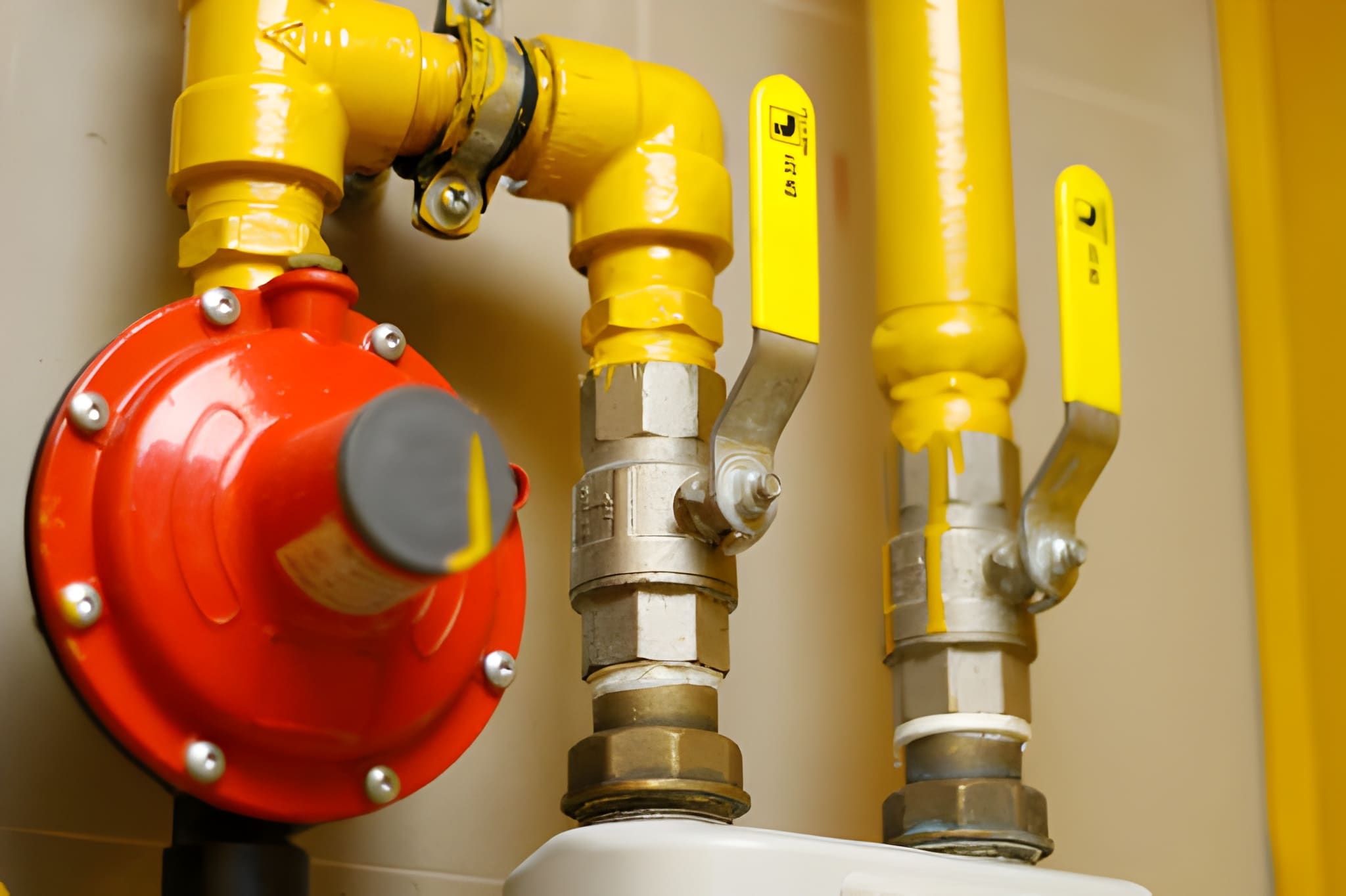
Natural gas piping connects your meter to your furnace, water heater, stove, fireplace, and other gas appliances throughout your home or business. This might sound straightforward, but proper installation, maintenance, and repair of natural gas piping requires expertise and attention to detail. The good news is that when natural gas piping is installed correctly and maintained regularly, it's one of the most reliable utility systems in your home.
Why Natural Gas Piping Matters in Woodburn
Woodburn's climate and the age of many homes in our region make natural gas piping a particularly important consideration. Our winters can be long and cold, which means your gas furnace works hard to keep your home comfortable. Many properties in Woodburn have older gas piping systems that were installed decades ago, and these systems may need updates or replacements to meet current safety codes and efficiency standards.
Whether you rely on natural gas for heating, cooking, water heating, or a combination of these, the integrity of your piping system directly impacts your home's safety, your energy bills, and the reliability of your comfort. At Stinson Mechanical, we understand the specific needs of Woodburn residents and businesses because we've been serving this community and the greater Salem area for years.
Types of Natural Gas Piping Systems
There are several different configurations and materials used in natural gas piping systems, and the right choice depends on your specific situation.
Indoor Gas Piping
Indoor gas piping runs from your gas meter through your home to each appliance that uses natural gas. This piping is typically located in walls, under floors, or along baseboards. Indoor piping must be installed with precision to ensure it doesn't create any safety hazards and meets all local codes. The piping materials we use for indoor installations are chosen for durability, safety, and long-term reliability.
Outdoor Gas Piping
Outdoor piping connects your meter to your home or runs between buildings on a commercial property. In Woodburn's climate, outdoor piping faces additional challenges including temperature fluctuations, moisture, and ground movement. Proper installation with appropriate materials and burial depth is essential to prevent damage and ensure safety.
Branch Piping vs. Main Lines
Branch piping runs from your main gas line to individual appliances like your water heater, stove, or fireplace. Main lines carry gas from your meter to distribution points throughout your home. Each type of piping has different sizing and installation requirements based on the volume of gas it needs to handle.
Common Natural Gas Piping Issues
Understanding what can go wrong with natural gas piping helps you recognize when it's time to call a professional.
Leaks
Gas leaks are serious and require immediate attention. If you smell rotten eggs or a sulfur-like odor (which is added to natural gas to make leaks detectable), leave your home immediately and call your gas provider and then call us. Small leaks may not produce a noticeable smell but can be detected during a professional inspection using specialized equipment.
Corrosion and Deterioration
Over time, pipes can corrode from the inside out, especially in older homes. Moisture, mineral deposits, and the composition of your soil can all contribute to corrosion. We inspect for these issues during routine maintenance and can recommend replacement before a failure occurs.
Improper Installation
If piping was installed incorrectly, it may have inadequate slope, improper connections, or materials that don't meet current codes. This can lead to gas flow problems, safety hazards, or future issues that compromise your system.
Inadequate Sizing
If you've added appliances to your gas system, the existing piping may not be sized to handle the increased gas demand. This results in reduced performance of your appliances and potential safety issues.
Freeze-ups and Condensation
In colder weather, water vapor in natural gas can condense and freeze in outdoor piping, blocking gas flow. Proper installation with appropriate materials helps prevent this issue.
Natural Gas Piping Materials We Recommend
The material you choose for your natural gas piping impacts safety, durability, and compliance with codes.
Black Iron Pipe
Black iron is the traditional choice for natural gas piping and remains the most common material in Woodburn and throughout Oregon. It's durable, affordable, and well-understood by inspectors and technicians. Black iron requires periodic inspection because it can corrode over time, particularly in damp environments.
Corrugated Stainless Steel Tubing (CSST)
CSST is a flexible alternative to black iron that's easier to install and route around obstacles. It's lighter weight and faster to work with, which can reduce installation costs. However, CSST requires proper bonding and grounding to prevent safety issues. We ensure any CSST installation meets all current safety standards.
Copper Piping
Copper is an excellent choice for durability and corrosion resistance, though it's more expensive than black iron or CSST. Copper piping is often used in newer homes or upgrades where longevity and minimal maintenance are priorities.
Plastic Piping
Plastic piping (polyethylene) is sometimes used for outdoor underground applications in low-pressure situations. It's not suitable for indoor piping or high-pressure applications.
At Stinson Mechanical, we'll recommend the best material for your specific installation based on your home's layout, local codes, your budget, and long-term maintenance considerations.
Natural Gas Piping Installation Process
When you need new gas piping or a replacement system, here's what you can expect from working with Stinson Mechanical.
1. Assessment and Planning
We start by understanding your needs. Are you installing a new gas appliance? Replacing an aging system? Building an addition? We'll evaluate your existing piping, identify any issues, and determine what materials and configuration will work best for your situation.
2. Code Compliance Review
Natural gas piping must meet Oregon's building codes and local Woodburn regulations. We stay current on energy code changes and ensure every installation complies with current requirements. This protects your safety and your investment.
3. Design and Sizing
We calculate the correct pipe diameter for each section of piping based on the gas demand of your appliances. Undersized piping restricts flow and causes problems. Oversized piping wastes materials and money. We get it right the first time.
4. Installation
Our technicians install piping with precision, ensuring proper slope for indoor piping, adequate burial depth and protection for outdoor piping, secure connections, and appropriate supports. We minimize disruption to your home and clean up thoroughly when we're done.
5. Pressure Testing
Before we consider the job complete, we pressure test the entire system to confirm there are no leaks. This is not optional - it's a critical safety step that's required by code.
6. Inspection and Approval
In most cases, a local inspector will need to verify the installation meets code. We handle the scheduling and coordinate with inspectors to ensure smooth approval.
Integration with Your HVAC and Other Systems
Natural gas piping doesn't exist in isolation - it's part of your home's broader utility and comfort system.
Connection to Your Furnace
Your heating system relies on natural gas piping to function. If you're installing a new furnace or replacing an old one, we often need to upgrade or adjust gas piping to ensure proper fit and safe operation. We handle both the HVAC installation and the gas piping work, which means better coordination and fewer complications.
Water Heater Integration
Most Woodburn homes use natural gas water heaters. Whether you're installing a traditional tank water heater or a tankless on-demand system, proper gas piping sizing and routing is essential. We install gas piping that supports efficient water heater operation.
Fireplace and Stove Installation
If you're adding a gas fireplace, stove, or other decorative gas appliance, gas piping must be properly sized and routed to the appliance. We ensure safe, code-compliant installation that doesn't compromise other gas appliances in your home.
Commercial Kitchen and Appliances
For commercial customers in Woodburn, we design and install gas piping systems that serve multiple appliances while maintaining proper pressure and flow. We understand the demands of commercial kitchens and other high-volume gas applications.
Permitting and Inspection Process
One concern many homeowners have is the permitting and inspection process. We handle this for you.
Permit Requirements
In Woodburn, most natural gas piping work requires a permit. This isn't just bureaucracy - permits ensure that work meets code and gets properly inspected for safety. We'll obtain the necessary permits on your behalf and handle all the paperwork.
Inspector Coordination
After installation, a city or county inspector will schedule an inspection to verify compliance. We work with inspectors regularly and ensure our work meets their standards. We've built relationships throughout the Willamette Valley that help projects move smoothly.
Documentation
Once inspection passes, you'll receive documentation that the work was completed to code. This protects your home's value and your safety, and it matters if you ever sell your property or file an insurance claim.
Routine Inspection and Maintenance
After your natural gas piping is installed, regular maintenance keeps it safe and efficient.
Annual Inspections
We recommend an annual inspection of your natural gas piping system, particularly before winter when your furnace will work hard. During an inspection, we look for leaks, corrosion, improper connections, and any other issues that could develop.
Leak Detection
Using specialized equipment, we can detect even small gas leaks that you might not notice. Early detection prevents safety hazards and gives you time to address problems before they become serious.
Cleaning and Maintenance
Over time, sediment and deposits can build up inside piping, restricting gas flow. We can clean lines when necessary and perform other maintenance that keeps your system operating at peak efficiency.
System Upgrades
If you have older piping that's showing signs of corrosion or poor performance, we can recommend and implement upgrades to modern, more reliable materials. This often improves the performance of your gas appliances and reduces safety risks.
Residential Natural Gas Piping Services
For homeowners in Woodburn, natural gas piping services typically fall into a few categories.
New Construction and Additions
When building a new home or adding an addition, gas piping must be installed during the framing stage, before walls are closed up. We coordinate with builders and contractors to ensure gas piping is installed on schedule and to code.
Appliance Installation
Adding a new gas range, fireplace, or other appliance often requires new or modified piping. We handle the gas piping work to make your new appliance safe and functional.
System Replacement
If your existing gas piping is aging, damaged, or undersized, we can replace it with modern, efficient piping that meets current codes. Replacement is often necessary when upgrading HVAC systems or when addressing corrosion issues.
Emergency Repairs
If you suspect a gas leak or experience reduced gas flow to an appliance, we can diagnose and repair the problem quickly. Our team stays ready to help with urgent gas piping issues.
Commercial Natural Gas Piping Services
For business owners and property managers in Woodburn, gas piping needs often involve larger systems and more complex configurations.
Commercial HVAC Integration
Businesses rely on heating systems that must perform reliably year-round. We design and install gas piping that supports commercial-grade HVAC equipment with proper sizing and redundancy.
Multi-Appliance Systems
Commercial kitchens, laundries, and other facilities often have multiple gas appliances operating simultaneously. We size and design gas piping systems that handle the demand while maintaining proper pressure for each appliance.
Preventive Maintenance Programs
We offer commercial maintenance programs that include regular inspections, cleaning, and preventive repairs. This keeps your systems running smoothly and minimizes unexpected downtime.
Code Compliance
Commercial properties face stricter code requirements and more frequent inspections. We stay current on all applicable codes and ensure your gas piping system passes inspection every time.
What to Expect Timeline-Wise
How long does natural gas piping work take? It depends on the scope.
New Installation
Installing gas piping for a new appliance or room typically takes 2-4 hours, depending on distance and complexity. More extensive work like replacing a whole-house system might take a full day or more.
Inspection and Testing
We always include thorough pressure testing and inspection in our timeline. This adds a couple of hours but is absolutely necessary for safety.
Permits and Inspections
From start to finish, including permits and city inspections, the entire process typically takes 1-3 weeks depending on inspector availability and workload. We'll give you a realistic timeline when we scope your project.
Emergency Repairs
For gas leak repairs or emergency issues, we prioritize getting to you quickly. Our team in Lyons serves the Salem area and Woodburn, and we work to reach emergency calls promptly.
Why Choose Stinson Mechanical for Your Gas Piping Needs
When you need natural gas piping installation, replacement, or maintenance in Woodburn, you want a company you can trust.
Over 25 Years of Experience
Our team brings over 25 years of HVAC and gas piping experience to every job. We've installed and maintained hundreds of gas piping systems throughout the Willamette Valley.
Honesty and Transparency
We believe in being honest about what your system needs. We won't recommend work you don't need, and we'll explain clearly what we're doing and why. You'll understand your options and can make informed decisions about your home.
We Keep You Comfortable, Efficiently
Our priority is keeping you comfortable while doing it efficiently. That means properly sizing your gas piping so your appliances work at peak performance without wasting gas.
Code Compliance and Current Knowledge
We stay current on Oregon energy codes and local Woodburn regulations. Every installation we complete meets or exceeds current code requirements, protecting your safety and your investment.
Comprehensive Service
Whether you need gas piping for a new HVAC system, water heater, fireplace, or appliance, we handle everything. We coordinate with contractors, handle permitting, work with inspectors, and manage the whole process so you don't have to.
Stocked and Ready
We maintain a good stock of equipment and materials so we can complete jobs on schedule without delays. We also stock common repair parts so we can address problems quickly when they arise.
Free Quotes
We provide free quotes for all natural gas piping work. Contact us to schedule an evaluation, and we'll give you a clear picture of what your project will involve and what to expect.
Constant Communication
We stay in constant communication with you until the job is done. You'll know what's happening, when to expect us, and what comes next. No surprises, no confusion.
Natural gas piping is an important part of your home's safety and comfort. When you work with Stinson Mechanical, you're working with a team that understands gas piping, knows the Woodburn area, and prioritizes your safety and satisfaction. Whether you need new installation, repairs, or maintenance, we're here to help keep your system running smoothly and safely.