.svg)
.svg)

When you're planning a new gas appliance installation or upgrading your home's gas infrastructure, having a reliable gas piping system is essential. Whether you're adding a gas line for a new furnace, water heater, range, or fireplace, proper gas piping installation requires expertise, precision, and strict adherence to safety codes. At Stinson Mechanical, we specialize in residential and commercial gas piping installation throughout the Willamette Valley, including Detroit, OR and the surrounding areas. Our team brings over 25 years of HVAC and gas line experience to every project, ensuring your gas piping is installed correctly, safely, and built to last.
Why Professional Gas Piping Installation Matters
Gas piping isn't a DIY project or something to trust to an inexperienced contractor. Your gas lines carry fuel to critical appliances in your home or business, and any installation mistakes can create serious safety hazards, including gas leaks, carbon monoxide risks, or system inefficiency. Professional gas piping installation ensures your system operates safely and reliably while meeting all local codes and regulations in Detroit, OR.
At Stinson Mechanical, our priorities are straightforward: honesty, keeping our customers comfortable in an efficient manner, and making sure the job is done right the first time. We stay in constant communication with our customers throughout the entire installation process, so you always know what's happening and what to expect.
Common Reasons for Gas Piping Installation
Homeowners and business owners in Detroit, OR typically need gas piping installation for several reasons:
- New furnace or heating system installation - When upgrading to a high-efficiency gas furnace or heat pump system, you may need new or modified gas lines to accommodate the equipment
- Water heater replacement or upgrade - Gas water heaters require properly sized and routed gas lines for safe, efficient operation
- Adding gas appliances - Installing a gas range, cooktop, dryer, fireplace, or grill requires a dedicated gas line
- System expansion - Commercial properties or larger homes may need additional gas lines as operations expand or remodeling occurs
- Code compliance upgrades - Older gas piping systems may not meet current energy codes or safety standards that Oregon requires
- Relocating gas lines - Remodeling projects sometimes require moving existing gas lines to new locations within your property
Each of these scenarios requires careful planning and professional installation to ensure safety and efficiency.
Our Gas Piping Installation Process
Stinson Mechanical follows a comprehensive, step-by-step approach to every gas piping installation project in Detroit, OR. Here's what you can expect when you choose us:
Step 1: Site Assessment and Load Calculations
Before any installation begins, our technicians conduct a thorough assessment of your property and calculate the gas load requirements for your specific appliances and systems. This evaluation determines the correct pipe size, routing options, and materials needed for your installation. We consider factors like the distance from the meter to the appliance, the number of appliances on the system, and local pressure requirements. Proper load calculations prevent undersized piping that could restrict gas flow and cause system inefficiency.
Step 2: Code-Compliant Design and Planning
Oregon has specific codes and regulations governing gas piping installation, and Detroit, OR falls under these state requirements. Our team designs your gas piping system to comply with all applicable codes, including proper sizing, support requirements, and safety clearances. We provide you with a detailed plan before work begins, so you understand exactly what we're installing and why. This transparency reflects our commitment to honesty and customer communication.
Step 3: Permit Handling and Inspections
Professional gas piping installation requires proper permitting through local authorities in Detroit, OR. Stinson Mechanical handles all permit applications and inspection coordination on your behalf. We manage this administrative work so you don't have to, and we ensure every inspection is scheduled and completed before your system becomes operational. Working with proper permits protects your property and ensures your installation meets all safety standards.
Step 4: Materials and Routing Options
Gas piping can be installed using different materials and routing methods, depending on your specific situation. We discuss your options with you and recommend the best approach for your property:
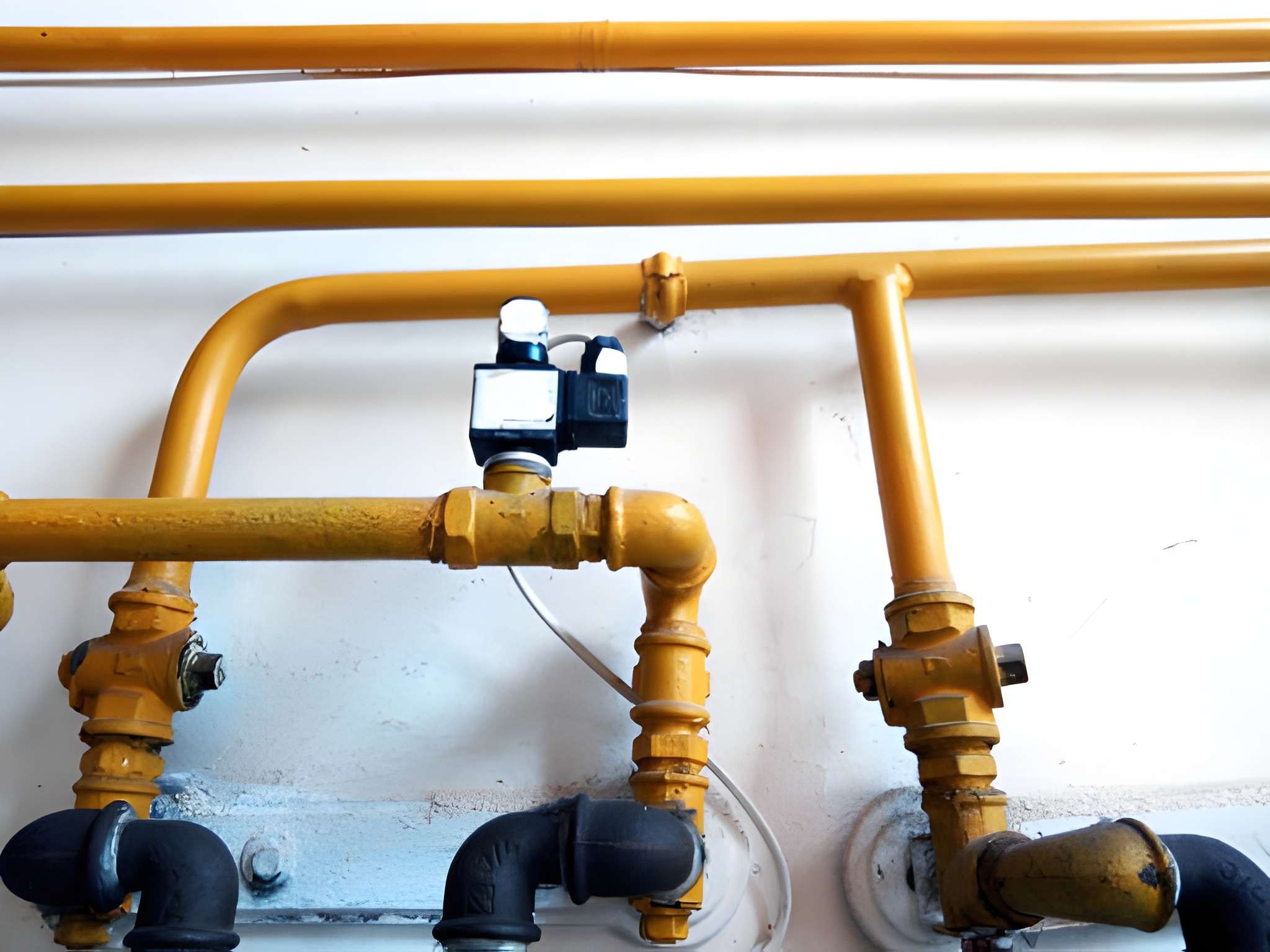
- Rigid steel piping - Durable and long-lasting, commonly used for permanent installations
- Flexible corrugated stainless steel tubing (CSST) - Offers flexibility for routing around obstacles and reduces installation time
- Copper tubing - Sometimes used in specific applications where corrosion resistance is important
- Inside vs. outside routing - We determine whether your gas lines run inside your home or business, or through exterior walls, based on your property layout and local codes
Our team selects materials and routing that balance durability, compliance, and cost-effectiveness for your situation.
Step 5: Professional Installation and Connections
Once materials are selected and permits approved, our experienced technicians install your gas piping system. This includes:
- Proper pipe support and securing to prevent movement or stress on connections
- Correct slope and pitch for gas lines to allow proper drainage and prevent water accumulation
- Safe connections to appliances with appropriate adapters and fittings
- Protective measures to prevent damage from physical contact or environmental exposure
- Careful routing that avoids electrical wiring, plumbing, and other building systems
We take pride in clean, professional workmanship that looks as good as it functions.
Step 6: Pressure Testing and Leak Detection
Before your gas piping system becomes operational, we perform rigorous pressure testing and leak detection. This critical step ensures there are no leaks anywhere in the system that could pose safety risks. Using specialized equipment, we pressurize the system and check every connection, fitting, and joint for leaks. If we detect any issues, they're corrected immediately before the system is placed into service.
Step 7: Safety Checks and System Activation
After leak testing passes, we perform comprehensive safety checks on the entire installation. This includes verifying gas flow rates, checking appliance ignition and operation, confirming proper ventilation, and testing safety shutoff systems. Once everything checks out, we coordinate with your gas utility to activate the system and ensure proper meter setup.
Step 8: Documentation and Warranty
You'll receive complete documentation of your gas piping installation, including as-built drawings, inspection reports, permits, and warranty information. This documentation is important for your records and for any future work on your home or business.
Why Choose Stinson Mechanical for Gas Piping Installation in Detroit, OR
When you're making a decision about who installs your gas piping, you're making a decision about safety and reliability for your home or business. Here's why Stinson Mechanical stands out:
Over 25 Years of Experience - Our team brings decades of combined HVAC and gas line experience to every project. We've installed gas piping systems in hundreds of residential and commercial properties throughout the Willamette Valley.
Honesty and Transparency - We believe in straightforward communication. You'll understand exactly what we're installing, why we're installing it that way, and what it costs. We don't use high-pressure sales tactics or recommend unnecessary work.
Efficient, Professional Workmanship - We keep customers comfortable in an efficient manner, and that applies to our installation work too. We complete projects on schedule, minimize disruption to your property, and ensure everything works optimally from day one.
Code Compliance and Safety Focus - Gas safety isn't something we take lightly. We stay current on Oregon's energy codes and safety regulations, and we design every installation to exceed minimum standards. Proper installation protects your family or business.
Comprehensive Communication - We stay in constant communication with our customers until the job is done. You'll know what's happening, when it's happening, and what to expect next.
Sufficient Stock of Materials - One of our priorities is having enough equipment and parts on hand to complete your project efficiently. This means faster installations and fewer delays caused by waiting for materials.
Residential and Commercial Expertise - Whether you're a homeowner in Detroit, OR installing a new furnace or a commercial property manager upgrading your gas infrastructure, we have the experience to handle your project.
Gas Piping Installation Timeline and What to Expect
The timeline for gas piping installation varies depending on the complexity of your project, but here's what you can generally expect:
Simple installations like adding a single gas line for a new water heater or appliance typically take 4-8 hours, though this depends on factors like distance from the meter, wall construction, and whether permits are pre-approved.
More complex installations involving multiple appliances, significant routing, or new meter installations may take 1-3 days. Commercial projects can require additional time for larger systems, multiple connections, and coordination with building operations.
Permitting and inspections typically add 3-7 days to your overall timeline, depending on local inspection schedules in Detroit, OR. This is why we handle permitting early in the process to keep your project moving.
During the installation process, there will be times when your gas service is interrupted as we work on the lines. We coordinate this carefully to minimize inconvenience, and we always communicate these windows to you in advance. Once the system is pressure tested, leak tested, and inspected, your gas service is restored and your appliances are ready to operate.
Gas Piping Safety Considerations
Safety is paramount when working with gas lines. Here are some important considerations:
Never attempt DIY gas piping installation - Gas line work requires specialized knowledge, proper tools, and understanding of local codes. Even small mistakes can create serious hazards.
Always hire licensed professionals - In Oregon, gas piping work should be performed by experienced, qualified contractors who understand state and local codes.
Know the signs of gas leaks - If you ever smell a distinctive rotten egg or sulfur-like odor near your gas appliances or meter, that indicates a potential leak. Exit the area immediately and call your gas utility's emergency line.
Schedule regular maintenance - Even properly installed gas piping systems benefit from regular inspection and maintenance to ensure ongoing safety and efficiency.
Understand your system - After installation, ask our technicians to explain how your system works, where the shut-off valve is located, and what normal operation sounds and smells like.
Local Considerations for Detroit, OR
Detroit, OR and the surrounding Willamette Valley area has specific characteristics that influence gas piping installation:
The climate in this region means homeowners and businesses rely on efficient heating systems year-round. Proper gas piping installation ensures your heating system operates at peak efficiency during those cold months, helping you keep energy bills under control. Oregon's energy codes are designed to promote efficiency, and our gas piping installations comply with these standards, ensuring your system is optimized for performance.
The mixture of older and newer homes in Detroit, OR means we frequently work with both updated properties and homes requiring code compliance upgrades. Our experience with both situations means we can recommend the right approach for your specific property.
Choosing the Right Gas Piping Installation Partner
Gas piping installation is an investment in your property's safety, comfort, and efficiency. When you choose Stinson Mechanical, you're choosing a local HVAC company in Lyons, OR that specializes in gas furnaces, heat pumps, air conditioners, ductless heat pumps, gas lines, and comprehensive HVAC solutions. We bring expertise, honesty, and a commitment to keeping our customers comfortable in an efficient manner.
If you're considering gas piping installation in Detroit, OR or anywhere in the Willamette Valley, we're here to help. Our team can assess your needs, explain your options, and ensure your gas piping system is installed correctly and safely.