.svg)
.svg)

Natural gas piping is one of those systems that most homeowners and business owners don't think about until something goes wrong. But whether you're building a new home, remodeling your kitchen, adding a new appliance, or maintaining an existing system, having reliable gas piping is essential for safety, efficiency, and peace of mind. At Stinson Mechanical, we've spent over 25 years working with natural gas systems throughout the Willamette Valley, and we know exactly what it takes to install, maintain, and repair gas piping that works safely and efficiently for your home or business in Detroit, OR.
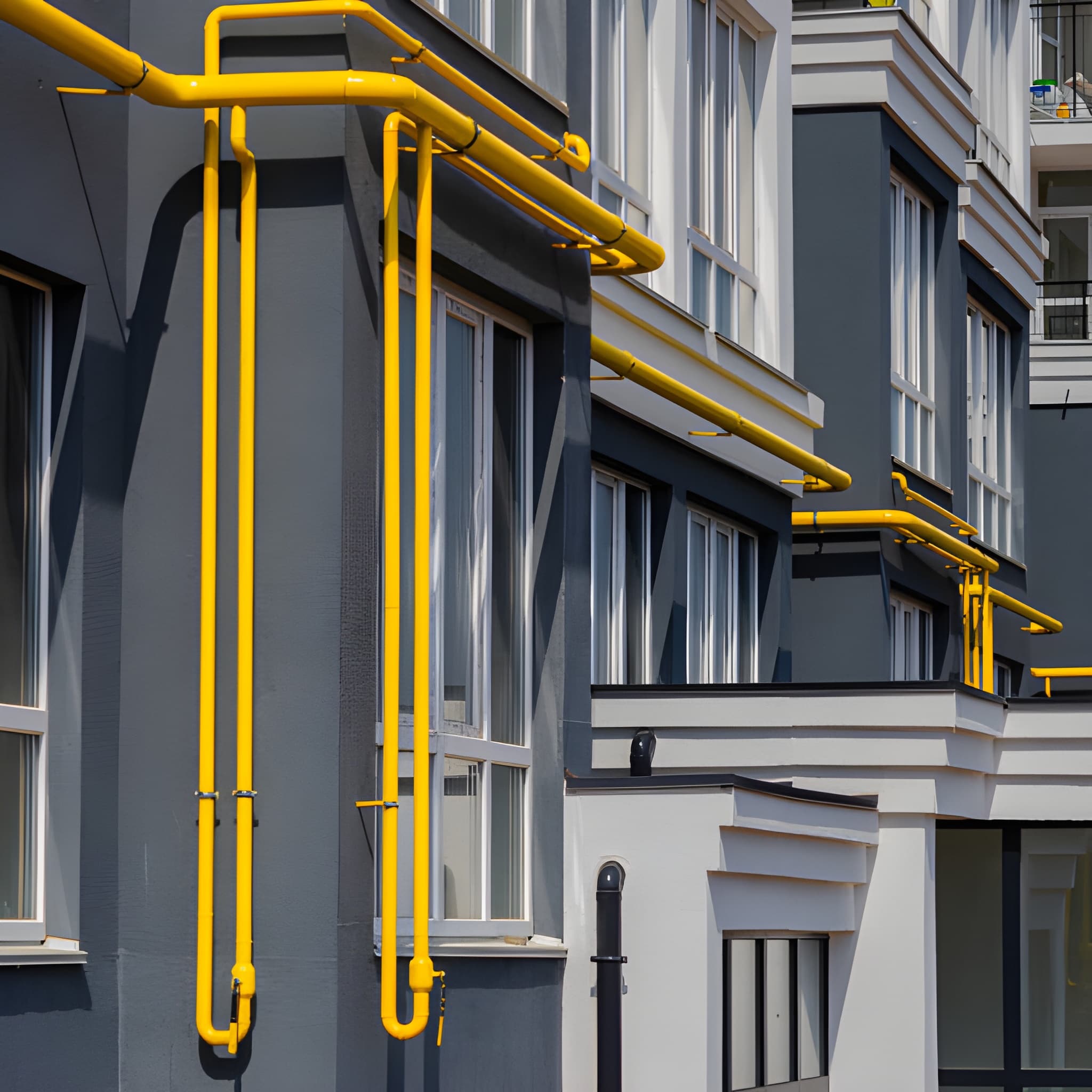
Natural gas piping systems are more complex than most people realize. They require careful planning, precise installation, compliance with local codes, and regular maintenance to ensure everything operates safely. Whether you're dealing with a simple appliance connection or a complete system design for new construction, the stakes are high. That's why you need a team that understands the local code requirements, has the experience to handle any job, and stays committed to honesty and quality service.
Why Natural Gas Piping Matters for Your Detroit, OR Home or Business
Natural gas is an efficient and cost-effective energy source for heating, water heating, cooking, and other applications. But the piping that delivers that gas needs to be installed correctly and maintained properly. Improper installation or neglected maintenance can lead to leaks, safety hazards, inefficient operation, and costly repairs down the road.
In the Detroit, OR area, where winters can be cold and families depend on reliable heating systems, having properly designed and installed natural gas piping is critical. Whether you're upgrading your heating system, adding a new gas appliance, or building from scratch, the piping work has to be done right the first time. That's where our expertise comes in. Stinson Mechanical has the knowledge and experience to handle natural gas piping projects of all sizes, from simple appliance retrofits to complex whole-home system designs.
Natural Gas Piping for New Construction and Remodels
When you're building a new home or undertaking a major remodel in the Detroit, OR area, natural gas piping design is a critical part of the project. This isn't something that should be rushed or left to guesswork. Every appliance that will use natural gas needs to be connected with properly sized piping, the system needs to be designed to handle the total demand, and everything must comply with local codes and standards.
Our approach to new construction and remodel projects is straightforward:
- System Design - We work with you and your builder or contractor to design a gas piping system that meets your appliance needs, fits the layout of your home or business, and complies with all local codes in the Detroit, OR area. We size the piping correctly so gas flows efficiently to every appliance without pressure drops or safety issues.
- Material Selection - We discuss the best materials for your project. Copper, CSST (corrugated stainless steel tubing), and black iron pipe each have advantages depending on your situation. We help you understand the trade-offs so you can make an informed decision.
- Professional Installation - Our technicians handle the complete installation, making sure every connection is secure, every joint is properly sealed, and the entire system is positioned correctly within your walls, crawl spaces, or exterior. We pay attention to details like proper support, clearances from other utilities, and accessibility for future maintenance.
- Code Compliance - Throughout the project, we ensure that every aspect of the installation meets or exceeds the current energy codes and safety standards that apply in the Willamette Valley. We work with local inspectors and coordinate inspections so your project stays on schedule.
Retrofits and Appliance Connections
Maybe you're not building new, but you want to add a gas appliance or replace an existing one. Retrofitting natural gas piping for appliance connections is a common project, and it requires the same attention to detail and code compliance as new construction.
Common retrofit scenarios include:
- Kitchen Upgrades - Adding or replacing a gas range, cooktop, or combination oven requires careful piping design to ensure the gas line reaches the appliance safely and the connection is secure. We handle the complete job, including any modifications needed to get the piping in the right place.
- Water Heater Replacement - When your gas water heater needs replacing, we make sure the new unit is connected properly with the right size gas line. If you're upgrading to a high-efficiency model, we ensure the piping supports the new equipment's specifications.
- Heating System Upgrades - If you're upgrading your furnace or adding a gas fireplace or space heater, we design and install the piping needed to support the new appliance. This includes sizing the gas line correctly and ensuring it integrates seamlessly with your existing system.
- Outdoor Appliances - Gas grills, fire pits, outdoor heaters, and other exterior appliances need piping that can handle outdoor conditions. We use appropriate materials and installation techniques to ensure durability and safety.
Each retrofit starts with an assessment of your existing system and your new appliance needs. We then design the piping route, select the right materials, and complete the installation with full code compliance. If modifications to your main gas line are needed, we handle that too.
Material Options and Their Advantages
When it comes to natural gas piping materials, you have choices, and each has benefits and limitations. Understanding your options helps you make the right decision for your situation.
Copper Piping
Copper is a traditional choice for natural gas piping, and it remains popular for good reasons. Copper is durable, resistant to corrosion, and has been proven reliable over decades of use. It's also relatively easy to work with during installation. The main consideration is cost - copper is the most expensive piping material. In the Willamette Valley's climate, where moisture is common, copper's corrosion resistance is a real advantage. Copper works well for both indoor and outdoor applications.
CSST (Corrugated Stainless Steel Tubing)
CSST is a more modern material that's become increasingly popular for natural gas piping. It's flexible, which means it can be routed around obstacles and through walls more easily than rigid piping. This flexibility often makes installation faster and less disruptive to your home or business. CSST is also less expensive than copper. It's stainless steel, so it resists corrosion well. The key consideration with CSST is that it requires proper bonding and grounding to prevent issues from electrical interference. When installed correctly with appropriate safeguards, CSST performs excellently.
Black Iron Pipe
Black iron pipe is another traditional option, particularly for main gas lines and exterior piping. It's strong, durable, and cost-effective. Black iron has a proven track record and is still widely used in both residential and commercial applications. The main consideration is that it can be subject to rust and corrosion, particularly in moist environments, so it requires proper installation and maintenance. In applications where it's protected from direct weather exposure, black iron performs well and lasts for decades.
Polyethylene Tubing
Polyethylene is sometimes used for gas piping, particularly underground lines. It's flexible and corrosion-resistant. However, it's not suitable for all applications, and local codes in the Detroit, OR area may have restrictions on when it can be used. We assess your specific situation to determine if polyethylene is appropriate for your project.
At Stinson Mechanical, we've worked with all these materials and understand the trade-offs. We'll recommend the best option for your project based on your needs, your budget, and what will provide the longest service life in your specific situation.
Compliance with Local Codes and Inspection Coordination
One of the biggest concerns with natural gas piping work is making sure everything complies with local codes and regulations. In the Detroit, OR area and throughout the Willamette Valley, there are specific requirements for how gas piping must be designed, installed, and tested. These codes exist for good reasons - they keep you safe.
Here's how we handle code compliance:
- Code Knowledge - Our team stays current on all applicable codes and standards for natural gas piping in our service area. We know what the local inspectors are looking for, and we design and install systems that meet or exceed those requirements from the start.
- Permit Coordination - For most gas piping work, you'll need a permit. We handle the permit application process and coordinate with the local authorities having jurisdiction in the Detroit, OR area. This ensures your project is properly documented and scheduled for inspection.
- Inspection Scheduling - We coordinate with local inspectors to schedule required inspections at the appropriate stages of your project. We stay in constant communication with you and the inspector to keep everything on track and prevent delays.
- Pressure Testing - Before your system is put into use, it must be pressure tested to ensure there are no leaks. We perform these tests according to code requirements and provide documentation that your system passed inspection.
- Energy Code Compliance - Stinson Mechanical prioritizes compliance with current energy codes, and we make sure your gas piping system supports energy-efficient equipment and operation. This is particularly important if you're installing high-efficiency appliances that have specific piping requirements.
Taking care of the code and inspection work ourselves means you don't have to worry about whether your project meets requirements. We handle it, and we make sure everything is documented properly.
Testing and Commissioning Your Gas Piping System
Before any natural gas piping system can be put into service, it must be properly tested and commissioned. This process ensures the system is safe, operates at the correct pressure, and works efficiently with your appliances.
The testing and commissioning process includes:
- Pressure Testing - We pressurize the piping system with air or nitrogen to verify there are no leaks. This is done at the pressure the system will actually operate under, and we measure the pressure over time to ensure it holds steady. Any pressure drop indicates a leak that must be found and repaired.
- Leak Detection - If the pressure test shows a drop, we use specialized leak detection methods to find exactly where the problem is. Soapy water applied to joints will bubble if gas escapes. Once we locate any leaks, we repair them and retest.
- Appliance Connection Verification - We verify that each gas appliance is connected correctly, that gas flows properly to the appliance, and that it operates as designed. We check for proper venting, correct pilot light operation, and any other appliance-specific requirements.
- Pressure Regulation Check - We verify that the pressure regulator is functioning properly and delivering gas at the correct pressure to your appliances. Proper pressure is essential for both safety and efficient operation.
- Documentation - We provide you with complete documentation of all testing and commissioning work. This documentation is important for your records and for any future service or inspection needs.
Once testing and commissioning are complete, your system is ready to provide reliable, safe natural gas service to your Detroit, OR home or business.
Routine Inspection and Maintenance Plans
Natural gas piping systems don't require constant attention, but they do benefit from regular inspection and maintenance. Regular inspections can catch small issues before they become big problems, ensure your system remains safe, and keep everything operating efficiently.
A routine maintenance plan for natural gas piping typically includes:
- Annual or Seasonal Inspections - We recommend having your gas piping inspected at least once per year, ideally at the beginning of the heating season. During these inspections, we look for signs of corrosion, leaks, loose connections, or any other issues that need attention.
- Appliance Connections Check - We inspect all connections between your piping and appliances to make sure they're secure and show no signs of problems. Loose connections are a common source of minor leaks and inefficient operation.
- Pressure Testing - Periodic pressure testing helps verify that your system remains leak-free. If any pressure loss is detected, we investigate and repair the problem.
- Visual Inspection for Corrosion - Depending on your piping material and installation location, we check for any signs of corrosion or deterioration that might affect system integrity.
- Appliance Performance Verification - We verify that each appliance is operating correctly and receiving gas at the proper pressure. This is part of overall heating system maintenance if you have a gas furnace or other heating equipment.
- Code Compliance Updates - If there have been changes to local codes or standards, we'll discuss any upgrades or modifications that might be recommended to keep your system fully compliant.
Regular maintenance is particularly important in the Willamette Valley, where moisture and seasonal changes can affect system performance. Stinson Mechanical can set up a maintenance schedule that works for your situation, whether that's a simple annual inspection or more frequent checks if your system requires it.
Safety Best Practices for Homeowners and Businesses
While professional installation and maintenance are essential, there are safety practices that you as a homeowner or business owner should understand about your natural gas piping system.
Never Ignore the Smell of Gas
Natural gas is naturally odorless, but utility companies add a distinctive smell so leaks can be detected. If you smell gas in your home or business, it's a potential safety issue. Leave the area, don't use electrical switches or create sparks, and call your gas utility's emergency line immediately. If it's a piping or appliance issue, you can contact us, but your gas utility should be your first call when you smell gas.
Know Where Your Gas Shutoff Is
You should know where your main gas shutoff valve is located. In an emergency, you may need to shut off the gas quickly. The shutoff is typically at the meter or where the gas line enters your building. Know how to operate it, but don't shut it off unless there's a genuine emergency - call your gas utility or emergency services first.
Don't Attempt DIY Gas Line Repairs
Natural gas piping must be handled by qualified professionals. Don't attempt to repair leaks, modify connections, or install new piping yourself. Gas piping work requires proper permits, inspection, and specialized knowledge. Any mistakes can be dangerous.
Get Regular Inspections
Have your gas piping and appliances inspected regularly by a qualified HVAC technician. Regular inspections catch problems early before they become safety hazards. If you have an older home or an older gas system, inspections are especially important.
Ensure Proper Venting
Gas appliances produce exhaust that must be vented safely outside your home or business. Make sure venting pipes aren't blocked, damaged, or improperly installed. Poor venting can allow carbon monoxide or other combustion products to accumulate indoors, which is a serious safety hazard.
Test for Carbon Monoxide
If you have gas appliances in your home, install a carbon monoxide detector and test it regularly. Carbon monoxide is colorless and odorless, but it's dangerous. A CO detector will alert you if levels become unsafe.
Schedule Professional Service
When you need natural gas piping work, schedule it with Stinson Mechanical or another qualified HVAC company. We have the training, tools, and expertise to do the job safely and compliantly. Over 25 years of HVAC experience means we've handled every type of gas piping situation, and we know how to do it right.
Why Choose Stinson Mechanical for Your Natural Gas Piping Needs in Detroit, OR
When it comes to natural gas piping in the Detroit, OR area, Stinson Mechanical brings together experience, honesty, and commitment to quality that you can trust. Here's what sets us apart:
Experience and Expertise
Our team brings over 25 years of HVAC experience to every project. We've designed and installed natural gas piping systems for hundreds of homes and businesses throughout the Willamette Valley. We've seen every type of challenge, and we know how to solve them efficiently and correctly.
Honesty and Transparency
We believe in being straight with our customers. We explain what needs to be done, why it needs to be done, and what your options are. We don't push unnecessary work or use high-pressure sales tactics. We focus on what's best for you and your system.
Code Compliance and Inspection Coordination
We handle all the code compliance and inspection coordination work. You don't have to worry about whether your project meets local requirements - we make sure it does. We stay current on energy codes and standards, and we coordinate with local inspectors to keep your project on schedule.
Quick Service and Stocked Parts
We maintain sufficient stock of equipment and repair parts so we can respond quickly when you need service. For many repairs, we can complete the work in one or two hours rather than making multiple trips or waiting for parts to arrive. That means less disruption to your daily life.
Energy Efficiency Focus
Stinson Mechanical prioritizes energy-efficient solutions. When you're upgrading your gas piping or installing new appliances, we help you choose systems and equipment that will keep you comfortable while minimizing energy costs. Efficient gas piping and modern appliances save you money over time.
Flexible Financing
We understand that HVAC and gas piping projects are investments. We offer flexible financing through Synchrony so you can spread the cost over time. Ask us about financing options for your project.
Local Service in the Willamette Valley
We're a local company serving the Detroit, OR area and the broader Willamette Valley. We understand local conditions, local codes, and local customer needs. When you work with Stinson Mechanical, you're working with neighbors who care about your comfort and safety.
Getting Started with Your Natural Gas Piping Project
If you're planning a new construction project, a remodel that includes gas appliances, a retrofit or appliance connection, or if you need to inspect and maintain your existing gas piping system, Stinson Mechanical is ready to help. We serve homeowners and businesses throughout the Detroit, OR area and the Willamette Valley.
The first step is a free quote and assessment of your project. Contact us at 503-689-4021 or reach out through our website to schedule a consultation. We'll discuss your needs, answer your questions, explain your options, and provide you with a clear picture of what your project will involve.
We stay in constant communication with our customers until the job is done, so you'll know exactly what's happening at every stage of your project. Whether you need design consultation for new construction, appliance retrofit work, system inspection and maintenance, or emergency gas line repair, Stinson Mechanical has the expertise and commitment to quality that makes the difference.
Your natural gas piping system is too important to trust to just anyone. Choose Stinson Mechanical and experience the difference that experience, honesty, and expertise can make.