.svg)
.svg)

When you're planning a new construction project or adding gas-powered appliances to your Independence, OR home or business, proper gas piping installation is one of the most critical decisions you'll make. Gas lines are the backbone of efficient heating, cooking, and hot water systems, but they require expert installation to ensure safety, compliance, and long-term reliability. At Stinson Mechanical, we bring over 25 years of HVAC experience to every gas piping project, combining honest workmanship with code-compliant practices that keep your system running safely and efficiently.
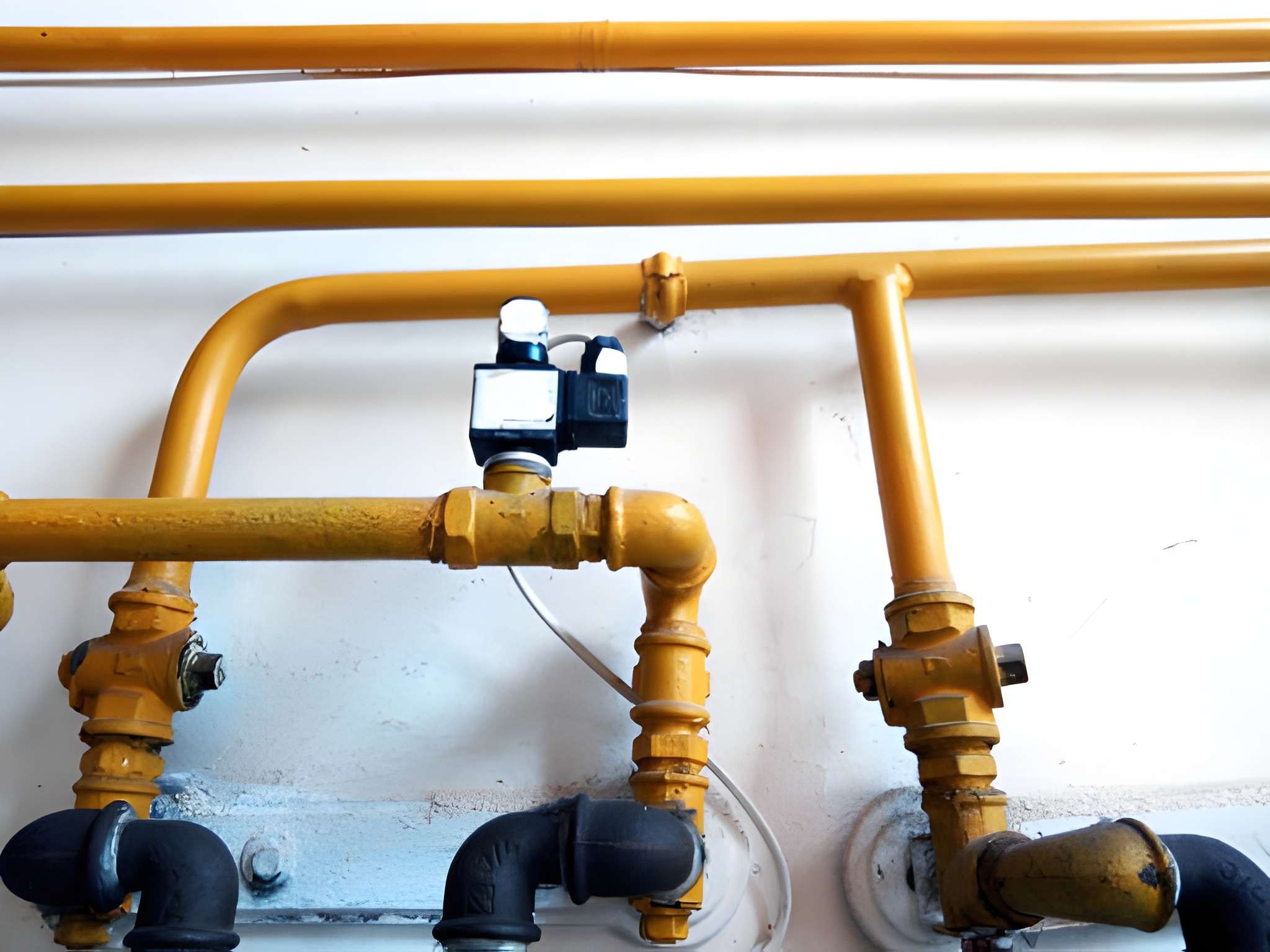
Gas piping isn't something you can cut corners on. The stakes are too high. From the initial site assessment through final inspection and pressure testing, every step matters. Whether you're building a new home in the Willamette Valley, renovating an existing property, or expanding a commercial facility, understanding the gas piping installation process helps you make informed decisions and work with a contractor who knows what they're doing. We're here to walk you through what to expect and explain why we approach each project the way we do.
Understanding Your Gas Piping Needs
Before any digging or routing happens, we need to understand exactly what your project requires. Every installation is different, and the right approach depends on your specific situation. Are you installing a new furnace system? Adding a gas range or water heater? Expanding a commercial kitchen? Each application has its own load requirements and routing considerations.
Our first step is a thorough site assessment where we evaluate your property layout, identify the most efficient routing for gas lines, and determine what materials and methods will work best for your situation. We look at factors like:
- Distance from the meter or main gas supply line to where appliances will be located
- Whether routing will be underground, through interior walls, or a combination of both
- Existing infrastructure and potential obstacles
- Local terrain and soil conditions specific to the Independence and Salem area
- Future expansion possibilities and long-term efficiency
This assessment also includes load calculations - a critical step many contractors rush through. Load calculations determine the exact diameter and material specifications your gas lines need to handle the combined demand of all connected appliances. Too small, and your equipment won't get adequate gas supply. Too large, and you're paying for unnecessary materials and creating inefficiencies. We get this right from the start.
Material Options and Code Compliance
You have several material options for gas piping, and each has specific applications and code requirements that vary by location and installation type. Understanding these options helps you make the best choice for your project.
Corrugated Stainless Steel Tubing (CSST) is flexible, easy to install, and works well for many indoor applications. It's particularly useful when routing through walls or around obstacles. CSST requires special transition fittings at the meter and appliance connections, and it must be properly bonded for electrical safety. For residential installations in Independence and the surrounding Willamette Valley area, CSST is often the most practical choice.
Rigid black iron pipe is the traditional standard for gas piping and offers excellent durability and longevity. It's strong, reliable, and can handle high-pressure applications, making it ideal for commercial installations or when lines run underground or through demanding environments. Black iron requires threaded connections and more labor-intensive installation, but the result is rock-solid and built to last decades.
Copper tubing works for some gas applications, though it's less common than CSST or black iron. It's often used for specific commercial or specialized residential applications. Local codes in Oregon determine whether copper is acceptable for your project.
We stay current with Oregon's energy codes and local Independence building requirements. Gas piping standards have evolved over the years, and newer installations must meet current safety and efficiency standards. We handle all the code compliance details so you don't have to worry about whether your system will pass inspection. Our knowledge of what works in this region - and what the inspectors expect - means your project moves forward smoothly.
The Permit and Inspection Process
Gas piping installation always requires permits and inspections. This isn't bureaucratic red tape - it's the mechanism that protects your safety and your investment. We handle permit procurement as part of our service, which means we manage the paperwork, schedule inspections, and coordinate with local authorities on your behalf.
Here's what the typical process looks like:
- We prepare detailed plans and specifications for your installation
- We submit permit applications to the appropriate Independence or Marion County permitting office
- We pay required permit fees and maintain all documentation
- We schedule inspections at the required stages (before concealment and after completion)
- We coordinate inspection timing with the inspector to ensure everything is checked and approved
The inspection process typically includes checks at two critical points: before any underground lines are covered or walls are closed, and after the system is complete and pressure-tested. Inspectors verify that materials meet code, connections are secure, sizing is correct, and all safety protocols have been followed. Our experience means we anticipate what inspectors will look for and ensure everything is inspection-ready the first time.
Underground Trenching and Interior Routing
The path your gas lines take depends on your property layout and the specific application. Some projects require underground routing from the main meter to distant appliances or buildings. Others involve interior wall routing in new construction or renovations.
Underground installations require careful planning. We assess soil conditions, depth requirements, and protection methods specific to the Independence area. In the Willow Valley region, soil types and frost depth considerations inform how we trench and protect underground lines. We use appropriate sleeving materials where lines pass under driveways or through areas subject to ground movement. Trenching depth follows Oregon code requirements - typically 18-24 inches depending on the specific application and whether the line will be under roadways or in normal yard space.
We also locate existing utilities before any digging begins. This is a non-negotiable safety step. One call to Oregon Dig Safe ensures we know where electrical, water, sewer, and other utilities are located before we break ground. It's a simple step that prevents catastrophic damage.
Interior routing in new construction or renovations offers flexibility in placement. We run lines through walls, along framing, or under floors depending on what makes sense for your layout and appliance locations. In new construction, interior routing happens before drywall installation, allowing us to run lines efficiently through framing. In renovations, we work within existing structures while minimizing disruption to your home or business.
Interior lines must be protected at penetration points and secured properly to prevent damage. We use appropriate materials and spacing to keep lines secure and accessible for future service needs. Our approach prioritizes both safety and aesthetics - you won't see loose or haphazardly routed lines in our installations.
Appliance Tie-ins and System Connections
Once your gas lines are in place and properly routed, the next phase involves connecting them to your specific appliances. This is where precision matters. Every connection point must be gas-tight, properly sealed, and safely configured for the specific appliance it serves.
For furnaces, water heaters, ranges, fireplaces, or other gas appliances, we make the final connections using appropriate fittings and sealants. Each connection is made according to manufacturer specifications for that particular appliance. We verify appliance specifications before installation to ensure our line sizing and connections match what the equipment requires.
Proper connections include:
- Correct fitting types and sizes for each appliance
- Secure, gas-tight seals using approved compounds or tape
- Flexible connectors where appropriate to isolate vibration
- Proper valve placement for safety and maintenance access
- Line supports and securing that prevent strain on connections
- Clear labeling of all lines and connections for future reference
After all connections are complete, we perform comprehensive pressure testing to verify the integrity of every joint, fitting, and sealed connection. This testing happens before appliances are fired up and before the system is put into service.
Pressure Testing and Leak Detection
Pressure testing is the definitive verification that your entire gas piping system is safe and ready for use. This involves pressurizing the system and carefully monitoring for any loss of pressure that would indicate a leak.
We use specialized pressure testing equipment that allows us to apply consistent pressure and track any changes over an extended period. The testing protocol differs slightly based on whether we're testing residential or commercial systems and the specific line size, but the principle is the same: no leaks means no safety issues.
During pressure testing, we:
- Pressurize the system to a safe test pressure above operating pressure
- Monitor the system over an extended period to ensure pressure holds steady
- Use leak detection methods including soapy water solutions and electronic detection to identify any escaping gas
- Document all test results for the inspection record
- Make any necessary repairs if leaks are detected and retest until the system passes
Once pressure testing is complete and all leaks are sealed, we perform final safety checks. We verify that all connections are secure, appliances are configured correctly, and the system operates as designed. We check for proper ignition, flame color, and heat output on each connected appliance to ensure everything is functioning optimally.
Safety Checks and Odor Verification
Beyond pressure testing, we perform thorough safety checks to ensure your system is protected against hazards and operates reliably. These checks include:
Vent and flue inspection - For furnaces and water heaters, proper venting is essential to ensure combustion byproducts exit safely outside. We verify that all venting is clear, properly sized, and sloped correctly for efficient exhaust.
Combustion air verification - Gas appliances need adequate air for proper combustion. We ensure that appliance spaces have sufficient fresh air supply and that nothing is blocking combustion air sources.
Gas odor addition - Natural gas is naturally odorless, so gas companies add mercaptan (a chemical that smells like rotten eggs) so leaks can be detected by smell. We verify this odor is present and noticeable at the meter and throughout the system.
Regulator and valve function - We test pressure regulators, shut-off valves, and safety devices to ensure they operate smoothly and reliably.
Appliance-specific safety features - Each appliance has built-in safety devices. We verify these function correctly and won't create hazards or premature shutdowns.
These checks protect you from carbon monoxide risks, gas leaks, improper combustion, and other safety hazards. They're not optional steps - they're fundamental to responsible gas piping installation.
Timelines and Project Planning
Gas piping installation timelines depend on several factors unique to your project. Understanding these helps you plan your schedule realistically.
Assessment and planning phase typically takes 3-5 business days. This includes our site visit, load calculations, material selection, and permit preparation. During this phase, we're also gathering any necessary documentation and scheduling with local permitting offices.
Permit approval varies depending on the jurisdiction and how quickly Marion County or Independence processes applications. Typically, you can expect 5-10 business days for permit approval, though complex commercial projects may take longer. We keep you updated on permit status throughout this process.
Installation itself varies widely. A straightforward residential installation with accessible routing might take 1-3 days. A more complex project with extensive underground trenching, multiple buildings, or intricate interior routing might take 5-10 days or longer. We provide realistic timelines once we understand your specific project scope.
Inspection scheduling happens around your installation timeline. We coordinate with the inspector to schedule inspections at the right moments - before we cover underground lines and again after the system is complete. Most inspections happen within 1-3 business days of scheduling.
Total project duration from initial contact through final inspection and approval typically ranges from 3-4 weeks for residential projects and 4-8 weeks for larger commercial installations. We provide a detailed timeline specific to your situation during the planning phase so you know what to expect.
Factors That Influence Project Cost
While we don't discuss specific pricing on this page, understanding the factors that influence gas piping costs helps you make informed budgeting decisions and recognize the value of proper installation.
Distance and routing complexity significantly impact costs. A short, straightforward run from a meter to an appliance costs less than extensive underground trenching or complex interior routing through finished spaces. Projects requiring coordination with existing obstacles or utility protection require more labor and materials.
Material selection affects both upfront costs and long-term value. CSST installations typically have lower material costs than rigid black iron but may have different long-term considerations. We discuss material trade-offs with you based on your project needs and budget.
Appliance load requirements determine the diameter and quantity of piping needed. Higher-demand applications requiring larger diameter lines or redundant runs cost more than smaller systems. Proper load calculations ensure you're neither over-specifying nor under-sizing.
Permits, inspections, and compliance add to the project cost, but they're essential. Proper permitting protects your investment and ensures your system meets current codes. We factor these costs into our project planning.
Site conditions influence labor requirements. Easy access, clear routing paths, and minimal obstacles keep costs reasonable. Difficult terrain, poor soil conditions, or complications discovered during installation may increase costs beyond initial estimates.
Timeline flexibility can affect costs. Rush installations or tight scheduling may require additional labor or coordination efforts. Standard timelines allow us to work efficiently and keep costs reasonable.
We provide transparent estimates that break down these factors so you understand what you're paying for and why. Our approach is honest about cost drivers - we won't cut corners to artificially reduce pricing, and we won't over-specify components you don't need.
Energy Efficiency and Long-Term Savings
Proper gas piping installation isn't just about immediate functionality - it impacts your long-term energy efficiency and operating costs. Correctly sized piping ensures your furnace, water heater, and other appliances receive adequate gas supply to operate at peak efficiency. Lines that are undersized force appliances to work harder, reducing their efficiency and increasing your energy bills.
Proper installation also prevents energy losses through inefficient routing or undersized lines that create pressure drops. This means your heating system operates as designed, delivering the comfort you expect while minimizing energy waste.
For homeowners in Independence and the broader Willamette Valley, efficient gas systems translate to lower heating costs during our winter months and more consistent comfort year-round. For commercial applications, efficiency improvements directly impact operating expenses and bottom-line profitability.
Additionally, proper installation ensures your system will operate reliably for 20+ years with minimal issues. This longevity protects your investment and means you won't face unexpected replacement costs prematurely.
Why Stinson Mechanical for Your Gas Piping Installation
At Stinson Mechanical, we approach every gas piping installation with the same commitment to honesty, efficiency, and quality that defines our entire business. We're a local HVAC company in Lyons, OR, and we serve Independence, the Salem area, and throughout the Willamette Valley. We understand the specific conditions, code requirements, and customer needs of this region.
Our team brings over 25 years of combined HVAC experience to every project. We stay current with Oregon's evolving energy codes and local building requirements. We maintain strong relationships with permitting officials and inspectors, which means smoother approval processes and fewer surprises during inspection.
We stay in constant communication with our customers until the job is done. That means you'll know what's happening at each stage, understand what we're doing and why, and feel confident that your project is in capable hands. We prioritize your comfort and peace of mind alongside the technical requirements of your installation.
Whether you're building new, renovating existing property, or expanding a commercial operation, gas piping done right sets the foundation for years of reliable, efficient operation. We're here to make sure your system is installed correctly, complies with all applicable codes, and delivers the performance you expect.