.svg)
.svg)

Natural gas piping is one of the most essential yet often overlooked systems in a home or commercial building. Whether you're installing a new gas furnace, connecting appliances, or upgrading an older system, the quality of your gas piping directly impacts your safety, efficiency, and peace of mind. In Independence, OR, where reliable heating and hot water are necessities rather than luxuries, having properly installed and maintained gas lines is crucial. At Stinson Mechanical, we specialize in natural gas piping services that keep your systems running safely and efficiently, with the honesty and attention to detail that our customers have trusted for over 25 years.
Why Natural Gas Piping Matters in Independence, OR
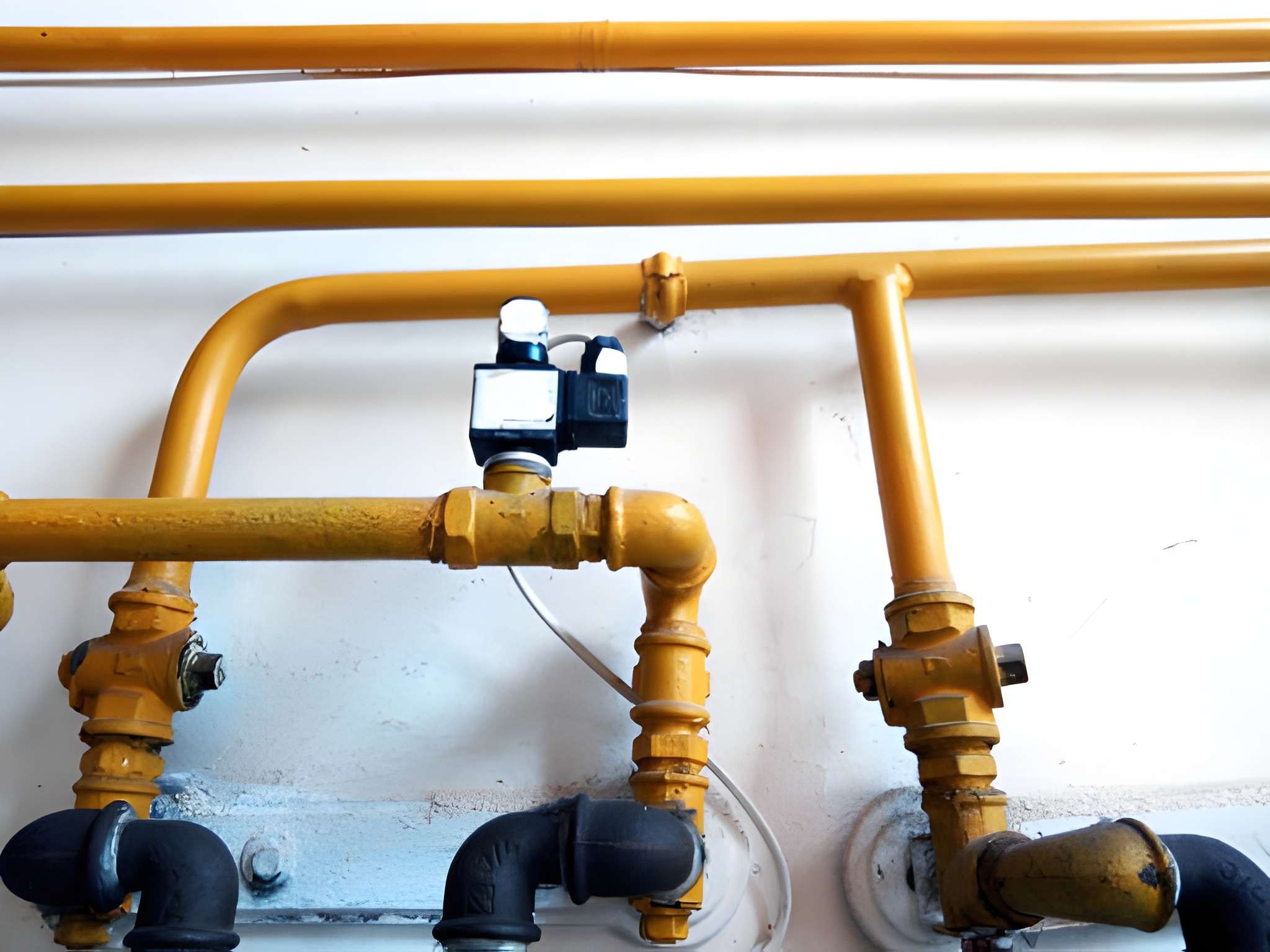
Natural gas piping might seem straightforward on the surface, but it's actually a complex system that requires expertise, attention to local codes, and a commitment to safety. In Independence and the surrounding Willamette Valley area, many homes and businesses rely on natural gas for heating, water heating, and cooking. When these systems aren't properly installed or maintained, you risk inefficiency, safety hazards, and costly repairs down the road.
The climate in our region demands dependable heating systems. Cold winters mean your gas furnace and hot water heater work overtime, putting stress on your piping infrastructure. If your gas lines are undersized, corroded, or installed incorrectly, you'll experience poor performance, wasted energy, and potentially dangerous situations. That's why we take gas piping seriously - it's not just about comfort, it's about keeping your family or business safe while saving you money on energy bills.
New Gas Line Installation and System Design
When you're building a new home, commercial property, or adding new gas appliances to an existing structure, proper gas line installation is foundational. Our approach at Stinson Mechanical focuses on three priorities: honesty, keeping you comfortable in an efficient manner, and ensuring everything complies with current energy codes and safety standards.
Design and Planning
Before we install a single fitting, we work with you to understand your needs. Are you installing a new gas furnace? Adding a gas water heater? Planning a full kitchen renovation with gas cooking equipment? Each scenario requires a different approach. We assess your building layout, calculate the proper pipe sizing based on your appliances' BTU requirements, and design a system that meets all local codes in Independence and surrounding areas.
Proper sizing is critical. Many homeowners don't realize that undersized gas lines cause pressure drops, which leads to appliances not reaching full efficiency. Oversized lines, on the other hand, waste materials and money. We calculate exact sizing based on the appliances you're installing, ensuring optimal performance from day one.
Code Compliance and Permits
One of the most important aspects of natural gas piping work is compliance with local codes and safety standards. In Oregon, gas installations must meet specific requirements set by the state and local authorities in Independence. We handle all the complexity so you don't have to worry about it.
This includes obtaining proper permits, scheduling inspections with local building officials, and ensuring every connection meets safety standards. Our experience with Independence, OR building codes means we know exactly what inspectors are looking for and how to get your system approved quickly. We stay in constant communication with our customers until the job is done, keeping you informed about permits, inspection schedules, and timeline expectations.
Material Quality and Installation Standards
We stock quality materials and parts specifically chosen for durability and performance. We don't cut corners on materials or installation methods. Gas piping typically involves copper tubing or approved plastic piping (depending on your system and local requirements), proper fittings, and secure connections. Every connection is pressure-tested to ensure there are no leaks before we consider the job complete.
Our technicians follow industry best practices and manufacturer specifications for every installation. This attention to detail is what separates a quick job from a job done right - and with gas systems, there's no such thing as "close enough."
Gas Line Conversions and Appliance Hookups
Maybe you're not starting from scratch. Perhaps you have an older home in Independence without gas service, or you're upgrading your heating system from electric to gas. Converting systems or adding new appliance hookups requires the same expertise as new installations, but with additional considerations.
Converting to Gas Heating
Many homeowners in the Willamette Valley area choose to convert from electric heating to gas furnaces because of energy efficiency and cost savings. This is a smart move in our climate, but it requires extending gas lines to the furnace location, ensuring adequate ventilation, and connecting the system properly.
We assess your home's layout, determine the best routing for gas lines to minimize visual impact and maximize efficiency, and complete the installation with full compliance to local codes. If you're upgrading from an older gas furnace to a new, high-efficiency model, we make sure your gas line can support the new system's requirements.
Adding Gas Appliances
Perhaps you're renovating your kitchen and want to add a gas range, or you're upgrading your water heater to a gas-fired model. Each appliance needs a properly sized gas line connection, a shut-off valve, and correct venting (if applicable). We handle the full installation, from running the gas line to testing the connection and ensuring the appliance operates safely and efficiently.
Many homeowners try to DIY these connections or hire someone unfamiliar with gas safety standards. This is where problems start. Improper connections lead to gas leaks, carbon monoxide risks, and poor appliance performance. Let our experienced technicians handle it right the first time.
Routine Inspection and Maintenance
Installation is just the beginning. Over time, gas piping systems require inspection and maintenance to stay safe and efficient. In Independence, OR, where temperatures fluctuate seasonally, gas lines experience stress from expansion and contraction. Corrosion, vibration, and age can all take a toll on your system.
What We Check During Inspections
When we perform a gas piping inspection, we're looking for several key issues:
- Leaks: Using specialized equipment, we detect even small leaks that might not be obvious to the naked eye. Gas leaks are serious and need immediate attention.
- Corrosion: Older copper or steel piping can corrode over time, weakening the pipes and risking leaks or cracks.
- Proper connections: We verify that all fittings are tight, secure, and correctly installed.
- Ventilation: For appliances that produce combustion gases, proper venting is critical. We ensure nothing is blocking vents.
- Shut-off valves: We check that manual shut-off valves operate smoothly and are accessible in case of emergency.
- Pressure levels: We test gas pressure to ensure it's within proper ranges for optimal appliance performance.
Seasonal Maintenance
In our region, we recommend checking your gas system before the heating season begins - typically in fall - and again in spring as things warm up. This catches any issues before they affect your comfort or safety. Spring maintenance also ensures your water heater and other gas appliances are ready for summer use.
Our technicians will let you know if we find any issues requiring immediate attention versus issues that can be scheduled later. We prioritize your safety, so if there's a potential hazard, we'll address it right away.
Long-Term System Health
Proper maintenance extends the life of your gas piping system and the appliances connected to it. A well-maintained system runs more efficiently, uses less energy, and costs less to operate. This directly translates to lower energy bills - one of the biggest concerns for our customers in Independence and throughout the Willamette Valley.
Common Gas Piping Problems and Solutions
Over our 25 years of HVAC experience, we've seen plenty of gas piping issues. Understanding common problems helps you recognize when something's wrong and when to call for service.
Gas Leaks
The most serious issue is a gas leak. Signs include a distinctive rotten egg smell (utilities add this odor so leaks are detectable), hissing sounds near connections, dead plants around outdoor vents, or a persistent smell of gas in your home. If you suspect a leak, don't use any electrical switches, don't light matches, and don't ignore it. Call your gas utility's emergency line immediately, then call us for repairs once it's deemed safe.
Small leaks often occur at connection points where fittings have loosened over time. We can tighten these connections and re-test to confirm the leak is sealed. Larger leaks or leaks in the piping itself may require section replacement.
Low Gas Pressure
If your furnace isn't heating adequately or your gas range burners seem weak, low gas pressure could be the culprit. This might indicate a leak somewhere in the line, undersized piping, or a problem at the meter or regulator. We test pressure throughout your system to pinpoint the issue and fix it.
Corrosion and Deterioration
Older gas lines, especially uncoated steel pipes, can corrode from the inside out. You might not see problems until a leak develops. If your home has older gas piping, we recommend having it inspected. In some cases, we recommend replacing sections of deteriorated pipe as a preventive measure.
Improper Venting
Gas furnaces and water heaters produce combustion gases that must be vented safely outside. If venting is blocked or improperly installed, carbon monoxide can accumulate in your home - a serious health hazard. During inspections, we verify that all venting is clear and properly configured.
Frozen or Condensation-Damaged Lines
In our cold climate, gas lines that run through uninsulated spaces can develop condensation issues or even freeze. While gas itself won't freeze, water vapor in the line can freeze and block gas flow. Proper insulation and drainage in your piping system prevent this.
The Installation Process
Understanding what happens when we install natural gas piping helps you appreciate the work involved and why it takes proper expertise.
Step 1: Assessment and Planning
We start by evaluating your property, understanding what appliances need gas connections, and assessing existing infrastructure. We locate existing gas lines, identify the best route for new lines, and plan for proper support and protection of the piping.
Step 2: Permitting
Before any physical work begins, we obtain the necessary permits from Independence and local authorities. This includes submitting plans and specifications for review. We handle this administrative work so you don't have to navigate the system.
Step 3: Gas Line Installation
We run the gas lines according to code, using approved materials and methods. For new construction or major installations, this might involve running lines through walls, under floors, or along the exterior of your building. We protect lines with proper support, securing them every few feet to prevent movement and stress.
For copper lines, we make careful bends and connections using appropriate fittings. For approved plastic piping, we follow manufacturer specifications exactly. Every joint is made secure and tested.
Step 4: Connection to Appliances
Once the main lines are in place, we connect each appliance - furnace, water heater, range, etc. Each connection includes a shut-off valve so that individual appliances can be serviced without shutting off gas to the whole house. We test each connection carefully.
Step 5: System Testing and Pressure Check
Before we're done, we pressurize the entire system and test it for leaks using specialized equipment. We check every fitting, every connection, and every length of pipe. Only after confirming there are absolutely no leaks do we consider the job complete.
Step 6: Inspection and Final Approval
We schedule the required inspection with local building officials. Our experience with Independence codes and inspectors means we know exactly what will be checked. We pass the first time because we've done it right.
Why Choose Stinson Mechanical for Natural Gas Piping
Natural gas piping isn't something you want to trust to just anyone. It's a safety-critical system that demands expertise, attention to detail, and a commitment to doing things right.
Our approach is built on honesty. We won't tell you that you need work you don't need, and we won't cut corners on work that matters. We assess your situation honestly and recommend solutions that actually solve your problem while respecting your budget.
We prioritize keeping you comfortable in an efficient manner. That means we design systems that work well and run economically. We don't just install piping - we ensure it's sized correctly, connected properly, and optimized for your specific situation.
We maintain sufficient stock of equipment and repair parts. This isn't just talk - it's one of our core operational principles. When you need service or repairs, we don't have to order parts and come back later. We're stocked and ready, so your system gets fixed quickly, minimizing disruption to your life or business.
Our team brings over 25 years of collective HVAC experience. We've installed, maintained, and repaired countless gas systems in Independence, the Willamette Valley, and beyond. We've seen what works, what fails, and what stands the test of time. That experience is invaluable.
We stay in constant communication with our customers until the job is done. You'll know what to expect, when to expect it, and how much it will cost before we start. No surprises, no hidden issues discovered mid-job that change the scope - we plan properly upfront.
Natural Gas Piping for Commercial Properties
Commercial buildings in Independence and the surrounding area often have more complex natural gas piping needs than residential homes. Whether you're running a restaurant, office building, manufacturing facility, or other commercial operation, we handle gas piping installations and maintenance at your scale.
Commercial systems often require larger diameter lines to handle multiple appliances, redundant shut-off systems, more complex venting arrangements, and compliance with commercial building codes. We're experienced in commercial HVAC and gas work, understanding the unique demands and safety requirements of business operations.
Energy Efficiency Through Proper Gas Piping
One of the key ways to save money on energy bills is ensuring your gas system operates at peak efficiency. Properly installed and maintained gas piping is foundational to this. When lines are correctly sized, when connections are tight and leak-free, and when appliances receive the right gas pressure, everything runs efficiently.
An inefficient gas furnace or water heater might waste 10-20% or more of the energy you're paying for. Over a heating season in Independence, OR, that can mean hundreds of dollars in wasted money. Proper piping ensures your investment in modern, efficient appliances delivers the savings you expect.
Common Questions About Natural Gas Piping
Many homeowners and business owners have similar questions about gas piping. Here are some of the most common concerns we address:
How do I know if my gas piping needs replacement?If your home was built before the 1980s, your gas piping might be old steel pipe that's susceptible to corrosion. If you've had repeated leaks, if you smell gas, or if your appliances seem to perform poorly, these are signs that inspection and possibly replacement are needed. We can assess your system and recommend the best approach.
Can I install gas piping myself?Gas piping installation requires permits, inspections, and compliance with specific codes. Most jurisdictions don't allow unpermitted gas work. More importantly, improper installation can create serious safety hazards. Leave this to licensed professionals.
How often should my gas piping be inspected?We recommend having your system inspected at least once yearly, ideally before the heating season. If you notice any signs of problems, don't wait - call us right away.
What's the lifespan of gas piping?Modern copper gas piping can last 50+ years if properly installed and maintained. Older steel piping might last 40-50 years. Plastic piping, approved for use in many applications, can last indefinitely if protected from UV and physical damage. Proper maintenance extends the life of any system.
Do I need to shut off my gas during certain situations?Yes. If you smell gas, if there's evidence of a leak, or if you're doing work on your home that might affect gas lines, shut off the gas at the meter. Never attempt to repair a gas line yourself - always call a professional.
Is natural gas safe?Natural gas is very safe when properly installed and maintained. The rotten egg smell utilities add makes leaks immediately detectable. Our job is to ensure your system is installed correctly so that safety is maintained throughout its life.
Ready for Natural Gas Piping Service in Independence, OR
Whether you're planning a new installation, converting to gas heating, adding appliances, or maintaining your existing gas system, Stinson Mechanical has the expertise and commitment to do the job right. Our over 25 years of HVAC experience, combined with our focus on honesty, efficiency, and customer communication, makes us the right choice for natural gas piping in Independence and throughout the Willamette Valley.
Contact Stinson Mechanical today to discuss your natural gas piping needs and get a free quote. We're here to keep you comfortable safely and efficiently.