.svg)
.svg)

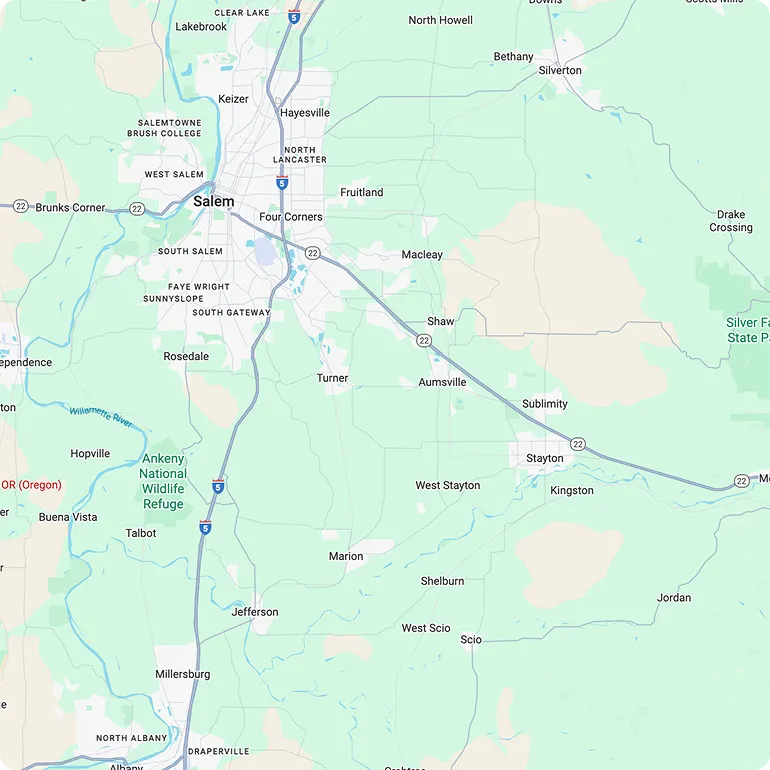
When winter arrives in Detroit and the surrounding Willamette Valley, a reliable furnace becomes essential to keeping your home warm and comfortable. Whether you're replacing an aging system or installing a furnace for the first time, choosing the right unit and having it professionally installed makes all the difference in your home's heating efficiency, performance, and long-term reliability. At Stinson Mechanical, we've spent over 25 years helping homeowners and business owners in the Salem area and throughout the Willamette Valley select and install furnaces that keep them comfortable while saving money on energy bills.
.jpeg)
Furnace installation is a significant investment in your home's comfort and efficiency. The process involves much more than simply removing an old unit and connecting a new one. It requires careful assessment of your home's heating needs, selection of an appropriately sized system, proper gas-line installation, correct venting setup, and thorough testing to ensure safe and optimal performance. Our team handles every step of the furnace installation process with honesty and attention to detail, keeping you informed throughout the entire project.
Understanding Your Furnace Installation Needs
Before installation day arrives, it's important to understand what factors influence your furnace choice and what the installation process will involve. Different homes require different approaches based on size, existing ductwork, gas-line configuration, and local building codes.
The size of your home or business is one of the primary factors in selecting the right furnace. A furnace that's too small won't adequately heat your space, leaving you cold during the coldest months. A furnace that's oversized will cycle on and off frequently, wasting energy and increasing wear on components. Our experienced technicians assess your home's square footage, insulation levels, window configurations, and local climate conditions to recommend a furnace with the appropriate capacity, measured in BTU (British Thermal Units).
Efficiency ratings are another critical consideration. Modern furnaces are rated by their AFUE - Annual Fuel Utilization Efficiency - which measures how much of the fuel the furnace converts into usable heat. Older furnaces often operate at 70-80% AFUE, meaning significant energy waste. Current high-efficiency furnaces achieve 95% AFUE or higher, translating to substantially lower heating costs over the furnace's lifetime. In the Willamette Valley's cool winters, investing in a high-efficiency furnace pays dividends through reduced monthly utility bills and improved comfort.
Your existing ductwork also influences the installation process. Many homes in the Salem area have established duct systems that can work with a new furnace installation. However, some homes may require duct modifications, sealing, or upgrades to ensure proper airflow and efficiency. We evaluate your existing system and recommend any necessary adjustments to maximize performance.
Common Furnace Installation Scenarios
Different homes and situations call for different installation approaches. Understanding your specific scenario helps you prepare for the installation process.
New Construction or Homes Without Gas Heat
If you're building new or converting to gas heat from an electric or oil system, furnace installation requires establishing a complete gas-line system from the meter or tank to your furnace. This involves sizing the gas line appropriately for your furnace's demand, ensuring proper pressure regulation, and installing all necessary safety components. Our team handles gas-line installation with the same professionalism as the furnace itself, following all building codes and safety standards.
Furnace Replacement in Existing Systems
The most common furnace installation scenario is replacing an existing unit. When your current furnace reaches the end of its lifespan - typically 15-20 years - installing a new, high-efficiency furnace can reduce heating costs by 15-25% while improving comfort. We remove your old furnace carefully, dispose of it responsibly, and install the new unit into the existing space. Even in replacement situations, we verify that existing gas lines and venting systems are adequate for your new furnace or make upgrades as needed.
Upgrading to a Heat Pump with Backup Heat
Some homeowners in the Willamette Valley are choosing heat pumps paired with a furnace for backup heating during the coldest months. This hybrid approach maximizes efficiency during mild winters while ensuring adequate heat during extreme cold snaps. If you're interested in this option, our team can discuss how a furnace installation fits into a broader heating strategy.
The Furnace Installation Process
Understanding what happens during furnace installation helps you know what to expect and why each step matters for safety and performance.
Initial Assessment and System Selection
The installation process begins with a comprehensive evaluation of your home's heating needs. We consider your home's size, layout, insulation quality, window count and type, roof color, and your location in the Detroit and greater Willamette Valley area. Based on this assessment, we recommend furnace models that appropriately match your needs. We prioritize honesty in this selection - recommending what your home actually needs rather than overselling capacity or efficiency you won't benefit from.
Gas-Line Installation and Verification
Once you've selected your furnace, proper gas-line installation is critical for safe operation. Our technicians verify that your existing gas line can support the new furnace's fuel demand. If your current line is undersized or damaged, we install a new line with appropriate sizing, pressure regulation, and all required safety shut-off valves. We test all connections for leaks using industry-standard methods and verify that gas pressure is correct before your furnace ever operates.
Venting System Setup
Your furnace must properly vent exhaust gases safely out of your home. Depending on your furnace type and home configuration, we install either a traditional metal vent pipe or a direct vent system. Proper venting slope, support, and termination are essential to prevent carbon monoxide accumulation or condensation issues. We ensure your venting system complies with local building codes and manufactur specifications.
Old Furnace Removal
Before installing your new furnace, we carefully remove your existing unit. This includes safely shutting off gas and electricity, disconnecting ductwork and gas lines, and properly disposing of the old system. We treat your home with respect throughout this process, protecting floors and walls and cleaning up thoroughly.
New Furnace Installation
Your new furnace is positioned in its designated location - typically a basement, utility room, attic, or garage - and secured properly. We connect all ductwork, ensuring tight seals at every joint to prevent energy loss. Gas lines are connected with appropriate fittings and tested for safety. Electrical connections are made according to the manufacturer's specifications and local codes.
System Testing and Commissioning
Before we consider the job complete, we run comprehensive tests on your new furnace. We verify that it ignites properly, reaches appropriate temperatures, cycles correctly, and shuts down safely. We check airflow throughout your ductwork, test all safety controls, and ensure your thermostat communicates properly with the furnace. Only after all systems pass inspection do we leave your home.
Safety and Performance Testing
Post-installation testing isn't simply a box-checking exercise - it's essential to ensuring your furnace operates safely and efficiently from day one.
We test for proper gas pressure to ensure your furnace receives adequate fuel without excess. We verify that your ignition system lights the burner cleanly and reliably. We confirm that your heat exchanger is functioning properly and that no carbon monoxide is escaping into your living space. We test all safety controls, including the limit switch that prevents overheating and the blower rollout switch that protects against flame rollout.
Airflow testing ensures that heated air moves through your ductwork efficiently to all rooms. Restricted airflow reduces comfort and wastes energy. We verify that your blower fan is operating at the correct speed for your furnace and ductwork configuration. We check for any ductwork leaks and seal them to prevent heated air loss.
Thermostat testing confirms that your heating system responds appropriately to temperature changes. We verify that your thermostat is properly calibrated and that your furnace cycles on and off as expected. If you're upgrading to a programmable or smart thermostat, we ensure it's correctly configured for optimal efficiency.
Understanding AFUE and Energy Efficiency
The AFUE rating you see on furnace specifications is important to understand because it directly impacts your operating costs and environmental impact.
AFUE measures the percentage of fuel energy that actually heats your home versus energy lost through the exhaust vent. A furnace with 95% AFUE converts 95 cents of every dollar of fuel into heat, with only 5 cents lost. This dramatically outperforms older furnaces operating at 70-80% AFUE.
In Detroit and throughout the Willamette Valley, where winters require consistent heating for several months, the difference between a standard-efficiency furnace (85% AFUE) and a high-efficiency model (95% AFUE) adds up quickly. Over a 20-year furnace lifespan, you could save thousands of dollars in heating costs by choosing the more efficient option.
Many utility companies and government programs offer rebates for installing high-efficiency furnaces that meet certain AFUE thresholds. When we install your furnace, we help you understand what rebates you may qualify for and assist with the application process. Some rebates can offset a meaningful portion of your installation costs.
Sizing Your Furnace Correctly
Proper furnace sizing is fundamental to achieving the efficiency and comfort you expect from your new system.
Furnace size is measured in BTU output. A 40,000 BTU furnace produces 40,000 British Thermal Units of heat per hour. Your home's size, insulation quality, and local climate determine what capacity you need. A professional load calculation - considering all factors affecting your heating needs - determines the right size rather than simply basing it on home square footage.
Undersized furnaces struggle to heat your home adequately, especially during cold snaps, leaving you uncomfortable. Oversized furnaces heat your home quickly but then cycle off, creating temperature swings and wasting energy. Both scenarios reduce comfort and increase operating costs.
Our team performs load calculations based on your home's specific characteristics to recommend a furnace capacity that keeps you comfortable while operating efficiently. This upfront attention to sizing ensures your new furnace performs optimally for decades.
Gas-Line Installation Considerations
If you're installing a furnace in a location where gas lines don't currently exist, or if your existing gas line is inadequate for a new furnace, proper gas-line installation is essential.
Gas lines must be sized correctly based on the BTU demand of your furnace and any other gas appliances in your home. Undersized lines create pressure drops that reduce furnace performance. Oversized lines waste materials and money. Our technicians calculate the correct size for your specific situation.
Gas lines must be installed in conduit or using approved methods to protect them from damage. In basements or crawl spaces, pipes may need additional protection from moisture or physical damage. We follow all local building codes and manufacturer specifications for gas-line installation.
Proper pressure regulation is critical for safe furnace operation. We install and test regulators to ensure your furnace receives gas at the correct pressure. Overpressure can damage furnace components and create safety hazards. Underpressure prevents proper furnace operation.
All gas connections are tested for leaks using soap solution or electronic detectors before your furnace is ever operated. We never leave a gas-line installation without verifying complete safety.
Venting Requirements and Options
Your furnace must safely expel combustion byproducts including water vapor and carbon monoxide outside your home.
Traditional Metal Venting
Traditional furnace venting uses a metal flue pipe that connects to your chimney or runs up through your roof. This approach works well when existing chimneys are available and properly sized for your furnace. We ensure proper pitch (slope) on all horizontal sections to allow condensation to drain back to the furnace rather than accumulating in the pipe.
Direct Vent Systems
Many modern furnaces use direct vent systems that terminate through a wall or roof near the furnace. These systems draw combustion air from outside and vent exhaust gases directly outside, preventing indoor air quality issues. Direct vent systems often work better in modern homes with good air sealing and no existing chimneys.
Venting Safety
Improper venting creates serious safety hazards including carbon monoxide accumulation in your home. We ensure your venting system terminates at least 10 feet from windows, doors, and air intakes. We verify that venting pitch allows proper drainage and that all connections are secure. We test for proper draft to ensure exhaust gases exit your home rather than spilling back inside.
Removing Old Equipment
When we install your new furnace, proper removal of your old system is part of the complete service.
We safely disconnect your old furnace from gas, electricity, and ductwork. We remove the unit and dispose of it responsibly through recycling or proper waste disposal channels. We clean up the installation area thoroughly so you'd never know extensive work occurred.
For old furnaces containing refrigerant (if replacing an older air handler), we ensure proper refrigerant recovery by certified technicians before disposal. This environmental responsibility is part of how we serve our community.
Post-Installation Warranty and Support
When Stinson Mechanical completes your furnace installation, your new system comes with manufacturer's warranties covering defects in materials and workmanship. We explain what your warranty covers, what's excluded, and how to register your system for warranty coverage if required.
Many furnaces carry 10-year parts warranties on key components like the heat exchanger, with shorter terms on labor. Understanding your specific warranty helps you know what to expect if issues arise. We maintain records of your installation and can assist with any warranty claims.
Beyond the initial warranty, we recommend regular maintenance - typically a fall tune-up before heating season - to keep your furnace operating efficiently and identify any developing issues before they become serious problems. Regular maintenance often extends furnace lifespan well beyond the typical 15-20 year average.
Energy Code Compliance in the Willamette Valley
Building codes throughout Oregon, including Detroit and the surrounding Willamette Valley, continue to evolve toward greater energy efficiency. When you install a new furnace, your system must comply with current energy codes.
High-efficiency furnaces meeting 95% AFUE or higher automatically exceed current code requirements. However, if you're choosing a standard-efficiency unit, verifying code compliance is important. Energy codes occasionally change, and installations must meet the standards in effect when the work is performed.
We stay current with energy code requirements in Detroit and throughout our service area. We ensure your furnace installation complies with all applicable codes and can discuss how code-compliant options provide efficiency benefits beyond just meeting minimum standards.
Financing Your Furnace Installation
We understand that furnace installation represents a significant expense for most homeowners. To help make this investment manageable, Stinson Mechanical offers flexible financing options through Synchrony. Financing allows you to spread costs over months or years rather than paying the entire amount upfront, making it easier to replace an aging furnace before it fails unexpectedly.
Flexible financing helps you choose the right furnace - often a more efficient model - without forcing a decision based purely on immediate costs. The monthly savings from a high-efficiency furnace often offset financing costs, effectively letting your energy savings pay for the upgrade.
Why Professional Installation Matters
While furnace installation might seem straightforward, the process involves gas-line work, venting systems, electrical connections, and precise calibration. Professional installation ensures your system operates safely and efficiently.
Improper gas-line installation creates carbon monoxide risks. Incorrect venting allows dangerous gases to enter your home. Poor ductwork connections waste heated air and reduce comfort. Improper sizing or calibration reduces efficiency and increases operating costs.
Our technicians bring over 25 years of combined HVAC experience to every installation. We take pride in thorough, honest workmanship that ensures your furnace performs optimally from day one. We stay in constant communication with you throughout the installation process, explaining what we're doing and answering any questions you have.
Preparing Your Home for Furnace Installation
When your installation appointment arrives, a few simple preparations help the process go smoothly.
Ensure the area where your furnace will be installed is accessible and clear of obstacles. If your furnace will be in a basement or utility room, make sure we can move equipment through entryways without damage to your home. Remove any items stored immediately around your current furnace location.
If you have pets, consider where they'll stay during installation. The process creates some noise and activity, and keeping pets in a separate area prevents disruption and keeps them safe.
Plan for potential water if your furnace is in a basement. During testing, a small amount of condensation might drip from venting. This is normal and part of the testing process.
Have your thermostat location and any programming preferences ready to discuss with our team. If you're upgrading to a new thermostat as part of your installation, we can recommend options and explain features.
Common Questions About Furnace Installation
How long does furnace installation take?
A typical furnace installation in an existing home with established gas and venting takes 4-8 hours depending on complexity. New gas-line or venting installations may require additional time. We'll provide a timeframe estimate during your initial assessment.
Can I use my furnace immediately after installation?
Yes, after we complete testing and verification, your new furnace is ready to operate. We'll show you basic operation and answer any questions before we leave.
What if my home has an existing chimney?
Existing chimneys can often be used for furnace venting, which simplifies the installation. However, we verify that the chimney is appropriately sized for your furnace and in good condition. Some homes have chimneys that are too large or damaged, requiring direct vent installation instead.
Will furnace installation disrupt my home?
We take steps to minimize disruption. We protect floors, walls, and furniture. We work efficiently to complete the installation in one day when possible. We communicate about timing so you can plan accordingly.
What happens to my old furnace?
We remove your old furnace and dispose of it responsibly. We don't leave the old system for you to arrange removal.
Do I need to upgrade my thermostat?
Many older thermostats work fine with new furnaces. However, if your thermostat is very old or not functioning properly, upgrading to a programmable or smart thermostat often improves efficiency and comfort. We can discuss whether an upgrade makes sense for your situation.
Will a new furnace reduce my heating bills?
Upgrading from an older furnace to a high-efficiency model typically reduces heating costs by 15-25% depending on your previous system's condition and your home's characteristics. The exact savings depend on your heating season length, thermostat settings, and home efficiency.
Choosing Stinson Mechanical for Your Furnace Installation
When you need furnace installation in Detroit, OR or anywhere in the Willamette Valley, choosing the right contractor matters. Stinson Mechanical brings over 25 years of HVAC experience, honest recommendations, and meticulous attention to detail to every project.
We're not just about selling equipment - we're about keeping you comfortable in an efficient manner. That means recommending the right size and efficiency level for your home, installing it properly, testing thoroughly, and standing behind our work. We stay in constant communication throughout your project so you always know what's happening.
Whether you're facing an emergency furnace replacement or planning ahead for an aging system, we're here to help. Contact Stinson Mechanical to schedule your furnace installation assessment in Detroit or throughout the Salem and Willamette Valley area.