.svg)
.svg)

When the temperature drops in Detroit and your furnace stops working, you need reliable heating service fast. A broken furnace isn't just uncomfortable - it's a safety concern, especially during Oregon's cold winters. Whether you're dealing with no heat at all, a furnace that cycles on and off constantly, or strange noises coming from your heating system, Stinson Mechanical has the experience and expertise to diagnose and fix the problem quickly.
.jpeg)
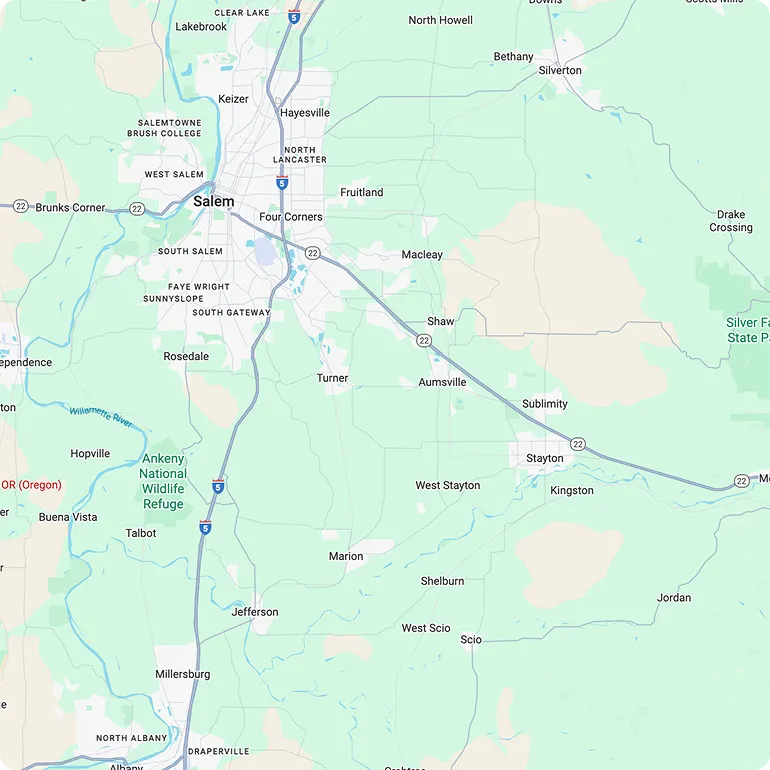
With over 25 years of HVAC experience serving the Willamette Valley, our team understands the unique heating challenges that Detroit-area homeowners face. We know that when your furnace fails, you need someone who can respond fast, communicate clearly about what's wrong, and get your heat back on without unnecessary delays or hidden costs. That's exactly what we deliver.
Common Furnace Problems in Detroit, OR
Furnace issues rarely announce themselves with a single symptom. Most problems develop gradually, but some demand immediate attention. Here are the most common furnace repair situations we see across Detroit and the surrounding areas:
No Heat or Insufficient Heat - This is the most obvious sign something's wrong. If your furnace isn't producing any heat or your home is staying cold despite the thermostat being set high, several issues could be at play. The pilot light might be out, the thermostat could be malfunctioning, the gas supply could be disrupted, or internal components like the heat exchanger might be damaged. Whatever the cause, we diagnose it thoroughly before recommending a repair.
Short Cycling - Short cycling happens when your furnace turns on and off more frequently than normal, sometimes running for just a few minutes before shutting down. This wastes energy, puts strain on your system, and leaves your home with uneven temperatures. Common causes include a dirty air filter, a faulty thermostat, a clogged vent pipe, or an oversized furnace that's reaching temperature too quickly.
Pilot Light or Ignition Issues - If your pilot light won't stay lit, or if your electronic ignition isn't sparking, your furnace won't produce heat. A blown pilot light can result from drafts, a dirty pilot orifice, a weak thermocouple, or a faulty gas valve. Electronic ignition systems can fail due to electrical problems, sensor issues, or control board malfunctions.
Unusual Noises - Furnaces should run quietly in the background. If you're hearing banging, rattling, squealing, or rumbling sounds, something needs attention. Banging often signals a cracked heat exchanger or delayed ignition. Squealing usually points to a blower motor bearing issue. Rattling might mean loose components or debris in the system.
Yellow Pilot Light Flame - A healthy pilot light burns blue. If it's yellow or orange, that's a sign of incomplete combustion, which can mean carbon monoxide is being produced. This is a serious safety issue that requires immediate professional attention.
Frequent Repairs or Age-Related Decline - Furnaces typically last 15-20 years with proper maintenance. If your system is approaching that age and you're calling for repairs more often, it might be time to discuss replacement options rather than continuing to invest in repairs.
How We Diagnose Furnace Problems
When you call Stinson Mechanical for furnace repair in Detroit, we don't just show up and guess. We follow a systematic diagnostic process to identify exactly what's wrong so we can recommend the right repair solution.
Initial Inspection - Our technician will examine your furnace visually, checking for obvious issues like a blown pilot light, dirty air filters, or visible damage. We'll listen to how the system runs and ask you detailed questions about when the problem started and what symptoms you've noticed.
Safety Check - We always prioritize safety. This includes checking for carbon monoxide leaks around the heat exchanger, inspecting the venting system to ensure exhaust is properly exiting your home, and verifying that all safety controls are functioning. If we detect any carbon monoxide, we stop work immediately and recommend the system be shut down until the issue is resolved.
Component Testing - Depending on what we observe, we'll test the thermostat to confirm it's communicating properly with the furnace, check the gas supply and ignition system, test the blower motor, and measure airflow. We use diagnostic equipment to identify electrical problems, gas flow issues, and sensor malfunctions.
System Performance Evaluation - We'll run your furnace through its cycles and measure whether it's heating efficiently and cycling appropriately. This helps us understand if the problem is a single component failure or a symptom of a larger system issue.
Once we've completed our inspection, we'll explain what we found in straightforward terms - no confusing jargon - and discuss your repair options, the estimated cost, and how long the repair will take.
Furnace Repair Services We Provide
Pilot Light Repair and Replacement - If your pilot light won't stay lit, we can clean the pilot orifice, replace the thermocouple, repair the gas valve, or address any venting issues that might be causing drafts. If the pilot assembly is too damaged to repair, we'll replace it with a quality part.
Ignition System Repair - For furnaces with electronic ignition, we diagnose whether the issue is in the igniter itself, the flame sensor, the control board, or the gas valve. We repair or replace the faulty component and test the system to confirm proper operation.
Heat Exchanger Inspection and Repair - The heat exchanger is the heart of your furnace - it's where combustion heat is transferred to the air that warms your home. If we detect cracks or corrosion, we'll explain your options. Small issues might be repairable, but significant damage usually means the heat exchanger needs replacement. We always prioritize safety here, as a damaged heat exchanger can leak carbon monoxide.
Blower Motor Repair and Replacement - If your blower isn't circulating warm air throughout your home, the motor might need repair or replacement. We can also address issues with the blower wheel or belt if those are the culprits.
Thermostat Troubleshooting and Repair - Sometimes the furnace itself is fine, but the thermostat isn't communicating properly. We'll test your thermostat, verify it's calibrated correctly, and repair or replace it if necessary.
Gas Supply and Valve Service - Problems with gas flow can prevent your furnace from igniting or operating at full capacity. We inspect gas lines for leaks or blockages and repair or replace gas valves as needed.
Ductwork and Airflow Issues - If your furnace is running but heat isn't reaching certain rooms, the problem might be in your ductwork. We can inspect ducts for leaks, blockages, or disconnections and make repairs to restore proper airflow.
Air Filter Replacement and System Cleaning - A clogged air filter reduces airflow and can cause short cycling or inadequate heating. We'll replace dirty filters and clean components as needed to restore efficiency.
The Repair Process: What to Expect
When Stinson Mechanical performs furnace repair in Detroit, here's how we work:
Same-Day Service - We understand that heating emergencies don't wait. We schedule furnace repair appointments promptly and aim to get your heat restored within 1-2 hours for residential customers whenever possible.
Upfront Assessment - Before we start any work, we'll give you a detailed explanation of what we found, what repair we recommend, and what it will cost. We don't proceed without your approval.
Professional Repair - Our technicians have the tools, parts, and experience to handle furnace repair correctly. We work efficiently without cutting corners, and we clean up after ourselves when we're done.
Safety Verification - After any furnace repair, we run safety checks to confirm that your system is operating safely. This includes verifying proper combustion, checking for carbon monoxide leaks, and ensuring all controls are functioning.
System Testing - We'll run your furnace through a complete cycle, confirm that it's heating properly, and verify that it's cycling at appropriate intervals. We want you to leave knowing your system is working right.
Explanation and Recommendations - Before we leave, we'll walk you through what we repaired, how to maintain your system to prevent future problems, and whether we recommend any additional service or upgrades.
Parts Availability and Repair Speed
One of the advantages of working with Stinson Mechanical is that we maintain a good stock of common furnace components. This means we can often complete repairs on the same day without having to order parts and schedule a second visit. For less common parts or specialized components, we have established relationships with suppliers that allow us to source what we need quickly.
Our goal is to keep your downtime minimal. We know that being without heat is stressful, especially during Detroit's colder months, so we prioritize getting your system back online as fast as safely possible.
Safety Considerations for Furnace Repair
Furnace safety isn't something to take lightly. Here are the key safety considerations we address during any furnace repair:
Carbon Monoxide Risk - A furnace that's not operating correctly can produce and leak carbon monoxide (CO), a colorless, odorless, deadly gas. We always inspect the heat exchanger and venting system for signs of cracks or damage that could allow CO to enter your home. If we detect any CO issues, we recommend shutting down the system and addressing the problem before it's used again.
Gas Line Safety - Natural gas furnaces rely on safe gas connections. We inspect gas lines for leaks, ensure proper pressure, and verify that all connections are secure. Gas leaks are dangerous and require professional attention.
Electrical Safety - Modern furnaces have electrical components, controls, and ignition systems. We ensure all electrical connections are safe, properly grounded, and functioning correctly.
Proper Venting - Your furnace must vent exhaust safely out of your home. We check that vent pipes are clear, properly angled, and securely connected so that combustion byproducts don't enter your living space.
System Shutdown Procedures - If we need to shut down your furnace for repair, we do so safely and ensure the system is de-energized before we work on it.
Emergency Furnace Repair in Detroit
Furnace emergencies often happen at the worst times - in the middle of winter, late at night, or over a weekend. While Stinson Mechanical operates Monday through Friday from 9 am to 5 pm, we understand that heating emergencies don't follow a 9-to-5 schedule. For emergency furnace service outside of regular hours, we recommend contacting us to discuss your options and learn about available solutions.
In the meantime, if your furnace stops working in frigid weather, you can:
- Check that your thermostat is set to heat and turned up several degrees
- Verify that your furnace's power switch is on
- Look for a blown circuit breaker in your electrical panel and reset it if needed
- Check your air filter and replace it if it's visibly clogged
- If you smell gas, leave your home immediately and call your gas company
These basic checks sometimes reveal simple fixes, but if your furnace still isn't working, professional repair is necessary.
Furnace Maintenance Helps Prevent Repairs
The best way to avoid emergency furnace repair is to keep your system well-maintained. Stinson Mechanical recommends having your furnace serviced twice a year - once in the fall before heating season and once in the spring after you've finished using it. Regular maintenance includes:
- Inspecting the furnace for visible damage or wear
- Cleaning and lubricating components
- Testing all controls and safety switches
- Replacing air filters
- Checking venting and ensuring proper airflow
- Verifying carbon monoxide safety
- Confirming proper combustion and efficiency
A furnace that receives regular maintenance runs more reliably, operates more efficiently, and has a longer lifespan. It also means we catch potential problems early, before they become expensive breakdowns.
Repair Versus Replacement: Understanding Your Options
Not every furnace problem requires a full system replacement. During our diagnostic process, we'll help you understand whether repair makes sense or if replacement might be a better long-term investment.
Generally, repair is the right choice if your furnace is less than 15 years old, the repair cost is reasonable, and the system has been relatively reliable. However, if your furnace is older than 15-20 years, requires frequent repairs, has declining efficiency, or has a cracked heat exchanger, replacement often makes more financial sense.
We'll give you honest guidance on this decision and discuss options for energy-efficient replacement systems if that's what makes sense for your situation. Our priority is keeping you comfortable in an efficient manner, and sometimes that means recommending a new system rather than continuing to patch an aging one.
Why Choose Stinson Mechanical for Furnace Repair in Detroit
With over 25 years of HVAC experience, we've repaired furnaces through countless Detroit winters. Our technicians understand the specific heating challenges that homeowners in this area face, and we know how important it is to have your heat working properly when temperatures drop.
We prioritize honesty in everything we do. We'll explain what's wrong with your furnace in language you understand, discuss your repair options without pressure, and recommend what we truly believe is best for your situation - not just what generates the biggest invoice. We maintain good inventory of parts, which means we can often complete repairs the same day. We stay in constant communication with our customers throughout the repair process, so you always know what's happening.
When your furnace needs repair in Detroit, Stinson Mechanical delivers the expertise, reliability, and honest service that homeowners in the Willamette Valley have trusted for over two decades.