.svg)
.svg)

When your gas line stops working properly, it affects more than just your heating comfort - it impacts your entire home's safety and functionality. At Stinson Mechanical, we understand how critical reliable gas lines are to keeping your Mill City home running smoothly, which is why we prioritize fast, honest diagnostics and repairs that get you back to normal quickly.
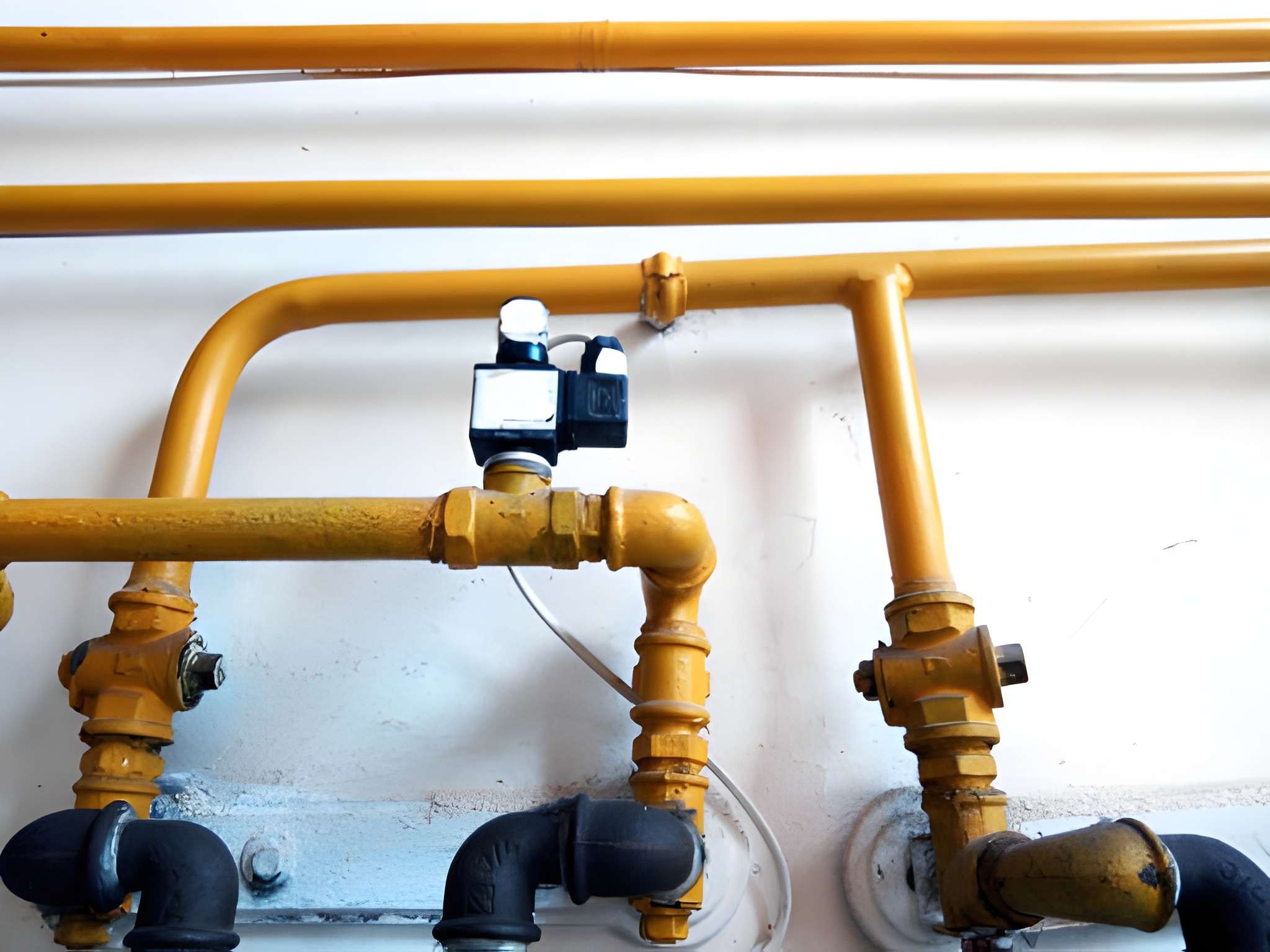
Gas line issues might seem straightforward on the surface, but they require careful attention to detail and a thorough understanding of safety protocols. Whether you're dealing with a suspected leak, pressure problems, or aging pipes that need replacement, we have the expertise and equipment to handle it right. Our team brings over 25 years of HVAC and gas line experience to every job, and we stay committed to keeping you informed throughout the entire process.
Common Gas Line Problems in Mill City
Gas line issues don't always announce themselves with dramatic signs. Some develop gradually, while others catch homeowners off guard during the coldest months when heating demand is highest. Understanding what can go wrong helps you recognize when it's time to call for professional help.
Corrosion and rust are among the most common issues we address in the Mill City area. Oregon's climate, with its moisture and seasonal temperature swings, creates conditions where metal pipes can deteriorate over time. When corrosion weakens pipe walls, it compromises the integrity of your gas delivery system and creates safety risks.
Leaks represent the most urgent gas line problem. Even small leaks waste gas and drive up your energy bills, but more importantly, they pose serious safety hazards. Natural gas is odorless, so utility companies add a distinctive rotten-egg smell to help people detect leaks. If you notice this smell near your gas appliances or lines, professional inspection and repair are necessary immediately.
Loose or damaged fittings develop when vibration from nearby appliances or ground settling causes connections to shift. Over time, minor movement becomes a major problem. Fittings that aren't perfectly secure can allow gas to escape and may allow air to enter the line, both of which create safety and efficiency concerns.
Incorrect pipe sizing sometimes causes pressure issues that affect how your heating system operates. If gas can't flow at the right pressure, your furnace or water heater won't perform efficiently, and you'll notice uneven heating or longer heating cycles.
Kinks and pinches in flexible gas lines reduce flow and create stress points where leaks develop. These often happen during installations or when lines are routed too close to other pipes or utilities.
Our Gas Line Repair and Diagnostic Process
At Stinson Mechanical, we follow a methodical approach to every gas line repair. We understand that you need to know what's happening with your system, which is why we explain each step and keep you informed until the job is done.
Initial inspection and assessment starts the moment we arrive at your Mill City home. We visually examine accessible gas lines for obvious signs of corrosion, damage, or leaks. We check connections at appliances and the meter to spot loose fittings or wear patterns. This visual assessment often reveals the problem immediately, but it's just the beginning.
Pressure testing comes next for suspected leaks or performance issues. Using specialized equipment, we measure gas pressure throughout your system to determine if it's within safe operating range. Pressure that's too high or too low tells us where problems exist and how severe they are.
Leak detection uses industry-standard methods to locate even tiny leaks that pose safety risks. We apply soapy water solution to suspected areas - bubbles indicate escaping gas. For more complex situations, we use electronic gas detectors that pinpoint leaks with high precision. This thorough approach ensures we find all problems, not just the obvious ones.
Tracer gas testing represents our most advanced diagnostic tool for difficult leak scenarios. This specialized technique helps us locate pinhole leaks or damaged sections that other methods might miss, ensuring complete identification of all issues before repair work begins.
System isolation and safety shutdown happen before any repair work starts. We know that working on gas lines requires careful precautions, so we shut down the system properly and ensure safety for everyone in the home. This isn't something to rush through - we take it seriously every single time.
Types of Gas Line Repairs We Handle
Different problems call for different solutions. Here's what we can repair and how we approach each type of work.
Pipe replacement becomes necessary when corrosion has weakened pipes beyond safe repair. We remove the damaged section and install new copper or corrugated stainless steel tubing that meets or exceeds current code requirements. The Willamette Valley's climate means we see plenty of corrosion issues, and we've developed efficient processes for replacing even extensive sections of pipe.
Fitting repairs and replacement address loose connections, corroded fittings, or damaged couplings. Sometimes we can tighten a fitting and apply thread sealant to restore a proper seal. Other times, replacement is the only safe option. We always use approved materials and follow proper installation methods.
Valve repair and replacement handles gas shutoff valves that don't operate smoothly or seal properly. A faulty valve creates safety risks and prevents proper isolation of your gas system during emergencies. We ensure every valve operates reliably.
Corrosion mitigation involves coating pipes with protective materials or replacing sections with corrosion-resistant alternatives. In Mill City's moist environment, prevention is as important as repair, so we discuss options that extend the life of your gas line system.
Connection repairs tackle problems where gas lines connect to furnaces, water heaters, or other appliances. These connections must be airtight and secure to function safely and efficiently.
Flexible tubing repairs address kinked, pinched, or damaged flexible gas lines. Sometimes we can reposition the tubing to eliminate the problem. Other situations require replacing the entire flexible section with new tubing that's properly routed and secured.
Safety and Code Compliance
Gas line work isn't something homeowners should attempt themselves. Gas is inherently dangerous when mishandled, and building codes exist for good reason - they keep your home and family safe.
Oregon's energy codes and local regulations in Mill City specify exact requirements for gas line materials, sizing, installation methods, and safety features. Our team stays current with these requirements and ensures every repair we perform meets or exceeds code standards. When you work with Stinson Mechanical, you're getting repairs that satisfy inspectors and, more importantly, keep your home safe.
Proper pressure testing ensures your repaired system operates safely and efficiently. We don't just fix the leak - we verify the entire system is functioning as intended.
Safety shut-off procedures protect your family during repair work. We follow established protocols that prevent gas from entering your home while we work.
Certified materials and connections mean the parts we use are approved for gas line applications. Not every fitting or sealant is suitable for gas - we use only products designed and approved for this critical application.
Documentation and inspection readiness means your repairs are ready for any inspection required by your local utility or building department. We keep records of the work performed and materials used.
What to Expect During Your Gas Line Repair
Understanding the timeline helps you plan your day around the service visit. Most gas line repairs in residential Mill City homes take between 1 to 3 hours, depending on the extent of the problem and how easily accessible the affected lines are.
Straightforward repairs like tightening a loose fitting or resealing a connection might be completed in 30 minutes to an hour. These simple fixes often provide immediate relief if they address your specific issue.
Moderate repairs involving a small section of pipe replacement or a single valve replacement typically take 1 to 2 hours. We'll need to shut down your gas system, make the repair safely, pressure test everything, and verify the repair works.
More extensive repairs requiring replacement of multiple sections or repairs in difficult-to-access locations might extend to 3 hours or beyond. We'll provide a realistic estimate when we assess your system and explain what we've found.
System restoration comes after the repair work itself. We ensure your furnace, water heater, and other gas appliances restart properly and operate safely. We don't consider the job complete until everything is functioning normally.
Factors That Influence Repair Scope and Timeline
Several variables affect how long your repair takes and what the work involves. Understanding these helps you understand why some repairs are quick while others require more time.
Accessibility of the damaged section makes a big difference. Gas lines that run through accessible areas of your basement or crawlspace are easier to work on than lines routed through walls or tight spaces. We assess accessibility during our initial inspection.
Extent of corrosion determines whether we can repair a connection or need to replace a pipe section. Severe corrosion throughout a line means more extensive work than isolated damage.
Type of material in your existing gas lines affects repair approaches. Older homes might have galvanized steel pipes that corrode more readily than modern copper or corrugated stainless steel tubing. We work with whatever you have and can discuss upgrades if appropriate.
Pressure test results reveal the full scope of problems. Sometimes a simple leak is the only issue. Other times, testing uncovers multiple smaller leaks or pressure problems that all need addressing for a truly reliable system.
Weather conditions in Mill City can affect work speed, especially if we're working in your crawlspace during damp seasons. We plan accordingly and maintain safety even in challenging conditions.
Preventing Future Gas Line Issues
Once we've repaired your gas line, taking smart preventive steps helps avoid repeat problems. These actions protect your system and keep your home safer.
Regular visual inspections of accessible gas lines help catch early signs of corrosion or damage. Every few months, take a look at visible portions of your gas line. If you notice discoloration, rust, or wet spots, contact us for a professional assessment.
Annual maintenance of your heating system includes inspection of gas connections and lines. When our technicians visit for furnace maintenance, they check gas line integrity as part of their overall evaluation.
Prompt attention to warning signs prevents small problems from becoming big ones. If you smell gas, notice unusual hissing sounds, or spot visible corrosion, call immediately. The faster you address issues, the less extensive the repair needed.
Humidity control in basements and crawlspaces reduces the environment that promotes corrosion. Proper ventilation and moisture management extend the life of metal gas lines significantly.
Professional assessment when you notice performance changes helps identify gas delivery problems early. If your furnace seems less powerful or heating takes longer, a gas line issue might be the cause. We can diagnose and fix these problems before they become emergencies.
Why Choose Stinson Mechanical for Gas Line Repair in Mill City
We've been serving the Mill City and Willamette Valley area for over 25 years with a commitment to honesty, efficiency, and keeping our customers comfortable. Our approach to gas line repair reflects those core values.
Honest diagnostics mean we tell you exactly what we find and explain your options clearly. We don't suggest expensive repairs you don't need, and we don't downplay problems that require attention. You get straightforward information to make informed decisions.
Quick service happens because we maintain sufficient stock of repair parts and materials. We don't have to order specialized fittings or wait for delivery - we can typically complete repairs the same day we diagnose them.
Experienced technicians bring real expertise to every repair. Our team understands gas line systems thoroughly and knows how to handle both straightforward problems and complex situations.
Local knowledge means we understand how Mill City's climate and conditions affect gas line systems. We know what problems are common in our area and how to prevent them effectively.
Constant communication throughout the repair process keeps you informed and comfortable. We explain what we're doing, why we're doing it, and what to expect next. You're never left wondering about the status of your work.
Code compliance ensures your repairs meet all Oregon and local requirements. When inspections are needed, your system is ready, and when they're not, you still have a safe, properly functioning gas line system.
Gas line issues require prompt, professional attention. When you notice problems or have concerns about your gas line system in Mill City, reaching out for expert assessment is the safe choice. Stinson Mechanical has the experience, equipment, and commitment to quality that makes gas line repair straightforward and trustworthy.