.svg)
.svg)

When it comes to heating your home or business in Mill City, the integrity and safety of your natural gas piping system is absolutely critical. Whether you're building a new property, retrofitting an existing structure, or simply upgrading your current setup, the quality of your gas line installation directly impacts your comfort, safety, and energy efficiency. At Stinson Mechanical, we understand that natural gas piping isn't just about connecting appliances - it's about creating a reliable system that keeps your property warm and your family safe for years to come.
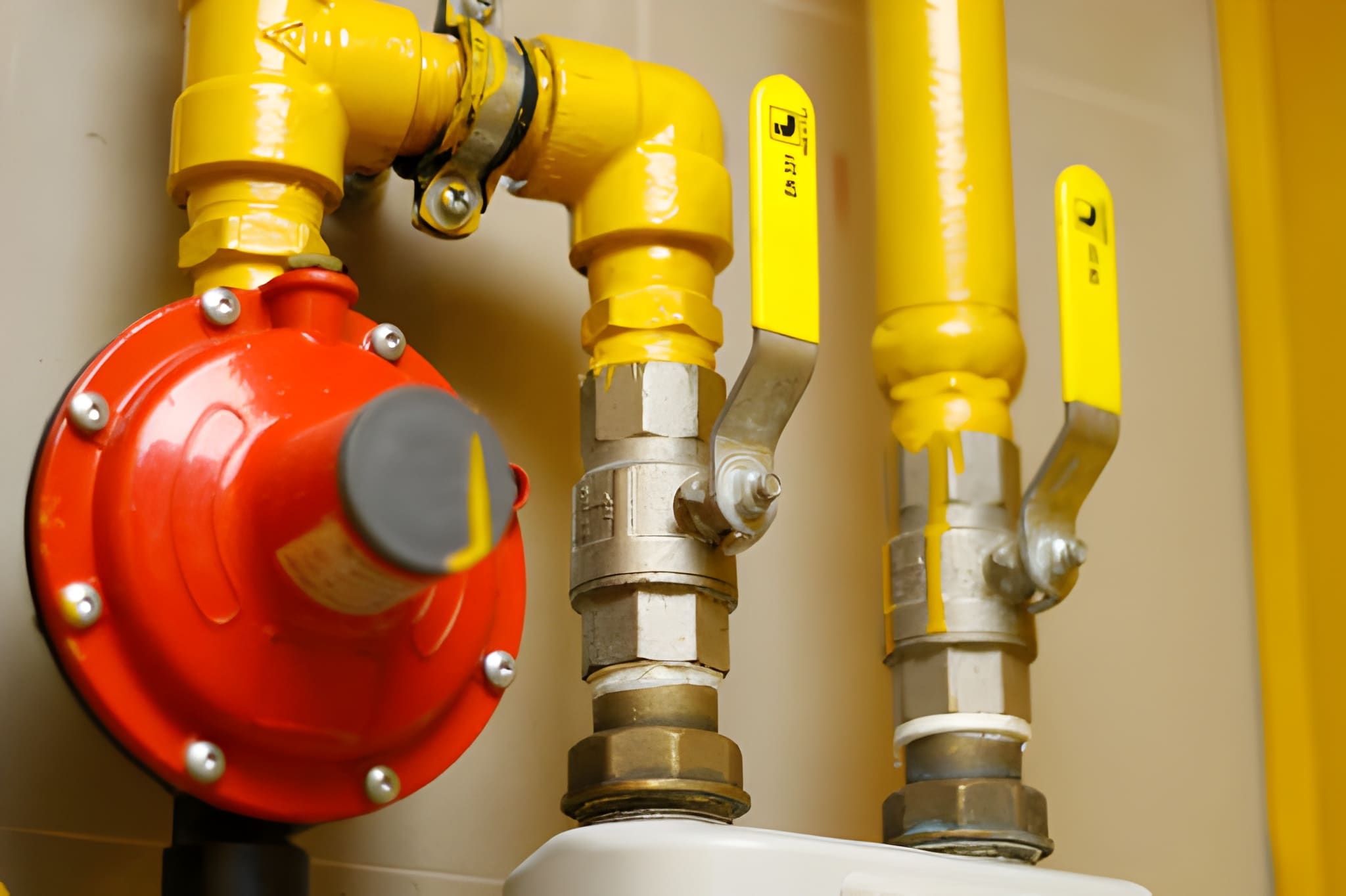
Natural gas piping serves as the backbone of any gas-powered heating system, connecting your main gas supply to furnaces, water heaters, fireplaces, and other appliances throughout your property. Proper installation requires expertise in system design, code compliance, and safety protocols that many homeowners and business owners aren't familiar with. That's where our team comes in. With over 25 years of HVAC experience, Stinson Mechanical has the knowledge and skill to handle every aspect of natural gas piping in Mill City, from initial system design through final inspection.
Why Professional Natural Gas Piping Matters in Mill City
Natural gas is an efficient and cost-effective heating fuel, but it demands respect and precision in installation. Mill City's climate, with its cool winters and variable seasonal temperatures, makes reliable heating a necessity rather than a luxury. When your gas piping system isn't properly designed or installed, you risk inefficiency, safety hazards, and costly repairs down the line.
The Willamette Valley region, where Mill City is located, experiences conditions that make well-maintained gas systems essential. Our local expertise means we understand the specific challenges that properties in this area face - from the moisture in our climate to the building styles common to our community. We've seen what works and what doesn't, and we apply that knowledge to every project.
Common Natural Gas Piping Issues and Solutions
Several issues commonly arise with natural gas piping systems in residential and commercial properties:
- Corrosion and degradation: Over time, older metal pipes can corrode, especially in our moist climate, leading to reduced flow and potential leaks
- Undersized piping: Systems designed without proper calculation may not deliver adequate gas volume to meet your heating demands
- Poor system design: Piping layouts that don't follow best practices can create pressure drops and inefficient operation
- Code non-compliance: Older installations may not meet current energy codes or safety standards that Oregon now requires
- Appliance incompatibility: Adding new appliances without proper branch piping can strain your entire system
- Pressure irregularities: Fluctuating gas pressure indicates design or installation problems that need attention
The good news? All of these issues are preventable with proper design and professional installation from the start.
Our Approach to Natural Gas Piping System Design
When we design a natural gas piping system for your Mill City property, we don't just run pipes from point A to point B. We take a comprehensive approach that ensures efficiency, safety, and compliance.
First, we assess your heating needs. This means understanding the BTU (British Thermal Unit) requirements of all appliances that will connect to the system - your furnace, water heater, range, dryer, or any other gas-powered equipment. Each appliance has specific gas flow demands, and our design must account for simultaneous usage scenarios.
Next, we calculate proper pipe sizing. Using industry standards and local code requirements, we determine the correct diameter for each section of piping. Undersized pipes create pressure drops that reduce efficiency and appliance performance. Oversized pipes waste material and money. We get it right.
Then, we plan the route. This involves considering the most efficient path for piping while accounting for structural elements, accessibility for maintenance, and future expansion possibilities. We think about where appliances might be added in the future and design flexibility into the system.
Finally, we ensure every component meets or exceeds Oregon's current energy codes and safety standards. Mill City's building requirements are evolving, and we stay current with all changes to ensure your system is compliant today and prepared for tomorrow's standards.
New Construction Natural Gas Piping
For new residential or commercial construction in Mill City, installing natural gas piping during the building phase is the ideal scenario. We work with builders and developers to integrate piping systems seamlessly into the construction process.
During new construction, we can coordinate with other trades - electricians, plumbers, framers - to ensure optimal placement and minimal conflicts. We install piping before walls are closed, making the work efficient and the results clean. We handle all necessary permits and work with inspectors to ensure approvals at each stage.
Our team manages all connections from the meter to individual appliances. We install proper pressure regulators, shutoff valves, and drip legs where required by code. We pressure-test every section to verify integrity before appliances are connected. When we finish, you have a system that's ready to perform reliably from day one.
Retrofit Natural Gas Piping for Existing Properties
Retrofitting natural gas piping to existing homes and businesses in the Mill City area requires different considerations than new construction. We work within the constraints of existing structures while maintaining safety and code compliance.
Retrofit projects might involve adding gas service where none existed, upgrading older piping to modern standards, or expanding the system to accommodate new appliances. We carefully plan routes that minimize disruption to your property while maintaining accessibility for future service and inspection.
Common retrofit scenarios include converting from electric heating to gas furnaces, installing gas fireplaces or stoves, adding tankless water heaters, or upgrading to more efficient appliances. In each case, we evaluate your existing system capacity and determine if modifications are needed to safely support the new load.
Appliance Hookups and Branch Piping
Each gas-using appliance requires its own properly sized branch line connected to your main gas piping. This is where precision matters significantly.
A furnace typically needs a larger diameter pipe than a water heater because it demands more gas flow. A range requires different sizing than a clothes dryer. Our technicians understand these distinctions and size each branch accordingly. We install shutoff valves at each appliance so you can isolate equipment for service or emergency situations.
We also ensure proper connection methods using appropriate fittings and materials. Depending on your situation and code requirements, this might include flexible connectors, hard pipe connections, or a combination. We follow all manufacturer specifications for appliance connections and maintain required clearances and access for safety and servicing.
Material Choices and Code Compliance
When we install natural gas piping in Mill City, we select materials that provide durability, safety, and compliance with Oregon's current building codes.
Copper tubing offers excellent corrosion resistance and longevity, making it ideal for many applications. Steel pipe provides strength and has been used reliably for decades. Corrugated stainless steel tubing (CSST) offers flexibility and is code-approved for many installations, though it has specific requirements for protection and bonding. We evaluate each project and recommend the best material for your situation, balancing performance, cost, and code requirements.
Oregon's energy codes continue to evolve, and we stay informed about changes that might affect your system. Whether you're concerned about code compliance for a sale, an upgrade, or simply peace of mind, Stinson Mechanical ensures your installation meets all applicable standards. Our 25 years of experience means we've navigated code transitions and know what inspectors in our region require.
Permits and Inspection Coordination
Natural gas piping installation in Mill City requires permits and professional inspections. Rather than seeing this as a hassle, we view it as protection for you and your property. Permits ensure work is done to code, and inspections verify safety.
We handle all permit applications and paperwork, making the process straightforward. We coordinate inspection appointments and work directly with local inspectors. Our experience with Mill City's building department means we know exactly what to expect and how to prepare for approvals. This coordination keeps your project moving smoothly without delays or surprises.
Installation and Pressure-Testing Procedures
Professional installation of natural gas piping involves careful attention to detail and adherence to safety protocols.
We cut, thread, and connect all piping according to specifications. Every connection is made to prevent leaks - this is non-negotiable when dealing with gas. We install all required components including shutoff valves, pressure regulators, excess flow check valves, and drip legs designed to catch any moisture in the line.
Once installation is complete, we pressure-test the entire system before appliances are connected. This test pressurizes the piping with nitrogen (never air, which can be unsafe) and monitors for any drop in pressure that would indicate a leak. Only when the system holds pressure perfectly do we proceed with connecting appliances. We document all testing for your records and for any inspections.
We also perform a combustion safety test on all connected appliances to verify they're operating safely and efficiently. This ensures not just that the piping works, but that everything connected to it functions properly.
Safety and Maintenance Recommendations
After your natural gas piping system is installed, keeping it in good condition ensures ongoing safety and performance.
We recommend having your system inspected annually, particularly before the heating season begins. Our technicians can identify potential issues before they become problems - corrosion developing on older pipes, connections that might be loosening, or changes in system performance that suggest underlying issues.
Between professional inspections, know the signs of a potential gas leak: a distinctive smell near gas lines or appliances, hissing sounds, or dead patches in your yard (indicating gas seeping from underground piping). If you ever suspect a leak, leave the area, call your gas utility's emergency number, and don't use electrical switches or create sparks.
Carbon monoxide detectors are essential in any home with gas appliances. Install them per manufacturer recommendations and test them regularly. They're inexpensive insurance against a serious hazard.
Avoid storing items against or near gas piping where they might damage connections or create safety hazards. Keep the area around your gas meter clear for utility access and inspections.
Upgrades and System Expansions
Your needs may change over time, and your natural gas piping system can be upgraded or expanded to accommodate new appliances or increased demands.
Perhaps you're adding a gas fireplace, installing a tankless water heater for better efficiency, or upgrading to a high-efficiency furnace. These additions require careful evaluation of your existing system capacity. We determine if current piping can handle additional load or if expansion is necessary.
We design expansions with the same rigor we apply to new installations. We ensure new branches are properly sized, routed efficiently, pressure-tested, and inspected. We coordinate with inspectors if expansion requires new permits.
Planning ahead helps. If you think you might add gas appliances in the future, let us know during initial installation. We can design the system with that expansion in mind, making future additions simpler and more cost-effective.
Why Choose Stinson Mechanical for Natural Gas Piping in Mill City
Our approach to natural gas piping reflects our core commitment: honesty, keeping our customers comfortable in an efficient manner, and providing options to conform with energy codes. When you call Stinson Mechanical, you're working with technicians who understand both the technical requirements and the practical needs of Mill City property owners.
We maintain sufficient stock of equipment and materials so we can complete work efficiently without delays. We stay in constant communication with our customers until the job is done, so you're never wondering what's happening or when to expect completion. We explain our work in plain language so you understand what we're doing and why it matters.
Our experience spans residential and commercial properties throughout the Willamette Valley. We've designed and installed systems in homes just like yours and businesses similar to yours. We know Mill City's climate, building styles, and code requirements. We have relationships with local building officials and inspectors that smooth the permitting process.
When you're ready to discuss natural gas piping for your Mill City property - whether new construction, retrofit, expansion, or upgrade - reach out to Stinson Mechanical. We're here to help you create a safe, efficient system that keeps your property comfortable for years to come.